

When people think of birch trees, they often envision the bright white, peeling bark and delicate serrated leaves. However, this classic image applies to only a handful of the 60+ species available. Birch trees actually showcase an impressive variety of colors and textures — from the striking red bark of the Chinese Red Birch to the layered bark of the River Birch, and the pristine white bark of the Himalayan Birch, not to mention the compact Dwarf Birch. There's a birch tree suited for nearly every backyard design.
A Guide to Popular Birch Tree Species
Belonging to the genus Betula, birch trees rank among the most cherished trees known for their white bark. Gardeners appreciate them for their eye-catching bark, vibrant foliage, and significant height. Whether you opt for a cluster for privacy or a solitary specimen to serve as a focal point, birch trees are both flexible and resilient.
Regardless of which species you select, successful planting is crucial. 'Choose moist soil and a location that receives some shade from harsh afternoon sun — this helps most birch trees flourish,' advises arborist Melinda Myers. 'While we cannot control the weather, we can create ideal growing conditions. A mulch layer beneath the canopy retains moisture and provides the care birch trees require.'
1. European White Birch (Betula pendula)

The European White Birch, also known as common birch, silver birch, or lady birch, is a beloved choice in gardens worldwide. Originating from the UK, it adapts beautifully to American landscapes.
'This resilient white birch grows remarkably quickly; it can gain nearly two feet of height annually until reaching around 40 feet tall,' says Shannon Bernadin, CEO of The African Garden. 'So be prepared — if you select this birch, you'll need ample space.'
2. Paper Birch (Betula papyrifera)

Named for its bark that peels away like sheets of paper, the Paper Birch has an intriguing history. 'Long before paper became widespread, birch bark was utilized for inscribing messages,' notes Shelby DeVore, founder of Farminence. 'These trees were also referred to as "canoe birches" since Native Americans crafted canoes from mature specimens.'
These striking white-barked trees thrive in nearly all soil types, pH levels, and light exposures. Over its lifespan of around 50 years, the tree can grow beyond 40 feet, making it one of the top trees for shade.
3. Yellow Birch (Betula alleghaniensis)

In autumn, the Yellow Birch dazzles with a brilliant golden crown of leaves. It ranks among the finest trees for fall color, illuminating any garden with its stunning display.
These birch trees can soar up to 70 feet tall, establishing them as one of the largest hardwood species in North America. Hardy in zones 3 to 7, they greet spring with lovely yellow catkins.
4. Chinese Red Birch (Betula albocinensis)
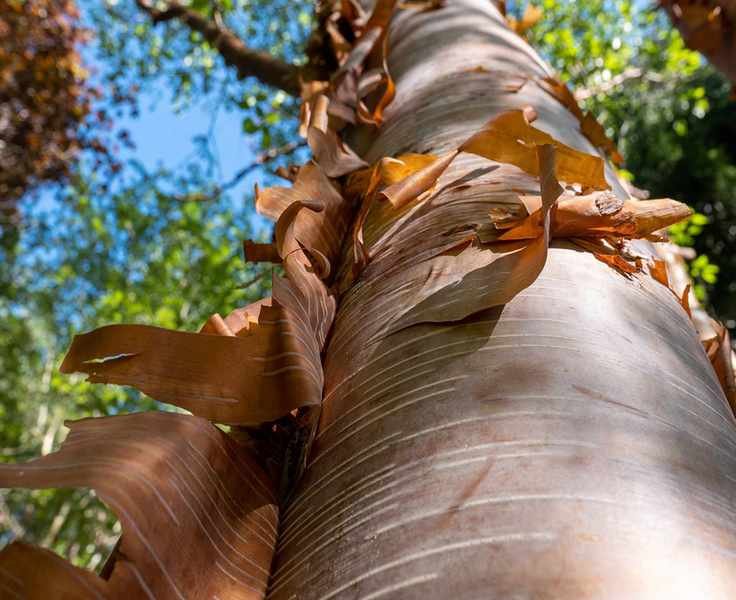
In stark contrast to white birches, the Chinese Red Birch stands out with its breathtaking red, peeling bark. Consider landscaping around trees using circles of snowdrops to provide a radiant backdrop against the red bark in winter. Pair it with vibrant cornus for a lively display throughout the year.
Despite its distinct appearance, the Chinese Red Birch shares similar growing requirements with its paler relatives. It's well-suited for clay soil but flourishes in most other soil types as well.
5. Dwarf Birch (Betula nana)

In contrast to their towering relatives, Dwarf Birch trees are ideal for compact gardens. This low-growing shrub typically thrives near bogs and wetlands and does well in nutrient-poor soil, making it a great companion for garden pond ideas.
'Like other birches, it prefers well-drained areas with rocky or sandy soils,' explains Emilly Barbosa Fernandes, a small-space gardening expert and consultant at HouseGrail.
Distinguished by its short stature, reddish non-peeling bark, and serrated leaves, the Dwarf Birch is native to cooler climates in northern Europe and North America, thriving in zones 2 through 7.
6. Himalayan Birch (Betula utilis var. jacquemontii)

This classic white-barked birch is a striking variety. Hailing from the Himalayas, it's 'the most visually stunning of the birch types, featuring snow-white bark and glossy green leaves that turn bright yellow in the fall,' says Blythe Yost, CEO of the online landscape design firm Tilly. 'However, it can only thrive in northern regions with cooler climates, as it's very vulnerable to borer beetles.'
The Himalayan Birch makes a remarkable statement tree for your garden. It can grow up to 50 feet tall, and its nearly translucent white bark adds year-round interest.
7. River Birch (Betula nigra)
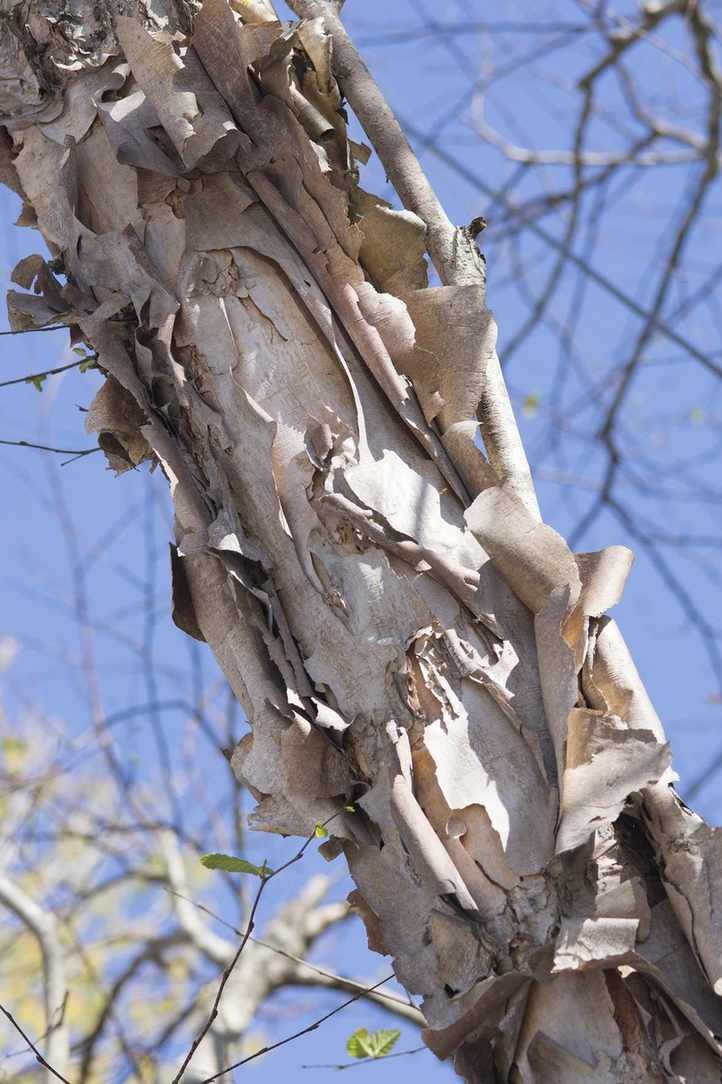
The River Birch is a captivating variety known for its unique layers of peeling bark. 'This fast-growing tree can have single or multiple trunks,' shares Emilly Barbosa Fernandes. 'Its bark varies from pink to reddish-brown, and as it peels, the layers become lighter.'
Naturally found along riverbanks in North America, it's a popular choice for those seeking a white-barked tree due to its low-maintenance nature — provided it's planted appropriately. 'The River Birch thrives in full sun and, once established, is one of the few birches that can handle heat very well,' the experts at Deepdale Trees explain.
8. Japanese White Birch (Betula platyphylla)

Originating from Japan, this birch displays a lovely silhouette with a single trunk and delicate, spreading branches. Its elegant outline makes it an excellent fit for cottage garden designs.
Reaching heights of up to 40 feet, the Japanese Birch is among the smaller varieties (in comparison to those that can grow to 70 feet). It's also relatively low-maintenance, requiring no pruning or special attention. 'It thrives best in cooler climates, in sandy or rocky areas that remain moist,' advises Emilly Barbosa Fernandes.
9. Sweet Birch (Betula lenta)

Often confused with cherry trees, the Sweet Birch does not immediately resemble a traditional birch. It has dark, fissured bark. In spring, its leaves are light green, darkening as the season progresses and eventually turning a deep gold in fall. This relatively fast-growing tree can exceed 98 feet in height, so regular pruning is essential to keep it manageable.
Also known as black birch, cherry birch, mahogany birch, or spice birch, it's native to eastern North America and is best recognized for the wintergreen oil that can be extracted from its bark.
10. Bog Birch (Betula pumila)
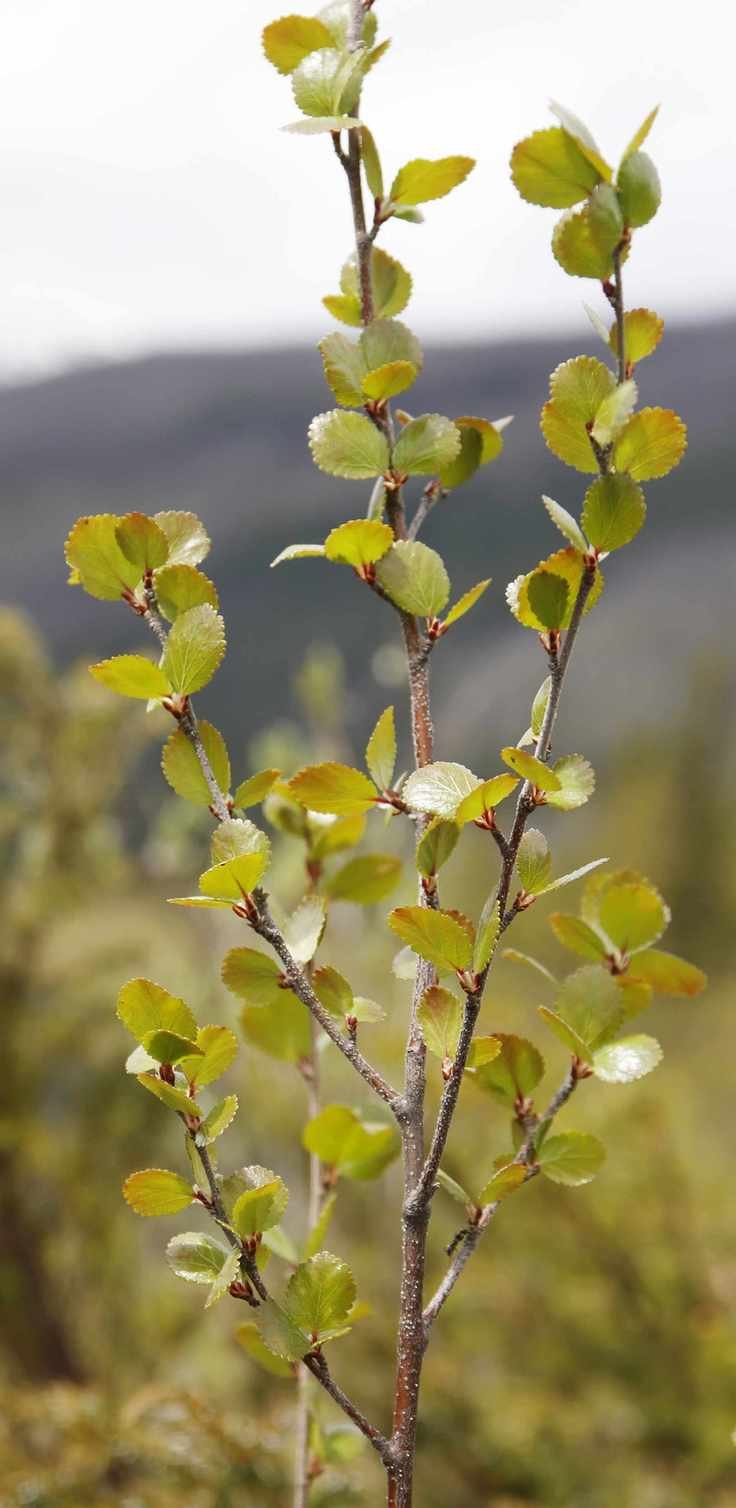
As the name implies, Bog Birch trees typically grow near bogs and wetlands, making them exceptionally resilient. They can endure 'clay soils, wet sites, occasional flooding, and even road salt,' states Sharon Yiesla, plant knowledge specialist at Morton Arboretum.
While it grows more like a shrub than a tree, the Bog Birch can still reach heights of 8 feet, making it one of the best options for privacy and screening.
How to Identify a Birch Tree?
The simplest method to identify a birch tree involves examining its bark. First, observe the color — is it white, yellow, red, or darker? This will narrow down your options. Next, feel the texture — is it peeling or smooth? Finally, examine any markings: are there lines? Are they long or short, thin or thick, dark or light? Together, these characteristics will assist you in identifying your birch tree.
Where Do Birch Trees Thrive Best?
Birch trees flourish best in full sunlight with some afternoon shade. Most prefer moist yet well-drained soil, although certain varieties, like the River Birch, are more tolerant of heat and drier conditions.
Birches adapt fairly well to various soil types, but always check the label for your specific tree, as there are subtle differences. 'Unfortunately, many birch trees are planted in unsuitable environments where they fall victim to insect pests. So, select a birch that suits your conditions and look for varieties resistant to the harmful birch borer,' advises Melinda Myers.


