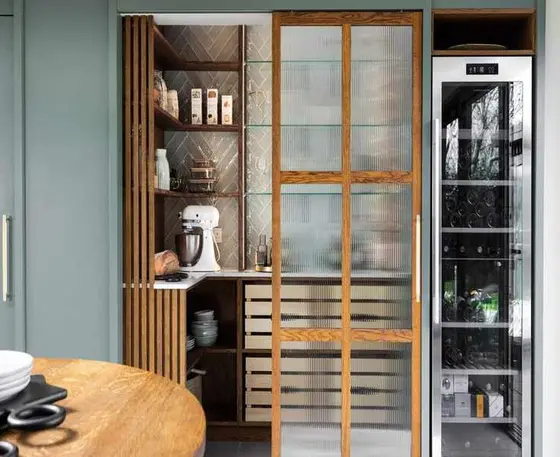
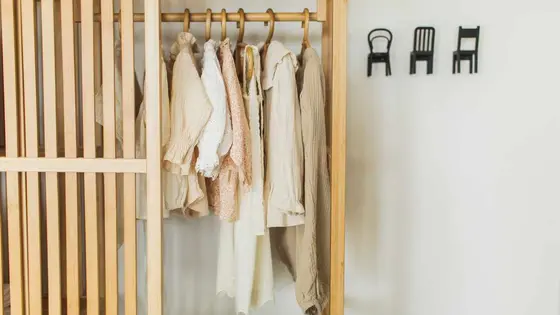
Transforming an empty room into a craft room is exciting, but keeping it organized is essential for nurturing your creativity. A cluttered space can stifle inspiration, making it hard to dive into your favorite projects.
Craft rooms often become chaotic due to the multitude of supplies needed for various hobbies—ranging from sewing materials to art tools. Neglecting organization can lead to stress and discourage you from enjoying your crafts.
Here are expert tips on how to organize your craft room and keep it in excellent condition.
Organizing Your Craft Room
To organize effectively, allocate specific spaces for everything you need. Before buying storage solutions, clarify how you plan to use the room and list required items, including work surfaces, seating, and supplies.
Go through your existing items and restock anything running low. Be ruthless—keeping a streamlined space is vital for creativity. Professional crafter Tisa Jackson suggests donating any excess tools or materials you don't use regularly.
1. Arrange Items by Usage Frequency
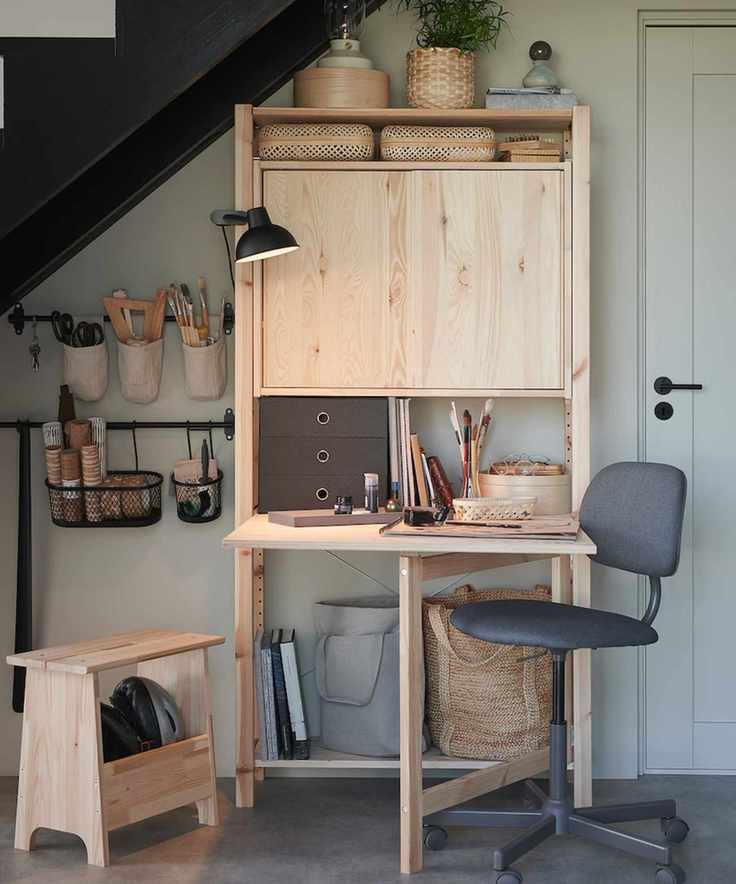
Since hobbies require various tools, it's crucial to store less frequently used items in less accessible areas. Group items based on how often you utilize them. Professional organizer Ben Soreff of House to Home Organizing recommends keeping backup supplies in a remote location, like a basement.
Shantae Duckworth, founder of Shantaeize Your Space, advises that frequently used items should be stored together in designated areas to streamline access.
2. Group Similar Items Together
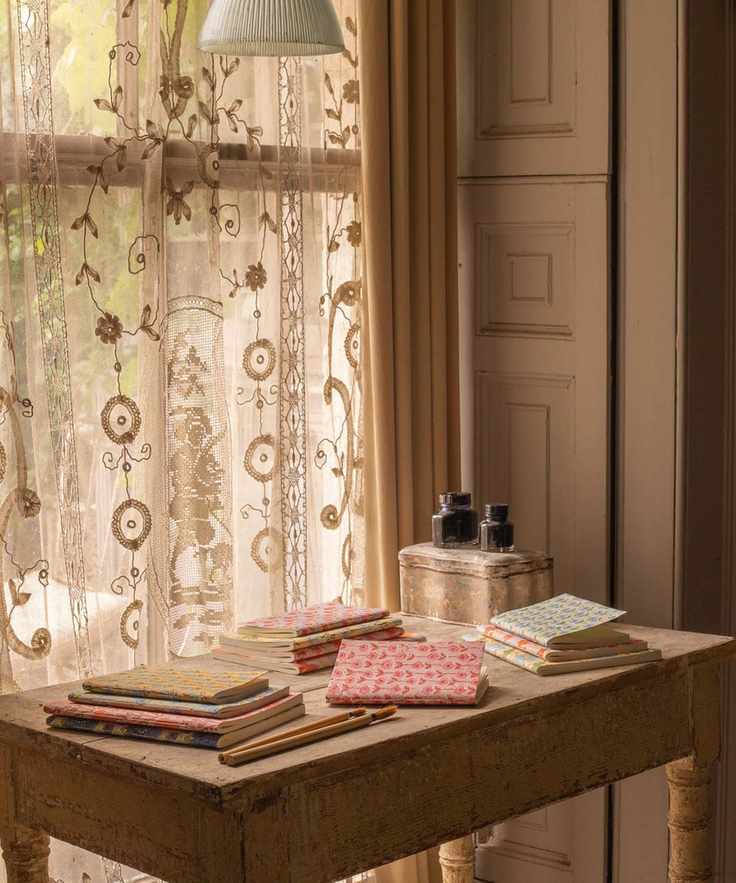
There's nothing worse than interrupting your crafting to find basic supplies like scissors or tape. Sarah Grant from Be.neat Studio suggests keeping related tools together for easy access, whether it's for scrapbooking, knitting, or painting.
Once you've categorized your supplies, determine the best storage method. Jennifer Lindsey from Inspired Wraps prefers using jars for small items like buttons and a drawer for slightly larger tools.
3. Use Rolling Carts
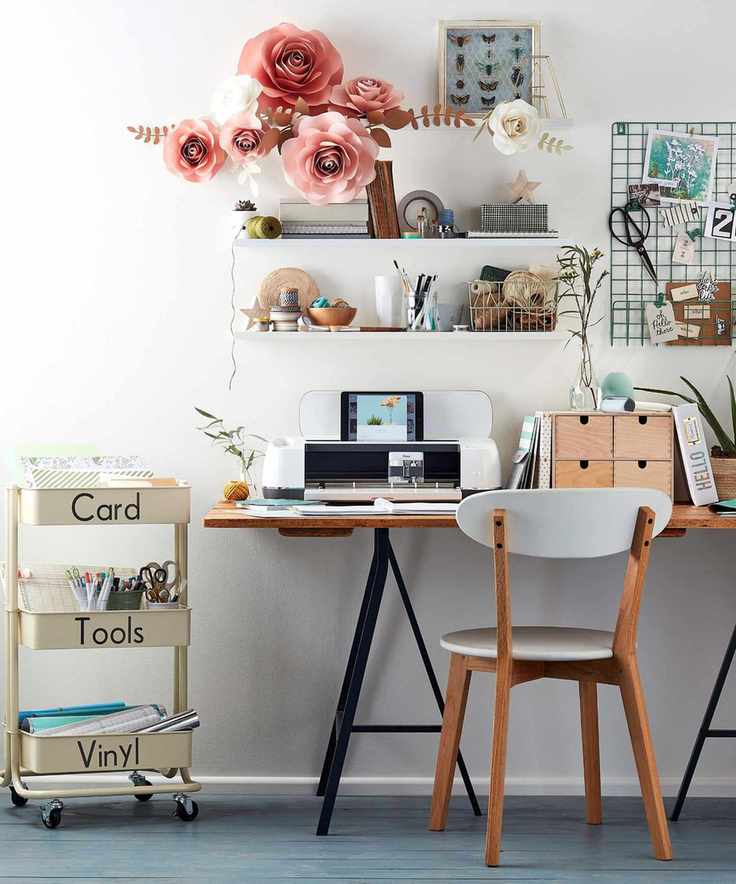
Moving supplies around is often necessary while crafting. Ben suggests using wheeled carts for frequently accessed items, which can be easily tucked away when not in use.
Storage Drawer Cart: Perfect for small tools and paper crafts.
Amazon 3-Tier Cart: Offers three spacious baskets for organized craft supplies.
Diego 6 Drawer Storage Chest: Durable and mobile, ideal for various crafting needs.
4. Design a Functional Layout
Your craft room should prioritize functionality over aesthetics. Plan zones for different tasks like cutting and assembly, ensuring related supplies are conveniently nearby. Avoid overcrowding the room for better mobility.
Position desks away from walls to create additional storage space and alternate views. Before purchasing new furniture, assess your actual needs to avoid impulse buys.
5. Label or Color-Code Storage Bins
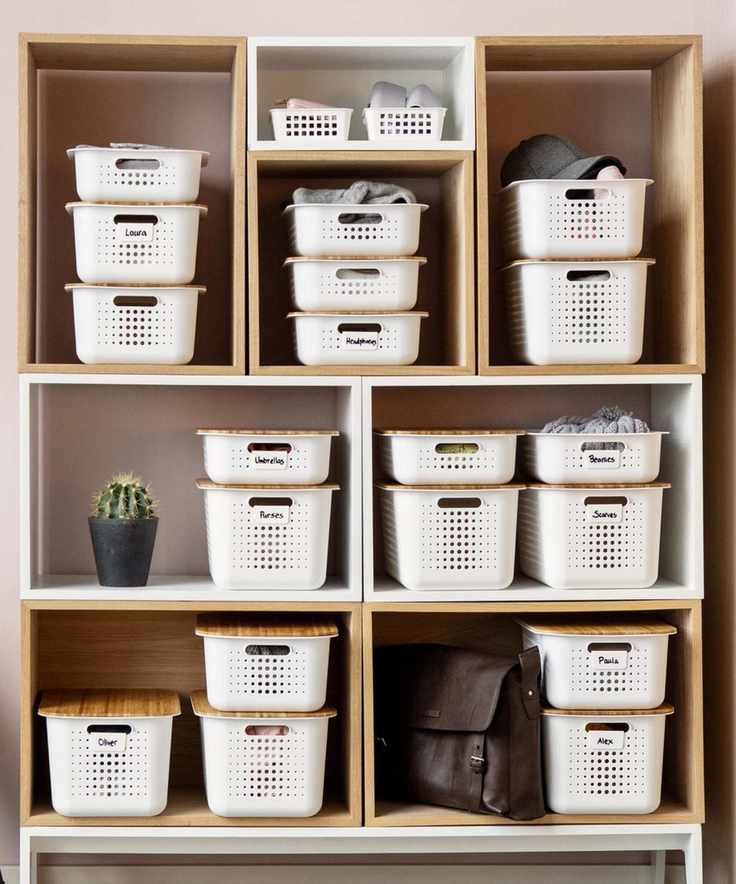
Using transparent storage bins helps keep everything organized. Shantae recommends labeling bins clearly to facilitate easy access to supplies without rummaging.
Color-coded labels can enhance organization and help maintain a tidy workspace by keeping essential tools within reach.
6. Implement Lazy Susans for Tall Items
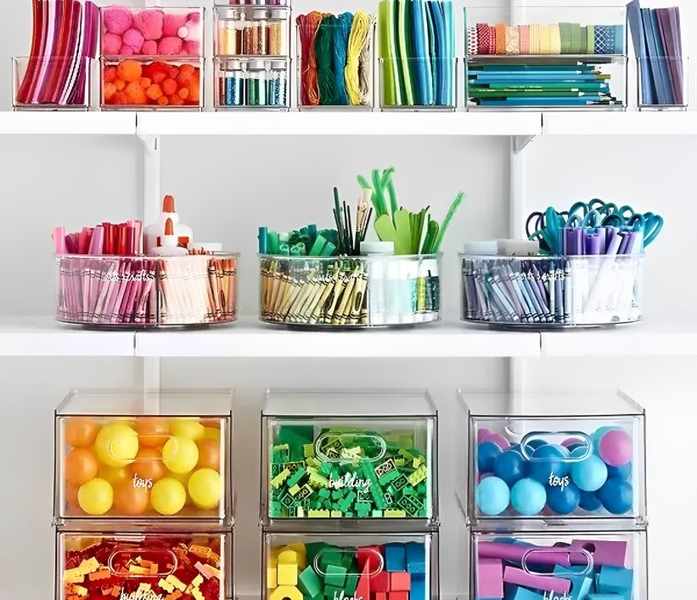
Lazy susans, popular in kitchens, are also fantastic for hobby rooms. They make it easy to access smaller supplies like paint pots and brushes without cluttering your workspace.
Organize similar items together, and consider using multiple lazy susans for different categories. They fit well on shelves or within cupboards.
7. Maximize Vertical Space
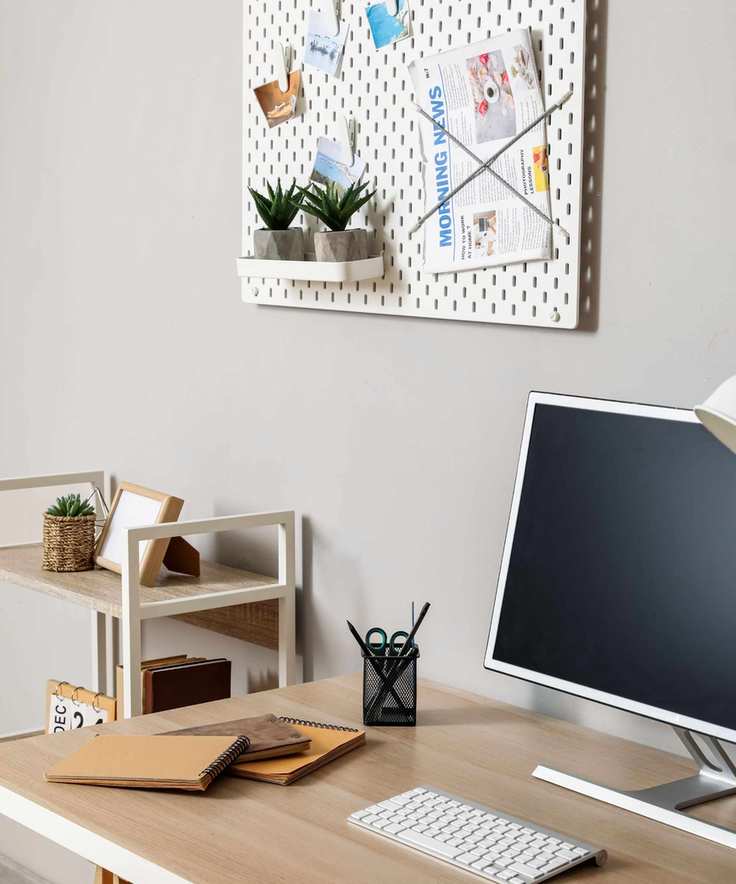
Utilizing wall space is crucial for smaller rooms. Cori McDougald of Meat & Potatoes Organizing suggests wall-mounted shelves, pegboards, and hooks to keep surfaces clear.
Shantae agrees and recommends tool caddies for frequently used items. This approach enhances productivity and keeps your workspace organized.
8. Select Multi-Functional Furniture
When furnishing your craft room, choose pieces that serve multiple purposes. Shantae notes that worktables with built-in storage can save space.
Ensure ample surface area for projects, as lacking table space can hinder creativity. A cozy nook for enjoying downtime or reading about your hobby is also a great addition.
9. Invest in Hobby-Specific Storage Solutions
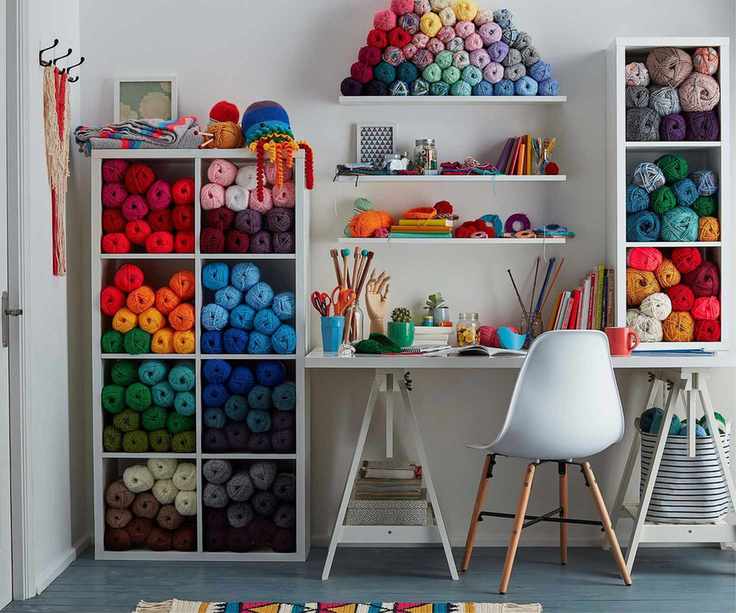
Every hobby has unique storage needs. Cori suggests tailored solutions, such as padded cases for photography gear or project-themed organizers for crafts.
Shantae adds that researching options specific to your hobby can enhance organization and protect supplies.
10. Create a Display Area for Your Work
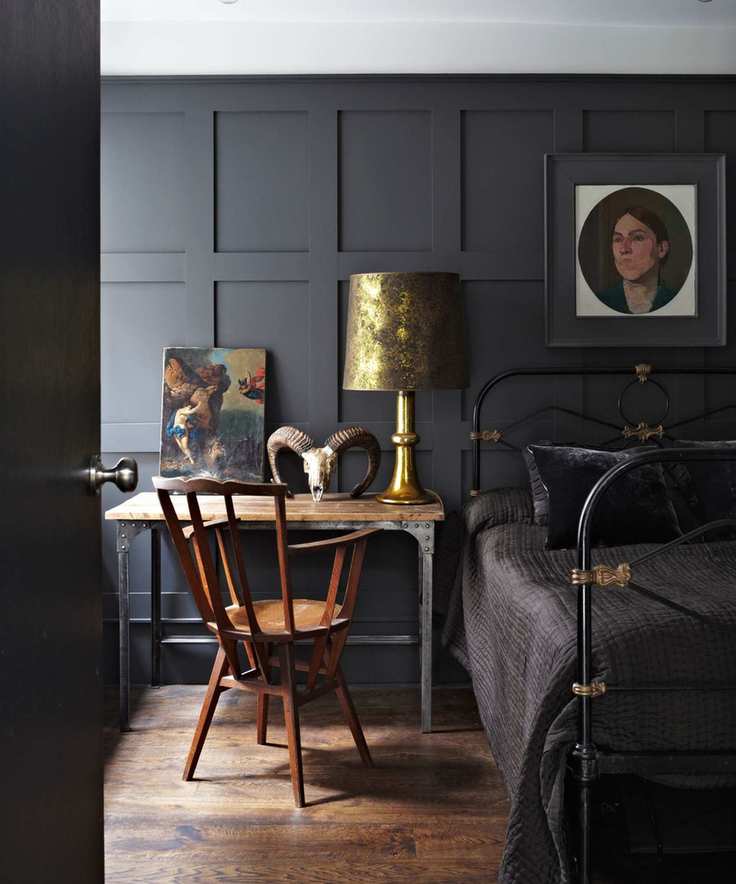
Don't forget to allocate space for displaying your creations. Sarah Grant emphasizes the importance of showcasing your work, whether finished or in progress, to inspire further creativity.
Thoughtful displays can enhance the décor of your craft room while keeping it organized.
FAQs
How do you maximize space in a small craft room?
Creativity in storage is key for small craft rooms. Utilize walls and doors with shelving and pegboards, and consider storage solutions that fit under desks.
How do I keep my craft room tidy?
The initial organization may require significant effort, but maintaining tidiness is easier with consistent habits. Spend a few minutes after each session to declutter and schedule regular deep-cleaning sessions to evaluate supplies.
According to experts, a clutter-free space fosters creativity. Establishing a daily tidying routine can significantly improve your crafting experience.