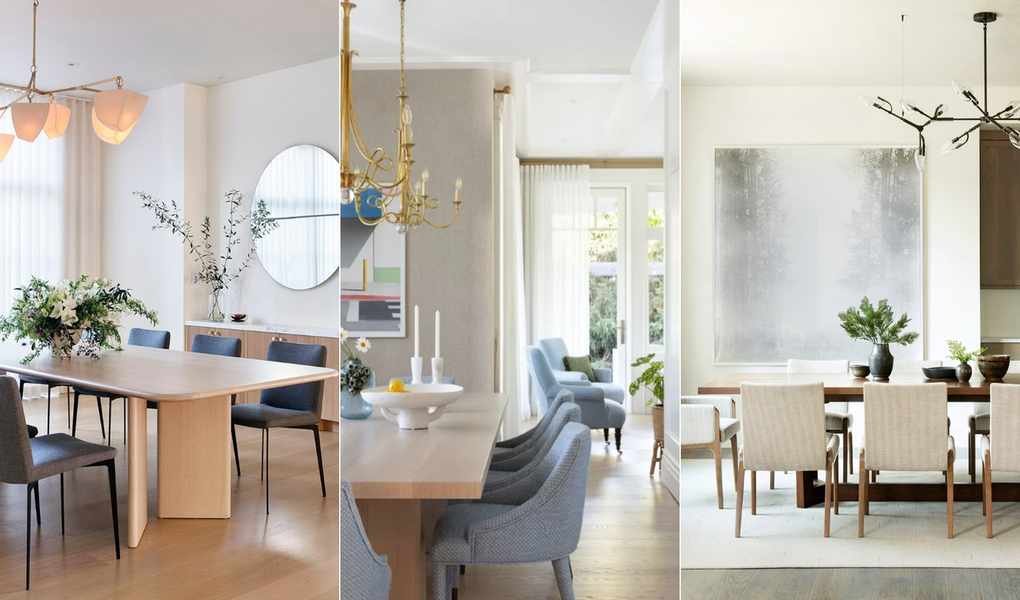
If you aim for a chic dining area, certain items should be kept out. Interior design experts have identified several common elements that disrupt the aesthetic of these spaces.
These pieces can make your dining room feel outdated or uncomfortable, impacting the atmosphere for you and your guests. It's crucial to identify these decor offenders and find better alternatives.
So, what should you avoid? Here are ten items that designers advise against for a stylish dining room.
10 Items to Exclude from Your Dining Room
For a refined dining experience that welcomes both family and friends, certain elements simply don't belong. Here's a rundown of what to avoid, along with their reasons.
1. Matching Furniture Sets
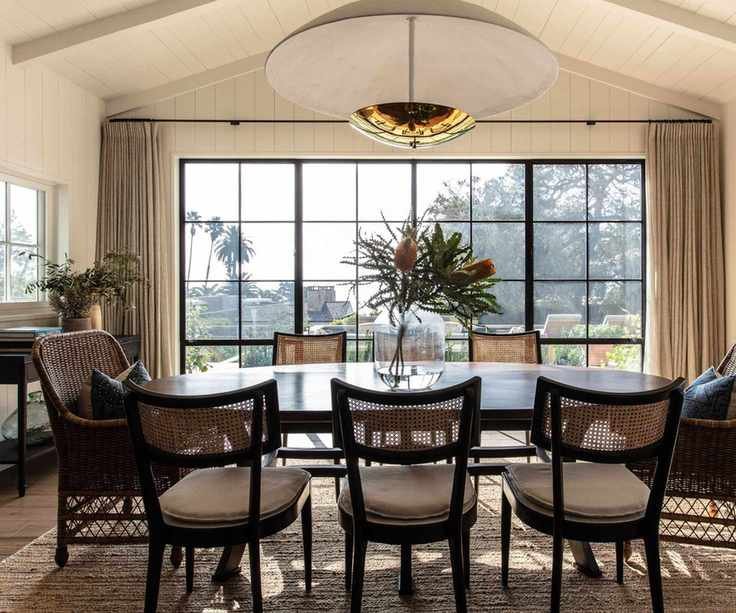
While buying a complete set may be convenient, it often leads to a bland ambiance. Interior designer Leigh Spicher notes that uniformity can dull a dining space.
She suggests, 'Instead of matching everything, consider mixing materials. For example, pair a wooden table with metal or upholstered chairs for a harmonious look.'
Joyce Huston, co-founder at Decorilla, echoes this sentiment. She believes varied pieces bring character and vibrance to dining areas, making them more inviting.
2. Oversized Family Portraits
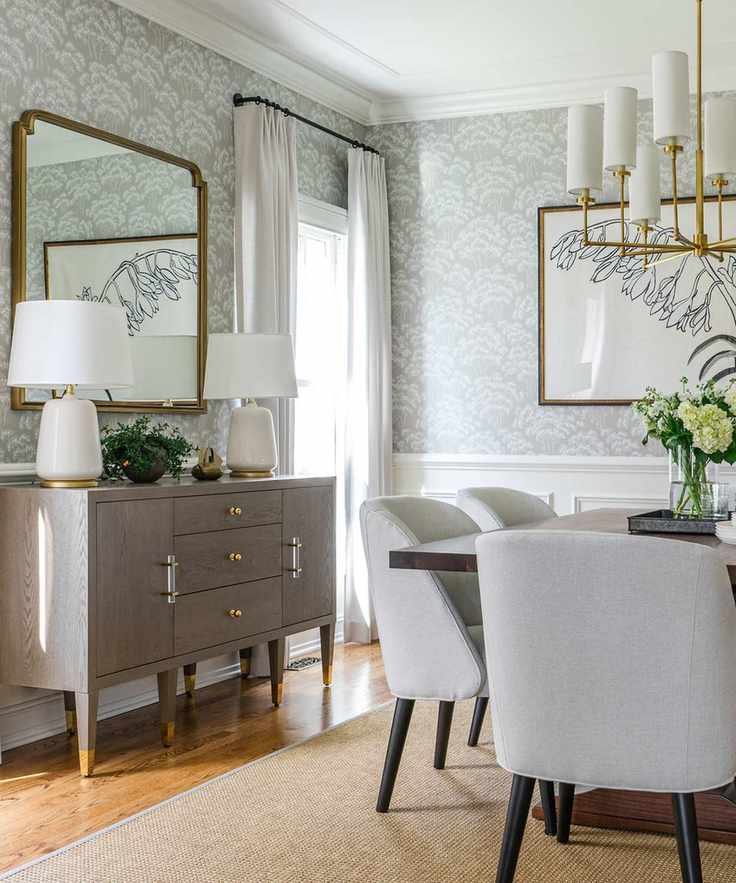
While family photos have their charm, they may not be suitable for dining rooms, according to Jessica Moran.
She advises showcasing art instead, as large family pictures can feel too personal and might unsettle guests. Opt for pieces that complement your design.
3. Artificial Plants
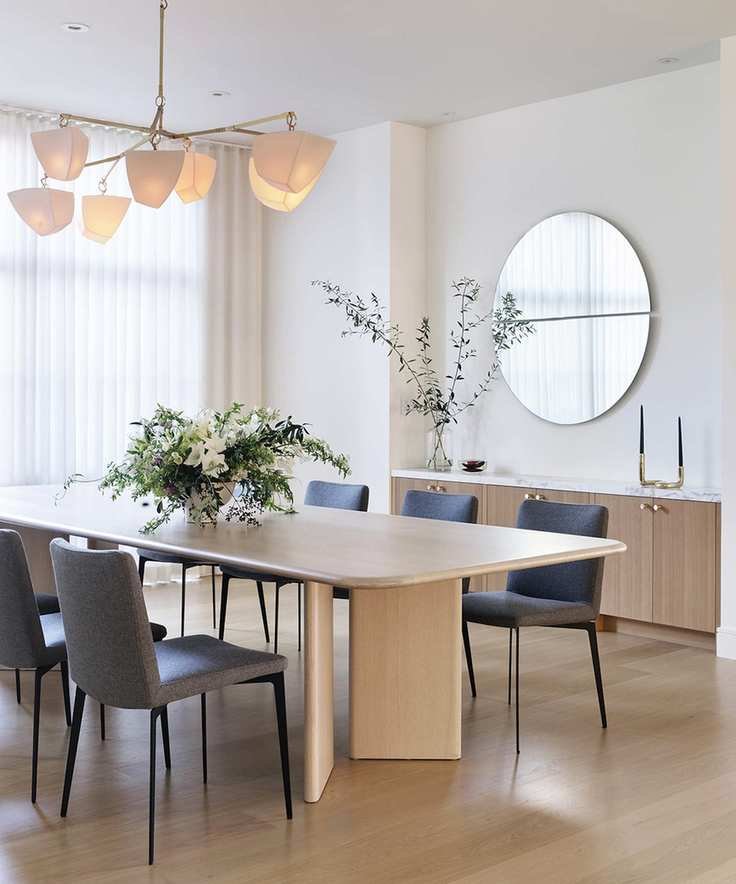
Interior designer Jennifer Jones recommends real greenery over fake. Artificial plants can look tacky and attract dust.
Real plants, however, breathe life and color into your dining space.
4. Randomly Mismatched Chairs
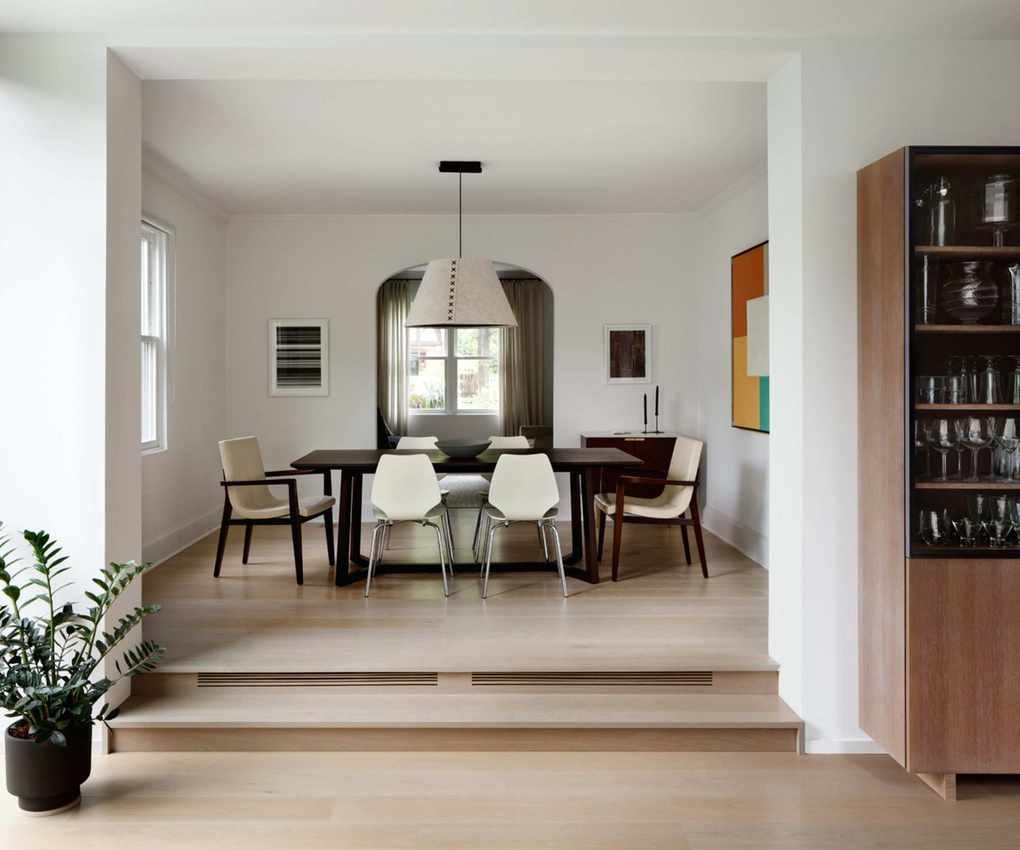
While variety can add interest, mismatched chairs must feel intentional. Victoria Holly advises ensuring that different chairs maintain a cohesive look.
Mixing without consideration of style or proportion can disrupt the harmony of the dining area.
5. Office Desks or Supplies
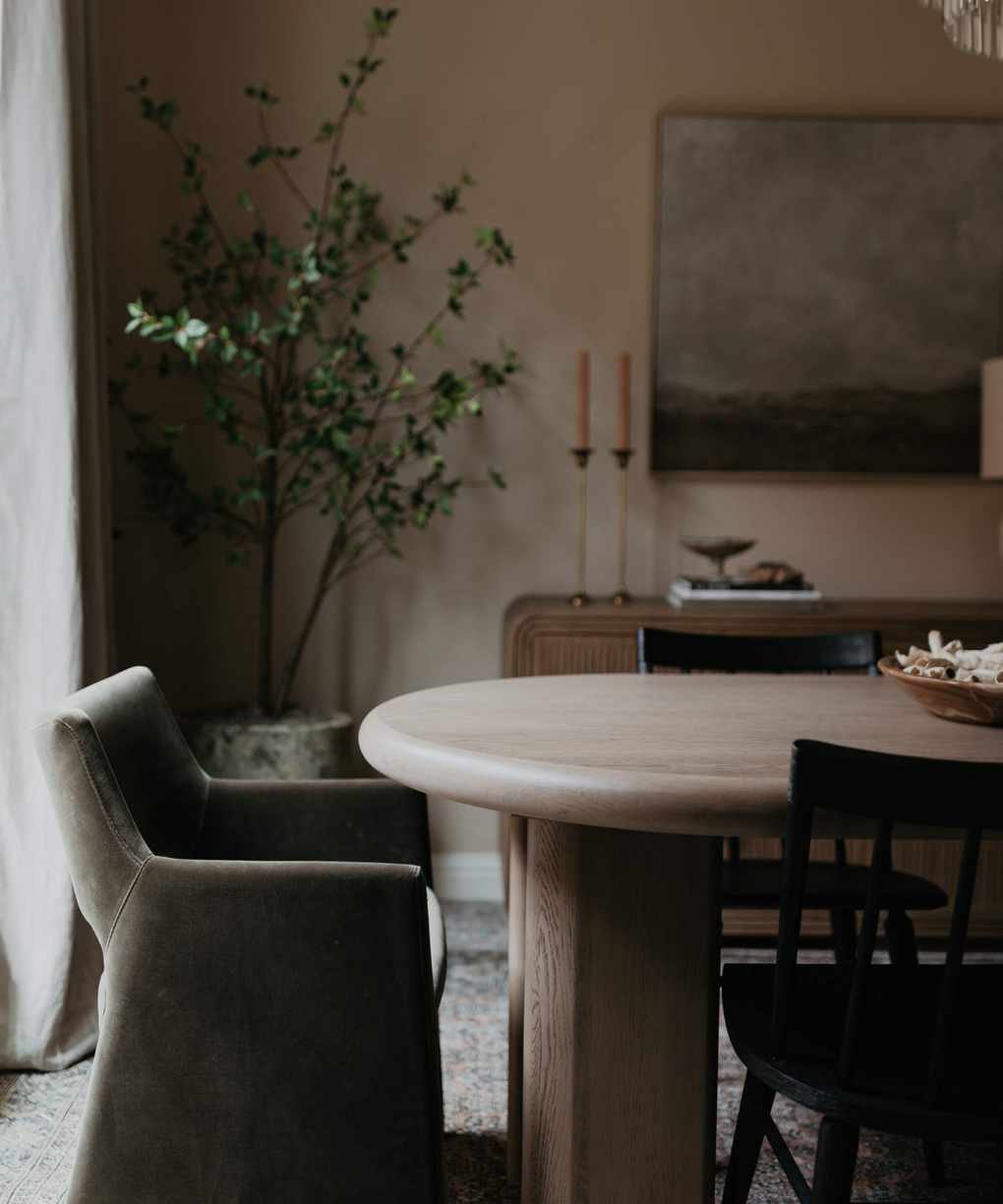
If your dining room doubles as a workspace, do so carefully. Alan Berman warns that visible office items can clutter the space.
Consider discreet storage options and keep work essentials out of sight during meals.
6. Televisions
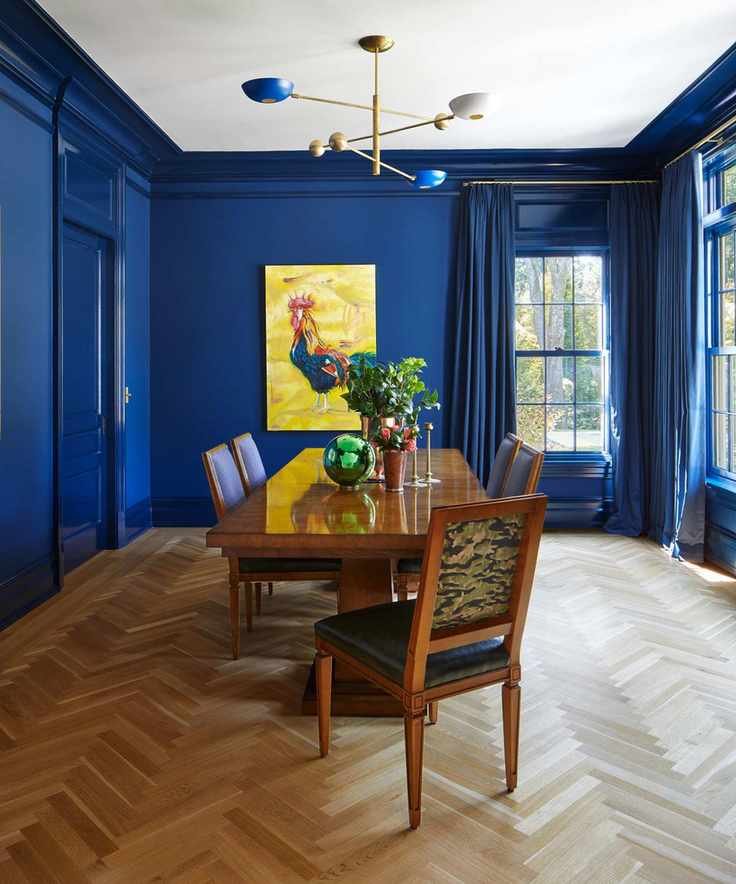
To foster quality interactions, Joyce Huston advises against having TVs in dining rooms. They distract from meaningful conversations.
Dining spaces should evoke connection, not compete with screens.
7. Cluttered China Cabinets
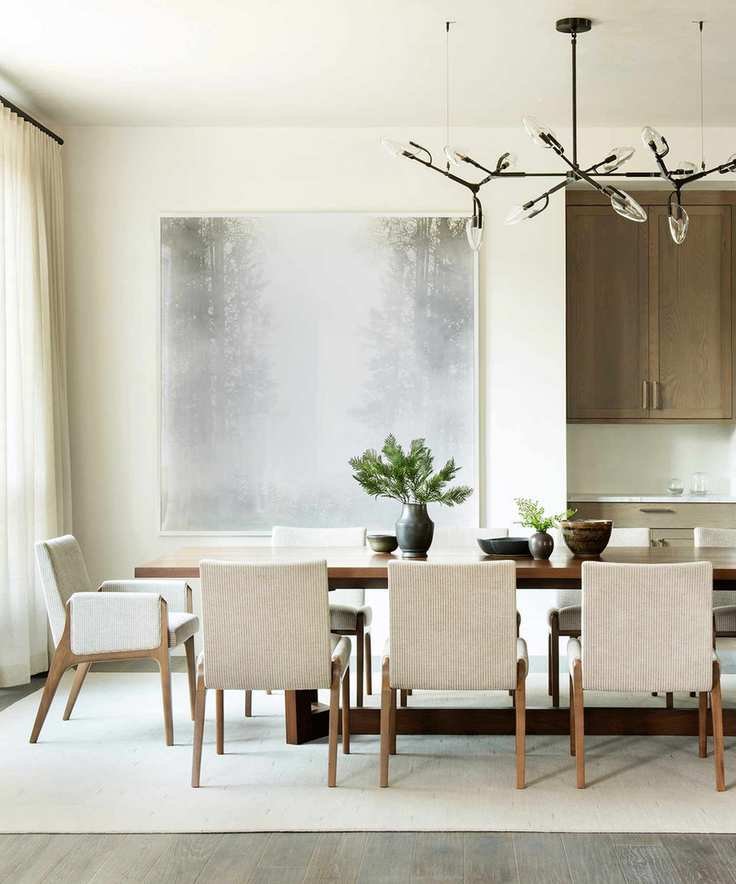
While displaying items can be tempting, avoid overstuffed cabinets. Jennifer Jones suggests that excess trinkets can create a cramped atmosphere.
Showcase selectively to maintain a tidy appearance.
8. Oversized or Dark Rugs
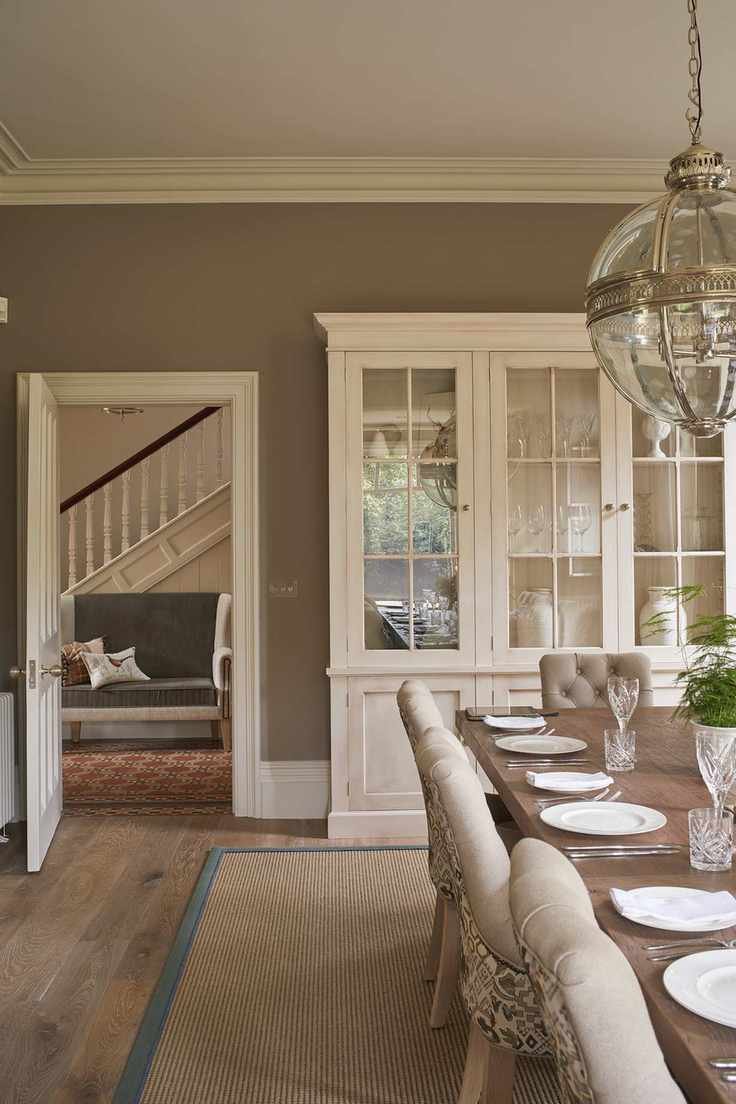
Rugs play an important role in design, but size matters. Victoria Holly warns against rugs that overwhelm the space.
The right size allows for chair movement without feeling cramped. Lighter, low-pile rugs are preferable for maintaining openness.
9. Bulky Furniture
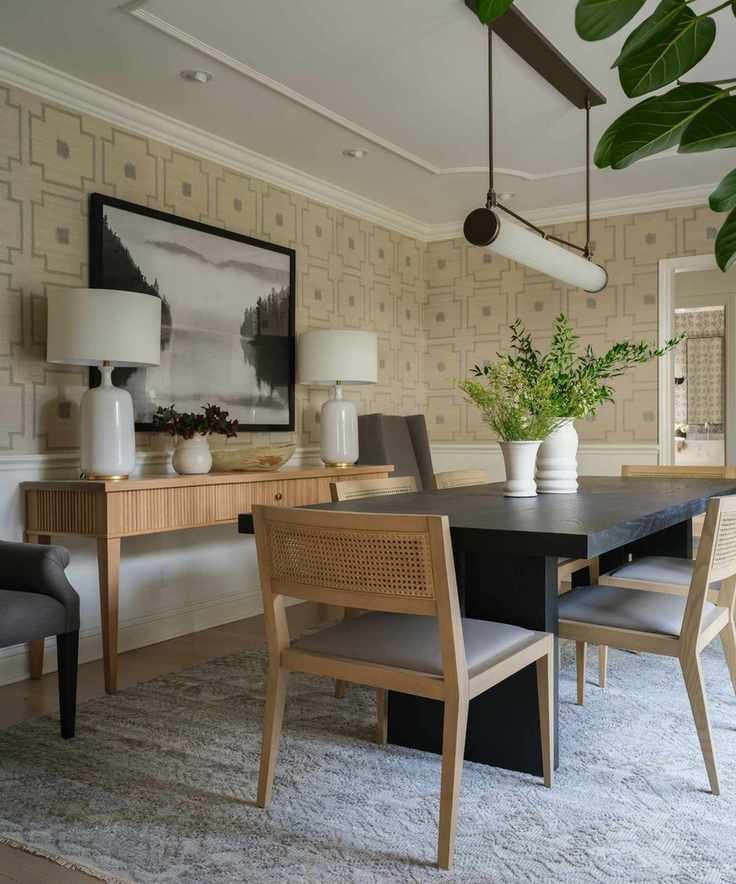
Some furnishings simply don't belong in dining areas. Alan Berman notes that large sofas or heavy chairs can disrupt flow.
Instead, choose lighter, sleeker options that promote easy movement and access.
10. Unnecessary Items
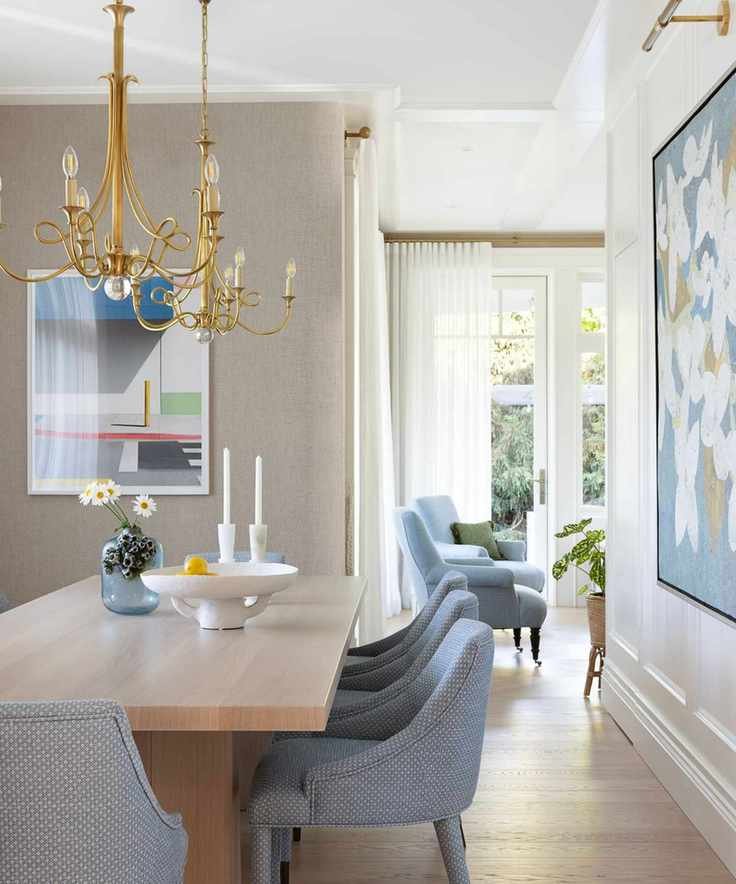
Avoid clutter by keeping non-essential items out of your dining room. Victoria Holly emphasizes that this space should focus on dining-related elements.
Utilize nearby storage to keep the dining area free from distractions.
To maintain a purposeful dining room, it's essential to avoid items that overwhelm the space. Prioritizing comfort and socialization will keep your dining area inviting and open.