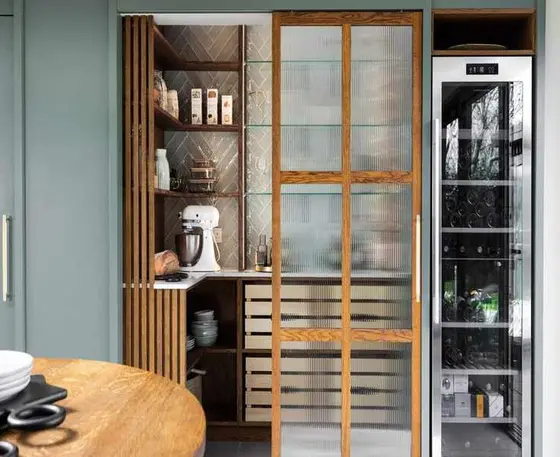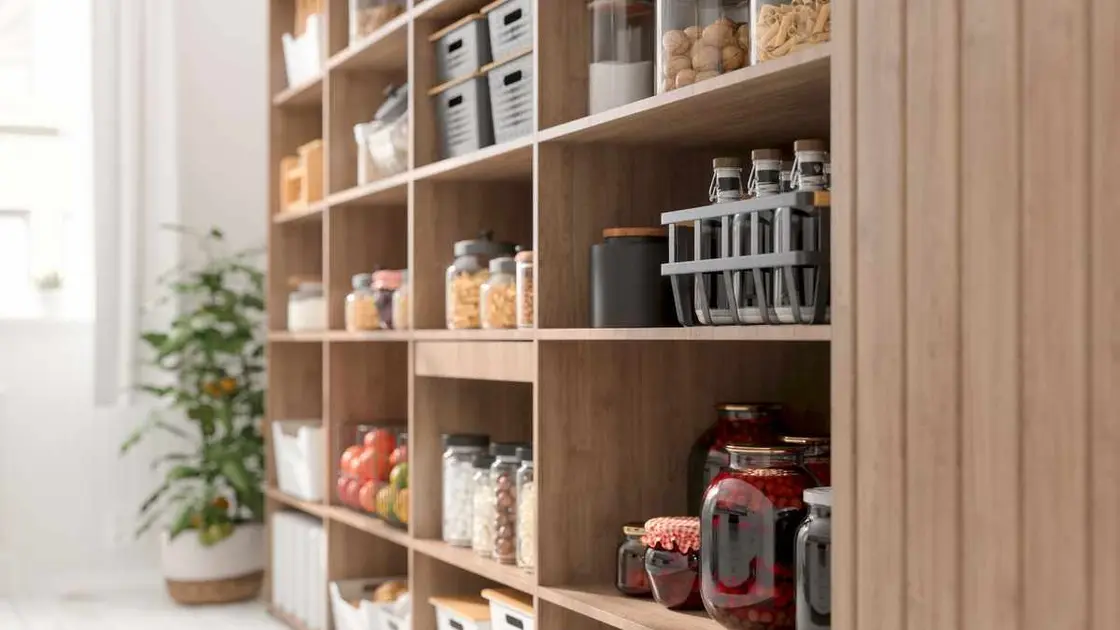
Buying in bulk is a smart and economical choice, especially for items you frequently use. However, effectively organizing your home after making these purchases is crucial to avoid clutter and keep track of your supplies.
Finding suitable storage solutions can be challenging, particularly in smaller spaces. Establishing a solid plan before heading to the grocery store can prevent over-purchasing and waste.
From stylish pantry organization to smart ways to store cleaning supplies and other household essentials, our experts share their best advice, along with some zero-waste tips for restocking your pantry in the future.
Effective Home Organization After Bulk Buying
While taking advantage of bulk buying is great, it’s important to remain mindful of how much you bring home, especially if your pantry is limited.
1. Assess Your Current Inventory
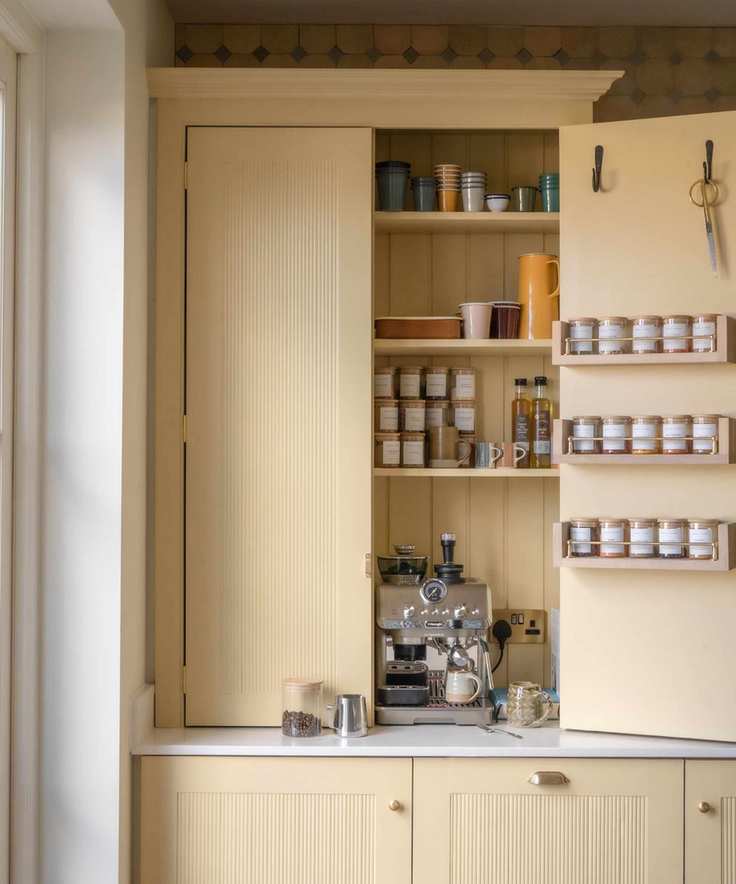
For even the most seasoned bulk shoppers, entering the store without a clear strategy can lead to problems. It’s fantastic to save money on frequently used items, but if you lack the space for excess stock, you risk a messy home and potential waste.
“Before heading out, inventory what you already have and discard anything expired. Determine how much space you’ll need for new items. I like to set 'space limits'; when that area is full, I know it’s time to stop buying, no matter how appealing the deal is,” advises Gabriella Dyson, an organizational expert.
2. Sort Items into Clear Bins
Similar to organizing a pantry, categorize your bulk purchases based on their function and place them in clear, labeled containers.
“This keeps everything tidy and makes it easier to find what you need, plus you can quickly see when you’re running low,” states Michelle Urban, a professional organizer.
Use broad categories like ‘laundry supplies’ or ‘pantry essentials’ instead of specific brands. A simpler system increases the likelihood of maintaining it and adapts to changes in your shopping habits.
3. Create a Centralized Storage Space for Extra Supplies
If possible, designate a specific area in your home for all surplus items. This could be a cabinet in your kitchen, utility room, or pantry for overflow goods.
“Choose a temperature-controlled area to avoid issues with humidity; a dehumidifier can help keep moisture at bay, ensuring your items are safe for long-term storage,” suggests Lauren Saltman, an expert in home organization.
4. Be Strategic About Storage Locations
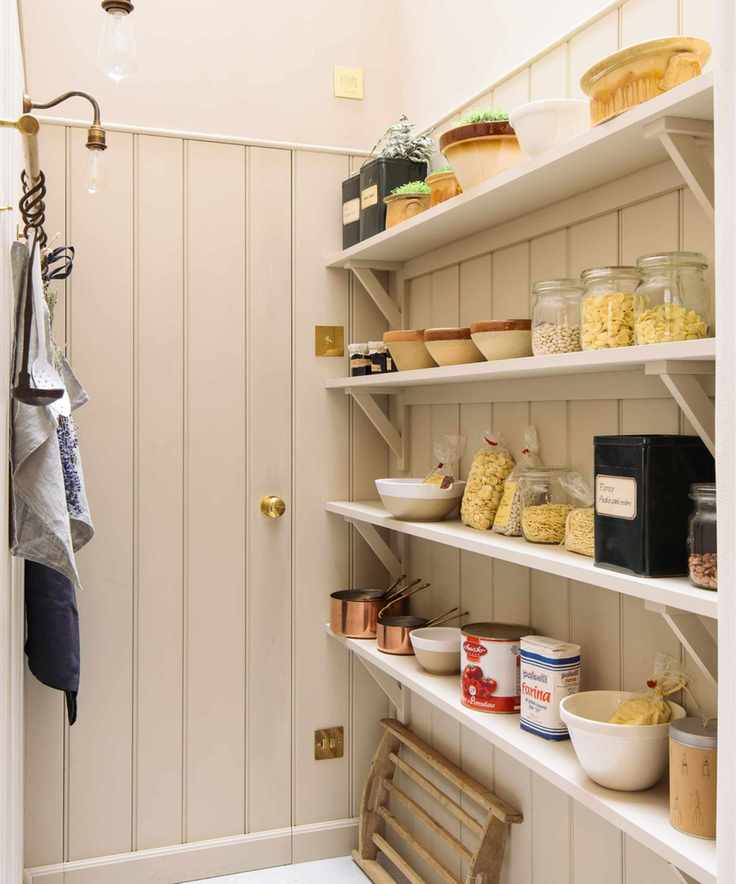
Depending on your space and bulk-buying habits, you might need multiple storage locations throughout your home. Assign specific storage spots for similar items based on their use.
“Just because there isn’t an obvious spot for extra supplies doesn’t mean there aren’t options. Consider under-bed storage, baskets on top of cabinets, or stackable drawers in closets,” suggests Michelle.
5. Minimize Bulky Packaging
To save space, remove and recycle unnecessary packaging when possible. Transfer items into airtight containers, like the OXO Good Grips POP 5-Piece set. This not only keeps food fresh but also makes it easier to find what you need while allowing you to monitor your stock levels.
6. Label Everything Clearly
“Labeling shelves and containers with their contents and expiration dates can eliminate the hassle of searching for what you need,” advises Michelle. This is particularly useful for items stored in opaque containers or high-up spots.
Since preferences might change, using chalkboard label tape can help you easily update your system without needing to replace entire containers.
7. Adopt a First In, First Out (FIFO) Approach
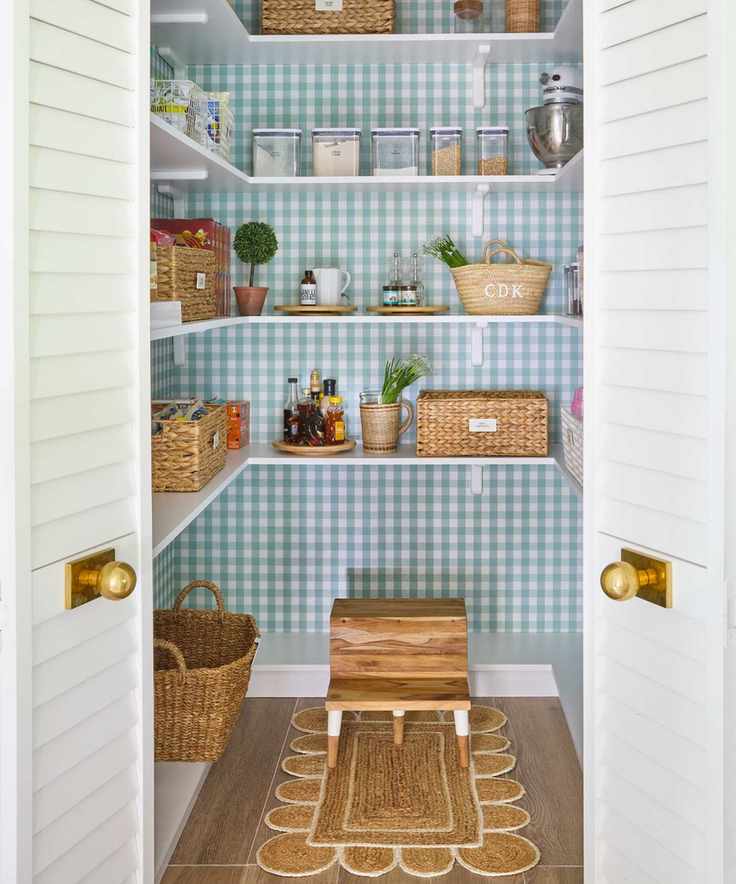
“Be vigilant about expiration dates when storing your bulk items,” Lauren advises. “When storing perishables, place newly bought items at the back of your bin to ensure older items are used first.”
This method mirrors how supermarkets arrange food to minimize expiry losses and is a smart strategy to consider when organizing your refrigerator.
8. Maximize Your Freezer's Potential
While fresh fruits and vegetables typically fare better outside the fridge, you may need to utilize your freezer if you overindulged in bulk purchases. Portion out items so you can thaw the right amount each time.
Many fresh products, including milk, meat, and even leftovers from bulk meals, can be frozen. Use stackable containers or freezer bags, laying them flat to optimize space in a chest freezer.
9. Make Use of All Available Space
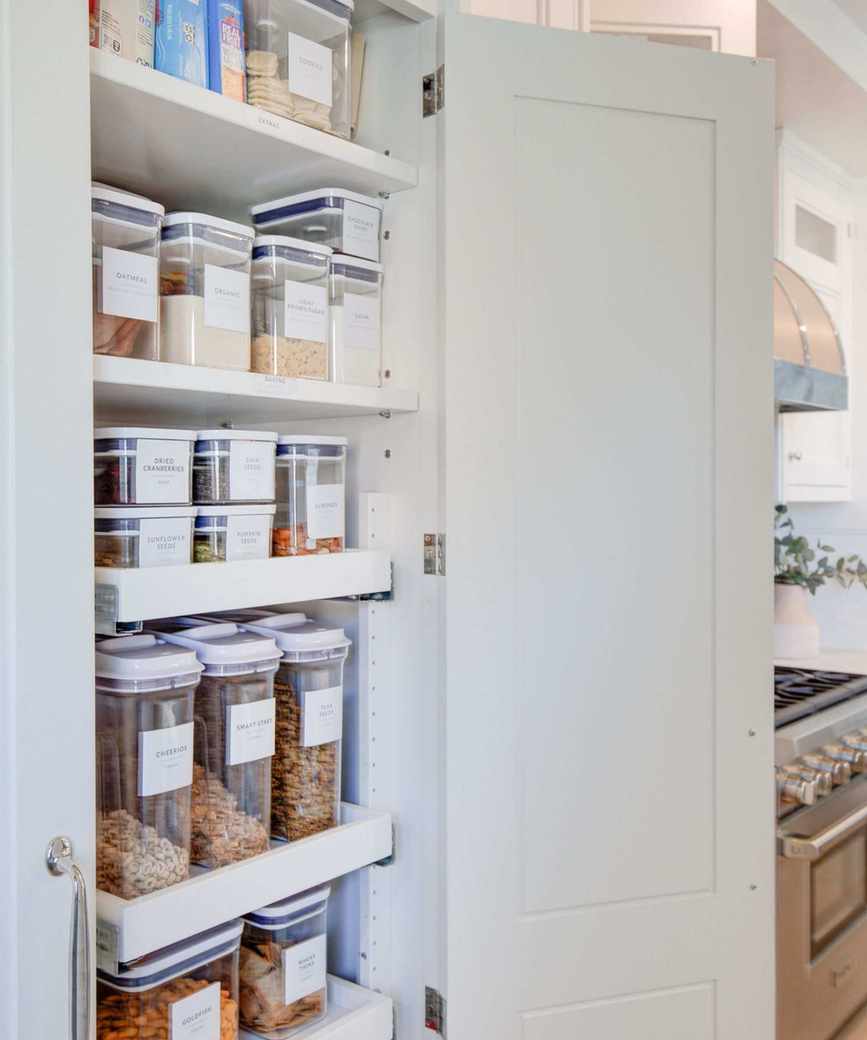
Investing in pantry organizers like carousels and risers can significantly increase your bulk storage capacity. “Using vertical space with shelves and stackable bins can free up valuable space in closets for daily-use items,” Michelle points out.
If you’ve exhausted vertical storage options, consider using the floor, but be discerning about what you place there to avoid attracting pests. Items that are securely packaged, like canned goods, are a safer choice.
10. Maintain a Running Inventory
“Keeping a simple list on your fridge or a digital spreadsheet of your supplies can transform how you shop and utilize your inventory. Update it regularly as you consume items and after your bulk shopping trips,” shares Michelle.
FAQs
What is the most effective way to store bulk food?
To prevent spoilage, an efficient storage system is key for long-term food storage. Choose a cool, dry area like a pantry or garage, and set up shelving units to maximize space. Transfer bulk-bin items into airtight plastic containers to keep them fresh and pest-free. Organize fresh produce for immediate use and freeze the rest in manageable portions.
Implement the FIFO method for all food storage, ensuring that items with the closest expiration dates are easily accessible.
Understanding how much you can fit in your home is essential for creating a sustainable bulk-buying system. So, make a list and stick to it!