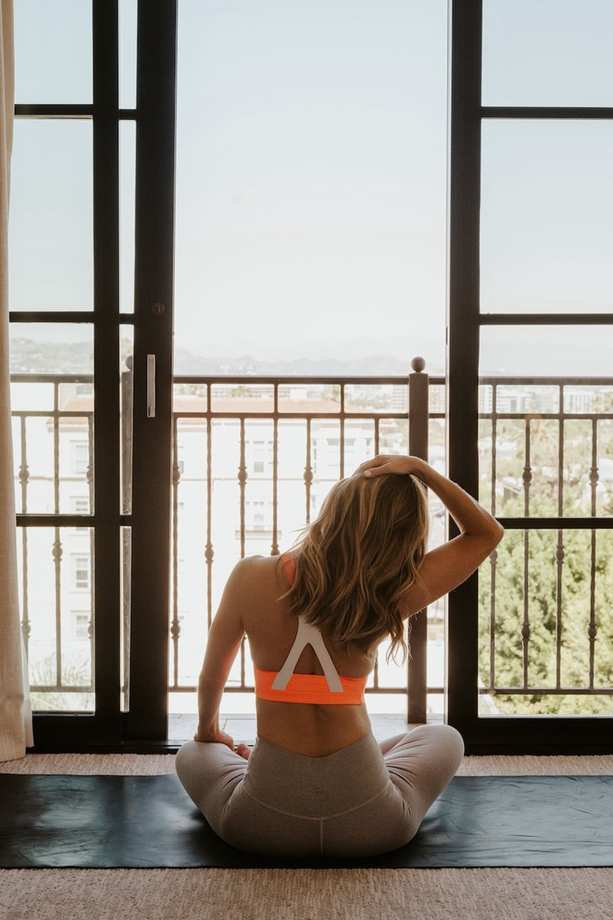
Combining breathwork, movements, and postures, yoga taps into the “mind-body connection,” providing a mental boost whenever practiced together. Regular practice can help balance your body's stress response. If stepping into a yoga studio feels daunting, don’t fret. Our expert, Kate Waitzkin, shares simple poses to relieve stress and initiate your yoga journey.
Featured image from our interview with Inge Theron by Teal Thomsen.
- Yoga and Stress Relief: A Perfect Match
- Reclined Bound Angle
- Reclined Twist
- Child's Pose
- Supported Downward Facing Dog
- Wide-Legged Forward Fold
- Half Pigeon
- Sphinx
- Standing Forward Fold
- Legs Up the Wall
- Supported Deep Rest (Corpse Pose or Savasana)
Kate Waitzkin is a yoga and meditation instructor, writer, and essential oil educator based in Austin, Texas. She teaches in her home studio, The Shala, and launched The Shala Online in 2020, offering both live and recorded sessions. She also conducts a virtual workshop series called The Ritual Practice.
Yoga and Stress Relief: A Perfect Match
Today’s fast-paced world bombards us with stimuli, often leading to stress levels beyond what we can manage. Long-term stress can have serious effects, like inflammation, digestive issues, headaches, and muscle tension. Establishing a consistent yoga routine can significantly improve your stress management.
Regular practice can lower heart rates, blood pressure, and breathing rates, helping you navigate daily micro-stresses more effectively.
Below, Kate outlines ten poses that can help soothe your mind and body, making you feel more relaxed and happier. These can be practiced anytime—morning, evening, or during breaks at home. With consistent practice, you'll notice positive changes in stress and anxiety levels.
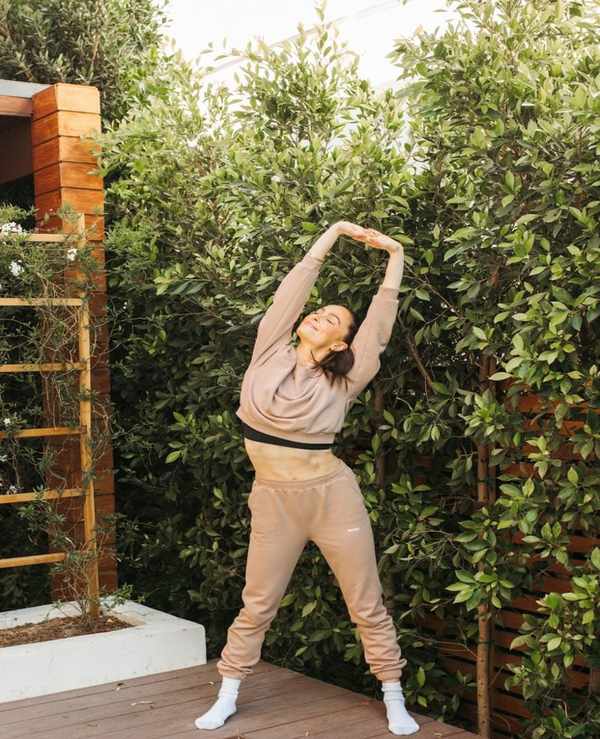
Reclined Bound Angle
Lie on your back in the center of your mat with knees bent and feet flat, hip-width apart. Place your arms alongside your body, palms facing up. Slowly bring the soles of your feet together, allowing your knees to fall outward. You may feel a stretch in your inner thighs; if there's discomfort in your groin or lower back, place a block or pillow under your knees for support. Breathe deeply for two to three minutes.
To exit the pose, use your hands to guide your knees together and place your feet back on the floor.
Benefits of This Pose
This posture opens the chest, abdomen, and pelvis while increasing hip mobility. Pairing this pose with deep exhales calms the nervous system.
Reclined Twist
From the previous position, draw both knees toward your chest as you exhale. Extend your arms into a T shape with palms up. Shift your hips slightly to the right and lower both knees to the left, resting them on the floor. Keep your shoulders flat on the mat. If your right shoulder lifts off, place a folded blanket under your legs for support.
Hold for a minute, then return to center and repeat on the other side.
Benefits of This Pose
This pose alleviates tightness in the back and sides, allowing for freer breathing. To exit, gently roll to one side and rise to a seated position.

Child’s Pose
Start on hands and knees. Bring your big toes together and widen your knees. Press back toward your heels, folding forward over your legs. If your forehead doesn't touch the mat, place a block or folded blanket beneath it. You can also use a blanket for added support between your seat and heels.
Extend your arms forward but allow your forearms to rest on the mat. Release your body weight into the floor, staying for ten deep breaths.
To exit, bring your hands outside your knees and gently press up to a seated position.
Benefits of This Pose
This pose gently stretches the lower back and may relieve shoulder and neck tension, allowing the mind to settle.
Supported Downward Facing Dog
Return to all fours. Position a block at chest height. Keep your knees under your hips and your hands slightly forward of your shoulders. Ensure wrist creases are parallel to the mat's edges, spread fingers wide, and press palms firmly into the mat. Tuck your toes and lift your hips into Downward Facing Dog.
Rest your forehead on the block, adjusting its height as needed to maintain a neutral neck. Press your thighs back and heels down. If there's lower back strain, widen your feet or bend your knees.
Focus on slow, deep breaths for one to two minutes. To exit, lower your knees and rest in Child’s Pose.
Benefits of This Pose
This pose opens the back body and may relieve upper back, neck, and shoulder tension. Resting your head on the block promotes a still mind.
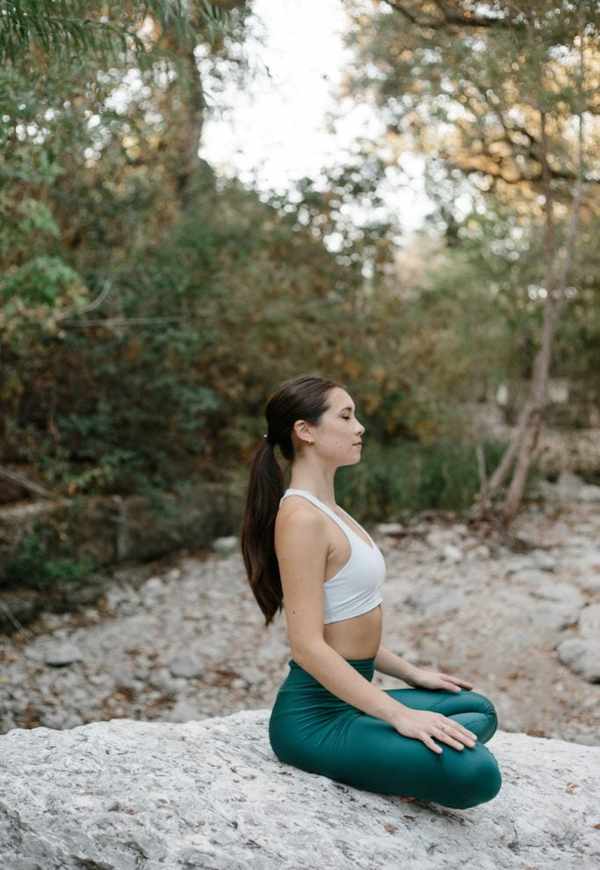
Wide-Legged Forward Fold
From Downward Facing Dog, step your right foot forward between your hands and turn your feet to face the left side of your mat, keeping them parallel to the short edges. Place hands under shoulders on the floor (or blocks). You can clasp your peace fingers around your big toes or hold your outer ankles and bend your elbows outward. Let your head drop toward the ground while lifting your shoulders away from your ears, keeping your neck long.
Remain here for 5-10 breaths before returning to a lunge with your right foot forward. Transition back to Downward Facing Dog, then lower your knees to Child’s Pose.
Benefits of This Pose
This pose enhances back mobility and may ease tension in the upper back, neck, and shoulders, fostering a calm mind.
Half Pigeon
From Downward Facing Dog, bring your right knee toward your right wrist, placing it behind and slightly to the right of your wrist. Lower your back knee down, adjusting your front shin as needed—either parallel to the mat or diagonal with your heel closer to your left hip. Ensure your back leg extends straight back.
Draw your left hip forward and your right hip back. If necessary, place a folded blanket under your right sit bone for support. As you’re ready, begin to fold forward, resting your forehead on a blanket. If discomfort arises in your front knee, exit the pose and try a Reclined Figure Four instead.
Stay for one to two minutes before returning to Downward Facing Dog. Repeat on the left side. To exit, return to Downward Facing Dog and rest in Child’s Pose.
Benefits of This Pose
This pose enhances hip flexibility and grounds your energy.
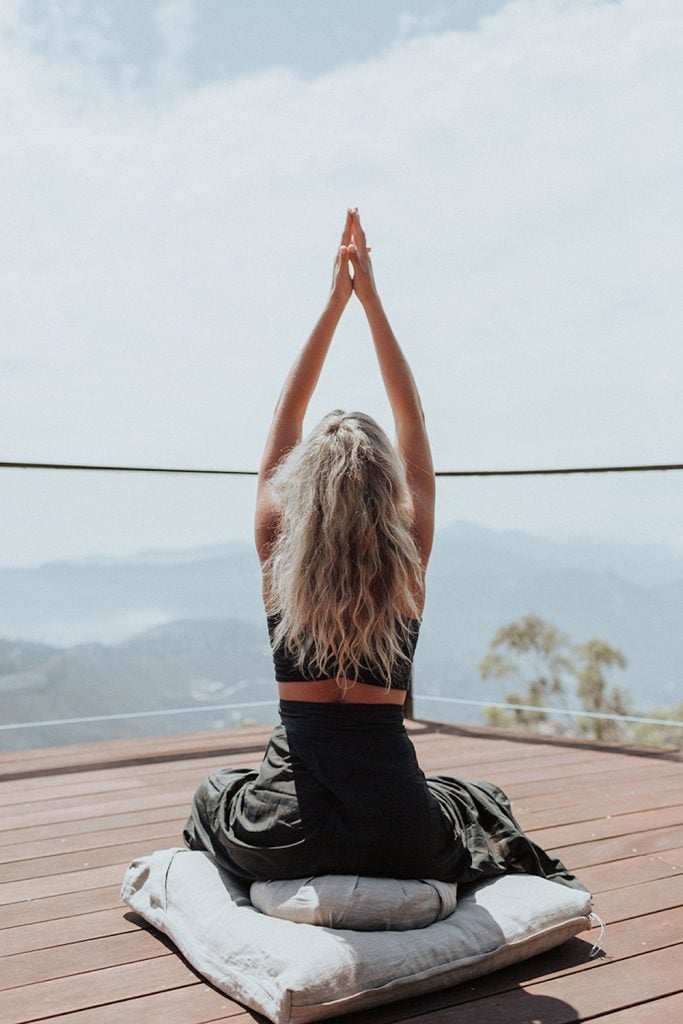
Sphinx
From Child’s Pose, move onto your belly and prop yourself on your forearms, aligning elbows under shoulders. Keep feet hip-width apart, pressing the tops of your feet into the mat while rolling your inner thighs upward. Lengthen your tailbone toward your heels for lower back comfort.
Hug your outer ankles inward and reach through your toes as you draw your lower belly upward. Slide your chest forward, softening your shoulders away from your ears while relaxing your neck and jaw.
Close your eyes and stay for 10 deep breaths. To exit, slide your elbows out, resting your right cheek on the mat, then transition back to Child’s Pose.
Benefits of This Pose
This pose opens the chest and stimulates abdominal organs, calming the nervous system through deep breaths.
Standing Forward Fold
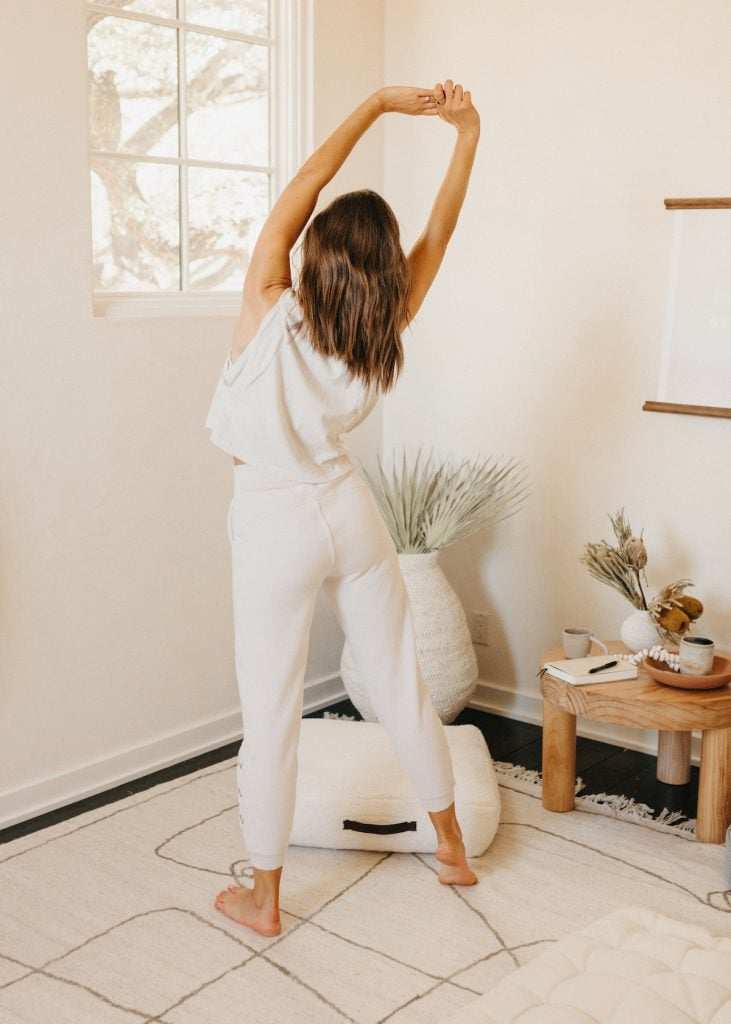
From Child’s Pose, move into Downward Facing Dog, then walk your hands toward the back of your mat. Position your feet slightly wider than hip-width apart and parallel to the edges of the mat. Bend your knees generously, allowing your belly to rest on your thighs. Keep your weight balanced across all corners of your feet, relaxing your hands on the floor or blocks with your head heavy, gazing softly between your heels.
Hold for ten deep breaths. To exit, place hands on hips, rise halfway on an inhale, pause for a breath, then stand fully on your next inhale. Drop your chin to your chest for a few breaths as you stand tall.
Benefits of This Pose
This pose may alleviate fatigue, enhance digestion, and quiet the mind.
Legs Up the Wall
Position a bolster or folded blanket about six inches from the wall, facing it. Sit sideways on the support with knees bent, then lean back onto your elbows while swinging your legs up. Your hips should rest on the bolster, and your sitting bones should be just over the edge. Gently tuck your chin in to maintain a long neck.
Stay here for five minutes or longer if comfortable. To exit, bend your knees and rest your feet on the wall, then roll to one side and rise to a seated position. Tip: This pose can be done with or without support; if unsupported, ensure your tailbone is grounded on the floor.
Benefits of This Pose
This pose calms the mind, alleviates tired legs and backaches, and promotes circulation.
Supported Deep Rest (Corpse Pose or Savasana)
Start by folding a yoga blanket or towel in half and rolling it tightly. Position the rolled blanket about two feet from the bottom edge of your mat. Lie back on your mat with the rolled blanket under your knees, legs slightly wider than hip-width, feet falling open. Place your arms alongside your body, palms up. If your head doesn't rest comfortably on the floor, use a folded blanket under your head.
Allow your jaw to relax and soften your forehead, focusing on your breath.
Stay for 5-10 minutes. To exit, bend your knees, bringing your feet to the blanket. Roll to one side and rest briefly before pressing up to a seated position. Take a moment to notice how you feel before gently opening your eyes.
Benefits of This Pose
This pose encourages deep relaxation, calming the mind, reducing fatigue, and alleviating stress-related tension.
30 Simple Delights to Add to Your June Calendar