
Did you know that many annoying pests, both indoors and outdoors, can be kept at bay by fragrances we enjoy? The good news is, most of these scents are natural and easy to incorporate into your living spaces.
From delightful floral essential oils for diffusers to charming pest-repelling plants, and natural insecticides replacing harsh chemicals, there's a variety of options to combat those pesky bugs.
We consulted pest control experts to learn about the scents we love that pests detest.
Scents That Common Pests Dislike – And Their Uses
These delightful scents can significantly deter garden pests when used in homemade bug sprays, citrus diffusers, or through planting herbs.
1. Citrus

Cleaning with lemon juice is popular, but it's also effective in repelling pests. This appealing aroma is known for its ability to ward off bugs.
Brett Bennett, pest control director, notes, 'Many insects dislike citrus scents. The strong lemon fragrance is particularly effective against mosquitoes. Essential oils and various candles or sprays can provide this scent.'
Besides lemons, using orange peels around patios is beneficial too. These peels contain limonene, a natural insect repellent that's safe for plants and animals.
Citronella shrubs are another excellent option. Jeremy Yamaguchi, CEO of a pest control service, says they are among the top natural mosquito repellents. 'Many commercial mosquito repellents include citronella oil, but growing these plants provides a constant deterrent.'
You can find citronella plants at Walmart and other local nurseries.
Rocky Beninato, a licensed exterminator, suggests boiling lemon or orange peels in water, then spraying the mixture in pest-prone areas. You can also mix citrus oil with water and vinegar for a cleaning solution.
2. Lavender

Cultivating lavender is another effective pest deterrent and supports pollinators. It can be planted in borders or in pots on patios.
Chrissie Handley, a lawn care expert, explains, 'Lavender's powerful scent can mask the aromas of other plants, keeping pests away while attracting helpful insects like butterflies and bees.'
If you face pest issues indoors, consider growing lavender indoors or drying its buds to create sachets for drawers, closets, or under furniture.
Lavender Essential Oil | Was $22.99, Now $19.65 at Amazon
A few drops of lavender essential oil can soothe your mind and enhance clarity.
3. Natural Insecticides

If you prefer store-bought pest control, consider 'natural insecticides,' which are gaining popularity for DIY lawn care due to their effectiveness and eco-friendliness. Mark Crames, CEO and chief perfumer at a fragrance company, recommends them.
Natural options are safe for your plants and, as they decompose, they reduce harmful chemical exposure in your environment. Plus, they often smell great!
We recommend Amazon's Mighty Mint insect and pest control, diatomaceous earth peppermint powder, effective against various bugs, including roaches.
4. Cedar

If you want to eliminate moths, cedar is your go-to.
'Cedar emits a strong scent that repels moths, mice, silverfish, and even cockroaches,' explains Rocky Beninato. 'Cedar blocks or balls can be placed in closets, on hangers, in garment bags, or in drawers to deter moths, which often target clothing. Cedar chips can also be put in sachets for cupboards, pantries, or entryways.'
You can find cedar blocks at Amazon – they're a top choice.
5. Peppermint

Peppermint is effective against moths, fruit flies, earwigs, silverfish, centipedes, mice, and mosquitoes, and can help repel spiders, says Rocky Beninato.
You can grow mint in pots outside or soak cotton balls in peppermint oil and place them in entry points, closets, or crawl spaces. Mixing peppermint oil with water to create a spray for your home or garden is also effective.
You can purchase peppermint oil spray on Amazon – Mighty Mint peppermint oil insect and pest spray is highly recommended.
6. Eucalyptus

'Eucalyptus can repel cockroaches, pantry moths, mosquitoes, and fruit flies,' according to Rocky Beninato.
Similar to peppermint oil, eucalyptus can be diluted with water for a spray solution. Fresh or dried eucalyptus can be displayed in a vase at home, near sinks, or hung in bathrooms for a blend of decor, pleasant fragrances, and pest control.
Organic eucalyptus essential oil is a popular item on Amazon.
7. Herbs

Herbs like basil, thyme, and rosemary are excellent fly-repelling plants and emit scents disliked by ants.
Grow them indoors on windowsills or outdoors in containers around seating and dining areas. Burning rosemary can also help keep pests at bay.
8. Marigolds
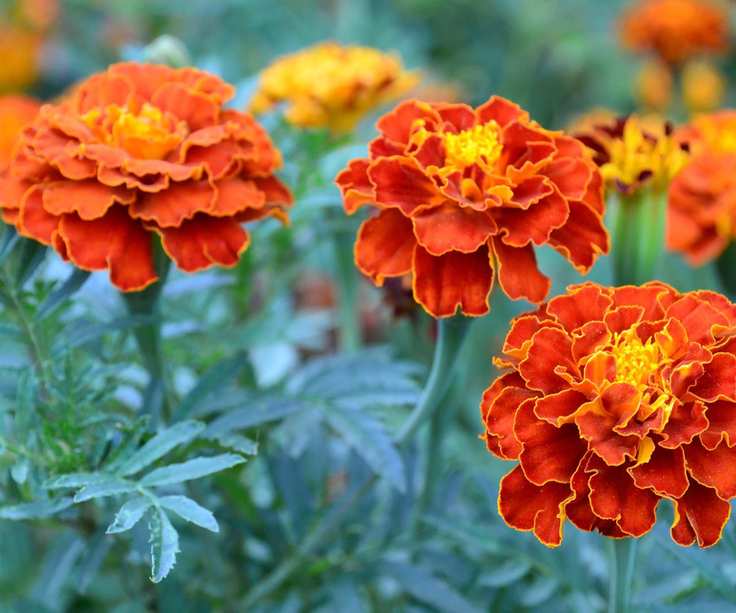
Yes, marigolds can deter bugs, especially when you select strongly scented varieties like French marigolds at Walmart, rather than modern types lacking the strong scents pests dislike.
Planting marigolds in pots not only deters pests but they also serve as excellent companion plants for tomatoes, protecting them from pest infestations.
Pests are also repelled by the odors of chrysanthemums and petunias.
9. Tea Tree

'Tea tree oil is another potent scent, similar to peppermint, effective against pantry moths, spiders, lice, and centipedes,' states Rocky Beninato. 'It's a common essential oil for cleaning and lice treatments, so you might already have it on hand. Mixing it with vinegar and water is a great way to clean areas where pests have been spotted.'
You can find Organic Tea Tree Oil at Amazon.
10. Bay Leaves

'Bay leaves are effective for keeping pantry moths, cockroaches, mice, earwigs, and silverfish away,' says Rocky Beninato.
In your home, you can place dried bay leaves in your pantry to repel pantry moths or in sinks and bathtubs to deter silverfish. Crushing bay leaves in sachets to hang or place in potential pest hiding spots is also useful.
11. Spices

Utilizing spices can repel common garden pests. Scents like cinnamon (which repels ants and silverfish), sugar-free vanilla extract (effective against mosquitoes), and cloves (which deter aphids) are particularly disliked by pests.
FAQs
What perfumes repel insects?
Insects particularly dislike perfumes with citrus elements. Scents from lemon and orange extracts, as well as lemon verbena, are unappealing to many bugs. Lavender and peppermint are other scents that bugs tend to avoid. Opting for room scents or diffusers featuring these fragrances can make your environment pleasant while keeping pests at bay.
If you need a quick bug repellent that smells nice for your houseplants, consider diluted dish soap. Mix it with warm water to create a weak solution, then apply it to both sides of the plant leaves and around the stems as needed. This method is also suitable for garden plants.