
Before my pregnancy, I didn’t prioritize folate, and many people tend to overlook it until they learn about its significance during pregnancy. Healthcare providers highlight folate's importance for fetal brain and spinal development. However, folate is crucial for everyone, and we should aim to include it in our daily diets. Let's explore what folate is, its benefits, and which foods are packed with this essential nutrient.
Featured image from our interview with Megan O’Neill by Belathée Photography.
What is folate and why do I need it?
Folate is the natural version of vitamin B9 found in various foods. This water-soluble vitamin plays multiple vital roles in the body, including supporting fetal growth, reducing birth defect risks, and aiding red blood cell division. Folate is essential for DNA and RNA formation and helps break down homocysteine, an amino acid that can be detrimental in high levels.
Top Folate Food Sources
Folate, or vitamin B9, is abundant in numerous foods—both plant and animal-based. You'll find folate in dark leafy greens, legumes, beans, and nuts. Fruits like oranges, lemons, bananas, melons, and strawberries also contribute. Additionally, folic acid, a synthetic form, is present in fortified foods like cereals and pasta.

How much folate do I need?
Your folate needs vary based on age and whether you’re pregnant or trying to conceive. Adults over 19 should target 400 mcg DFE. Pregnant women need 600 mcg DFE, while breastfeeding moms require 500 mcg DFE. Those who consume alcohol should aim for at least 600 mcg DFE, as alcohol can hinder folate absorption. Always consult your doctor regarding your specific needs.
The Recommended Dietary Allowance for folate is expressed in micrograms of Dietary Folate Equivalents (DFE), which accounts for both folate and folic acid. Your body absorbs more folic acid from fortified foods than natural folate, so you need less of it. For instance, 400 mcg of folate equals 240 mcg of folic acid in terms of DFE. Got it?
Signs of Folate Deficiency
Folate deficiency, often termed “folate deficiency anemia,” arises from inadequate dietary intake. This condition results in lower levels of folate in the bloodstream. Contributing factors include poor diet, excessive alcohol use, and restrictive eating patterns. Fortunately, it’s treatable, and symptoms include:
- Fatigue
- Swollen tongue
- Mouth sores
- Premature gray hair
- Growth issues

Health Effects of Low Folate
Research indicates that insufficient folate levels may lead to:
- Neural tube defects: Adequate folic acid before and during early pregnancy can prevent neural tube defects in infants.
- Cancer: Naturally occurring folate might lower the risk of specific cancers, but the effects of supplements are still being studied.
- Depression: Low folate levels may correlate with higher depression rates and reduced efficacy of antidepressants.
- Heart disease and stroke: Folic acid supplements help reduce homocysteine levels, linked to cardiovascular issues.
- Preterm birth: Folic acid may decrease the likelihood of premature births and associated birth defects.

Folate for a Healthy Pregnancy
Folate and folic acid are crucial during pregnancy as they help mitigate risks of conditions like spina bifida, heart defects, and more. Adequate folate intake decreases risks of anemia, miscarriage, low birth weight, and preterm delivery. Prenatal vitamins contain folate, which is essential during conception and throughout pregnancy. Breastfeeding mothers also require sufficient folate.
In supplements, folate often appears as folic acid, but methylfolate (5-methyl-THF) is also beneficial. For those with a specific gene mutation (MTHFR), methylfolate may be more effective than folic acid. If you’re planning to conceive, consider genetic testing to understand your unique nutritional requirements.
The Difference Between Folate and Folic Acid
Though often used interchangeably, folate and folic acid represent different forms. Folic acid is the synthetic variant available in supplements. Both are vital for cell health. Many prenatal vitamins contain folate, while most include folic acid. Generally, dietary folate is considered safer than folic acid due to potential health concerns from excessive unmetabolized folic acid.

15 Foods Rich in Folate
A diverse diet featuring plant and/or animal products will likely meet your folate needs. Folate is found in various ingredients such as vegetables, fruits, nuts, beans, seafood, eggs, dairy, meat, poultry, and grains. Spinach, liver, and asparagus are among the most folate-rich foods.
Since 1998, the FDA requires food manufacturers to add 140 mcg of folic acid per 100 g to enriched grain products like breads, cereals, and pastas, helping reduce neural tube defect risks. Here are 15 whole foods high in folate:
- Avocados
- Asparagus
- Bananas
- Beets
- Broccoli
- Brussels sprouts
- Eggs
- Flaxseeds
- Lentils
- Okra
- Oranges
- Papaya
- Spinach
- Walnuts
- Wheat germ
Delicious Recipes Featuring High-Folate Foods

Avocado Toast with Kale Pesto and Crunchy Veggies
This avocado toast shines with fresh herbs, creamy avocado, and nutritional yeast for a nutritious, plant-based sauce. Half a raw avocado offers 82 mcg of folate, about 21% of your daily requirement.
Grilled Peach and Asparagus Salad with Spicy Pepitas, Cashew Mozzarella, and Goji Chipotle Dressing
Asparagus is a spring favorite, and this dish is a delightful way to enjoy it. A half-cup (90-gram) serving of cooked asparagus provides approximately 134 mcg of folate, or 34% of the daily value.
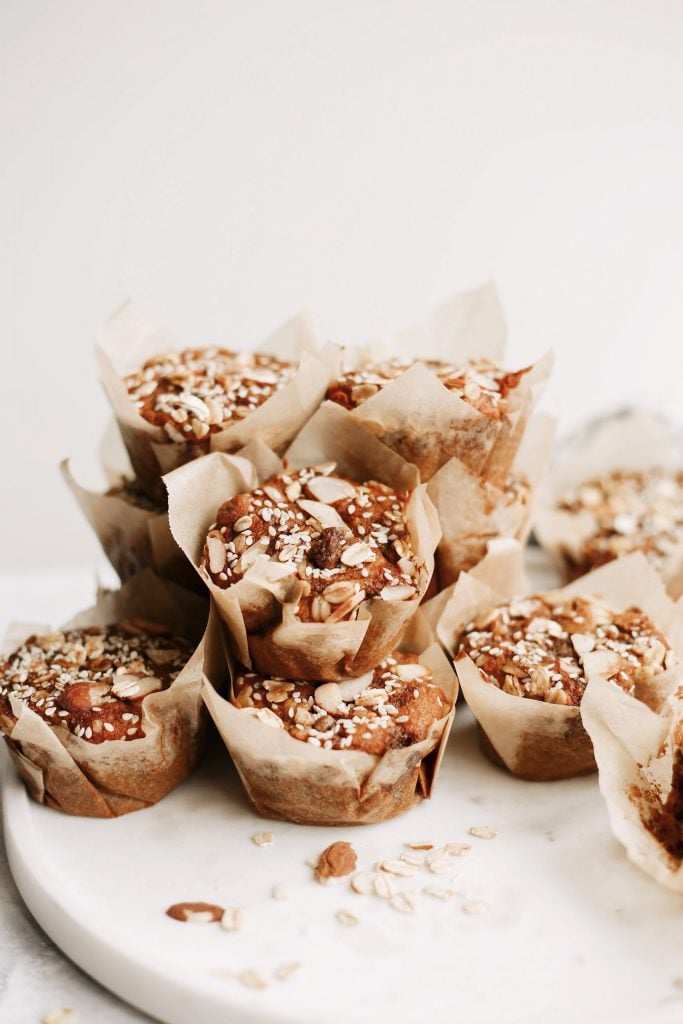
Vegan Nutty Banana Muffins
Quick and easy muffins make for a great breakfast. This vegan version uses healthy fats from olive oil, tahini, and almond flour. One medium banana contributes 23.6 mcg of folate, or 6% of the daily value.

Smoky Beet & Strawberry Salad with Gorgonzola
This colorful salad combines roasted beets, sweet strawberries, and creamy gorgonzola. A cup (136 grams) of raw beets provides 37% of the daily value for folate.
Chili-Rubbed Salmon With Cashew-Broccoli Slaw
These salmon tacos showcase how simple ingredients create a delicious weeknight meal. Broccoli is rich in folate, with one cup (91 grams) of raw broccoli providing 14% of the daily value.
Spicy Peanut Brussels Sprout Tacos
It’s taco season! These flavorful plant-based tacos feature Brussels sprouts, which offer plenty of antioxidants. Half a cup (78 grams) of cooked Brussels sprouts delivers about 12% of the daily value for folate.

Spring Rice Salad
This vibrant grain salad combines seasoned rice, peas, fresh herbs, avocado, pickled shallots, and eggs for extra protein. One large egg contains 22 mcg of folate, roughly 6% of the daily value.
Get Figgy With It Smoothie
Blend this refreshing fig and flaxseed smoothie for a fiber-rich breakfast. One ounce of flaxseeds contains about 24 mcg of folate, or 6% of the daily value.
Coconut Curry Red Lentil Soup
This one-pot soup is easy to prepare and perfect for busy weeknights. One cup (198 grams) of cooked lentils provides 358 mcg of folate, which is 90% of the daily value.

Thai Chicken Soup with Butternut Squash & Bok Choy
This Thai-inspired chicken soup is a delicious introduction to okra. One cup of cooked okra supplies 74 mcg of folate.

Orange Juice Wellness Elixir
This refreshing drink is perfect for transitioning seasons. One large orange provides 55 mcg of folate, or about 14% of the daily value.
Millet and Amaranth Porridge with Figs and Papaya
This comforting papaya porridge is simple to make and ideal for spring. One cup (140 grams) of raw papaya includes 53 mcg of folate, or approximately 13% of the daily value.
Spinach and Ricotta Pizza with Garlicky Olive Oil
This easy pizza is full of flavor and nutritious ingredients. One cup (30 grams) of raw spinach offers 58.2 mcg of folate, or 15% of the daily value.
Orange-Walnut Olive Oil Cake
This delightful walnut and orange cake is a sweet treat that’s easy to prepare. One ounce (28 grams) of walnuts provides about 28 mcg of folate.
Chocolate Chip Wheat Germ Cookies from Beyond Kimchee
These cookies are wonderfully crisp outside and chewy inside. One ounce (28 grams) of wheat germ offers 78.7 mcg of folate, about 20% of your daily intake.