Remodeling a kitchen ranks among the most desired projects for both period and contemporary homes. A well-designed kitchen serves as the heart of modern living, ideal for cooking, entertaining, and working.
Countless options exist for planning your kitchen remodel, from extensions to basement renovations. Consult with a kitchen designer for insight on the best layout and to find reputable builders or architects. Personal recommendations from friends and family can also be invaluable.
Best Kitchen Remodel Ideas
Charlie Kingham, director of a cabinetmaking firm, highlights key benefits of kitchen remodeling: it fosters a sociable environment, enhances light and flow, and can increase property value.
Here's a selection of ideas to inspire your kitchen transformation.
1. Let There Be Light

Adding natural light is crucial when renovating a kitchen. Roof lights, lanterns, or skylights can brighten your space, especially in flat-roofed extensions. Consider the positioning to maximize daylight throughout the day.
Design expert Irene Gunter suggests using a mix of light and rich colors to enhance the natural light in your kitchen.
2. Merge Old and New

For period homes, design choices should respect the original character. This oak-framed extension complements the property's heritage while introducing modern features like large windows and a vaulted ceiling.
3. Reconfigure an Awkward Layout

Sometimes, a simple reconfiguration can create a more functional kitchen. Moving walls or adjusting door placements can enhance flow and utilize space effectively.
4. Step Up a Level

When expanding the footprint isn't an option, utilize vertical space by installing full-height cabinets. A rolling ladder can provide access to high shelves while adding a stylish touch.
5. Add Wow with a Glass Extension

Modern glass extensions can enhance both light and space. Incorporating glass can also create a striking contrast between old and new architectural styles.
6. Go Big with a Wraparound Extension

Why not opt for a wraparound extension? This design adds depth and width, creating a spacious open-plan area that is perfect for cooking, dining, and relaxation.
7. Opt for a Walk-In Pantry
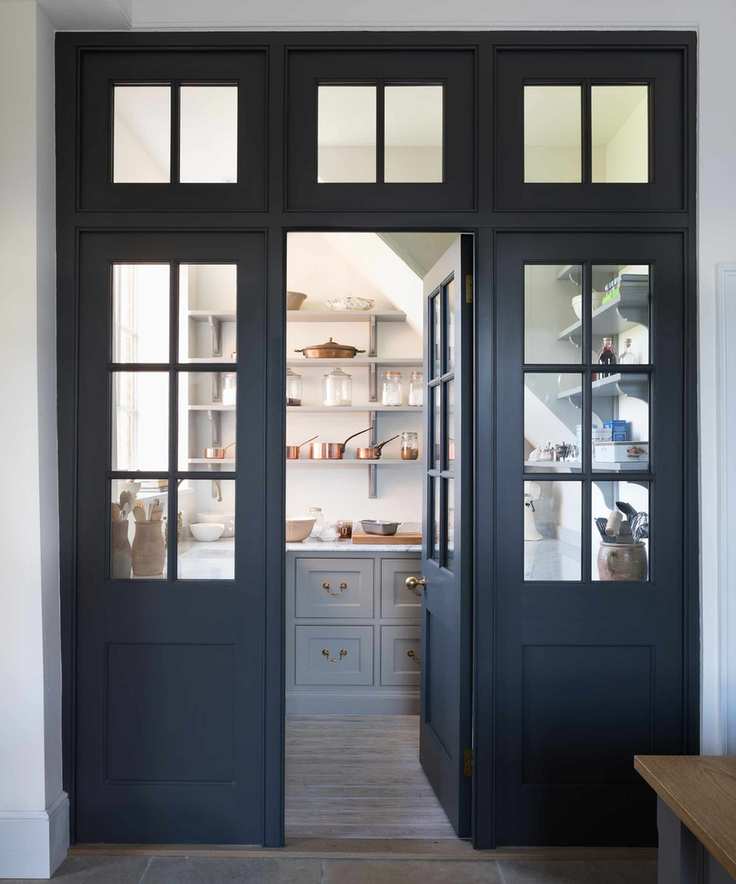
If a major extension isn't feasible, consider a walk-in pantry. This clever storage solution can help clear counter space and organize kitchen essentials.
8. Bring the Outdoors In

Using large glass doors can flood your kitchen with natural light and provide beautiful views. Bi-fold doors create a seamless transition between indoor and outdoor spaces.
9. Supersize the Island
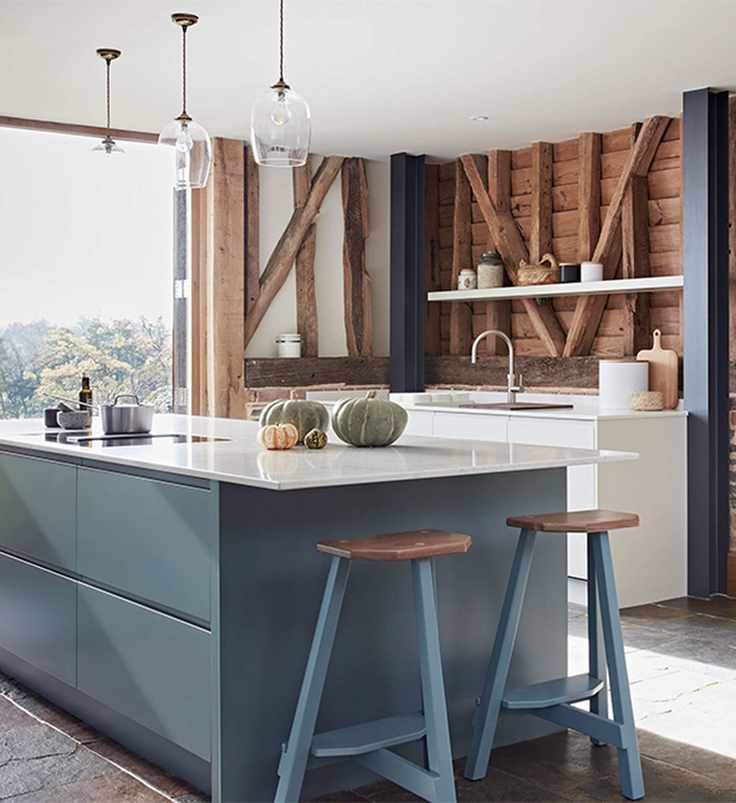
An oversized kitchen island can serve multiple purposes, including cooking, prep space, and casual dining. Consider integrating features like a sink or wine fridge for added functionality.
10. Go Broken-Plan

Shifting from fully open-plan to broken-plan living can create zones for specific activities while maintaining an airy feel. Smartly placed furniture and partitions can help define these areas.
11. Take the Kitchen Out to the Conservatory

Expanding your kitchen into a conservatory can be a great solution for dark spaces, allowing for abundant light. However, managing temperature throughout the seasons is crucial.
12. Be Aware of Bleaching Issues

With extensive glazing, choose finishes carefully to prevent bleaching. UV protective varnishes and lighter materials can minimize damage from sunlight.
13. Take It Down to the Basement

A basement conversion can provide ample space for a kitchen-dining area. This option has gained popularity due to advancements in design and structural integrity.
14. Extend Your Kitchen into the Side Return

Creating a side extension can greatly increase your kitchen space, especially in terraced homes. This addition can also elevate your property's value.
15. Add a Kitchen Extension to a Period Building
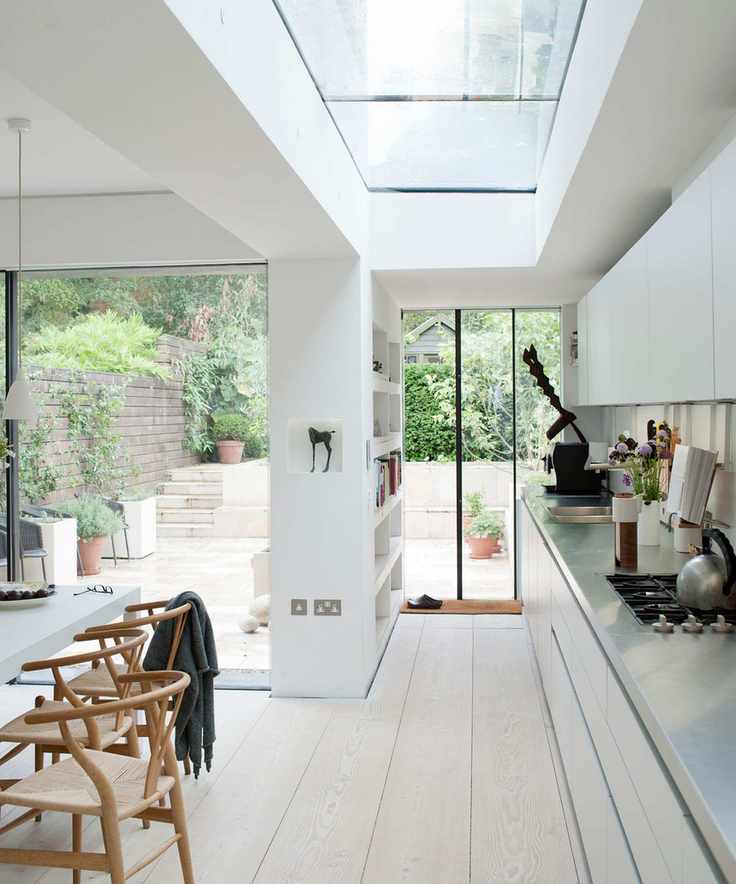
A thoughtful extension can enhance a period home, providing modern amenities while respecting the original architecture.
16. Choose Materials Carefully in a Period Building

Mixing glass with traditional materials can create an appealing contrast while maintaining the character of a period property.
17. Build Around Existing Structural Support

When redesigning, consider working around structural elements to create an open and cohesive space.
18. Extend Your Space by Moving Walls

Retain your design's integrity by employing an architect to ensure your vision is realized through every detail.
19. Allow Light to Pour In with a Picture Window
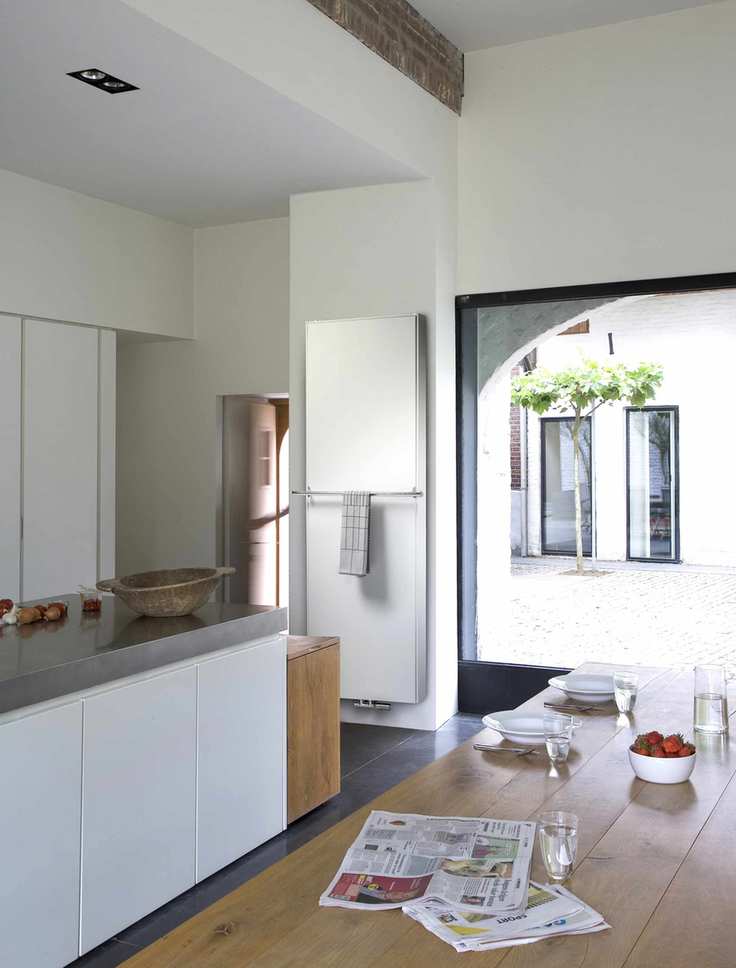
Large windows can enhance a kitchen's brightness, but consider heating solutions for spaces with extensive glass.
20. Use a Combination of Open and Closed Shelving

Mixing open and closed storage can help organize kitchen essentials while adding visual interest.
21. Go Wild with Wood and Incorporate Floating Stairs

Use unique materials and shapes to enhance the aesthetic appeal of your kitchen space.
22. Incorporate Full-Height Storage (and a Ladder)

Full-height cabinets with a decorative ladder can optimize storage while maintaining an open feel.
23. Create a Cozy Seated Area by the Window

A window seat can transform a small kitchen nook into a charming gathering space.
24. Opt for an Unconventional Kitchen Island

Unique island designs can enhance functionality and aesthetics, incorporating seating and prep areas seamlessly.
25. Consider Bespoke Storage

Evaluate your storage needs before starting your kitchen project, using a mix of open and closed storage solutions for practicality.
26. Connect to Nature with Extra Glazing

Introducing more glazing can create a brighter kitchen and strengthen the connection to the outdoors.
27. Invest in Luxurious Marble

Marble remains a favored choice for its elegance and durability, ideal for countertops and backsplashes.
28. Incorporate a Sink Within Your Island

A sink integrated into the island can streamline kitchen tasks and enhance overall functionality.
What's the First Step in Remodeling a Kitchen?
Begin by developing a project plan that outlines your remodel's scope, including timelines, budgets, and necessary tradespeople.
How Can I Remodel a Kitchen?
There are various approaches to remodel a kitchen, from merging rooms to constructing new spaces or utilizing existing areas creatively.
Do You Install Flooring or Cabinets First?
Debates exist regarding whether to install flooring before or after cabinets. Each method has its advantages, depending on your project's specifics.
How Much Does a Typical Kitchen Remodel Cost?
Generally, kitchen remodels range from $48K to $137K, depending on materials and complexity.
What's the Most Expensive Aspect of a Kitchen Remodel?
The costliest part often involves the kitchen cabinetry, especially if opting for custom or high-end materials and appliances.