When it comes to cleaning supplies, you'd think that any product on the market must be worth the investment. However, not all items deliver on their promises, even with heavy marketing and viral trends on social media.
While there are certainly essential tools for effective cleaning, our team of professional cleaners has identified four items that are regrettable purchases. Surprisingly, low-cost vacuums and cleaning wipes can complicate your cleaning tasks rather than simplify them.
Here, our experts share the purchases they wish they hadn't made, along with recommendations for what to buy instead to enhance your home cleaning experience.
4 Cleaning Supplies You Should Avoid
Stocking up on products from the ultimate cleaning checklist is tempting, but if these items don't fit your specific cleaning needs, you may end up spending more time on chores than necessary. Take note of these expert tips to avoid subpar purchases that waste both time and money.
1. Inexpensive Vacuum Cleaners

Selecting a vacuum cleaner can be a daunting task, given the variety available. Even seasoned professionals occasionally make mistakes, as Daniel Brown, a cleaning expert and CEO of Handy Cleaners, found out.
He admits, 'I deeply regret opting for a lower-end vacuum cleaner. It led to frustration due to its poor suction, lack of durability, and additional costs. These vacuums often break down and struggle to clean deep carpets effectively.'
'Instead, I suggest investing in a high-quality vacuum cleaner. Mid-range or premium models typically offer better suction and versatile attachments. Brands like Dyson and Shark provide reliable options that deliver excellent performance and durability.'
Our home tech experts have also compared the features of Shark versus Dyson, two of the leading vacuum brands, as well as the advantages and disadvantages of cordless versus corded models.
2. Disposable Cleaning Wipes
While disposable wipes can be convenient for quick clean-ups, they aren't all created equal. Jonathon Thigpen, a professional cleaner and owner of Transparent Cleaning Co, learned this through experience.
He explains, 'Initially, we relied on Clorox wipes, but we soon realized they have significant drawbacks. Once a canister is opened, the wipes begin to dry out quickly, and the harsh chemicals can irritate skin if used without gloves. Additionally, they sometimes leave a residue after cleaning.'
Thigpen's team switched to a different brand and now prefers it. He states, 'We recommend Crocodile Cloth, available on Amazon. They're far more cost-effective since one of their cloths lasts as long as several wipes from other brands and are remarkably durable.
'We maintain a stock of these in our work vehicles, which can get quite warm in the summer, and we haven't had a package dry out yet. Crocodile Cloth has become one of our go-to cleaning tools for everything from greasy stovetops to toddler messes.'
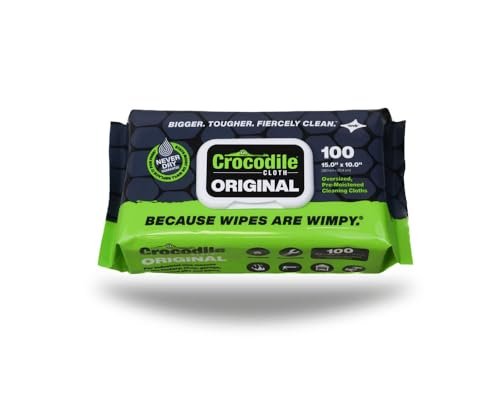
Our cleaning professional switched from Clorox wipes to these and his team hasn't looked back since, finding these do not dry out and are extremely effective for cleaning a variety of messes.
3. Floor Steamers
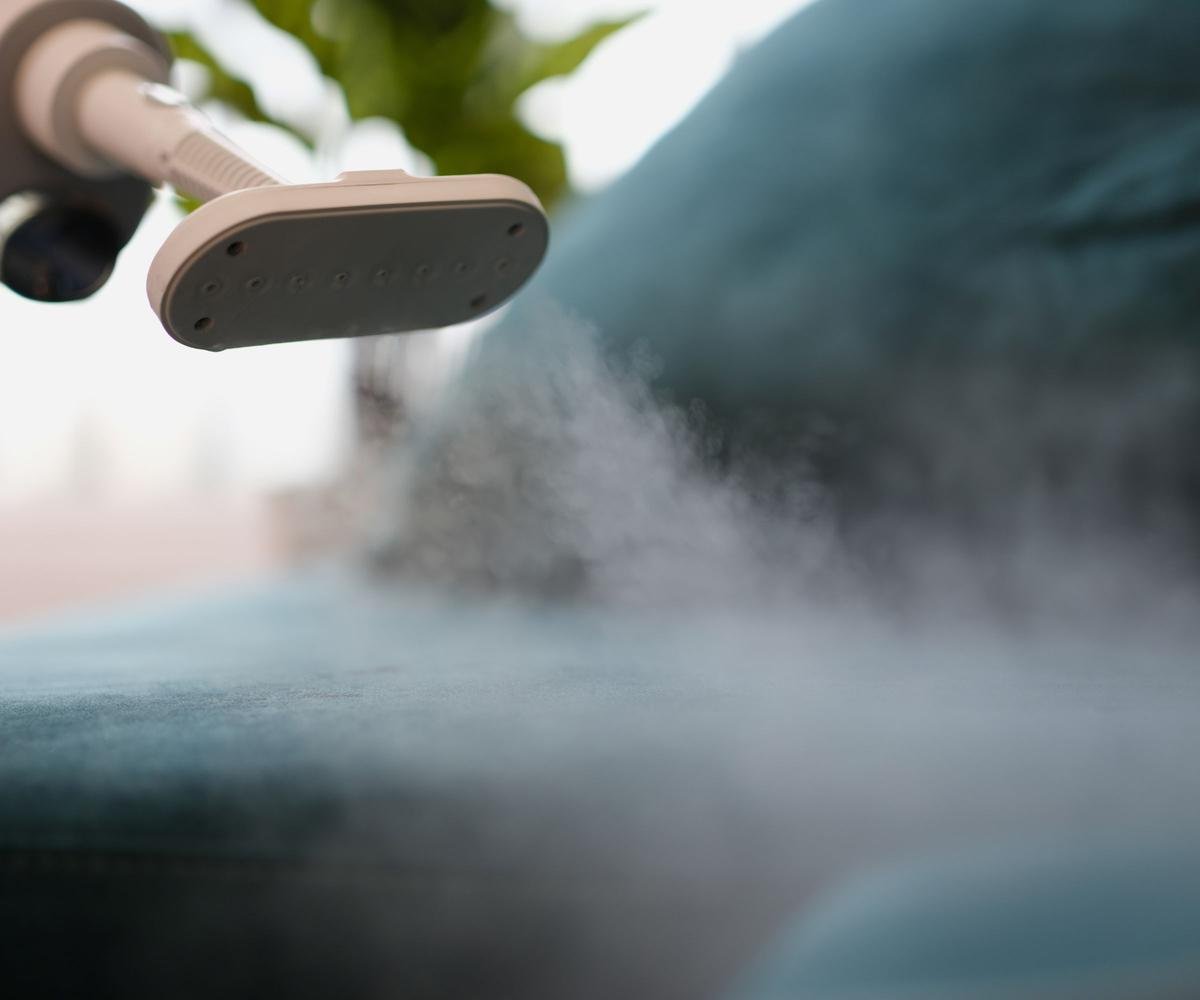
While steam cleaners can be beneficial, they aren't perfect. Taylor Riley, a cleaning expert and founder of Boom. Facility Service Advisors, shares that they may not be the best solution for achieving streak-free floors.
'When my wife and I bought a floor steamer, we expected it to sanitize our floors and enhance cleanliness,' Taylor recalls. 'However, it didn't quite meet those expectations. We ended up storing it in a closet where it now sits unused.'
He explains that the steamer fell short of delivering a thorough clean. 'The mop head can only hold so much dirt; it gets dirty quickly, and when you're done, you often leave more dirt behind than you pick up.'
'Furthermore, regular steam cleaning isn't ideal for tile floors. The steam can weaken grout over time, and excess moisture can lead to mold growth. While the steam loosens dirt, the mop head often fails to extract all of it, allowing it to settle back into the grout.'
'Ultimately, we replaced the floor steamer with a vacuum mop, specifically the Tineco Floor One S5, from Amazon. This device performs both vacuuming and mopping simultaneously, eliminating the need to sweep beforehand. It operates similarly to our professional floor scrubbing machines, applying a cleaning solution, scrubbing, and then removing the dirty solution.'
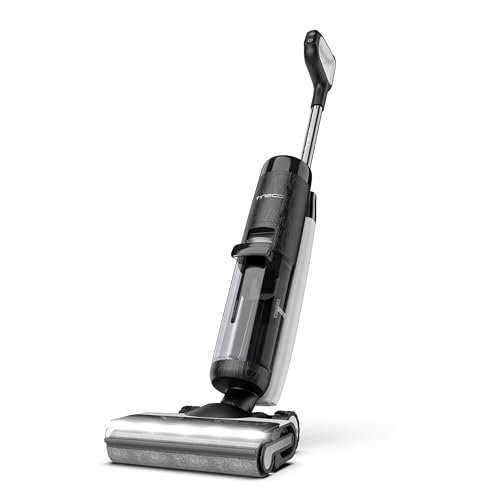
Dan Fauzi, an editor specializing in home tech, is currently testing the newer version of the Tineco Floor One and reports, 'I've been impressed by its ease of use. They've clearly designed this floor cleaner with thoughtful features for effective cleaning.'
4. All-Purpose Cleaners
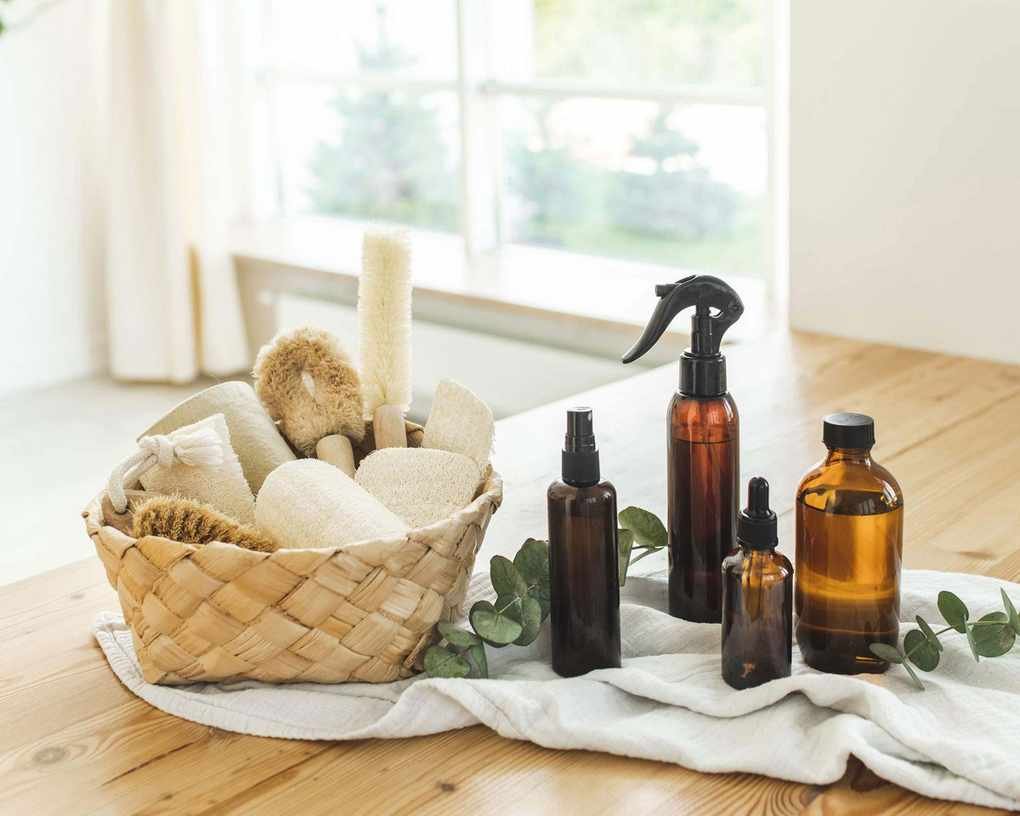
There's certainly a time and place for multi-purpose cleaners, as they can be handy for quick clean-ups. However, they shouldn't replace specialized products for different tasks. Believing they can is a common misconception that can lead to damage on various surfaces.
Daniel Brown points out, 'All-purpose cleaners can often be disappointing for professional cleaners. While they promise versatility, they can fall short for specific tasks, sometimes leaving streaks or residues behind.'
'I recommend having dedicated cleaners for each surface type. This ensures you have a glass cleaner for windows, a wood cleaner for wooden surfaces, and a tile cleaner for bathrooms, allowing for effective cleaning without causing damage.'
Punteha van Terheyden, head of a cleaning solutions company, swears by her simple homemade mixture for various surfaces, including stainless steel, wood, laminate, and glass. She explains, 'I use amber glass bottles filled with water, a drop of dish soap, and 10-20 drops of my favorite essential oil. I prefer geranium, but orange and lemon oils also work well to deter pests.'
DIY cleaning solutions are economical and customizable, so don't overlook them. You can also use vinegar, lemon, and baking soda for many cleaning tasks around the house.
Reassessing your cleaning purchases is a smart strategy to reduce cleaning time. Combining this expert advice with thoughtful purchases will lead to a cleaner, more organized home.