As someone who writes extensively on houseplant care and manages a sizable indoor plant collection, I often hear people express their hesitance about bringing plants into their homes. The reasons they give are usually based on common misconceptions. To help alleviate your concerns, I'm here to debunk some of the most prevalent houseplant myths.
Many of the worries about indoor plants being messy, attracting insects, or requiring too much attention stem from frequent care mistakes. From incorrect watering to selecting unsuitable plants for low-light areas, these errors can lead to plant death and discourage new enthusiasts. However, houseplant care can be simple with the right knowledge.
After exploring these myths, you'll feel ready to embrace the joys of indoor gardening.

5 Houseplant Myths Debunked
With the proper plants for your environment and a solid care routine, most houseplants can thrive with minimal effort. Don't believe everything you hear! Let's examine five of the most misleading myths about houseplants and why they're simply not true.
1. Houseplants Attract Bugs

One of the primary reasons people choose artificial plants over live ones is the belief that houseplants draw bugs.
Typically, the insects in question are fungus gnats. While their presence can be linked to houseplants, it's usually a sign that something in their environment is off.
These flies tend to appear when the soil is overly wet, which attracts them rather than the plants themselves.
To prevent this, simply let the top layer of soil dry out before your next watering.
I recommend using a soil moisture meter (available on Amazon) to check if the top two inches have dried sufficiently. Although moisture needs can vary by plant, this is a reliable guideline to avoid waterlogging.
Positioning plants in bright spots and ensuring adequate airflow can also help prevent gnats.
If you do notice these pesky flies, it's manageable to eliminate fungus gnats.
2. Orchids Are Too Difficult to Care For
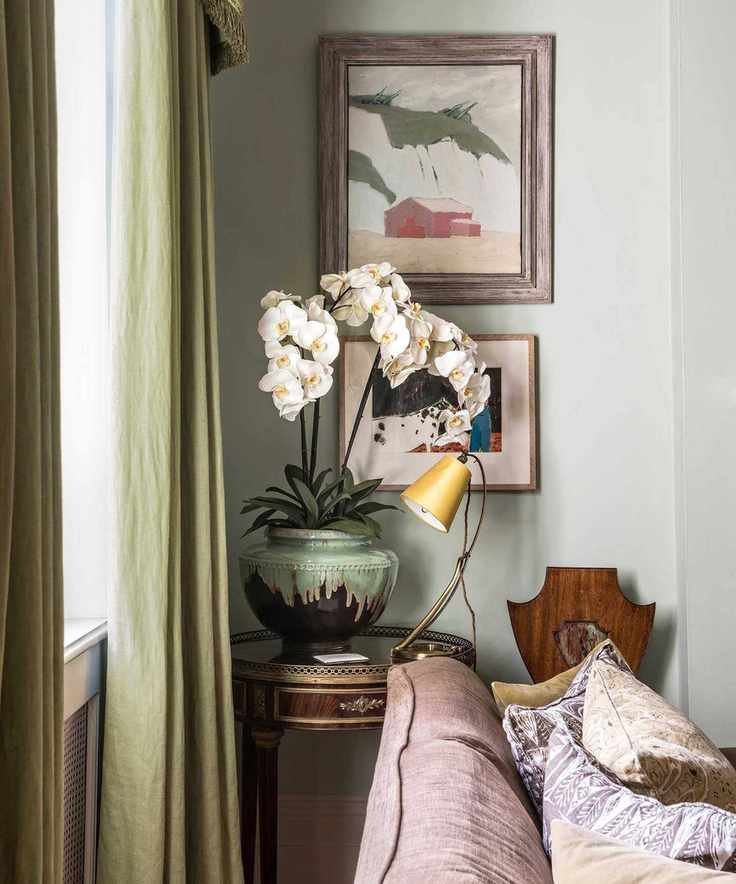
Orchids are beloved flowering plants, yet many people believe they're extremely hard to keep alive.
While caring for orchids can require specific attention, adhering to a few simple guidelines will allow them to flourish for many years.
Less is often more when it comes to orchids—overwatering is their biggest threat since they need significantly less water than many other plants.
These plants will signal when they need hydration; their unique aerial roots will turn gray, indicating it's time to water your orchid. If the roots remain green, they're adequately moist.
It's also essential to understand that orchids have a natural dormancy phase. If your orchid loses its blooms and the stem turns yellow, it doesn't mean it's dead; it's just resting before the next blooming cycle.
To make orchid care easier, keep them in a humid environment, like a bathroom, which they thrive in and can help prevent wrinkled leaves.
If you're struggling to encourage blooming, consider using orchid fertilizer (from Amazon) during the spring and summer.
For those eager to try growing orchids, I suggest starting with a moth orchid (available at Walmart), as they are easier to care for.
3. Watering Houseplants Is Complicated
This myth has a grain of truth.
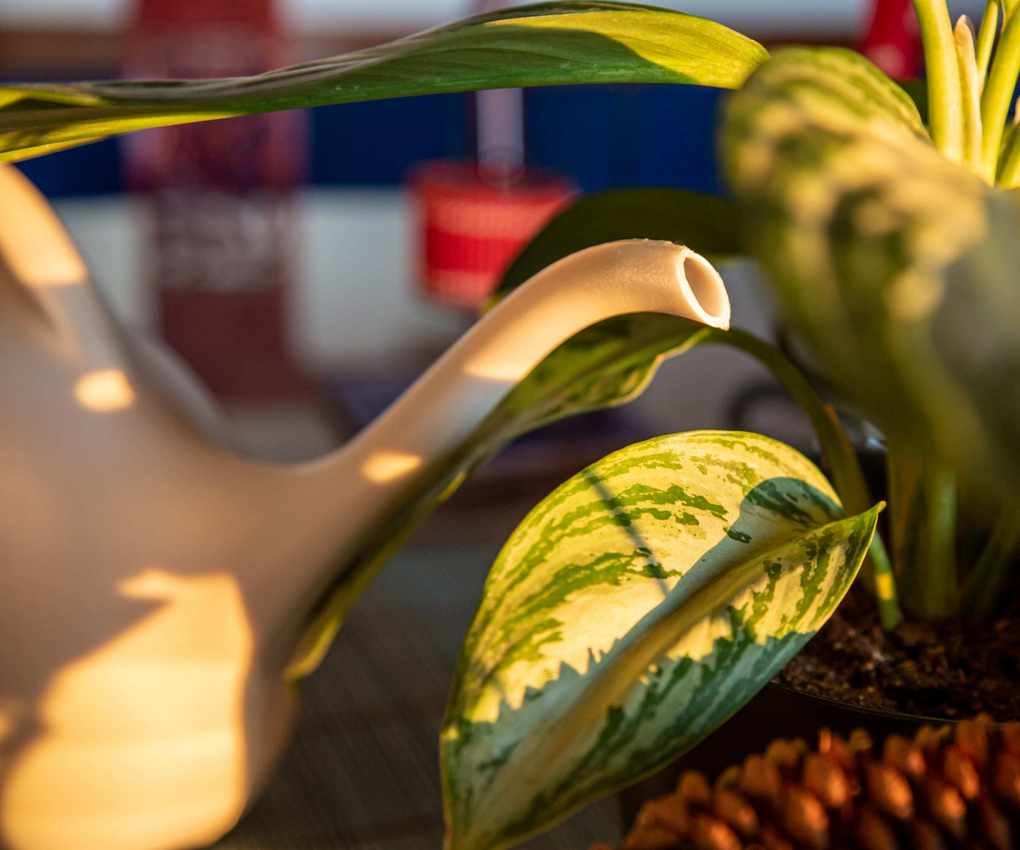
The main challenge with watering is that each plant has unique requirements, making a fixed schedule ineffective. Watering all at once often leads to some plants being underwatered while others are overwatered.
Instead, I suggest establishing a routine check. Weekly, assess each plant with your finger or soil moisture meter. If the soil remains wet, skip that plant.
Different types of plants have varying needs; cacti prefer dry conditions, while calatheas require watering once the top two inches of soil are dry.
This small adjustment helps you avoid watering mistakes, preventing root rot and pests that favor dry environments like spider mites.
Over time, you'll become familiar with your plants' needs, enhancing your ability to determine the right time to water.
Pro tip: Tropical plants often enjoy higher humidity, so consider using a plant mister (from Amazon) during your watering routine.
4. Houseplants Can't Thrive in Low Light
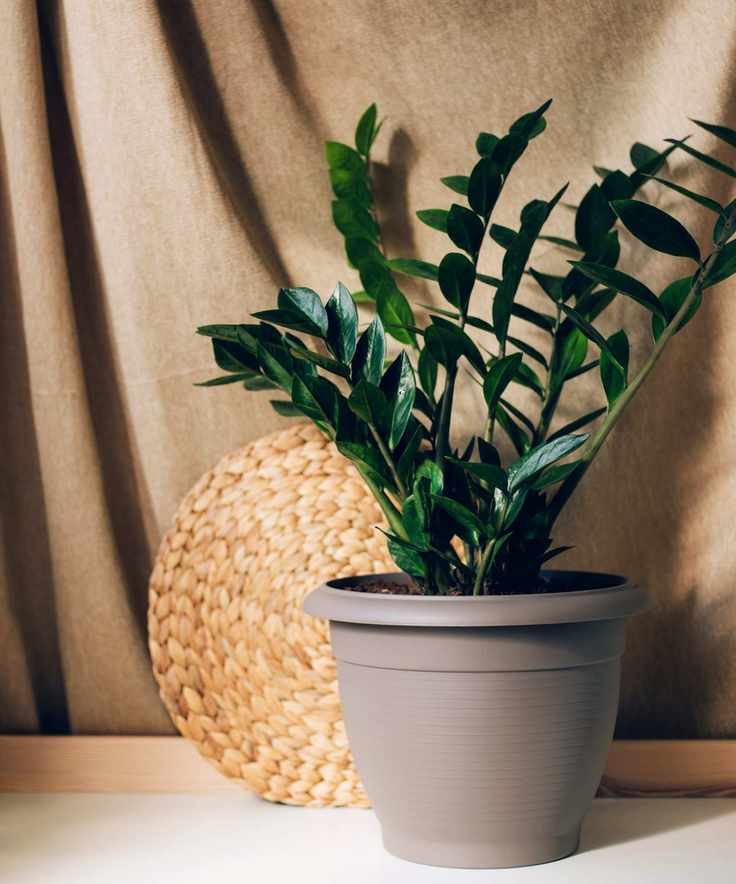
If low light is why you haven't added houseplants to your space, you'll be pleased to know that several indoor plants do well in shadier environments.
From cast iron plants to ZZ plants (shown above), there are various options that flourish away from bright sunlight.
However, it's important to remember that low light doesn't mean no light. A completely dark hallway won't work, but a north-facing room with indirect daylight can be suitable for certain plants.
If you have your heart set on a plant that requires more light, consider using grow lights, which provide a full spectrum of light to support their growth.
Modern grow lights come in beautiful designs that can complement your home decor. I particularly like this wooden grow light from Amazon.
5. Houseplants Aren't Safe for Pets
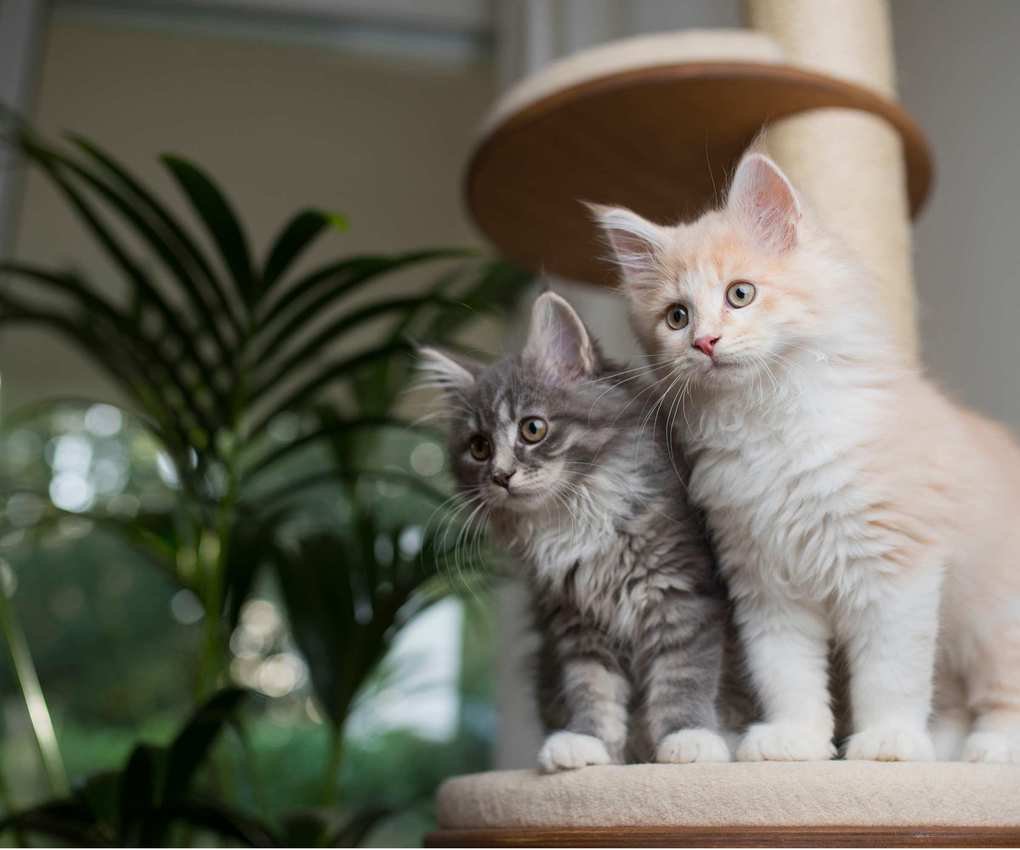
Many people hesitate to introduce houseplants because they worry about potential hazards for their pets, especially if they have curious animals that might nibble on the leaves.
While some houseplants can be toxic to pets (like pothos and snake plants), there are numerous pet-friendly options available, including ponytail palms and Boston ferns.
To enhance safety, consider placing plants out of reach, such as on higher shelves.
It is possible to coexist with both houseplants and pets, but it requires thoughtful selection and awareness of your pet's behavior.