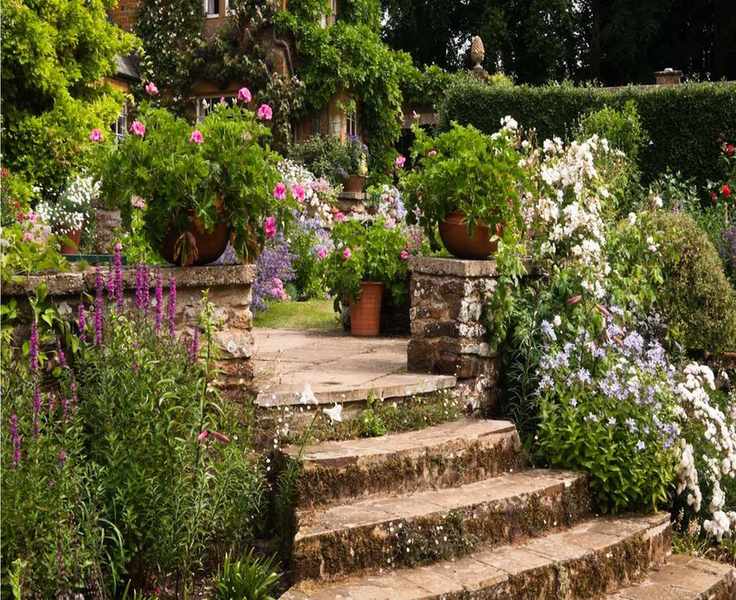
Creating a container garden opens up endless possibilities. Whether on a balcony, filled with herbs, or bursting with vibrant flowers, the planters play a crucial role in shaping the overall aesthetic.
Get inventive by transforming common household items into distinctive planters. From repurposed tins to old boots and even bathtubs, you can turn everyday objects into stunning additions to your garden.
This approach is budget-friendly and can even be cost-free. Plus, rescuing items from the trash contributes to a more sustainable gardening practice, allowing you to cultivate a greener space.
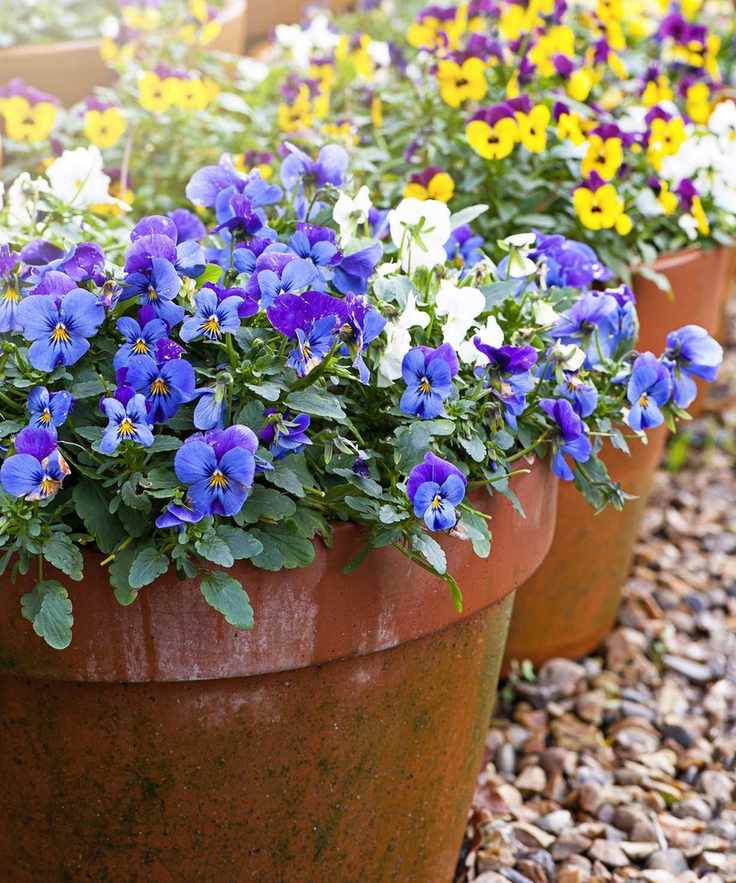
5 Household Items to Transform into Unique Planters
If you're new to container gardening and finding it hard to create a cohesive display, consider these household items to repurpose as unique planters. They can infuse your garden with an eclectic and charming vibe, personalized to your taste.
1. Tea Cups for a Vintage Vibe
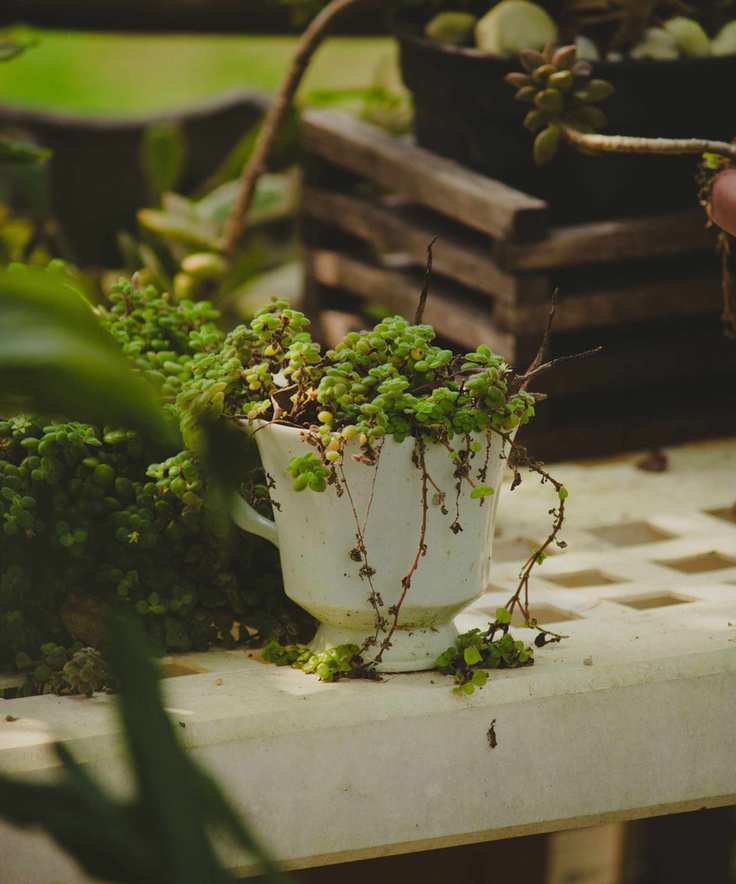
Tea cups make delightful planters, perfect for adding a vintage touch to cottage and romantic gardens. Depending on the style, they can also fit into modern landscapes.
Choose floral fine china cups (like those on Amazon) for that classic feel, or use colorful mugs to match your backyard's palette. This idea works indoors too:
'I often have extra mugs that clutter my cabinet. I use my largest mugs to hold small succulents, placing them around my living room,' shares Samantha Adler, a houseplant specialist.
Tea cups and mugs are excellent for indoor succulents, especially since these plants have shallow roots.

As a certified horticulturalist, Samantha offers advice on houseplant care and issues.
2. Bicycle Planter for a Playful Touch
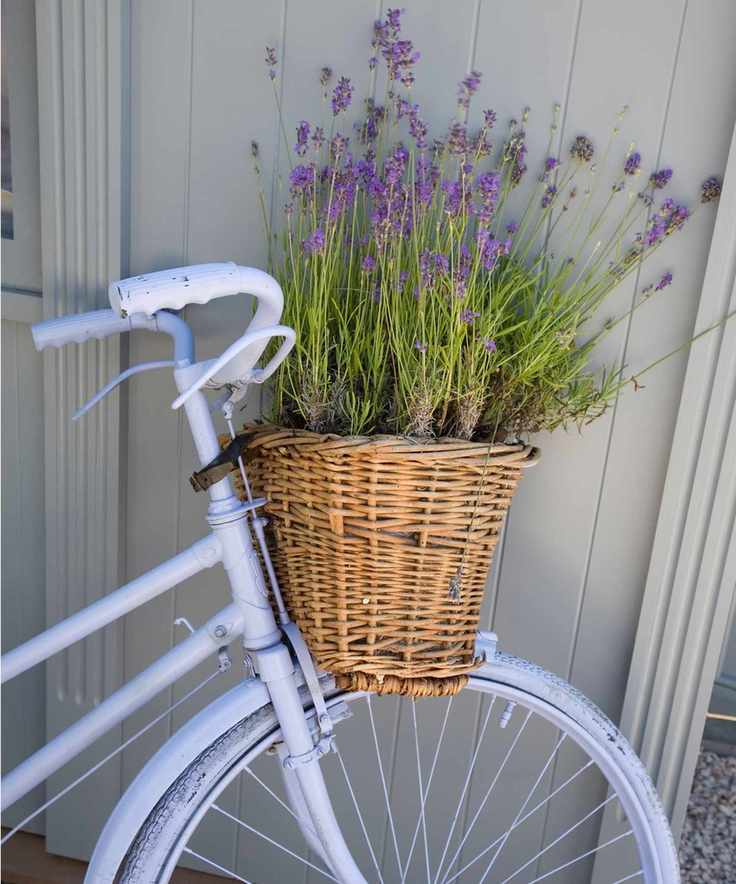
A bicycle with a basket makes an eye-catching and larger planter option, sure to spark conversations among guests.
The basket serves as a built-in planter. You might need to add a planter liner (available on Amazon) for added functionality.
Imagine a powder-blue bicycle adorned with purple lavender. Swap out seasonal plants for a fresh look, as if you just returned from the flower market.
If your bicycle lacks a basket, consider attaching a wicker basket (from Walmart) instead.
3. Old Boots as Sentimental Planters
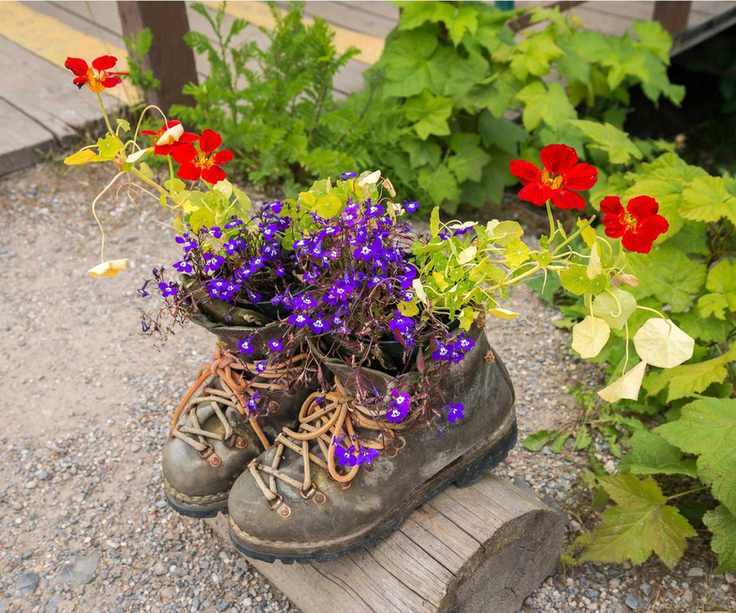
Repurposed gardening boots can be a lovely addition to memory gardens.
They serve as a heartfelt tribute to a loved one who cherished gardening, ideally placed where they used to plant.
Beyond boots, consider using meaningful items:
'Family heirlooms such as tin or enamel coffee pots make wonderful planters. It's a beautiful way to keep cherished memories alive,' suggests Stacy Verdick Case, a design expert.
Keep in mind that outdoor items may weather over time, so consider bringing them inside during harsh weather or using a cold frame from Amazon for protection.

Stacy restores and reimagines vintage furniture to spread joy and nostalgia through her creations.
4. Rustic Charm with Repurposed Tins
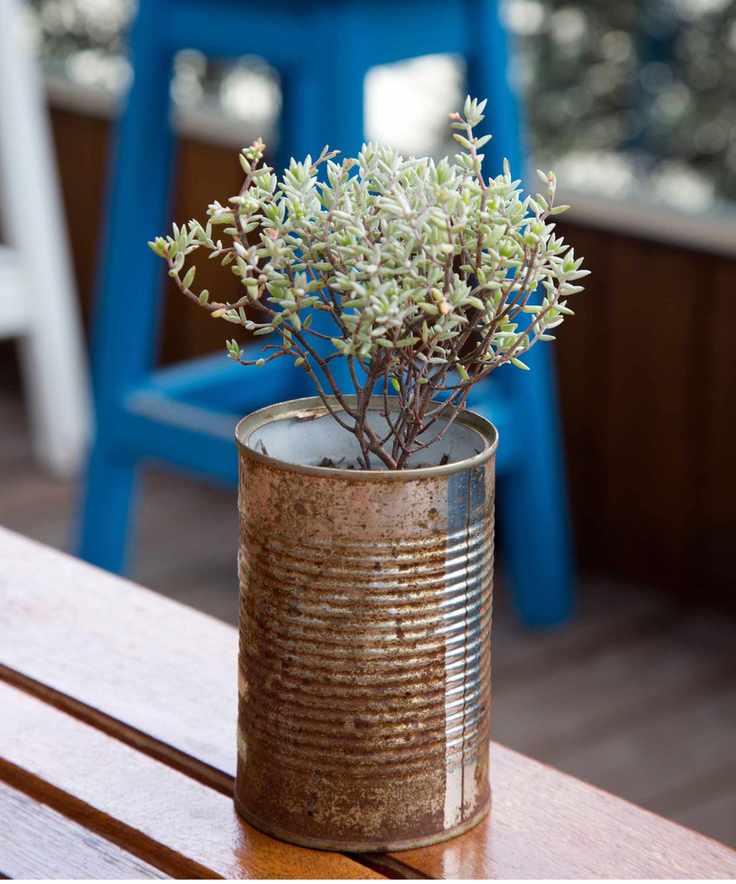
This is the most budget-friendly option on our list. Simply reuse empty tin cans to grow your plants.
Instead of tossing them, clean and label-free cans can house your plants. For an added DIY twist, consider using weatherproof paint (on Amazon).
To avoid issues with oversaturation, drill drainage holes in the tins. This helps prevent rot.
Depending on their size, tins can also serve as herb garden containers or unique centerpieces for outdoor tables.
Rusty tins can add a laid-back, rustic flair over time.
5. An Old Bathtub for a Bold Centerpiece
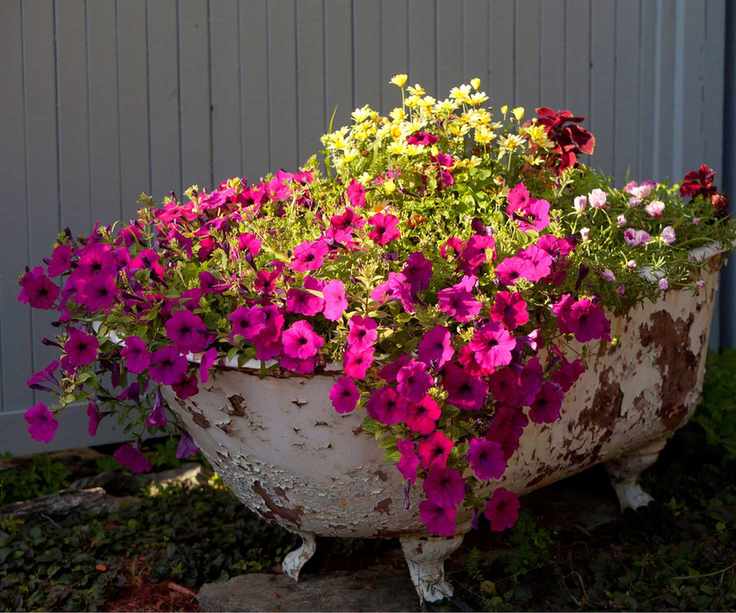
If you want to make a striking statement in your garden, consider using an old bathtub.
While you may not have one lying around, if you're renovating or love hunting for treasures, this could be a fun project.
Simply fill the bathtub with soil and treat it as a raised garden bed. It likely has a plumbing hole for drainage, but you may want to add more.
Choose bedding plants or utilize the thriller, spiller, filler method for a stunning display, positioning it centrally with smaller plants alongside.
FAQs
Can anything be used as a plant pot?
Many items can serve as plant pots, though some considerations are essential. First, ensure planters have drainage holes for moisture management. If not, you can create holes with a drill. Second, outdoor planters should withstand weather conditions without damage. Lastly, choose an item large enough for your plants to avoid becoming pot-bound.
Repurposing household items in your garden can be a fun and creative endeavor. It also helps reduce waste, contributing to a more sustainable outdoor environment. Consider incorporating kitchen scraps into your gardening routine and adopting zero-waste methods for even greater impact.