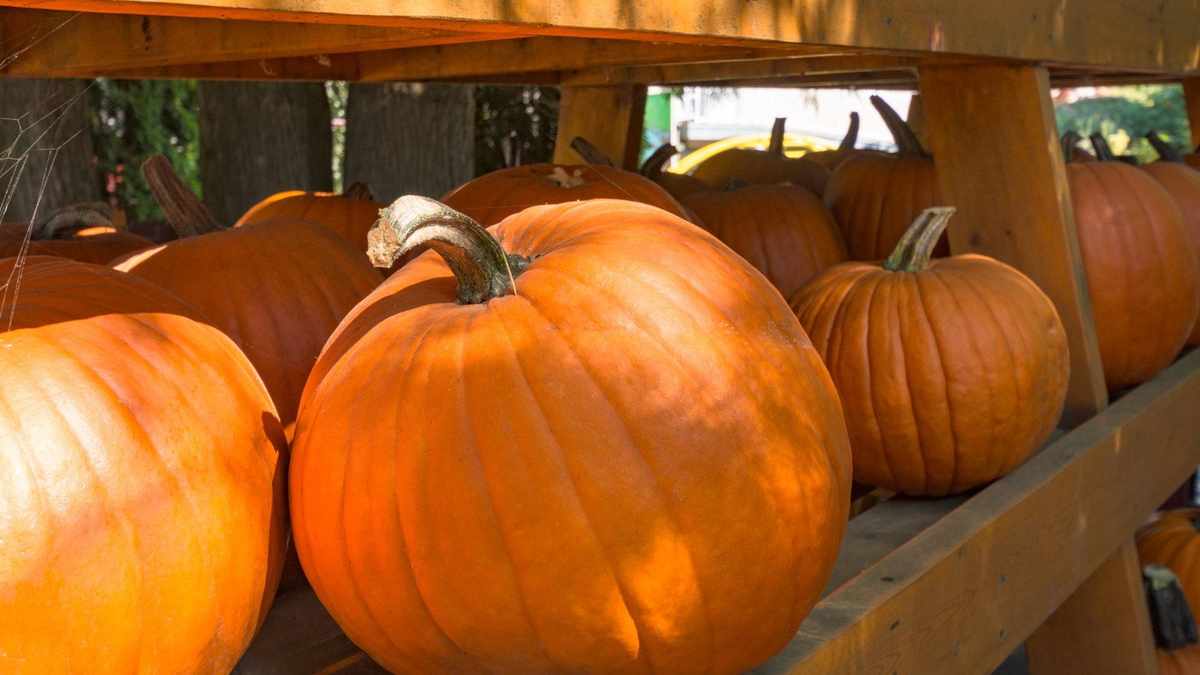
Growing pumpkins requires dedication and care, making the joy of harvesting them all the more satisfying. To ensure your pumpkins maintain their freshness for months after picking, proper storage is key.
After investing time and effort into growing pumpkins, you want to preserve their quality and prevent quick spoilage. If your pumpkins decay too soon, it could be disappointing not to enjoy them in meals, baking, or as seasonal decorations.
With years of experience in cultivating and harvesting pumpkins, I've seen how important it is to store them correctly. Proper preparation and storage can significantly extend their lifespan and help you avoid waste.
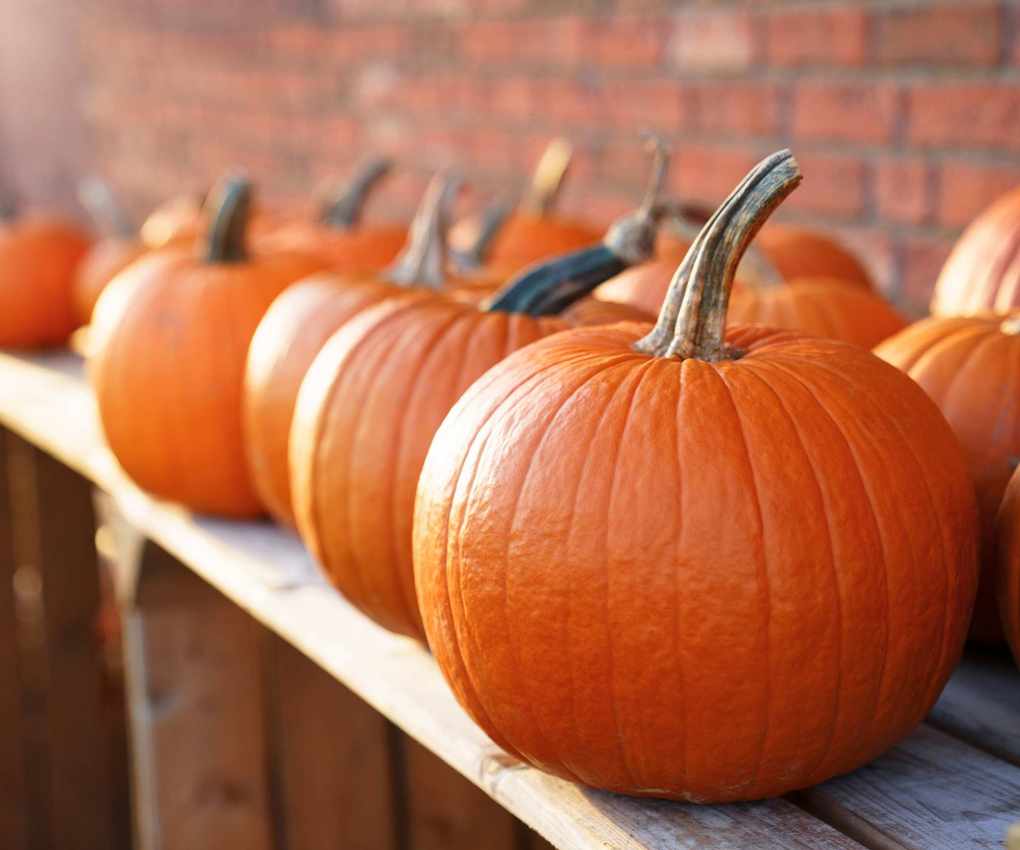
Follow our expert tips to store pumpkins for months
How to Keep Pumpkins Fresh for Months: 5 Key Steps
Understanding how to store your pumpkins after they've been cut from the vine is crucial for extending their longevity. These tips are also applicable to winter squash. As a seasoned gardener, here are my top five recommendations for successful pumpkin storage.
1. Harvest at the Right Time
To achieve the longest storage life, pumpkins must be harvested at their peak maturity. When you pick a pumpkin off the vine, ensure it is fully mature and free from blemishes or bruises. Pumpkins that are immature or damaged won't last as long.
Harvest them before the first frost, as cold weather can trigger the rotting process. Lastly, make sure to cut the pumpkin with several inches of stem still attached; damage to the stem can lead to decay, so handle them carefully during harvesting and storage.
2. Cure the Pumpkins Before Storage
Curing your pumpkins is an essential yet often overlooked step that can significantly extend their shelf life. Proper curing hardens the skin, providing a protective barrier against decay and enhancing flavor.
Allow 1-2 weeks for curing in a warm, sheltered area at temperatures around 80-85°F. This can be done outdoors in the garden or indoors if cold temperatures and rain are a concern.
3. Create the Ideal Storage Conditions
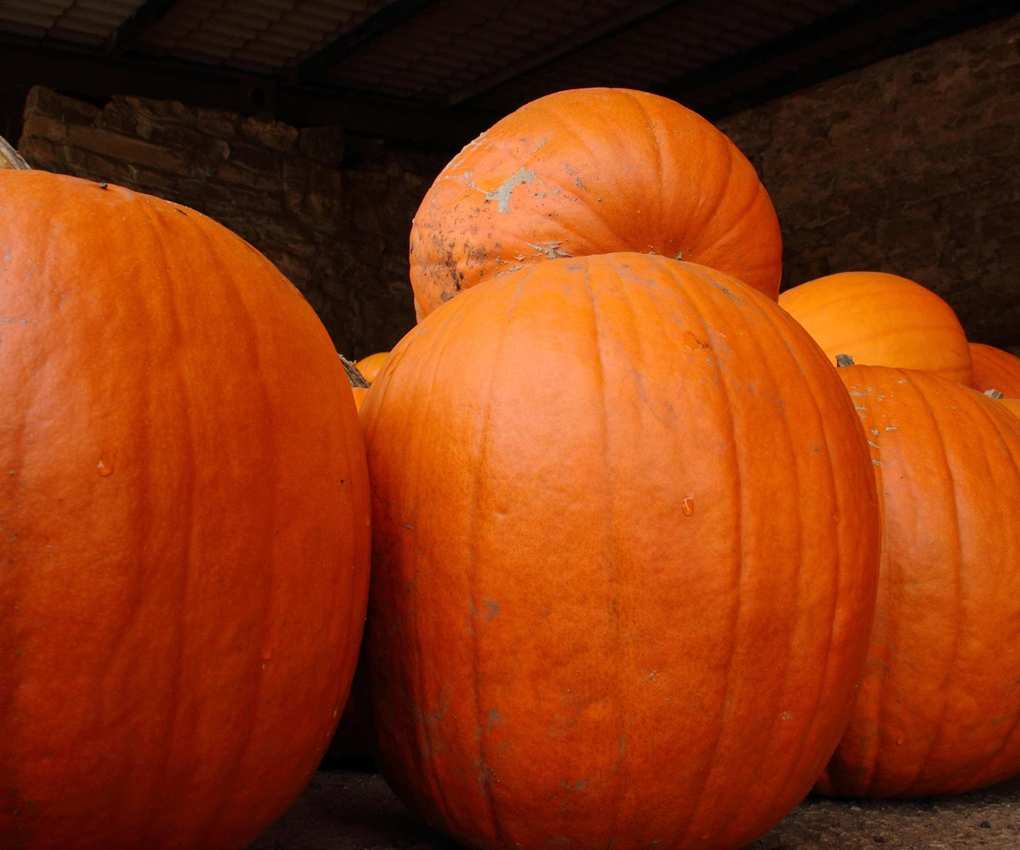
Properly ripened pumpkins will last longer than immature ones
Under optimal conditions, pumpkins can be stored for as long as six months. They should be placed in a dark, dry location with temperatures maintained between 50 and 60ºF and humidity levels between 50-70%. Good ventilation is also crucial for preventing moisture buildup.
A shed or garage makes for an ideal pumpkin storage site. Avoid storing them in the refrigerator, as it is too cold and humid for long-term preservation. Additionally, store them away from areas prone to pests, which can damage the pumpkins and lead to rot.
4. Elevate Pumpkins Off the Ground
Always keep pumpkins elevated, as placing them on concrete or bare ground can encourage rot. By suspending them above the ground, you prevent moisture accumulation at their base, which helps prolong their freshness. You can use straw, cardboard, newspaper, or wooden pallets to lift them off the ground, but racks or slatted shelves work best.
Arrange the pumpkins in a single layer without them touching each other. Stacking pumpkins can lead to damage and significantly shorten their lifespan. Ensuring good spacing allows for air circulation, which helps prevent moisture buildup and reduces the risk of decay and fungal issues.
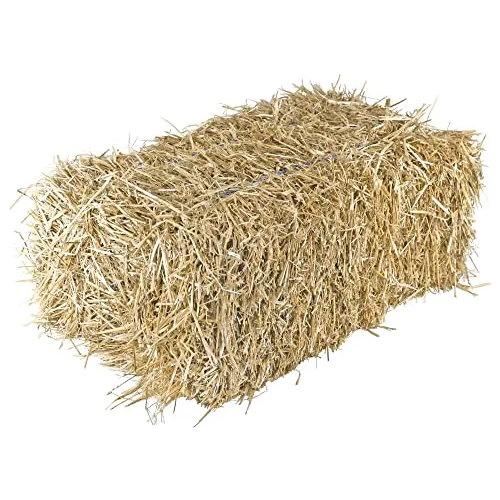
A bale of natural straw is perfect for keeping stored pumpkins dry.
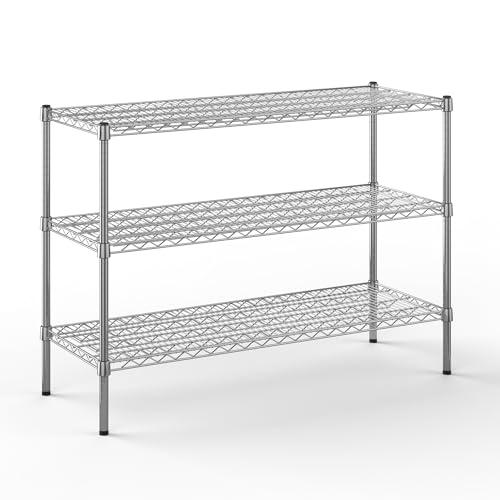
A sturdy shelving unit that can support up to 500 lbs evenly distributed.
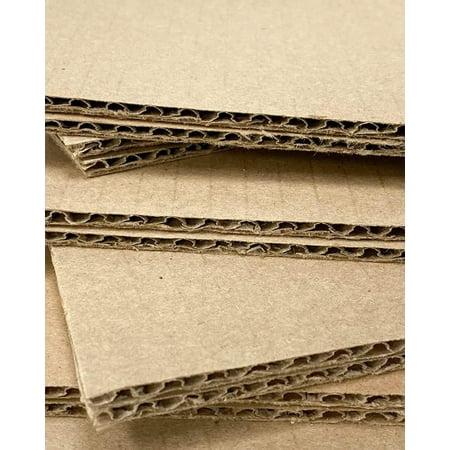
A pack of 25 cardboard pads to help elevate stored pumpkins off the ground.
5. Inspect Pumpkins Weekly
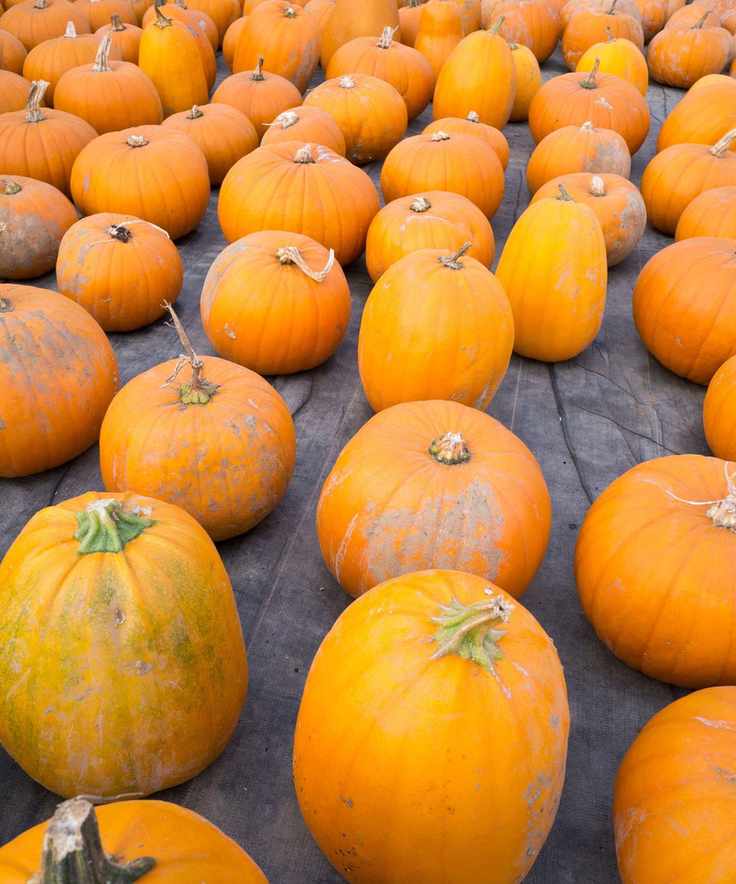
Keep pumpkins off the floor and ensure spacing between each one
Regular checks on your pumpkins are essential for detecting any early signs of decay.
If you notice soft spots, mold, or any leaking, remove the affected pumpkins immediately. Left unchecked, they can quickly spread rot to others. Having seen how fast pumpkins can degrade, I recommend checking them at least once a week.
Just like those leftover Halloween pumpkins, any that are past their prime can be used to create compost or can be broken down and buried in the garden to enrich the soil.
Frequently Asked Questions
How long can a pumpkin be stored after harvesting?
Depending on the pumpkin type and storage conditions, a pumpkin can last for up to six months. Excessive warmth, cold, or moisture can shorten its lifespan, leading to quicker spoilage.
Should pumpkins be stored indoors or outdoors?
It's best to store pumpkins indoors in a dry environment with temperatures between 50-60ºF. Keeping them outside exposes them to cold and wet fall weather, as well as pests.
Compared to summer squash varieties like zucchini, pumpkins and winter squash have a far longer potential storage life. Summer squash should be harvested as needed throughout the growing season, as they can only be stored for about 4-5 days after picking.