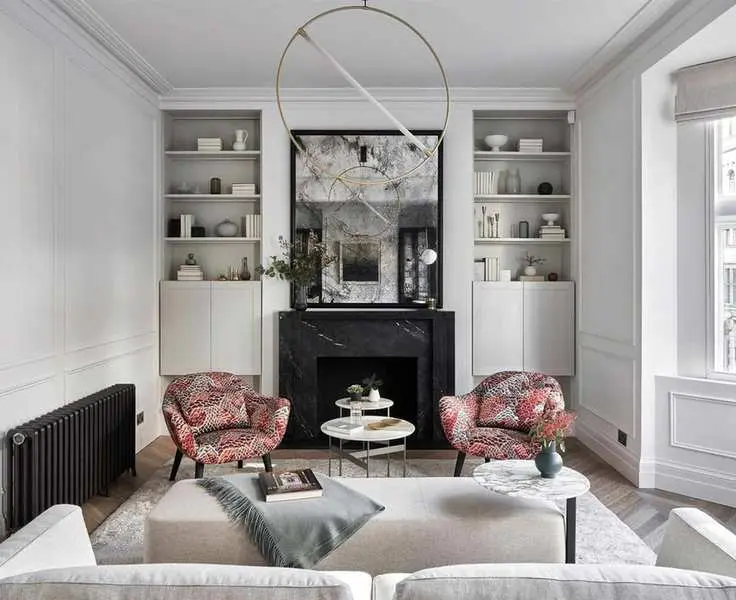
No matter the size of your space, the challenge often arises: how can I create a more open feel?
If you're on the hunt for small room ideas, it might be tempting to focus on space-enhancing paint colors, clever mirror placements, or bright window treatments. While these strategies certainly help, the objects you choose to keep in your room are just as crucial. Surprisingly, these items might not always be large furniture pieces; they could be as small (yet impactful) as coat hangers or board game boxes.
If your goal is to make a compact living room feel more expansive, create a larger illusion in your bedroom, or even make your kitchen feel bigger, the answer might be simpler than you think. Here, we share advice from professional organizers about what to eliminate from your space.
5 Items to Remove for a More Spacious Feel
Sarah Schier from Beautiful Life Creative Organizing, based in Los Angeles, knows exactly how to design small spaces. Here's what she avoids in her own home.
1. Bulky Furniture Without Visible Legs
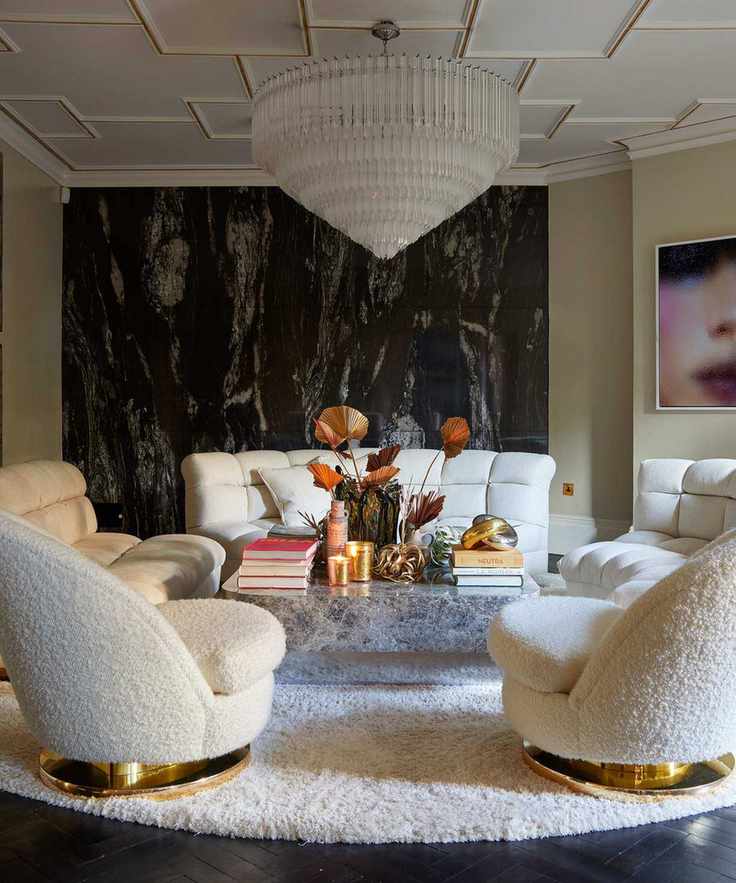
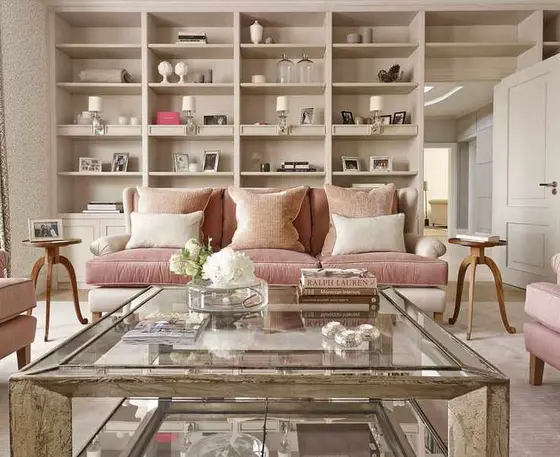
What are visible legs? These are the legs of furniture that are part of the design rather than being hidden beneath upholstery or resting directly on the floor. Sarah advises steering clear of heavy, large pieces that monopolize valuable floor space. Instead, opt for furniture that showcases its legs, allowing light to flow through and giving the room a more airy appearance. She adds, 'Rather than selecting a bulky sofa or an oversized chair that rests flat on the floor, consider pieces that are elevated for a more spacious feel.' This principle applies to all rooms, from living areas to bedrooms and bathrooms.
2. Wooden Hangers
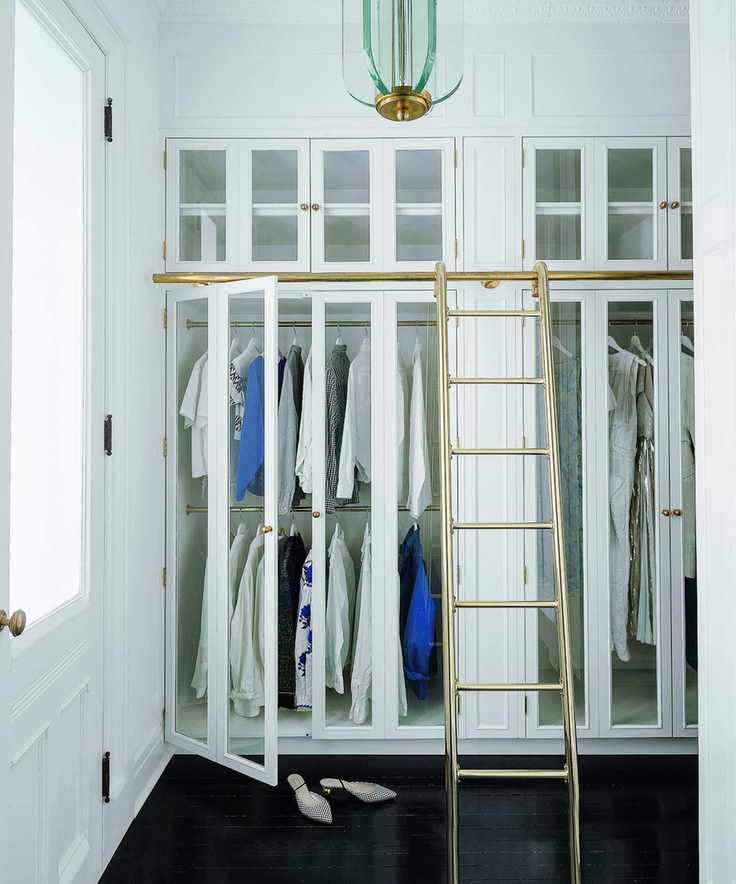
Planning to organize your closet this weekend? This simple change might surprise you.
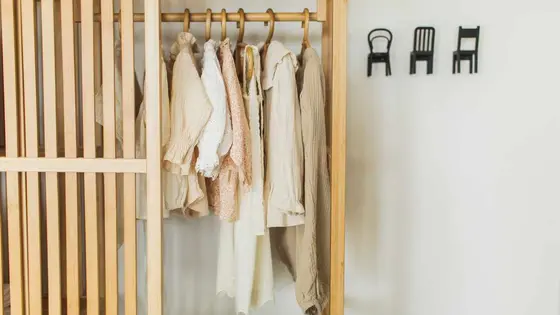
While switching out wooden hangers may seem trivial, Sarah insists that this small adjustment can significantly enhance the perception of space. 'A quick way to make your closet feel larger is to replace thick wooden hangers with thin velvet slim hangers [like these on Amazon],' she explains. 'You'll be amazed at how much space you can create.'
3. Excessive Food Packaging
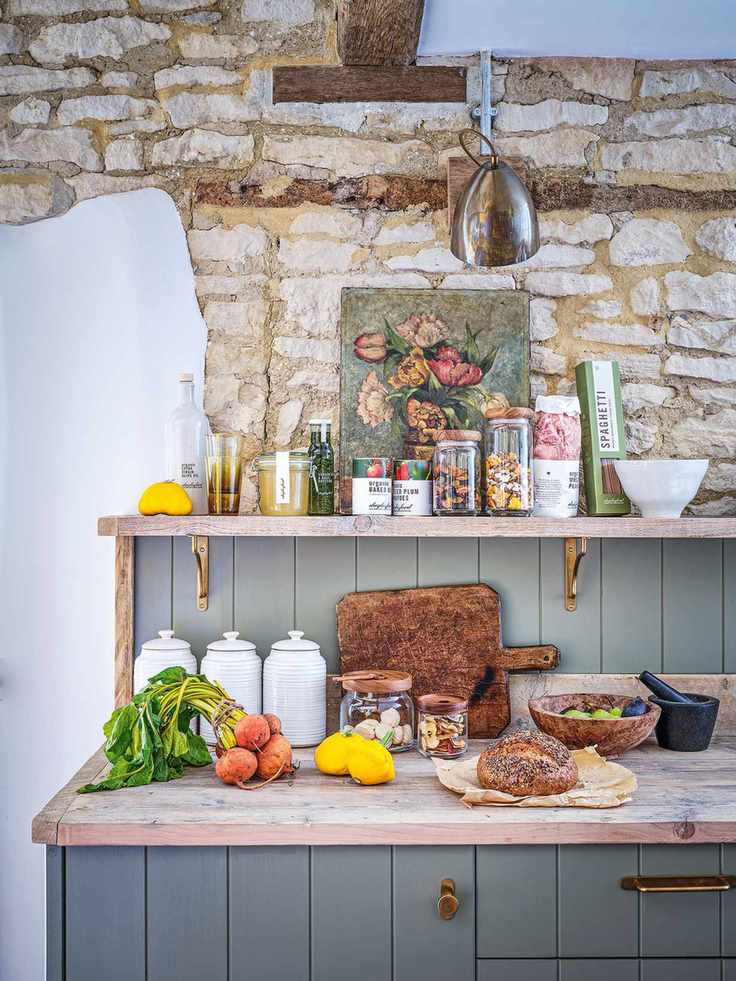
Decanting is a common practice among those passionate about pantry organization. However, Sarah encourages applying this technique in more areas of your kitchen, where bulky food packages can easily accumulate.
'Transferring food items into clear containers and discarding their bulky original packaging can maximize space in your pantry or cabinets,' she advises. 'By moving staples like flour, sugar, pasta, and cereal into airtight canisters, you can arrange them more efficiently on your shelves instead of piling them up.' For added convenience, she suggests using clear bins for individually wrapped snacks, making them quick to grab when you're short on time.
4. Board Game and Card Game Boxes
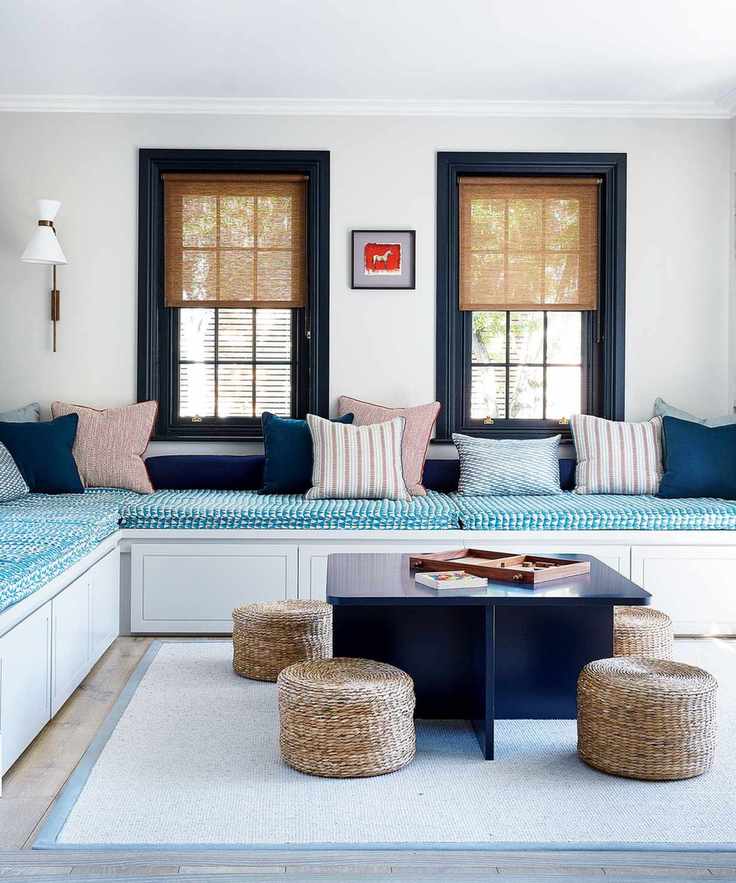
In recent years, retro board games have made a comeback among consumers of all ages. However, just like food packaging, these boxes can take up unnecessary space in a small area. The expert recommends swapping them for zippered pouches instead.
'Storing board games in their original boxes takes up much more space compared to transferring them into a single pouch, drastically reducing the needed storage area,' she notes. This method also helps prevent ripped boxes and lost pieces, providing benefits beyond simple space-saving.
5. Small Appliances on Countertops
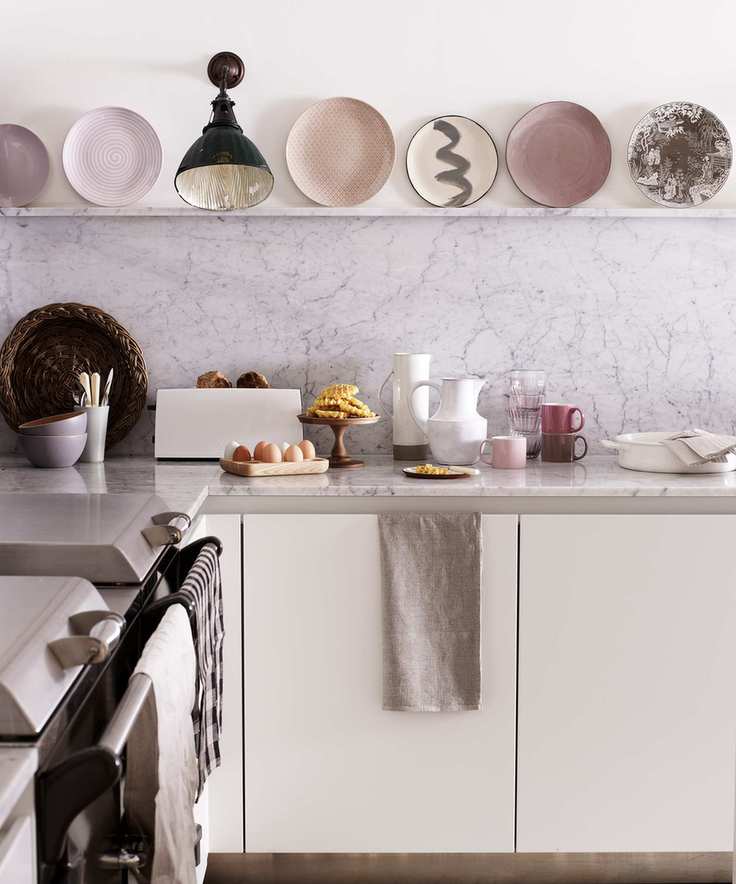
While small kitchen ideas can often seem overwhelming, organizer Elle Penner from Modern Minimalism suggests a straightforward solution to enhance your space.
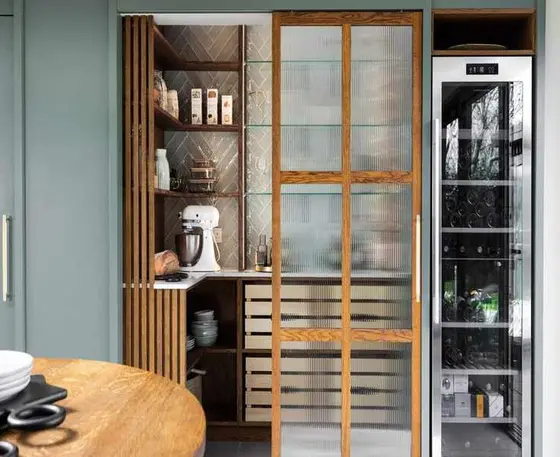
'Small kitchen appliances contribute significantly to countertop clutter, making your kitchen feel even smaller. Start by eliminating any duplicate or broken appliances, then store away anything you don't use on a daily basis,' she advises. Begin with your best stand mixer, blender, and food processor—these are best stored in a cupboard when possible. 'Even if you use certain appliances several times a week, the extra space you'll gain is worth the few seconds it takes to retrieve and return them,' she adds. This is a change worth trying.