
With rising costs, keeping the heating on throughout the day isn't always feasible for warmth.
After living in an old Victorian terrace for over a year, I've tested various techniques to retain heat longer after the heating stops, helping me reduce energy expenses without compromising comfort.
Here are my top five strategies to maintain warmth in your home without boosting the thermostat, and why they're effective for cost-saving at home.
Ways to Retain Heat Without Increasing the Thermostat
These five methods are essential for keeping warmth even in less insulated homes, and I rely on them every winter.
1. Hang Thermal Curtains on External Doors
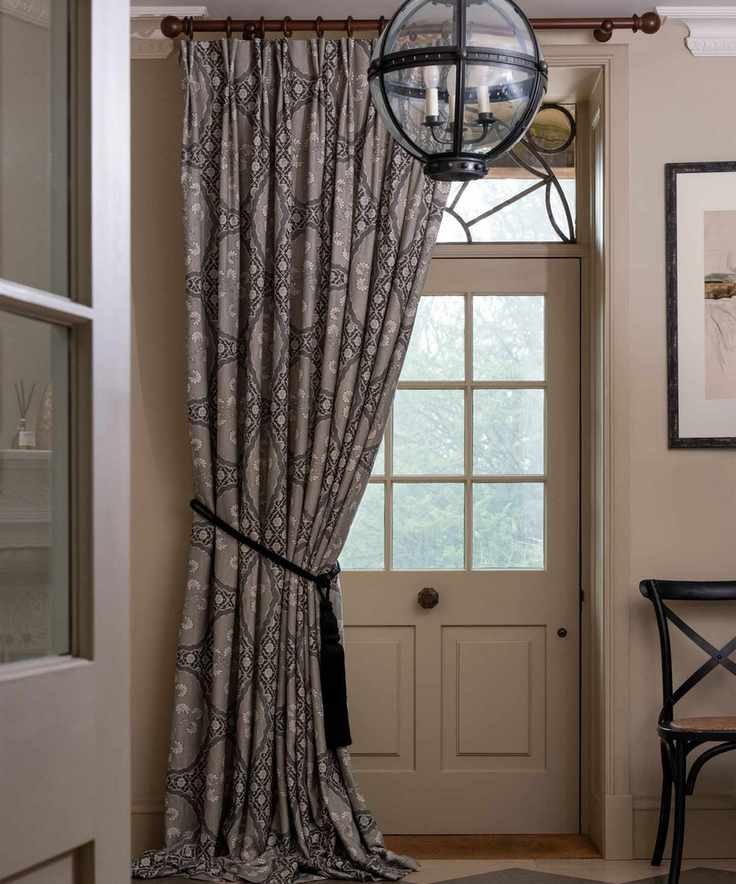
Thermal curtains play a crucial role in my home year-round, especially in winter.
Curtain options aren't just for windows; I always cover my front and back doors with thermal curtains that pool slightly on the floor to block drafts. Studies indicate that about 35% of heat escapes through walls and door gaps, making it vital to seal these areas to retain warmth.
I typically keep this curtain closed throughout the day, particularly when the heating is active, to minimize cold air intrusion.
2. Utilize Draft Excluders
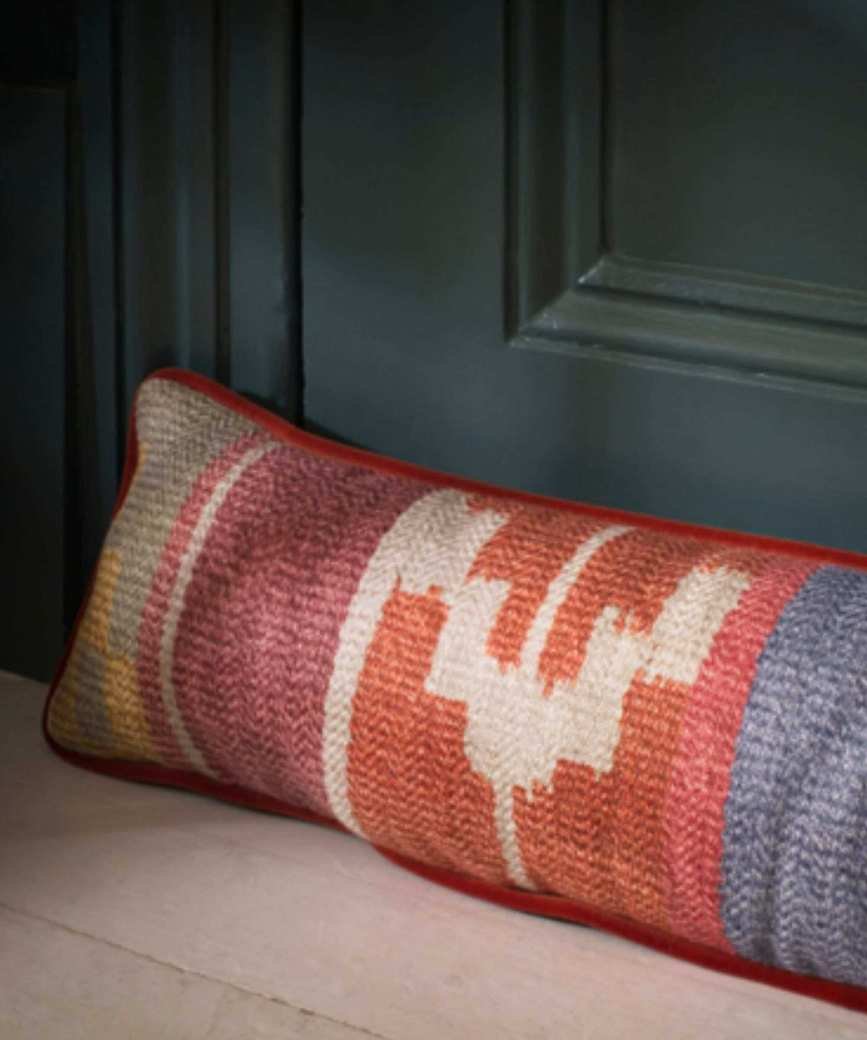
Draft excluders are essential for maintaining warmth and keeping heat inside. I recommend using them on both internal and external doors to ease heating in individual rooms.
For instance, I place a draft excluder at the bottom of the door between my unheated kitchen and the living room to keep the living area cozy.
When addressing a drafty door, I prefer movable options like weighted draft excluders from Amazon, which can be stored away during summer months to help cool the house. Alternatively, sticky draft strips made of foam or brush can be a more permanent fix.
Underdoor Draft Stopper | $19.99 at Amazon
A handy sticky draft blocker works effectively to stop drafts on both external and internal doors.
3. Seal Windows Effectively
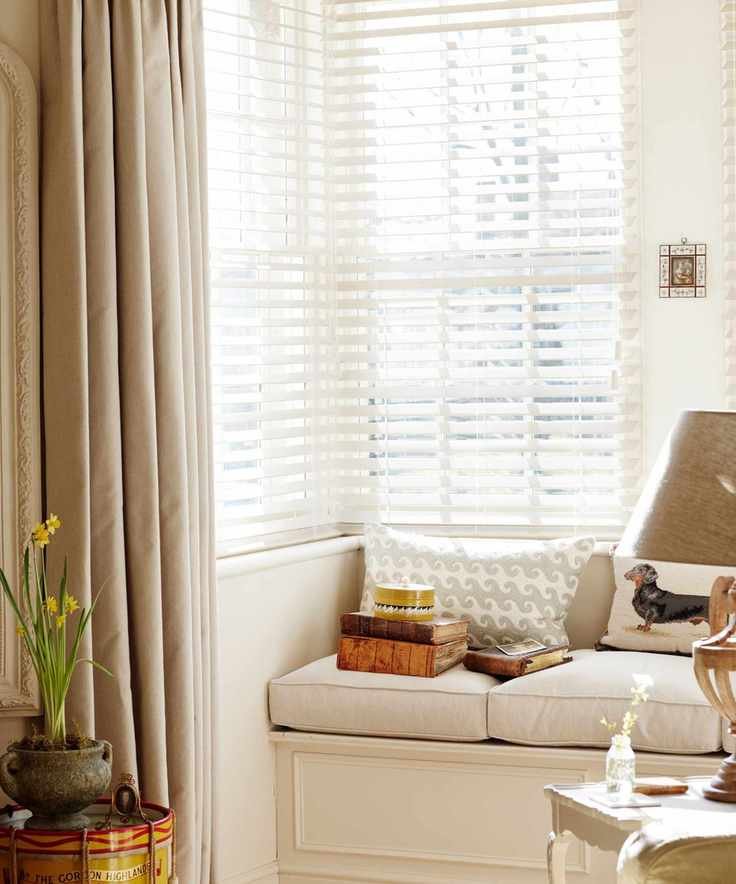
Even with double-glazing, windows are significant contributors to heat loss and cold air entry. When heating is on, I always close them with thermal curtains to keep the cold air confined.
Another draft-proofing solution is to apply window film for winter, though this prevents window opening for ventilation. To implement this, I cover the window recess with plastic wrap and use a hairdryer to mold it to the frame, ensuring it stays put all season.
4. Keep Heat Vents and Radiators Clear
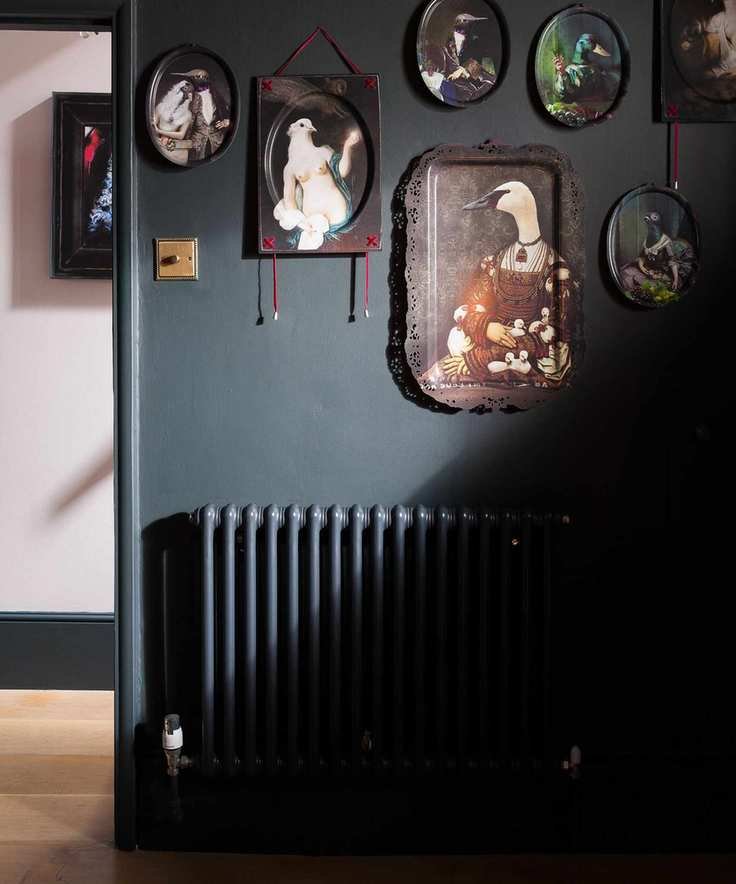
While radiator covers may enhance aesthetics, hiding these key heating elements can lead to wasted expenses.
With only wall-mounted radiators beneath my windows, I ensure to lift curtains and rest the bottoms on the sill to expose the heaters while keeping the windows sealed. This creates a significantly warmer space in less time.
I often leave the curtains set on the ledge after the radiators switch off to maintain warmth longer. If you have heat vents, keep them free of furniture, curtains, and rugs to optimize heating efficiency.
5. Close Internal Doors
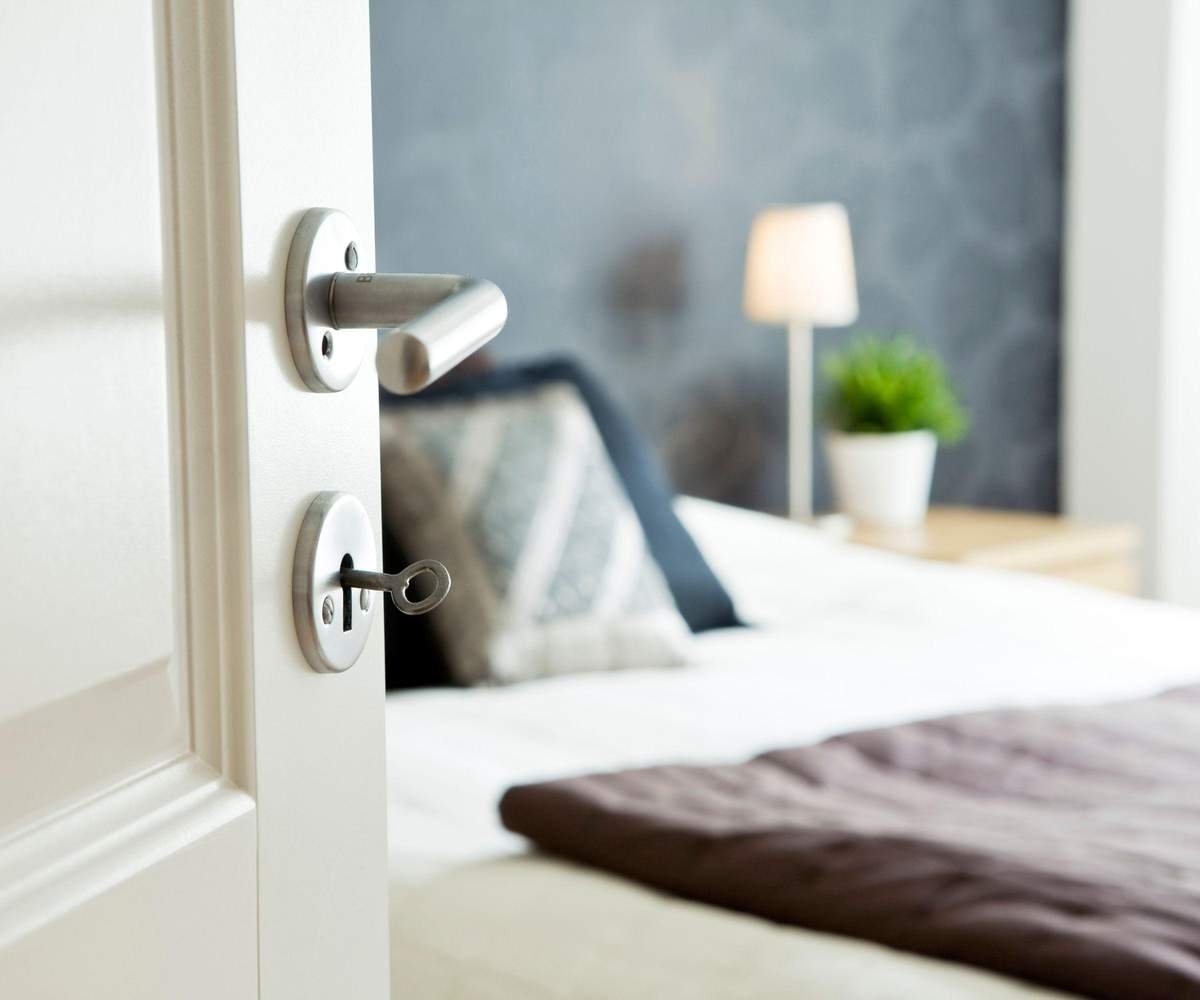
It's much simpler to heat a smaller area than a large open space. Closing internal doors concentrates warm air in individual rooms, preventing heat from dissipating, which is also beneficial if you need to heat your home during a furnace failure.
Just remember to open doors periodically for ventilation to avoid mold and musty smells. My open-plan living area presents a challenge for heating, but strategically placed heaters help maintain a more stable temperature.