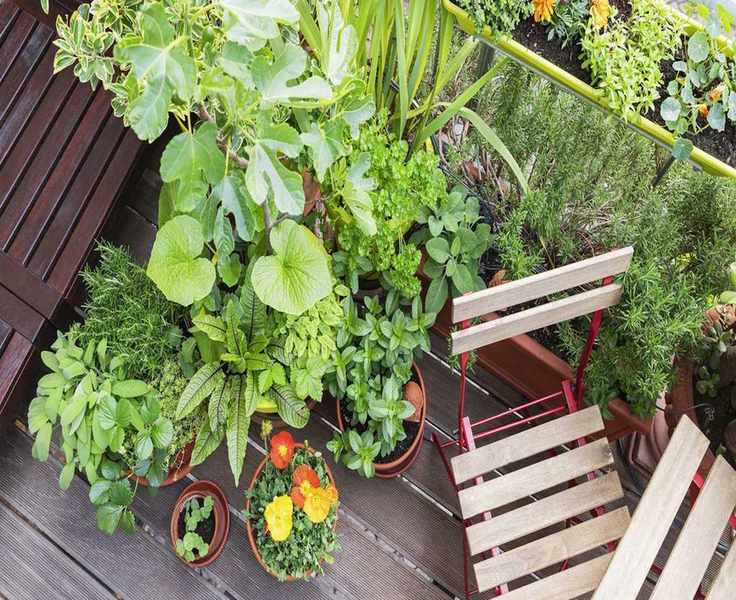
This delightful container idea is designed to engage all your senses—sight, taste, touch, smell, and even sound—in one beautifully arranged pot. It's a fantastic sensory journey for gardening enthusiasts. Here, I present five plants (plus a charming water feature) that will enliven your senses, regardless of your outdoor area size.
While we often think of gardens in terms of visual appeal, a combination that stimulates all five senses can significantly enhance the relaxation and enjoyment of your outdoor space. Plant this container and place it in your yard or on your balcony, inviting moments of tranquility as you appreciate every detail.
Assembling this planter is quick and rewarding, making it one of the easiest sensory garden concepts you'll discover. I've curated a Mediterranean-themed selection of plants that flourish together in a sunny container. I also provide some alternatives if you want to mix things up. Use multipurpose compost blended with horticultural grit for the best results.
Selecting the Perfect Container
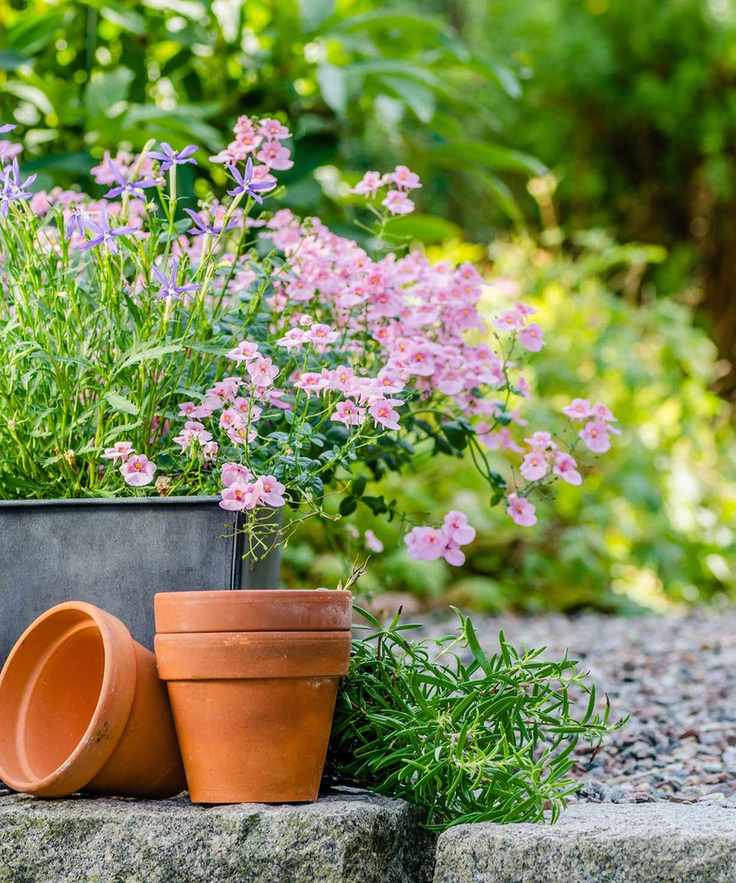
By following this planting guide, you'll create a container filled with five perennial plants that will look, smell, taste, sound, and feel wonderful for years. Ensure your pot is at least 20 inches (60 cm) wide and 12 inches (30 cm) deep to provide ample space for growth.
If you decide to add the water feature, opt for one around 3 feet (90 cm) in diameter.
This combination thrives in sunny spots with well-drained soil, making unglazed terracotta an excellent choice since it allows the soil to breathe and drains excess water efficiently.
Its aesthetic complements the sun-drenched earth and lazy days reminiscent of the Mediterranean coast. If your planter lacks drainage holes, be sure to create some.
Consider this Acanthus pot available at Home Depot for a classic look. Outdoor planters can also be found at Lowes.
1. Lavender
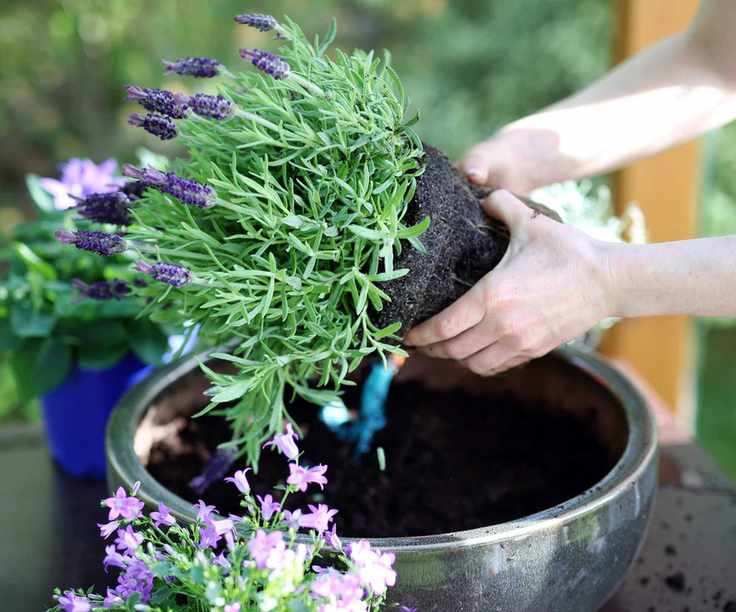
English lavender (Lavandula angustifolia) is a favorite for its fragrance, blooming from mid to late summer with tall, aromatic spikes in purple, pink, or white.
The evergreen leaves also provide a fresh, pine-like scent year-round. It typically grows to about 2-3 feet (60 cm-1 m) in a few years.
French lavender (Lavandula stoechas) is another option, growing 16-24 inches (40-50 cm) tall, with each flowerhead crowned by purple bracts.
For growing lavender, ensure sharp drainage and ample sunlight, perhaps adding some crocks at the bottom of your pot. Position lavender centrally or slightly off-center to allow it room to spread.
This evergreen shrub returns each year, so prune a third of its growth after the flowers fade in late summer.
Bonus: the gentle hum of bees will enhance the sensory experience of your lavender.
Shop lavender plants at Fast Growing Trees.
2. Quaking Grass
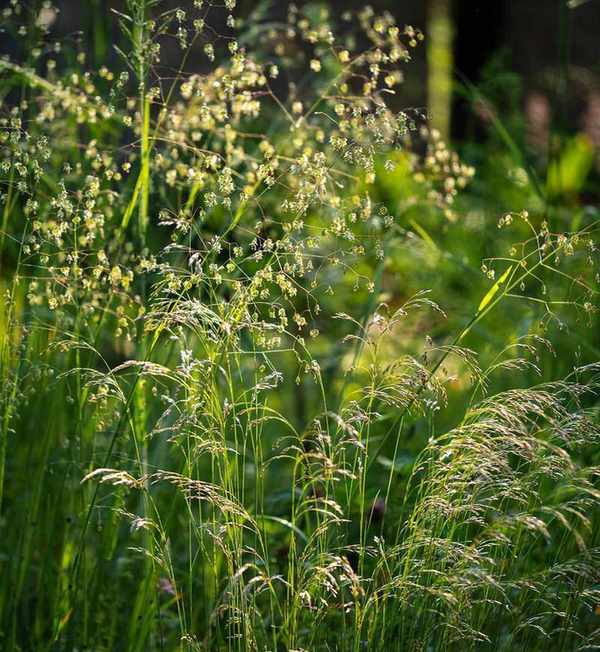
Briza media, commonly known as quaking grass, offers a delicate, ethereal appearance. It can reach around 3 feet (90 cm) tall, showcasing arching stems adorned with locket-shaped flowerheads that sway gracefully in the wind.
Listen closely or gently brush your hand through its stems, and you'll hear the soft rustling. Leaving the stems over winter adds interest to the garden.
This semi-evergreen perennial thrives in USDA zones 4-10 and pairs beautifully with lavender. Like lavender, it prefers well-drained, somewhat poor soil, so no fertilization is needed.
For added movement and texture, consider other ornamental grasses like Stipa teniussima or purple-flushed Festuca amethystina, which will complement your lavender nicely.
Find ornamental grasses at Fast Growing Trees.
If you want to amplify the 'sound' aspect, consider a small solar-powered water feature. The blue glazed koi design from Amazon provides a soothing gurgle without complicated installation.
3. Lamb's Ears
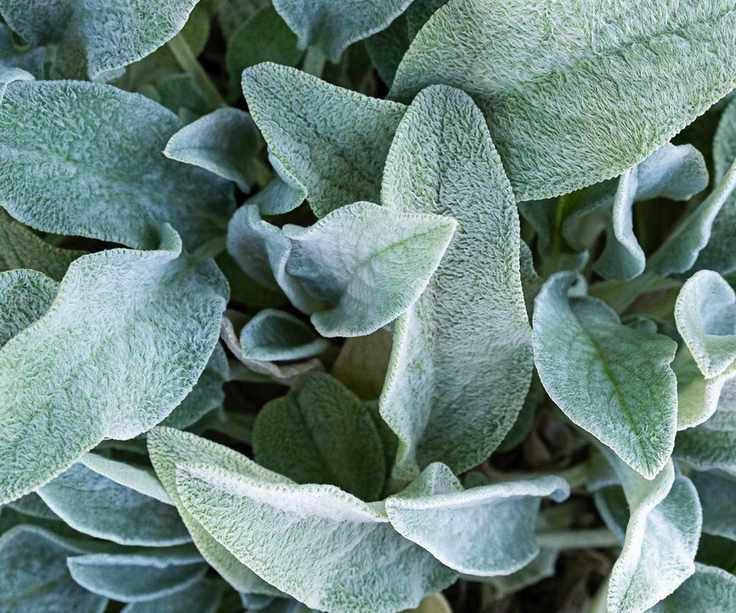
Lamb's ears (Stachys byzantina) are known for their soft, silvery foliage that begs to be touched. I recommend the 'Silver Carpet' variety for its stunning silver leaves, making it one of the top plants for silver foliage.
While some cultivars bloom more, we're focusing on the soft, fuzzy leaves for our sensory container.
These plants thrive in USDA Zones 4-9, like lavender and grasses, enjoying full sun and well-drained soil.
Check out Nature Hills Nursery for a lovely lamb's ear called Helene Von Stein.
For a different tactile experience, consider adding sea holly (Eryngium). With prickly flowers in shades of white, silver, and blue, they grow to about 60 cm and thrive under similar conditions.
Discover 'Blue Glitter' sea holly at Nature Hills Nursery.
4. Thyme
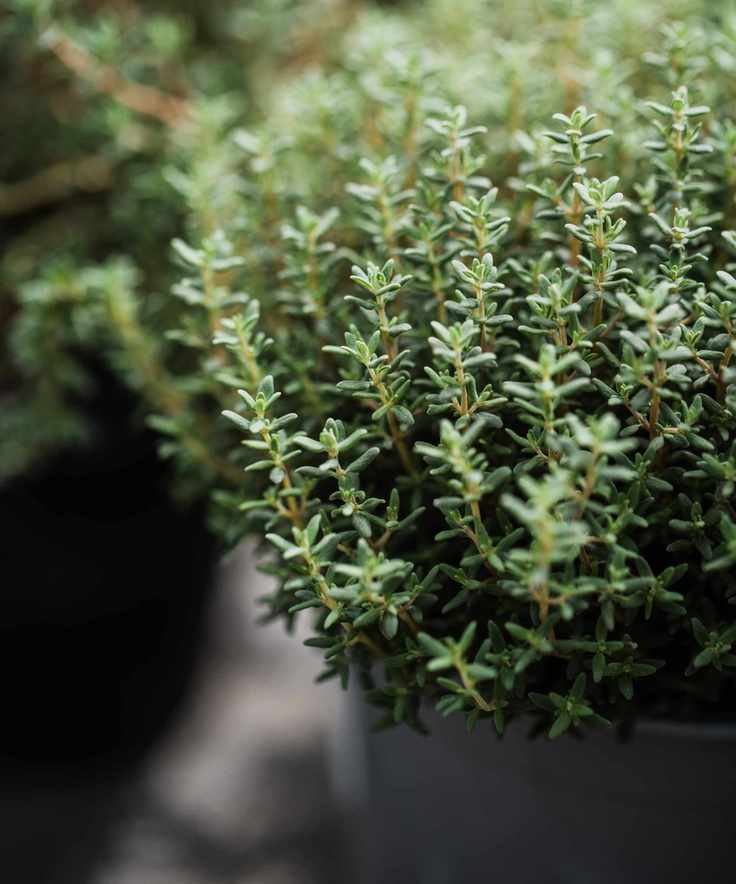
This herb is perfect for culinary enthusiasts. I've chosen thyme for its culinary versatility and appealing appearance.
With many varieties available, growing thyme is straightforward. They all prefer direct sunlight and well-drained soil, making them ideal for our sensory container.
Consider a silver-leaved type like 'Silver Posie' or opt for the citrusy 'Lemon Variegated' or 'Archers Gold'. Thyme also attracts pollinators, showcasing small pinkish flowers from late spring to summer that bees love.
This low-growing herb reaches about 6 inches (30 cm) tall, so use several plants around the pot's edge to create a gentle spillover effect.
Regular trimming after flowering keeps it tidy.
Alternatively, you could choose another sun-loving herb, such as oregano or sage.
Explore herb plants at Nature Hills Nursery.
5. Cosmos
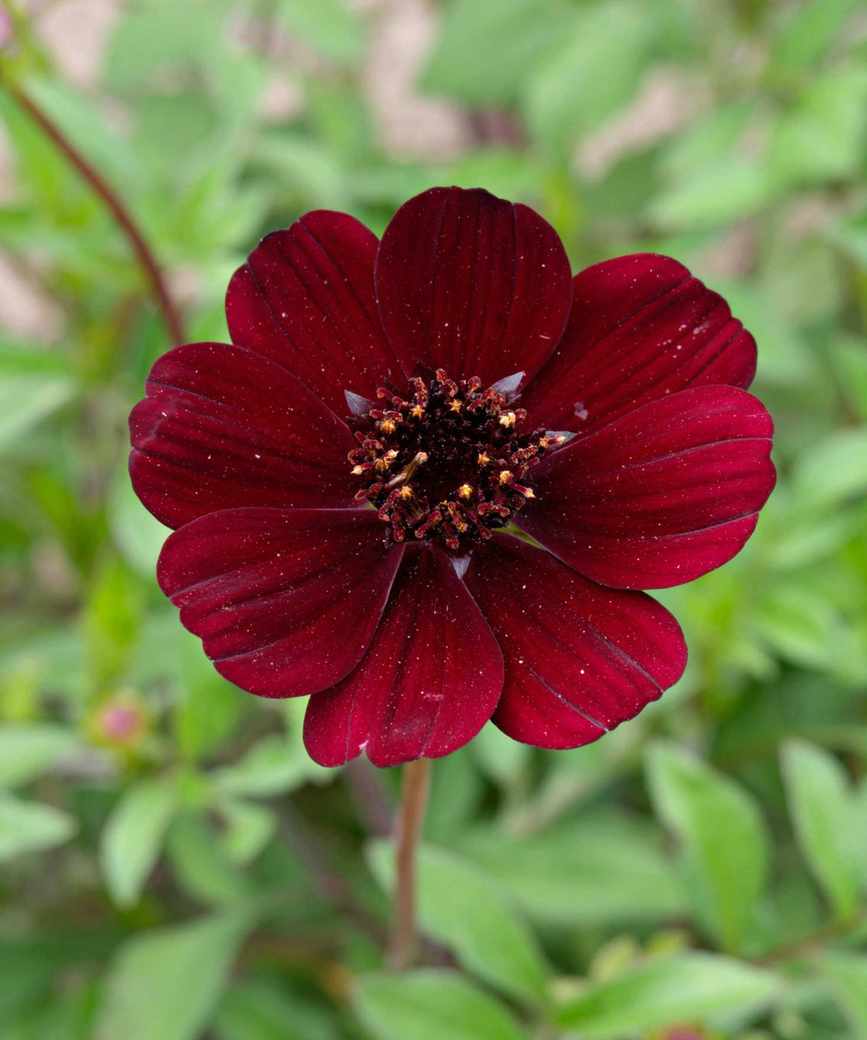
The two most popular cosmos varieties are the annual Cosmos bipinnatus and the perennial Cosmos atrosanguineus (chocolate cosmos). I recommend the latter for a long-lasting container.
My favorite is the award-winning 'Cherry Chocolate', boasting deep pink flowers and shorter stems than the original, growing around 1-2 feet (45-50 cm). Its rich cocoa scent and vibrant petals make it a standout.
Suitable for USDA Zones 7-11, it's somewhat frost-sensitive, similar to dahlias.
In zones 7-8, protect it during winter by mulching well or moving the pot to a sheltered location.
There are countless ways to stimulate the senses in your garden, but creating a planter is one of the quickest and most effective. This container idea allows for endless creativity. Just ensure your chosen plants thrive under similar light, soil, and watering conditions, and you can't go wrong.
Then, sit back and enjoy the delightful sights, scents, and sounds of your garden.