
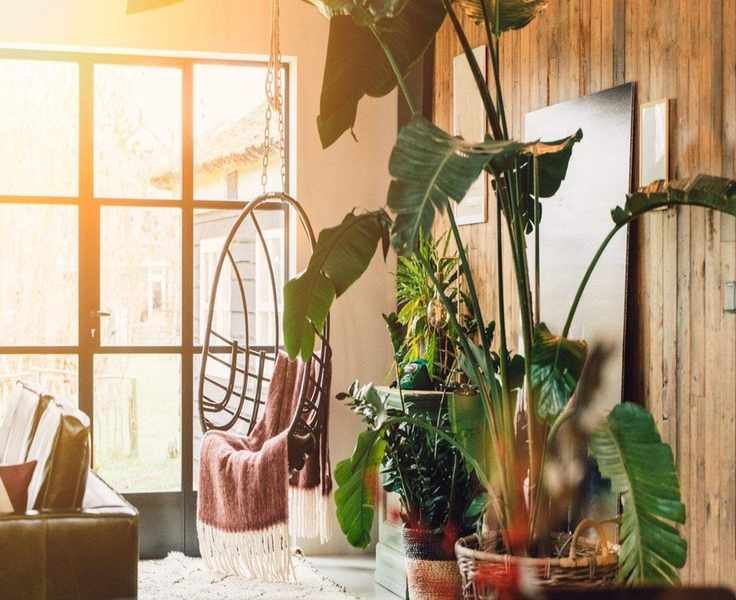
I've been a houseplant enthusiast for years, and I admit it can be quite an obsession. Every time I visit a garden center or even a grocery store, I find myself compelled to bring home a new plant. However, after facing numerous disappointments, I've developed a keen eye for red flags to look for when selecting houseplants, such as their watering condition, overall health, and even their store placement.
Even if you think you've found the perfect indoor plant, it may not be worth your money if it shows signs of overwatering, pest infestations, or numerous yellow leaves. While I've had success reviving a few neglected plants, sometimes the damage is too extensive—especially if you're looking for vibrant greenery right away and lack the time for restoration.
If you're new to houseplant care or have struggled to find healthy specimens, keep reading. Here's my list of five crucial red flags to consider before making a purchase.
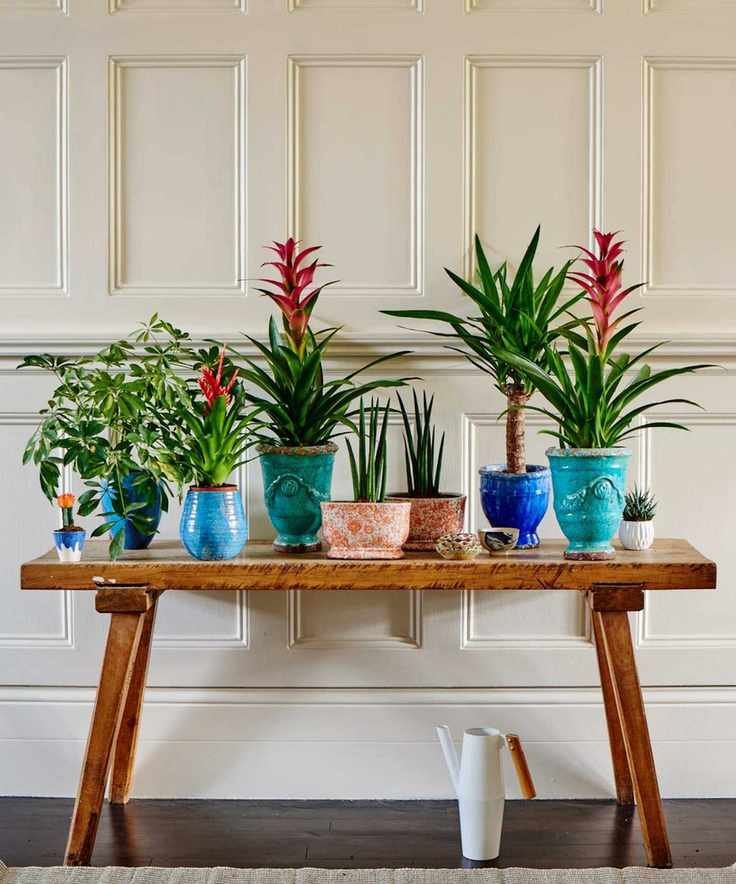
Houseplants may have hidden issues when you first buy them
5 Warning Signs When Purchasing Houseplants
Often, the reason why houseplants from stores fail to thrive is due to common care mistakes made by the retailer.
From waterlogged roots to inadequate lighting, several factors can jeopardize a plant's health before it even reaches your cart.
1. It's Not From a Specialty Seller

It's wise to support local nurseries whenever you can
The first warning sign to consider is the origin of the plant.
If you discover it at a supermarket or hardware store, it may not have received the expert care that a dedicated plant shop or garden center provides.
This isn't to say that all plants from those retailers are of poor quality—a supermarket orchid in my home has thrived for years—but it's a cue to scrutinize the plant's condition more closely.
Whenever possible, I prefer to support independent plant shops and nurseries. For instance, The Sill offers a wide range of houseplants online.
2. The Plant is Sitting in Water
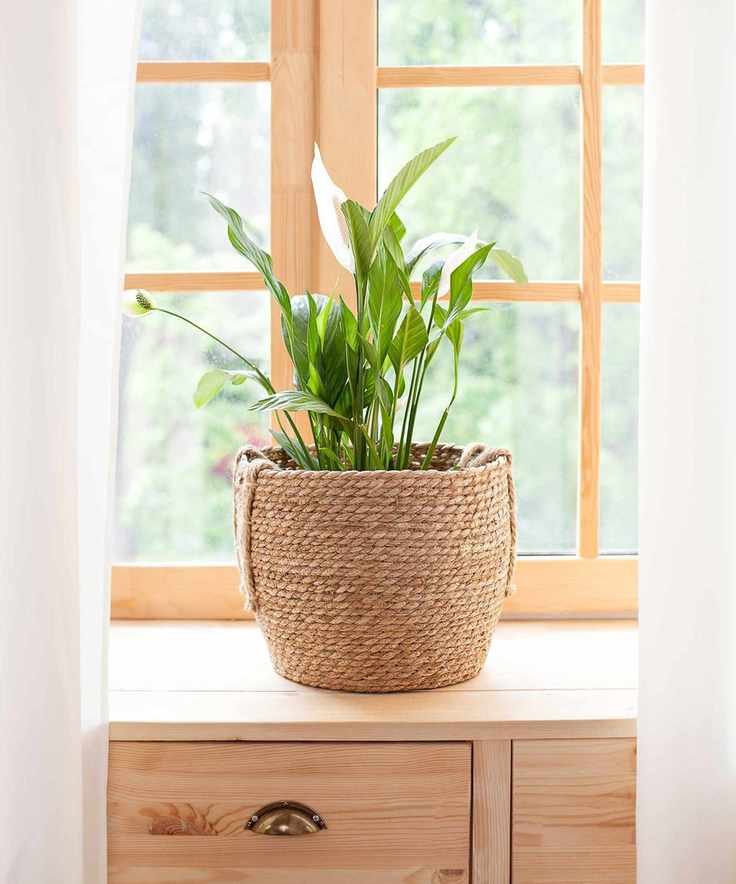
Many houseplants struggle with excess moisture
Improper watering is a top reason many houseplants don't survive.
I frequently see plants sitting in trays filled with water at stores, which raises a red flag.
This is particularly concerning for plants that prefer to dry out between watering, like cacti, or those that thrive on consistent moisture but are prone to root rot, such as a fiddle leaf fig.
The danger of overwatering increases if they are in nursery pots, which can retain water through drainage holes.
However, it's not always a disaster, as bottom watering can effectively provide the right amount of moisture. If plants have been left sitting in water for too long, though, their soil can become waterlogged.
To assess, stick your finger into the top few inches of soil. If it feels soggy and you see signs of overwatering like yellow leaves, it's a warning.
Knowing the specific watering needs of the plant helps determine if this is a problem. For example, Boston ferns (like this one from Lowe's) thrive with consistent moisture.
3. It Has Powdery Mildew
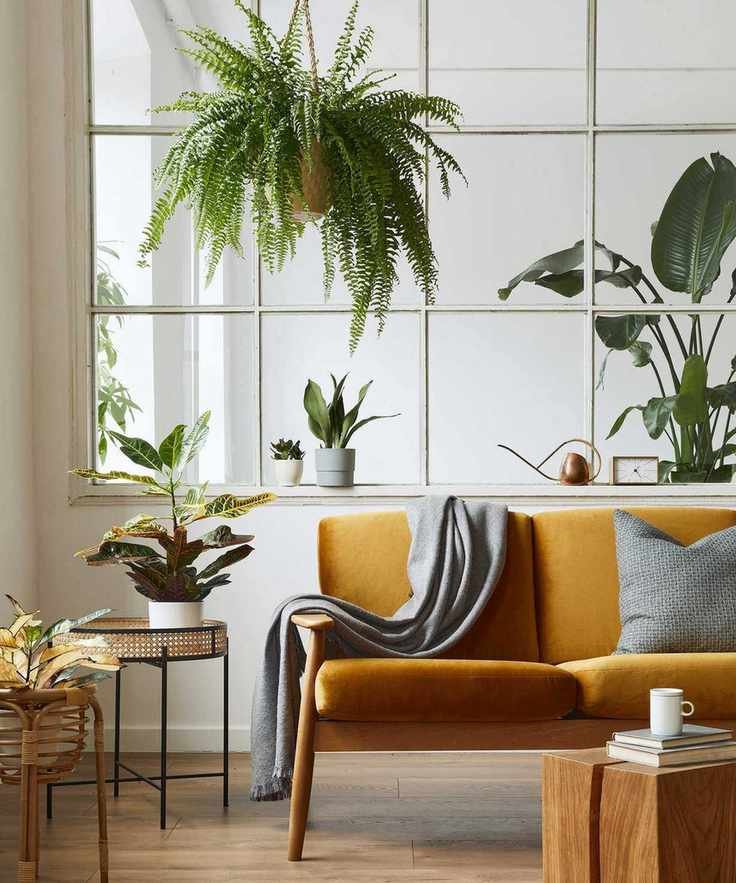
Powdery mildew can affect both garden and indoor plants
While a shelf full of lush tropical plants is visually appealing, it can also be a breeding ground for powdery mildew.
This fungal issue appears as white-gray powdery spots on leaves and can spread quickly through airborne spores, especially in crowded plant settings.
Finding powdery mildew is a major red flag when looking for houseplants, as it can pose a risk to your other plants.
If you spot it on a newly purchased plant, isolate it and prune away the affected leaves.
Some people find success with a DIY mixture of baking soda and water, applying it with a plant mister (like this one from Amazon).
4. There Are Numerous Yellow Leaves
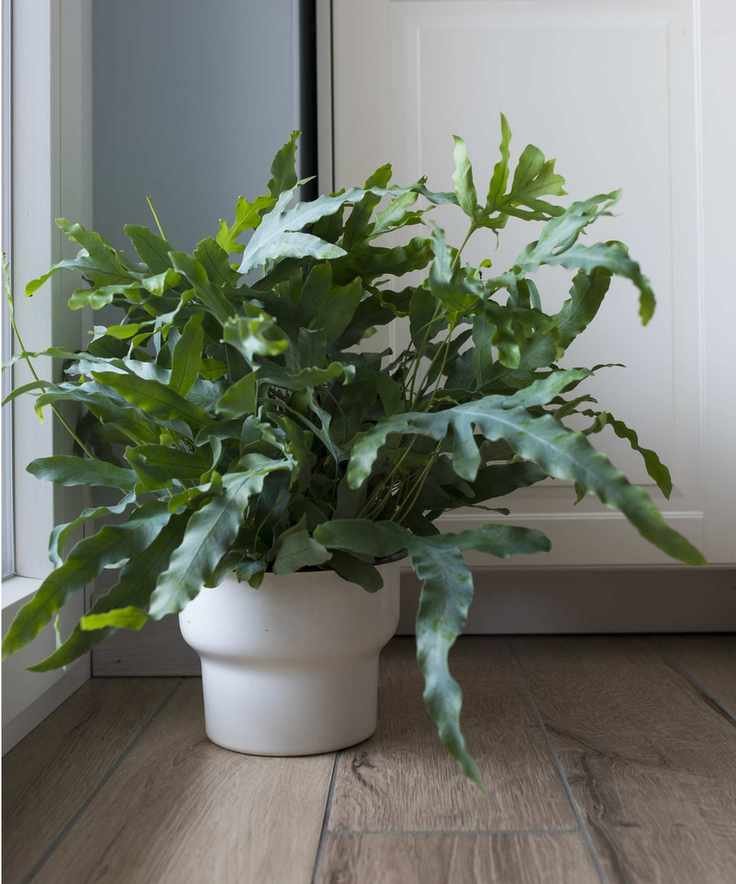
Yellow leaves don't automatically mean plants are beyond saving
Seeing some yellow leaves from time to time is normal, but when over a third of a plant's leaves are yellow in a store, it's a major warning sign.
This indicates potential issues, such as pests, poor care, or a plant that's pot-bound and struggling to grow.
That said, plants that appear slightly worse for wear can often be revived. I've successfully brought a droopy calathea back to life from a local garden center's reduced section.
However, be prepared for the fact that nursing sick plants back to health can take time.
Check the underside of leaves for pests, inspect the roots for overcrowding, and look for additional signs like leaf drop. This will indicate how easily the plant might recover.
Once home, utilize essential pruning tools (like these snips from Amazon) to remove damaged leaves.
Remember to adhere to the one-third pruning rule to avoid shocking the plant further.
Place it in a warm, bright spot (within its light requirements, of course), keep up with watering, and with some care, it may flourish again.
5. It's Positioned Away From Windows

Houseplants have varying light requirements
Another aspect to consider is the placement of houseplants in the shop. If they're tucked away in a dark area with only artificial lighting, they're likely struggling.
Grow lights for houseplants (such as this bamboo grow light from Amazon) can provide necessary support, especially during winter months.
However, plants grown solely under artificial light can become weak and develop leggy growth.
This doesn't mean they're unworthy, but expect that they'll need extra care to strengthen them.
Moving them from a dim area in the store to a bright windowsill could shock the plant, causing leaf drop and other issues.
Instead, gradually acclimate the plant to brighter conditions, perhaps using a sheer curtain (from Wayfair) to shield it while gradually moving it into brighter spaces.
Keep in mind that some plants, like the ZZ plant from IKEA, thrive even in lower light conditions.
FAQs
Why Isn't My New Houseplant Growing?
If your new houseplant isn't growing, various factors could be at play. In winter, it may simply be dormant. Conversely, during spring or summer, check for pot-bound roots or pests that could hinder growth. If it seems otherwise healthy, it might just be a slow-growing variety.
Being vigilant about red flags when buying houseplants is one way to become a better plant parent this year.
What to Shop
Blue Ceramic Planters
These blue ceramic planters come with drainage holes and saucers to manage excess water effectively.
Pebble Humidity Trays
These trays enhance humidity for moisture-loving houseplants. Simply place your plants on top and refill the water as needed.
Watering Can & Plant Mister
This duo is essential for keeping your plants hydrated, featuring a detachable nozzle for precise watering.