

Many choose conventional laundry detergents for their affordability and appealing scents, but are they safe? These products often contain harmful chemicals that can negatively impact our health and the environment.
With insights from medical professionals, we explore the key indicators that signal it's time to ditch your current detergent for a non-toxic alternative.
Signs It's Time to Change Your Detergent
While detergent is essential for laundry, understanding the ingredients in your cleaning products is crucial for maintaining a safe environment.
1. Skin Irritation and Rashes

Harsh detergents can harm your skin.
Dr. Tingting Tan, a medical oncologist, notes that skin irritation often surfaces first when using problematic detergents. Contact allergies are rare, but skin responses are common.
Dr. Hannah Kopelman concurs, stating that skin problems like rashes and itchiness can result from detergent residues on fabrics, leading to ongoing discomfort.
Many laundry detergents contain harmful substances such as PFAS, fragrances, dyes, and phthalates. Punteha van Terheyden, Head of Solved, eliminated her blue detergent due to its unnecessary brighteners that harm the ecosystem and can trigger skin reactions.
For sensitive skin, consider using dye- and fragrance-free options like Ecover laundry detergent, which is dermatologist-approved and effective for sensitive skin.
2. Congestion Issues

Stuffy noses may signal toxic residues in bedding.
Respiratory problems can indicate issues with your laundry detergent. If you experience stuffiness or worsening asthma after changing products, it's time to investigate.
Dr. Mario Padron advises that a stuffy nose or watery eyes could mean your bedding harbors harmful detergent residues. Look for fragrance-free detergents like Seventh Generation Free & Clear to minimize allergens.
Using white vinegar in your laundry can help eliminate detergent build-up. Just add a cup to your detergent drawer for cleaner, toxin-free bedding.
3. Scratchy Fabrics

Keep your clothes softer with proper organization.
Dr. Padron mentions that scratchy or stiff clothing may indicate detergent residue or overly aggressive formulas. Dr. Kopelman recommends switching to a non-toxic, fragrance-free detergent and running an extra rinse cycle to ensure all residues are removed.
Check out these top non-toxic detergent options:
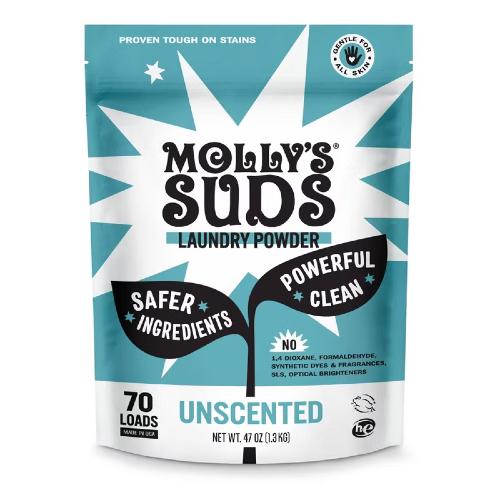 Plant-derived
Molly's Suds Unscented Laundry Powder is free from harmful chemicals and effective, earning a 5-star rating.
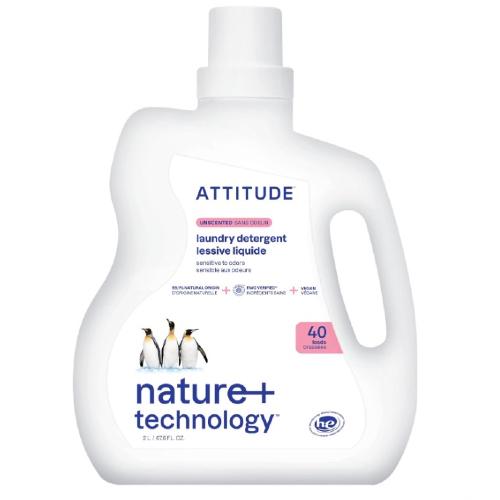 Refillable
ATTITUDE Liquid Laundry Detergent is EWG Verified and unscented for those sensitive to fragrances.
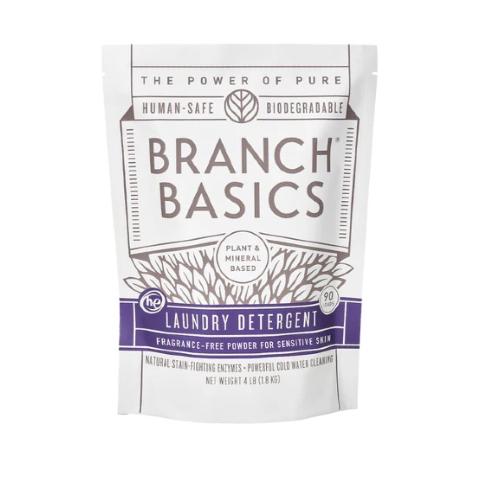 Biodegradable
Branch Basics Laundry Detergent is free from harmful chemicals and effective in hard water settings.
4. Sleep Disruptions

Choosing the right detergent can enhance your sleep quality.
Believe it or not, toxic laundry products can impact sleep quality. Dr. Mario notes that synthetic fragrances can irritate the nervous system, making it difficult to achieve deep sleep.
For better sleep, consider washing your sheets with Tru Earth's compact laundry detergent sheets, which are hypoallergenic and eco-friendly.
5. Fabric Fading and Damage

Organizing your closet helps maintain fabric quality.
If your clothing is fading or showing signs of wear more quickly than expected, your detergent may be too harsh. Dr. Mario explains that certain formulas can strip fabrics of essential oils and weaken fibers.
Switch to a gentler option like The Laundress Signature detergent, designed to clean while preserving fabric integrity.
6. Hormonal Disruptions

Clear out toxic items from your laundry room for better health.
A 2022 study revealed that many cleaning products contain endocrine disruptors that can affect hormone balance. Jodie Louise, a wellness mentor, highlights how conventional detergents loaded with synthetic fragrances and chemicals can lead to mood swings and health issues.
Switching to natural, fragrance-free, or essential oil-based laundry products can significantly aid in hormonal balance and overall health.
Consider Attitude's Liquid Laundry Detergent, which meets strict health standards and has positive consumer ratings.
FAQs
What to Look for in Non-Toxic Detergents?
Prioritize reading labels and understanding company practices. Dr. Kopelman advises seeking detergents free from synthetic fragrances, dyes, and sulfates, using plant-based ingredients instead.
Can DIY Alternatives Work?
Yes, natural cleaning products are effective. Dr. Kopelman suggests mixing:
- Arm & Hammer's washing soda for odor neutralization and brightening
- Great Value baking soda for natural cleaning
- Dr. Bronner's Castile liquid soap for effective cleaning
- Iberia's distilled white vinegar for versatile cleaning
For drying, use wool dryer balls, such as Handy Laundry Store's wool dryer balls, to avoid chemical-laden sheets.
Meet Our Experts

Dr. Tan specializes in tumor development and chemotherapy resistance. She is board-certified in oncology and hematology.

Dr. Kopelman has clinical fellowships in dermatology and hosts a dermatology podcast.

Dr. Padron is a physician and attorney, dedicated to healthcare and patient education.

Jodie is a holistic wellness mentor focused on women's health.
It's easy to overlook laundry detergents as a potential cause for reactions. However, understanding ingredients and making informed choices can enhance your well-being. Consider switching detergents for a few weeks and observe any changes in your health.
Eliminating chemical-laden detergents is a step towards a safer, healthier home.