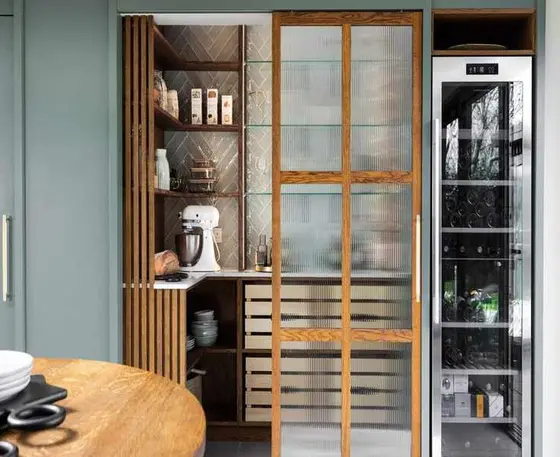
January marks the peak of the 'get organized' season, yet professional organizers have a distinct approach compared to most people. Rather than attempting a massive overhaul all at once or striving for Pinterest-perfect spaces, we concentrate on a few strategic actions that establish maintainable organizing systems throughout the year.
As a professional organizer, here are seven practical strategies to help you achieve a streamlined and manageable home this year.
These include understanding why January is the perfect time to implement effective systems instead of merely tidying up your spaces, as well as tips that prevent clutter from piling up again by March. Additionally, we'll cover how to tackle those often-overlooked areas of your home with ease and precision.
7 Key Actions I Take in January as a Professional Organizer
For professional organizers, January is about resetting systems with intention rather than pressure for perfection. Here are the essential steps we take every year, along with practical ideas anyone can implement at home.
Make 2026 the year you adopt decluttering strategies that truly work.
1. We Conduct a Life Scan Instead of a Whole-House Purge

Before diving into specific areas like closets, reflect on what has changed in your life over the past year and what may change in the upcoming 12 months.
Time: 20-30 minutes
Before decluttering a closet or another significant area, we take a moment to assess what's actually transforming this year. This could involve a new job, health goals, children growing up, changes in caregiving responsibilities, or lifestyle adjustments. To start, jot down 3-5 factors that will influence how you use your space.
For example, you may now need to work from home effectively for part or all of your week.
Effective organizing aligns with your real life, not an idealized version of it. January is the perfect time to ensure your home reflects how your days will unfold. Avoid jumping straight into decluttering without clarity, as this often leads to repetitive work each year.
If you've experienced significant life changes or milestones, consider consulting expert guides that may offer support this year:
- How to declutter in your 20s, 30s, 40s, 50s, 60s, 70s, and 80s
- Decluttering after a loss
- Decluttering sentimental items, such as after a divorce
- Organizing an empty nest
- Downsizing
- Managing decluttering with health considerations
2. We Declutter in Short, Focused Sessions

Begin with a small area, like a nightstand, to prevent feeling overwhelmed.
Time: 30-45 minutes per session
Set a timer and work within a clearly defined micro-zone (like a single drawer, shelf, or category). Stop when the timer goes off, even if you're in the flow.
This approach is effective because brief sessions minimize decision fatigue and help avoid burnout during decluttering. Prioritizing consistency over marathon clean-ups is essential. In 2026, abandon the 'all-or-nothing' mindset: progress counts even if you don't finish the room.
Here are some useful tools to have on hand, along with methods like the Scary Hour timed technique, recommended by expert editors. All prices were accurate at the time of writing:
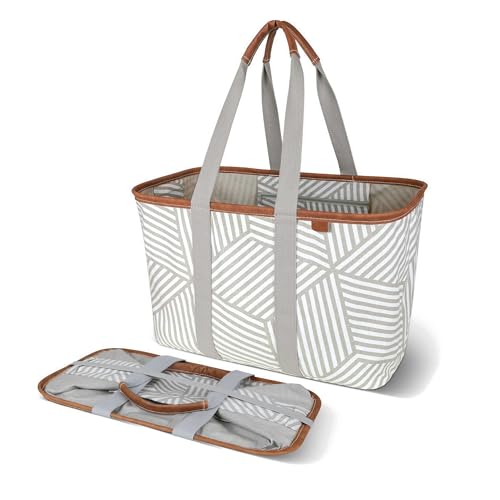 30L / 8 Gallons
The CleverMade Snapbasket Luxe Collapsible Tote is perfect for gathering items that need to leave a room. You can also use the Ski Slope organizing method if you're in full decluttering mode, or the Sunday Butterfly method if you find it difficult to focus while tidying up or completing chores.
 20 count
Keep a sturdy trash bag and a donation bag handy to categorize and manage items as you declutter. This will encourage progress rather than creating piles, ensuring your organizing efforts are active as you move throughout your home.
 Reduces overwhelm
Having a set time for your task simplifies the process of decluttering when feeling overwhelmed. Editors love using a visual version of the Pomodoro technique to ease the burden of chores. Alternatively, you can use a timer on your phone.
3. We Reset High-Impact Areas
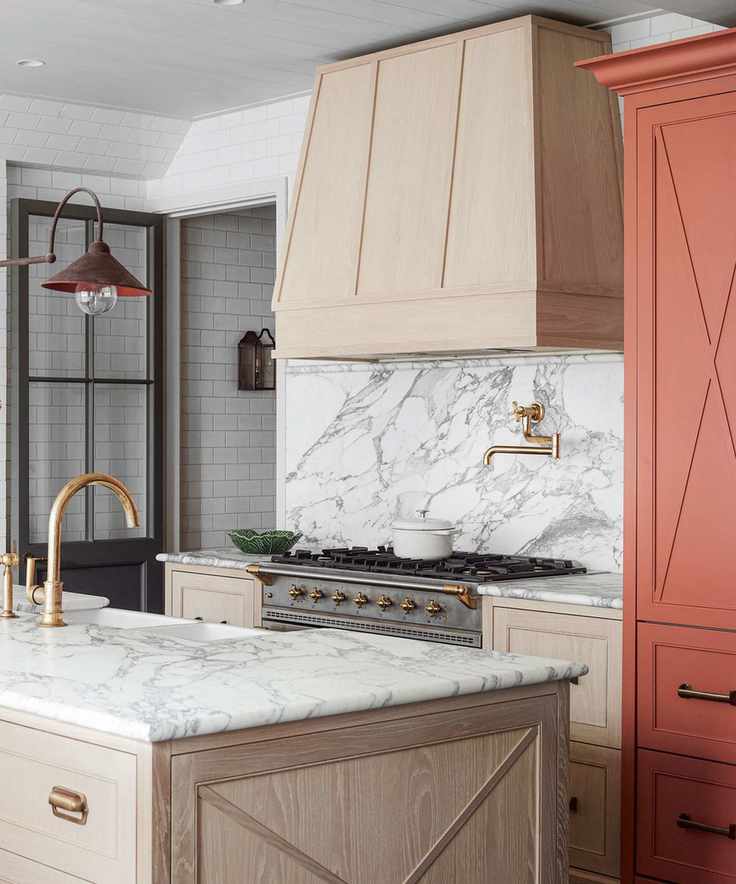
Kitchens often serve as the heart of the home, filled with memories and an abundance of items—some necessary, others obsolete.
Time: 45-60 minutes per space
Focusing on key areas of your home is an effective approach for this January task. Consider these focus areas:
- Kitchen command centers
- Entryways
- Bathroom vanities
- Paper piles
These spaces quietly drain energy every day. Resetting them early provides immediate relief. Using clear drawer dividers (available at Amazon in an affordable multipack), labeled paper trays, and small bins (instead of large catch-alls) to organize these areas will serve you best.
However, avoid purchasing containers before decluttering your belongings. Organize your items first, then find the right storage solutions to fit your space and needs.
If you find it difficult to part with items, consider that our expert team has evaluated numerous effective decluttering methods and discovered that the Didn't Know method and 50% rule can help eliminate indecision and expedite the streamlining process.
4. We Release 'Last Year's You'

Are you still utilizing your home gym? Do you need space for exercise in 2026? Reflect on your current self and release spaces and items that no longer align with your goals.
Time: 30 minutes per category
Identify categories related to personal identity changes, such as clothes, hobbies, books, and fitness equipment. Ask yourself a straightforward question: Does this item belong to who I am now, or who I used to be?
Letting go of items tied to your 'fantasy self' (the person you once were or dreamed of becoming) can be especially effective in January, a time filled with emotional potential. This release creates both physical and psychological space for new opportunities.
Be cautious about keeping items due to guilt or the sunk cost fallacy. Remember, space is valuable. The 20/20 rule succinctly advises: if you can replace an item in less than 20 minutes for under $20, it's okay to let it go without feeling guilty.
5. We Establish Simple, Low-Friction Systems
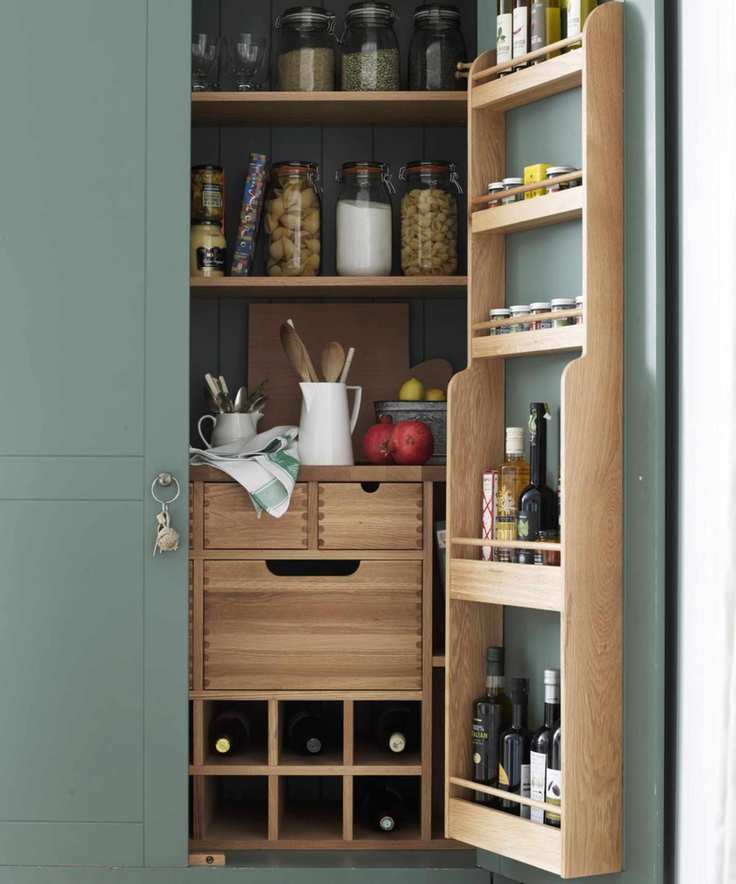
Having a designated spot for frequently used items is an organizing system in itself.
Time: 20-40 minutes
Design organizing systems that require minimal steps. Use hooks for extra storage instead of hangers, opt for open bins over stacked boxes, and keep labels at eye level for easy visibility.
The simpler an organizing system is, the more likely it will be maintained, especially during busy times. Avoid making the system overly complicated; if it takes more than two steps, it probably won't work for you or others in your household.
For instance, if you're the primary cook in your home, ensure that your herbs and spices are organized and labeled for easy return (grouped by categories like herbs, spices, mixes, and refills), so that others can return each item correctly after using them.
This approach will help maintain your organizing system over time, preventing it from becoming ineffective. Don't forget to schedule a semi-annual expiration sweep, as many household items, including herbs, spices, medications, and skincare products, typically have use-by dates.
I suggest using hooks, trays, and shallow bins, along with an inkless, portable label maker available at Walmart, or simply use painter's tape and a permanent marker.
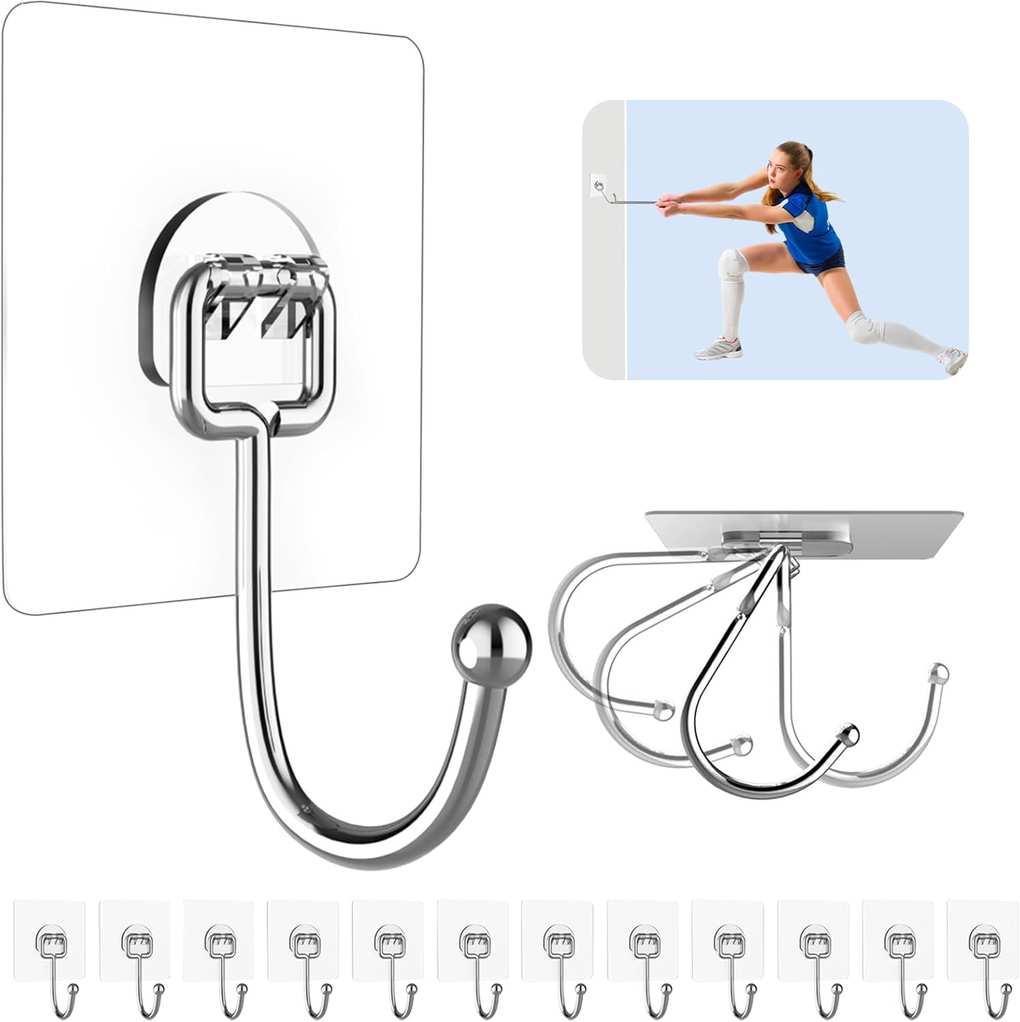
 12-pack
These discreet, damage-free over-the-door hooks can be easily attached to any door, providing instant and convenient storage. They come in packs of eight and sixteen, too.
 Homes & Gardens loves
These 12-pack large adhesive hooks are perfect for use inside cabinets, on doors, and walls, instantly adding extra storage for essentials. Allow them to bond for 24 hours before use for the best hold.
6. We Schedule Regular Maintenance, Not Just Resets

A quick tidy-up in your living room before bed feels surprisingly rewarding, and you'll appreciate a clean space first thing in the morning.
Add short reset sessions to your calendar to incorporate new habits into your routine that will last through 2026 and beyond:
- 10-minute nightly tidy
- 30-minute weekly reset
- Quarterly mini-declutter
Homes don't stay organized by themselves. Regular maintenance is key to breaking the cycle of resetting in January only to face chaos by March.
Setting recurring reminders in your calendar and committing time for this essential organizing maintenance is crucial, as relying solely on motivation can lead to disappointment. Clear systems and regular management of those systems are far more effective than willpower alone.
7. We Avoid Organizing Everything at Once
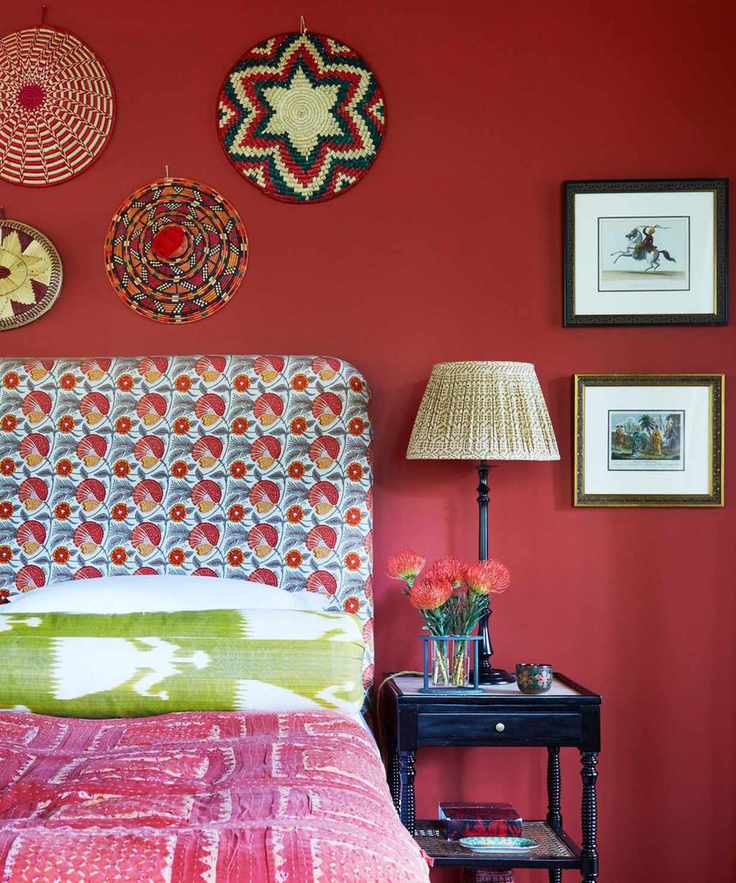
Our homes should feel lived-in and practical while also reflecting your personality and style. Focus on this instead of trying to meet arbitrary ideals set by social media.
Time: Ongoing
To prevent feeling overwhelmed or losing motivation, focus on one priority area each week and allow the rest to wait.
This method works because progress builds on itself. Achieving visible wins at home will boost your confidence and motivation. Dopamine-boosting habits can help make the task more enjoyable, while knowing how to reset your nervous system and manage stress during decluttering will remove mental barriers over time.
My top piece of advice is to refrain from comparing your home to what you see online. Real homes are lived-in, and that's perfectly fine.
The bottom line is that professional organizers don't strive for perfection in January; instead, we aim for alignment. When your home reflects your actual lifestyle, everything feels lighter.
Next, check out the organizing trends our editors are trying in 2026.