While apples, pears, and raspberries are common garden staples, there are lesser-known fruits that deserve attention. Here, we spotlight some unusual fruits perfect for home cultivation.
As a former kitchen gardener, I experimented with a variety of fruits, including some not typically seen in northern UK gardens. With fall being an optimal time to plant fruit trees and soft fruit bushes, now's the time to consider unique options.
This list of unusual fruits is crafted from my gardening adventures and insights from expert growers. If you're ready to impress with something different, read on!
7 Unique Fruits to Cultivate
In this section, we explore what makes each fruit unique, their benefits, and the ideal growing conditions. Most of these fruits can thrive in containers, making them suitable for various spaces.
1. Buddha's Hand
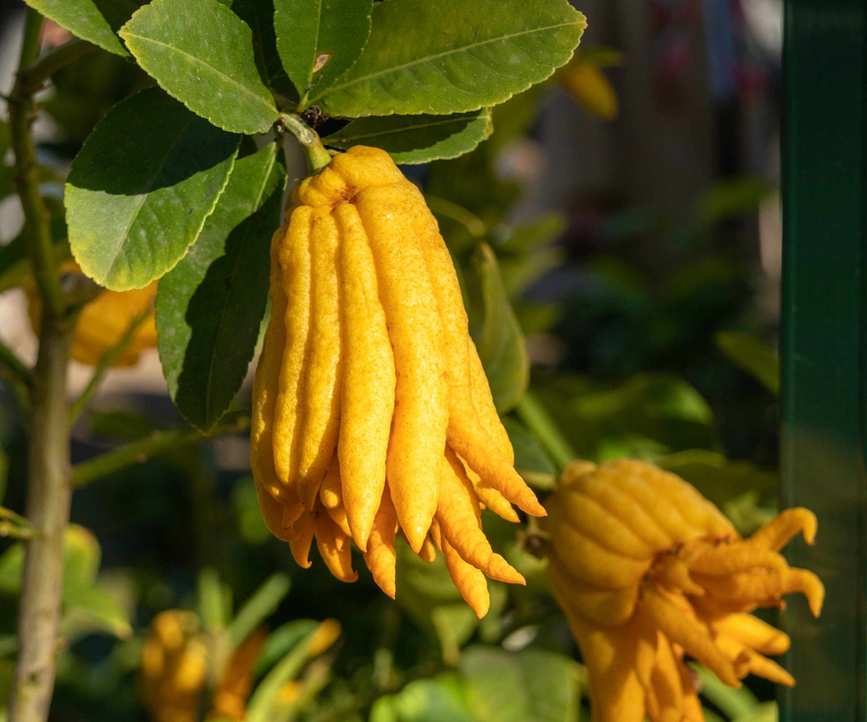
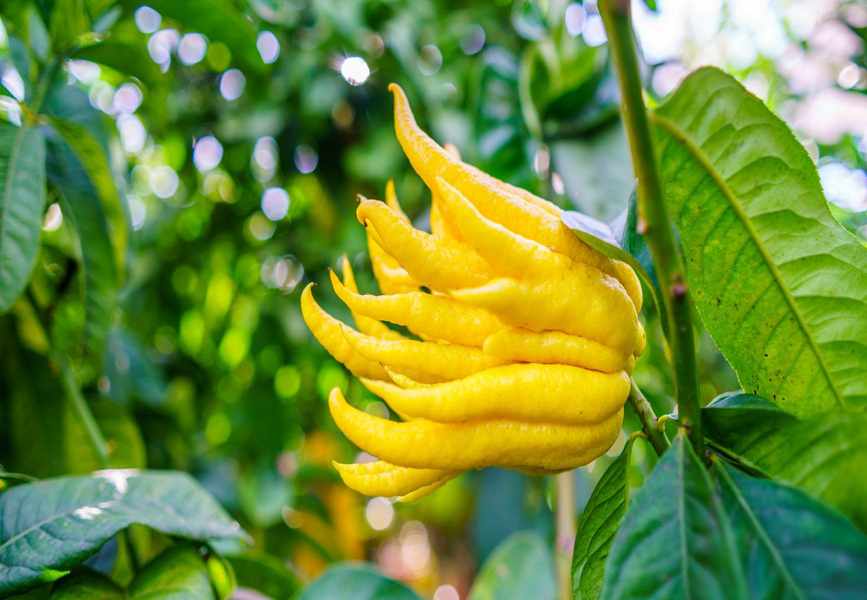
Buddha's hand (Citrus medica var. sarcodactylis) is a striking citrus variety resembling a hand with its long, finger-like segments. Originating from East Asia, this fruit is valued for its aromatic zest rather than pulp.
According to Erin Mittelstaedt, CEO of The FruitGuys, it's perfect for flavoring dishes and garnishing due to its strong lemon scent. While these trees grow best in warm climates (zones 9-11), they can also be potted and brought indoors in colder regions.
For a Buddha's hand tree, consider placing it in a greenhouse or near a sunny window to ensure it gets adequate light.
2. Pinkcurrants
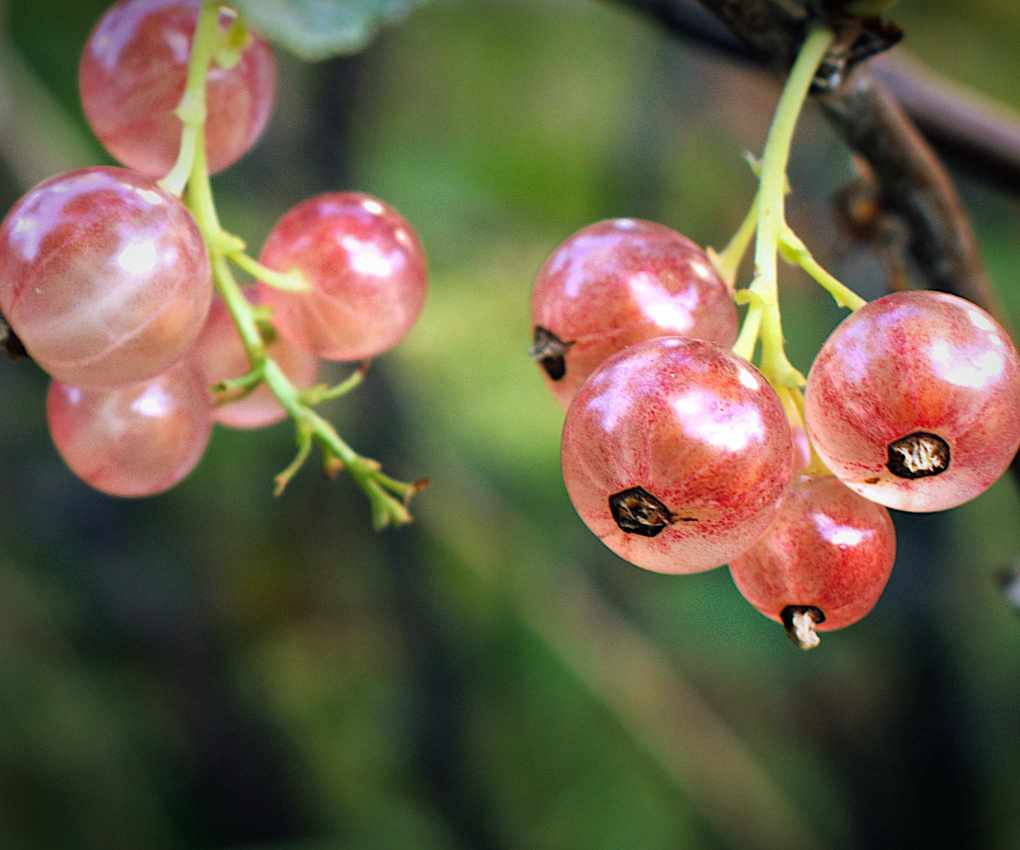
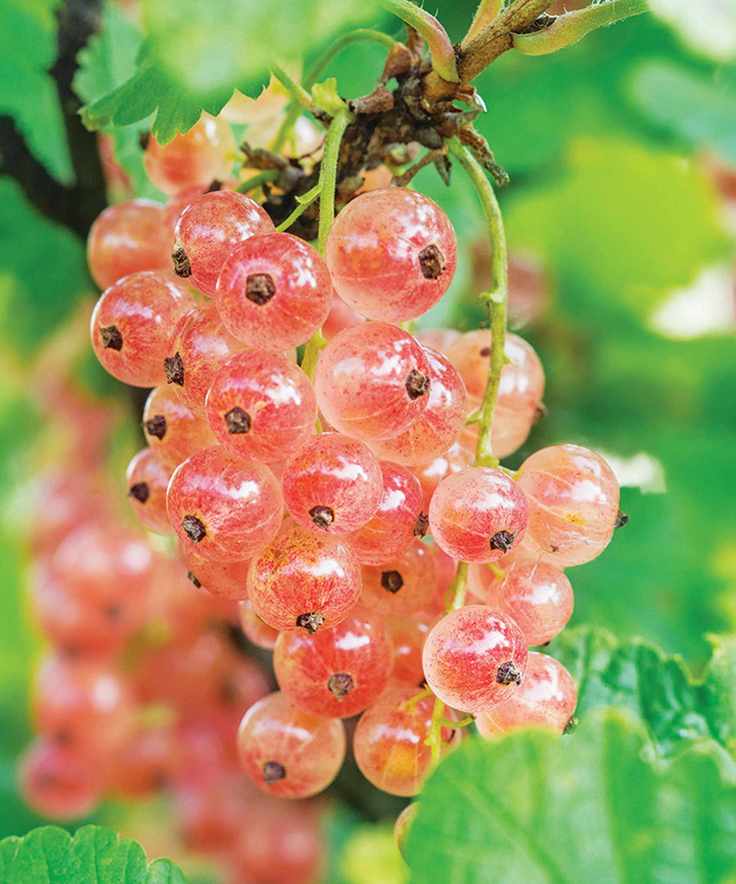
While black, red, and white currants are common, pinkcurrants are rarer and produce delightful, translucent fruits with a sweet fragrance. I grew 'Pink Champagne' currants in my garden, which were easy to cultivate.
These bushes thrive in hardiness zones 3-8 and prefer sunny spots with fertile, well-draining soil. It's advisable to space them at least five feet apart and provide deep watering during dry spells.
3. Jujube
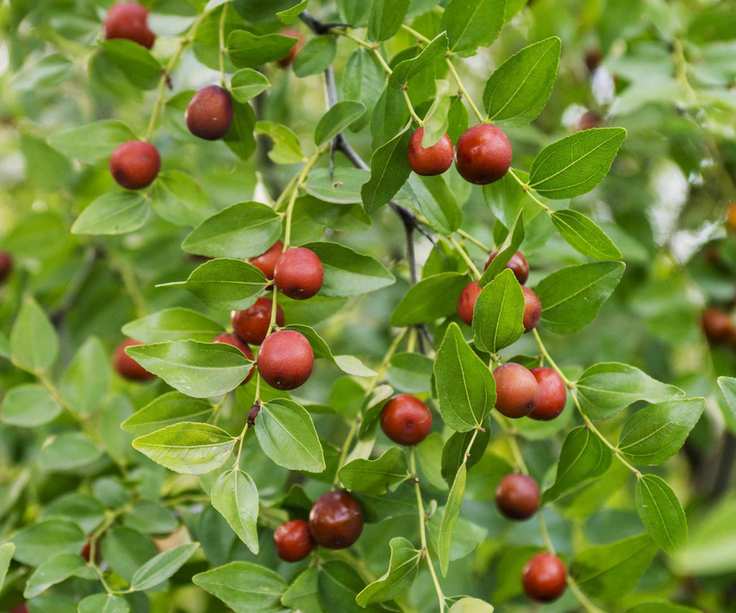
Jujube, or red Chinese date (Ziziphus jujube), bears fruits that resemble dates when ripe. Harvest time varies, but they are typically ready from late summer to October.
Anna Hackman, a Rutgers Master Gardener, describes them as having an apple-like flavor when fresh and a delicious, mildly sweet taste when dried. Jujube trees thrive in zones 6-9 and require full sunlight and well-drained soil.
4. Finger Limes
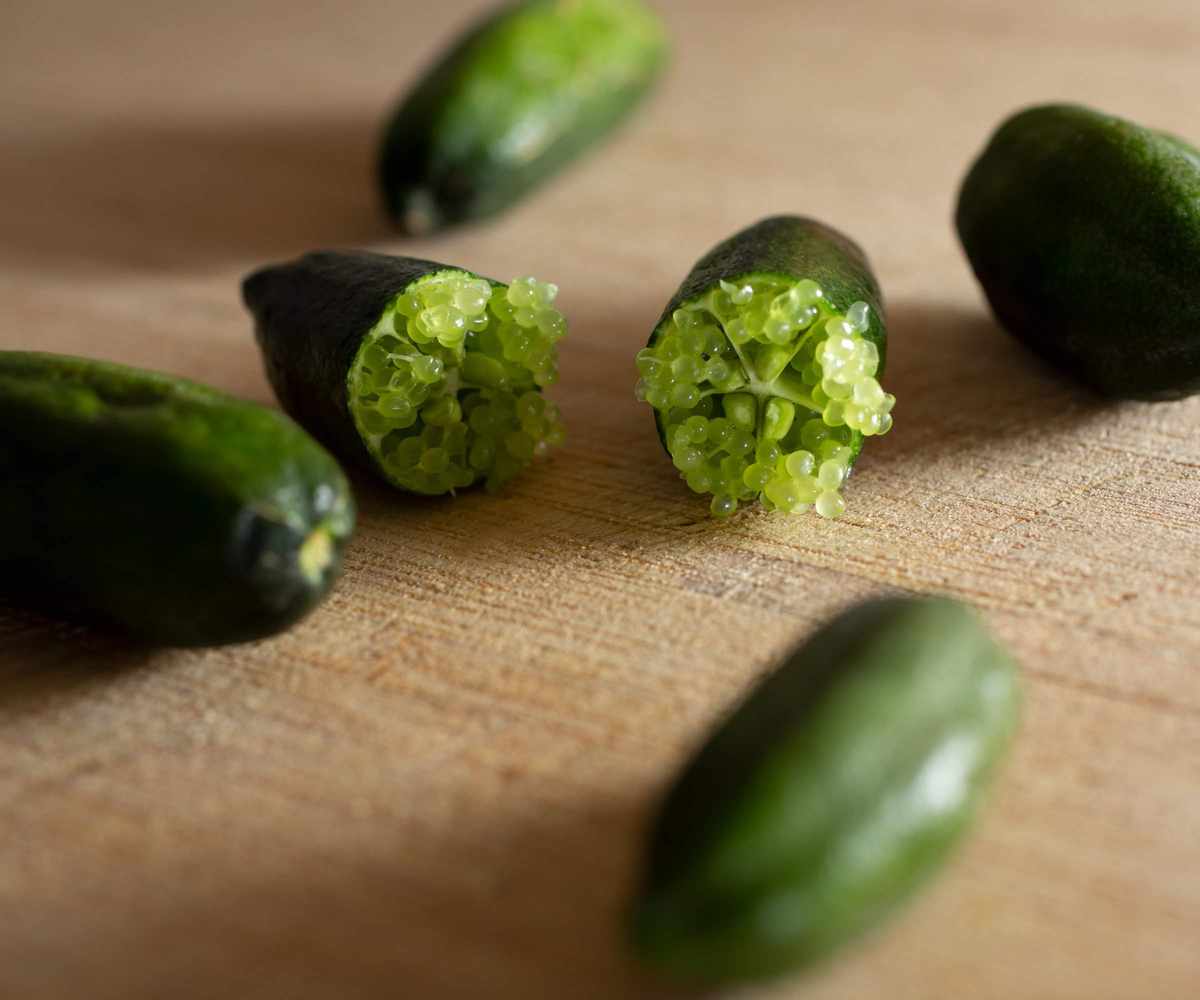
Finger limes (Citrus australasica), also known as caviar limes, produce long, slender fruits filled with tiny juice vesicles that burst with flavor. Erin describes them as packed with Vitamin C and antioxidants.
These trees prefer warm climates (zones 9-11) but can be grown in pots in cooler areas. For optimal fruiting, ensure they receive 6-8 hours of sunlight daily.
5. Persimmons
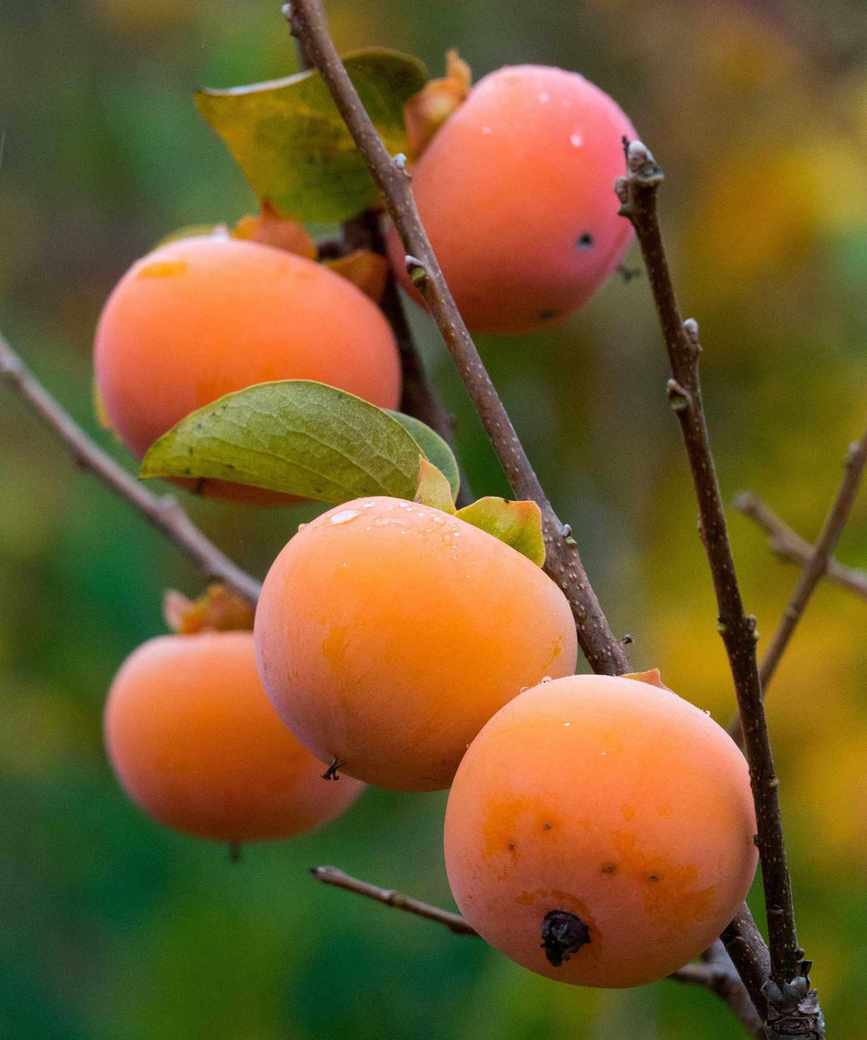
Asian and American persimmons (Diospyros kaki and Diospyros virginiana, respectively) differ in size and hardiness. Both types boast gorgeous blossoms and vibrant fall foliage, along with sweet, custard-like fruit.
Brie Zettl from Stark Bro's Nurseries suggests growing Asian persimmons for their larger fruit and ornamental beauty. These trees can thrive in zones 4-9, with dwarf varieties available for container gardening.
6. Honeyberries
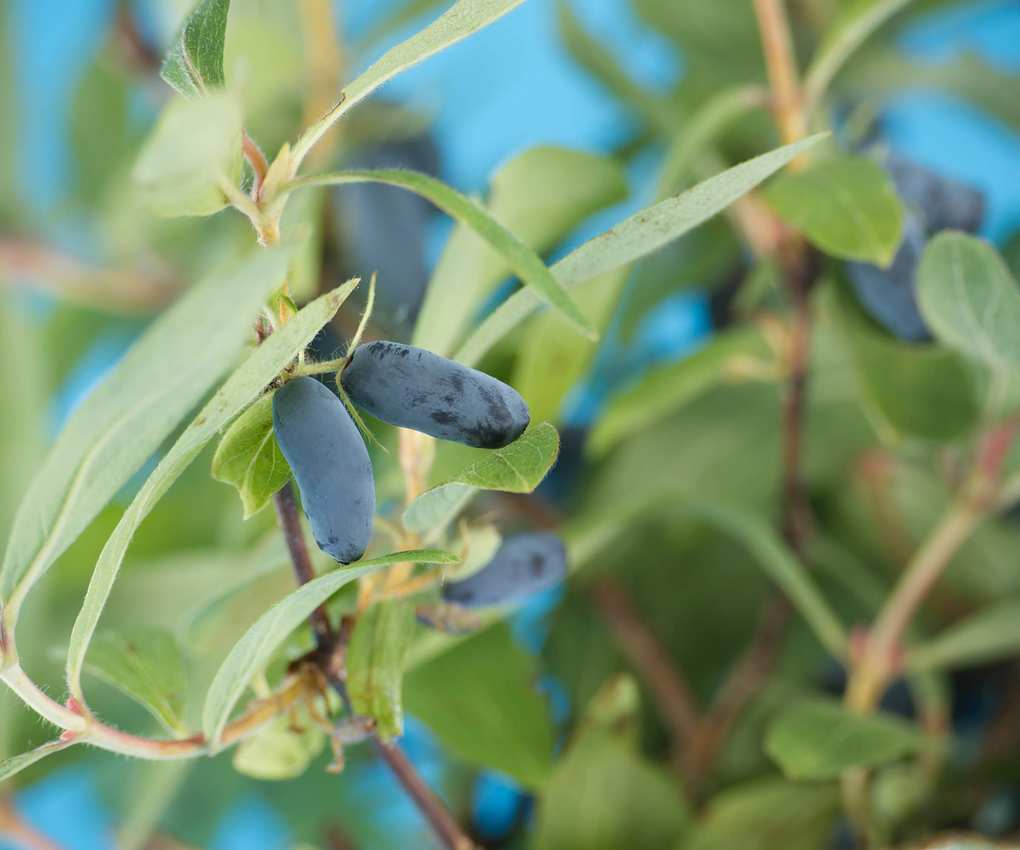
Honeyberries (Lonicera caerulea) resemble elongated blueberries but taste like a mix of blueberries and raspberries. They ripen early in the season and are hardy down to zone 2.
Plant them in full sun or partial shade, ensuring to have at least two bushes for cross-pollination. They thrive in well-drained, slightly acidic soil.
7. Pawpaw
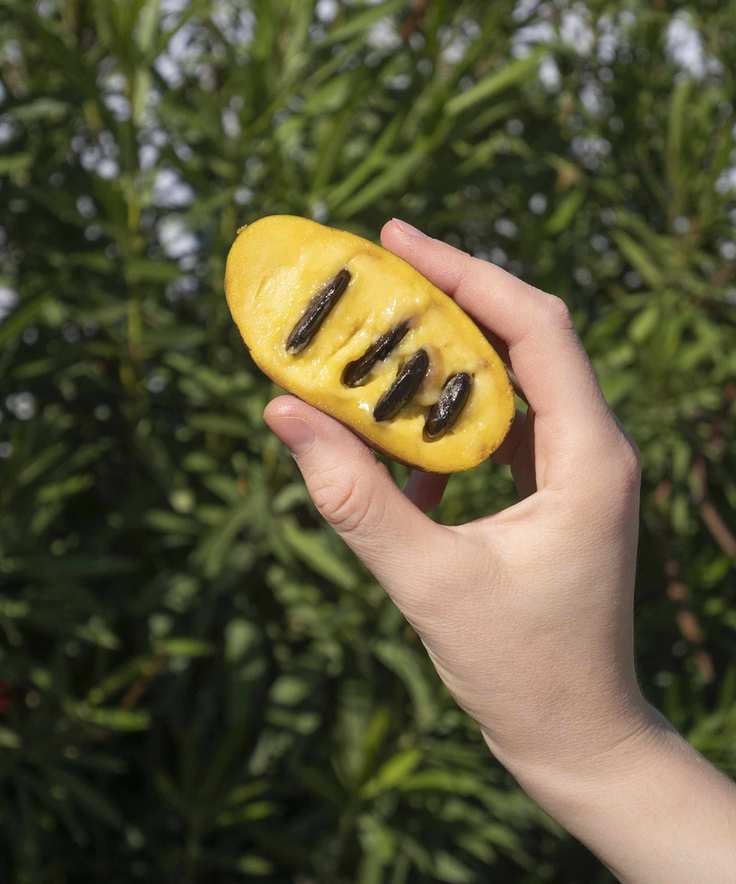
Pawpaw trees (Asimina triloba) are the largest native fruits in North America and can thrive in a range of climates (zones 5-9). They offer tropical flavors without the tropical climate.
Brie recommends 'Pennsylvania Golden' for its beautiful foliage and delightful banana-like taste. These trees can be compact, making them suitable for small gardens, and most need another tree for pollination.
When planting a pawpaw, choose a sunny location and prune during late winter for best results.
For a twist on standard fruits, try growing 'Pink Lemonade' blueberries, which yield striking pink berries with a citrusy flavor. These can be planted in the spring or fall for a unique addition to your garden.