For gardeners, winter can feel challenging. With shorter days and chilly nights, it's tough to stay motivated. As someone who embraced gardening in my twenties for mental wellness, I find the period from late December to early February particularly difficult.
During this time, it seems like nothing is growing, outdoor time is limited, and vibrant colors are scarce. The uplifting moments of seeing new growth or flowers are few and far between.
Research consistently shows that gardening positively affects our mental health. The Horticulture Therapy Program at Rutgers University notes, 'A growing body of evidence supports horticulture as a therapeutic approach for individuals facing various challenges since plants are accessible and nurturing.'
In the UK, the National Health Service even utilizes gardening as a therapeutic option for individuals dealing with anxiety and depression. During the pandemic, horticultural therapy became essential for many Americans.
So, how can we maintain our mental health as gardeners when our usual therapy feels less accessible? Here are seven mindful strategies to stay connected to nature and your garden during these bleak months.
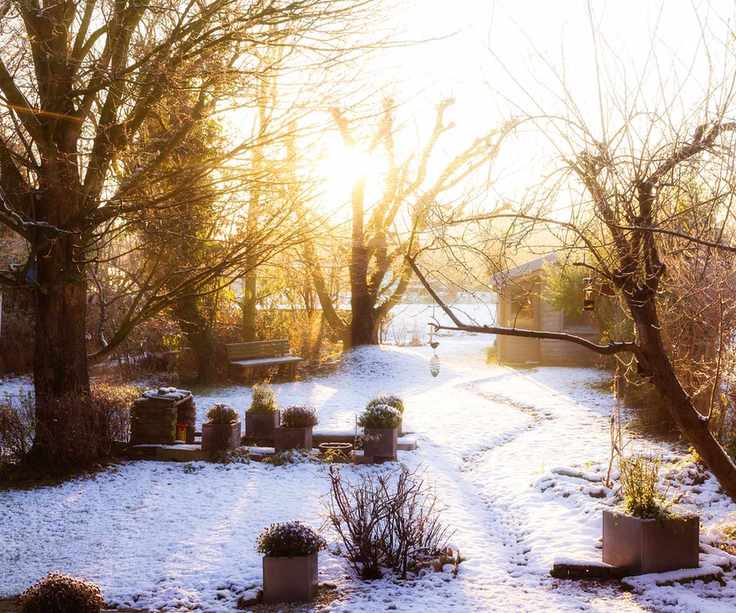
7 Ways to Lift Your Spirits as a Gardener in Winter
There are still plenty of things to observe and do in the garden and nature during winter.
It may take extra effort or require venturing beyond your yard, but even one of these ideas can significantly boost your mood.
1. Observe the Blooms
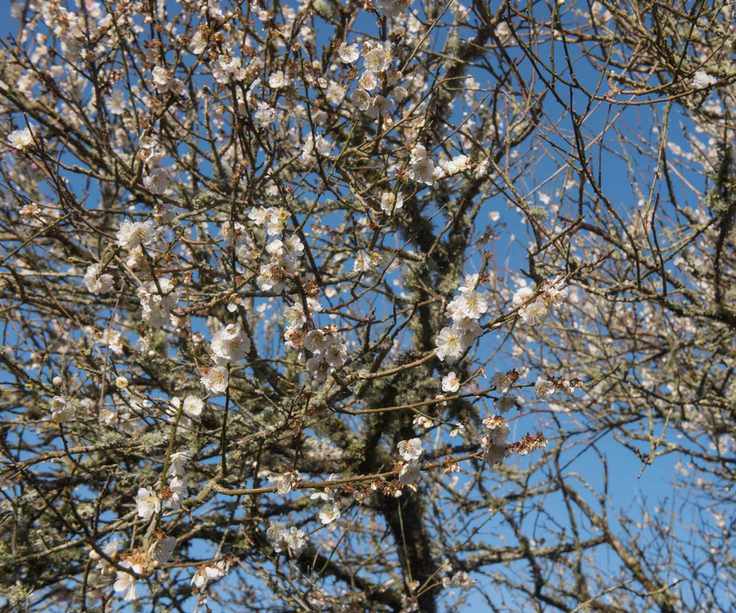
Fresh air and daily outdoor time can work wonders. I often take a moment during school runs or errands to appreciate the trees and winter blossoms. At this time of year, delicate blooms start emerging on bare branches of winter cherries and viburnum tinus.
Try to notice the intricate white and pale pink petals and the budding life on each branch, waiting for spring.
Another bloom I eagerly anticipate is the acacia mimosa tree. By late January, it's hard to walk past one without feeling uplifted. Its feathery leaves and bright yellow pom-poms signal the approach of spring, and their delightful scent is a personal favorite.
2. Hunt for Color
Color and interest can still be found in the winter garden. By mid-January, Mahonia, an evergreen shrub with spiky leaves, begins to show off its bright yellow flowers.
This striking shrub is a fantastic choice if you want to add winter-flowering plants to your garden plans for 2024.
However, you may need to look closely for glimpses of color. Check beneath trees and shrubs for the cheerful yellow of winter aconites, which bloom early in the year.
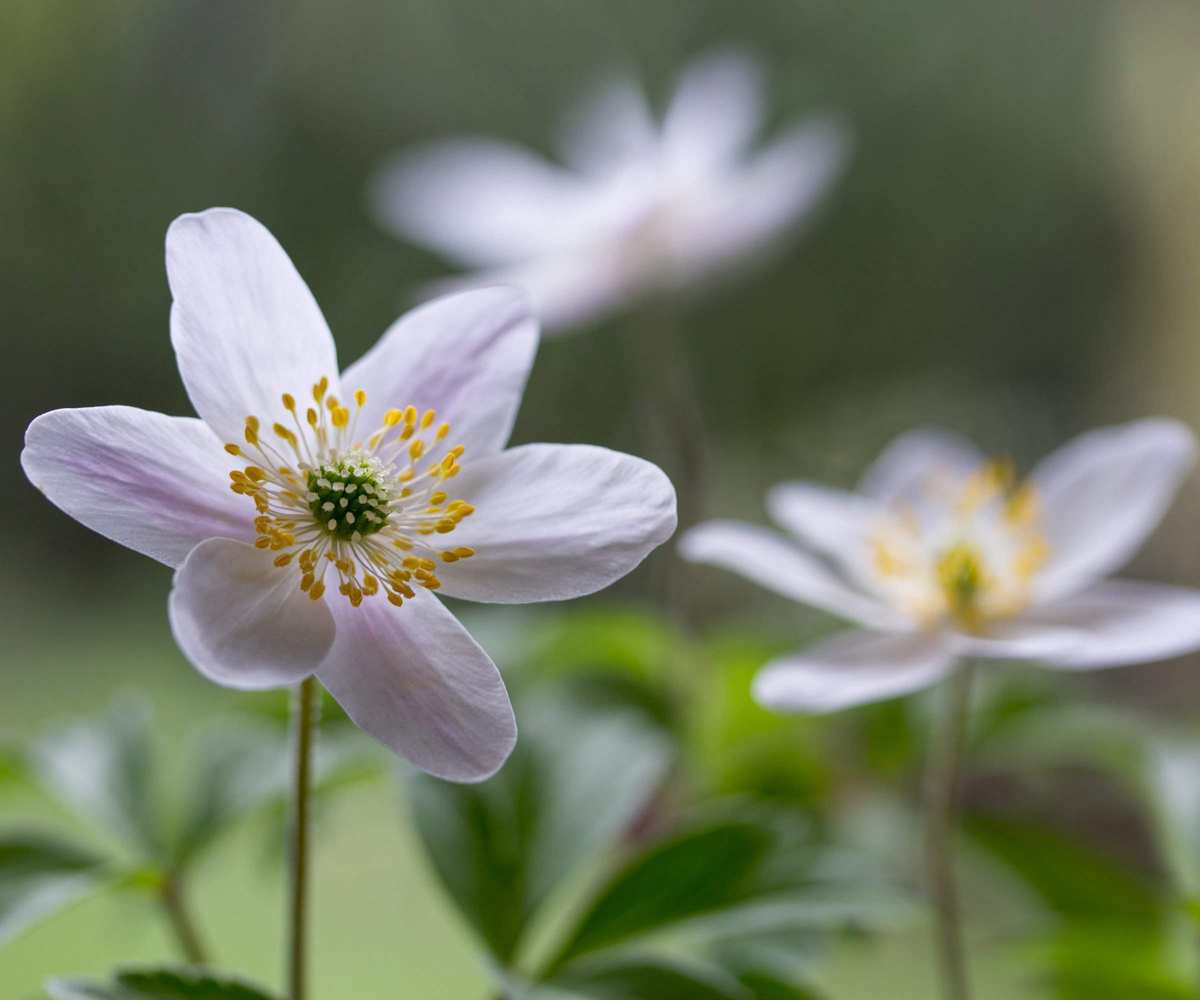
If you're lucky, you might spot small white or violet flowers with elongated petals—these are woodland anemones. Both flower types close at night but open up to greet the daylight.
3. Notice Shapes and Structures
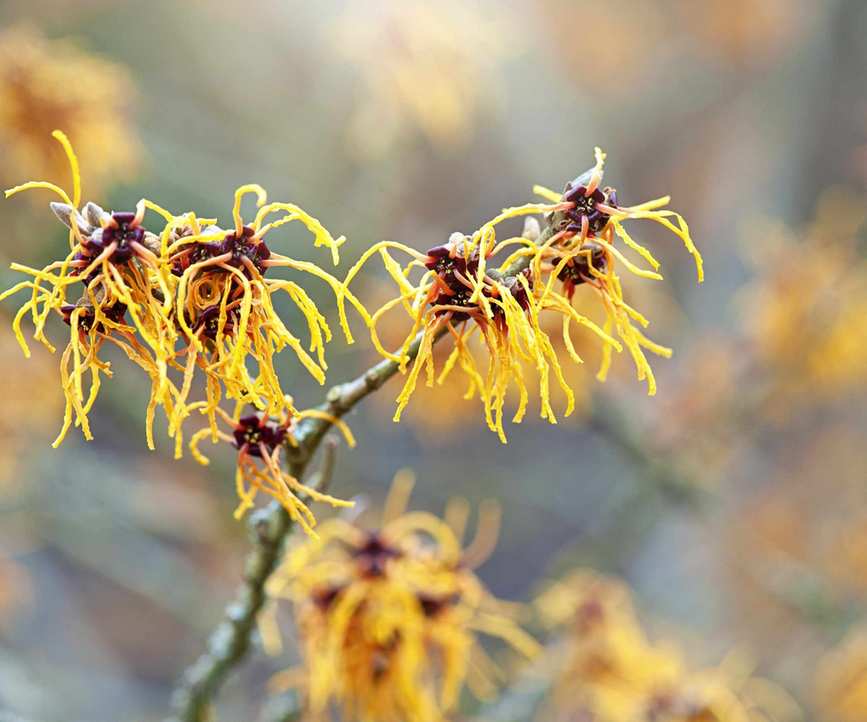
Winter trees can surprise us with their beauty. Consider the American witch hazel, a resilient frost-hardy plant that blooms in mid-winter, adding striking shapes to its bare branches.
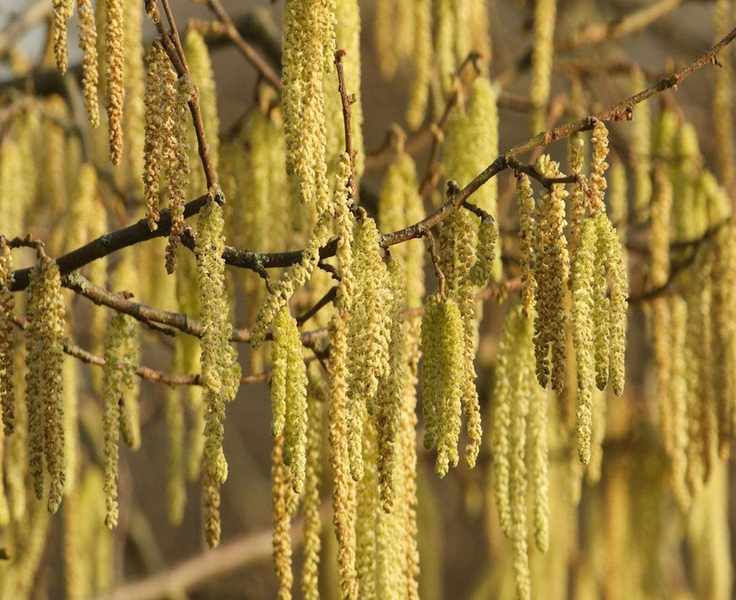
Look for catkins, too. Their slender forms gracefully sway on branches of alder, hazel, silver birch, or white willow, resembling a natural art installation.
For some color on the ground, consider placing containers of winter heather in your yard. This hardy shrub produces pink, purple, orange, or white flowers that bring joy and attract foraging insects on sunny winter days.
4. Start Sowing Seeds
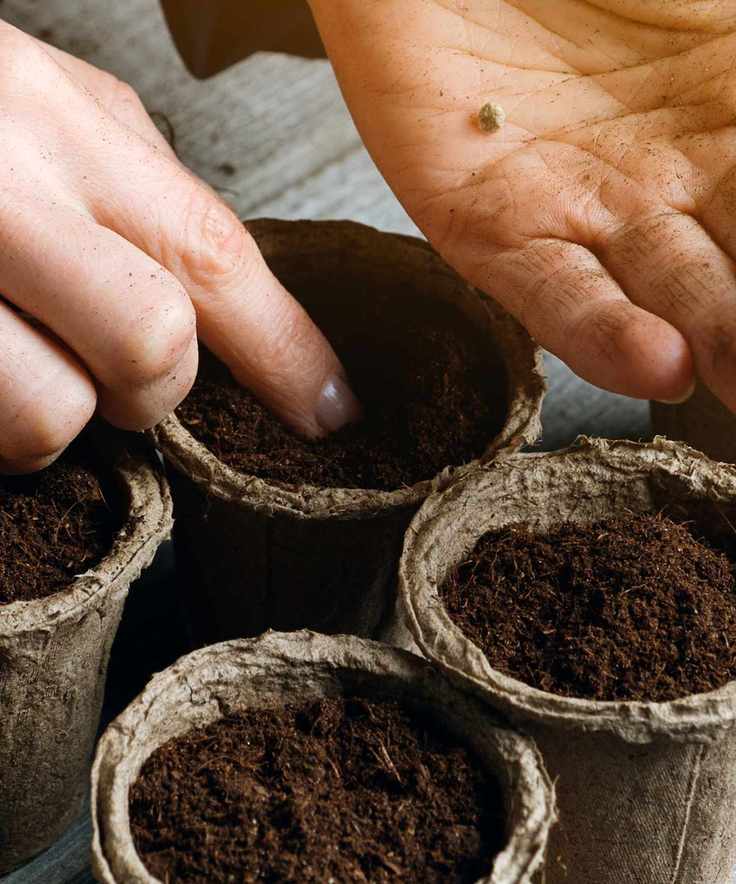
Though it may not seem like the ideal time to sow seeds, you can actually start certain flowers, herbs, and vegetables indoors during December and January.
Of course, you'll need to do this in a heated space, like a greenhouse. A heat mat or a heated propagator kit can help warm your seeds for germination.
You can plant mint, eggplant, onions, and flowers like sweet peas and antirrhinums. Following our step-by-step guide on sowing seeds in December can lead to exciting shoots appearing in January.
5. Support Wildlife
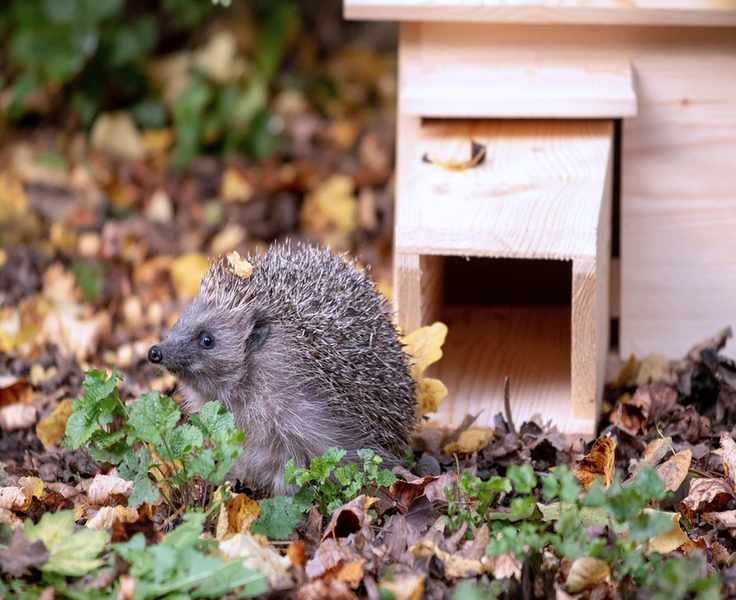
If you look outside in winter, you'll likely see birds flitting around, eating berries, and squirrels or chipmunks gathering nuts.
Spending a few minutes watching these lively creatures can be therapeutic. You can enhance this experience by offering food and fresh water to help them through the cold season.
Adding a bird bath or even creating a DIY version can ensure birds have a reliable water source. Also, be sure to know how to prevent it from freezing.
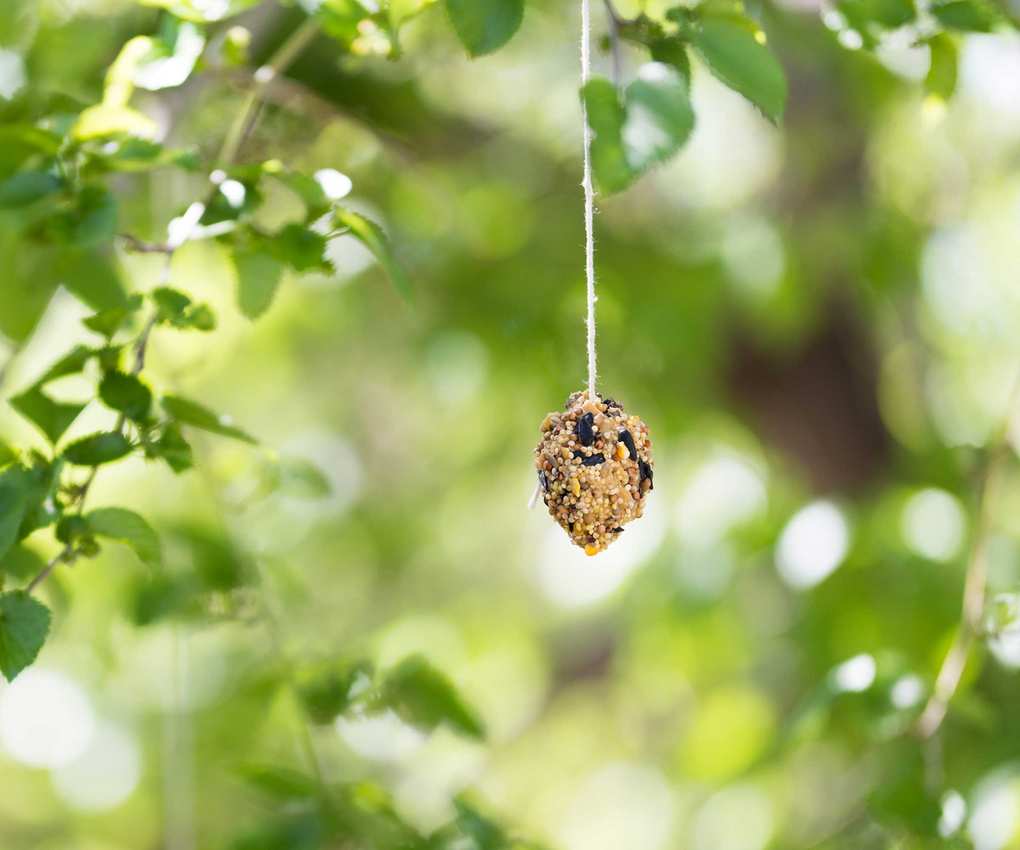
Making natural bird feeders is another enjoyable winter project, especially if you have kids. You can also set out nuts for squirrels or create a log pile to attract insects and provide birds with a natural foraging spot.
6. Plant Bulbs in Containers
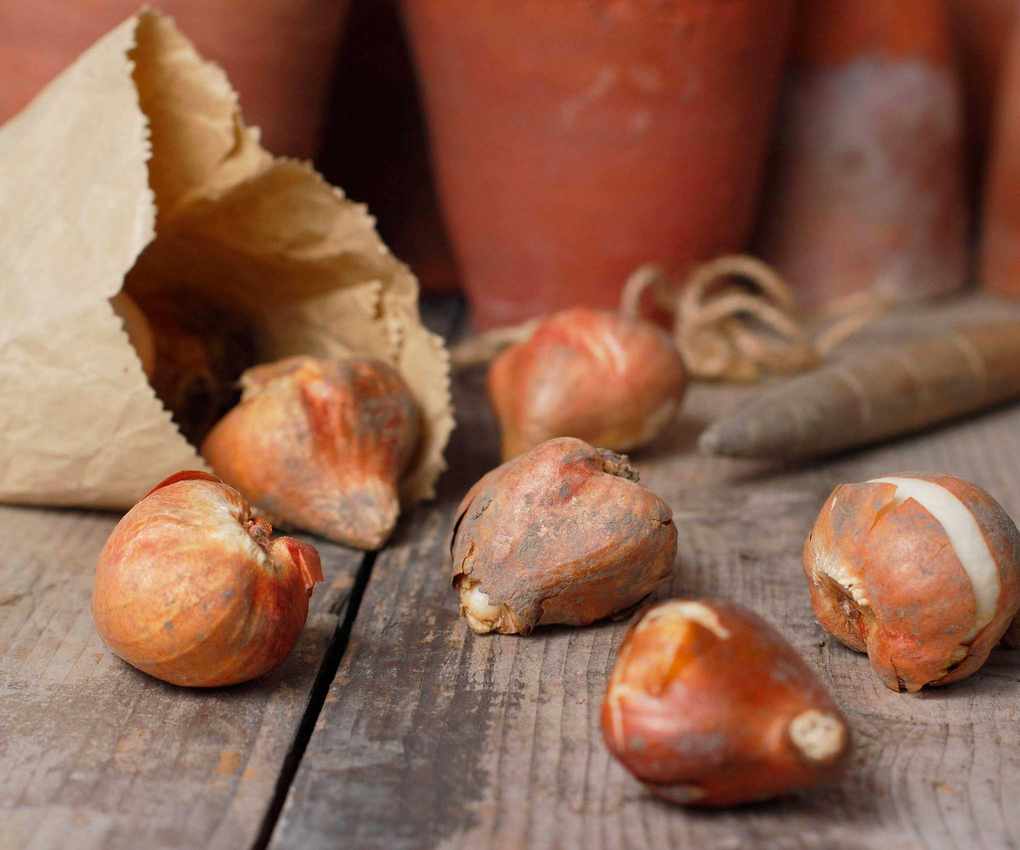
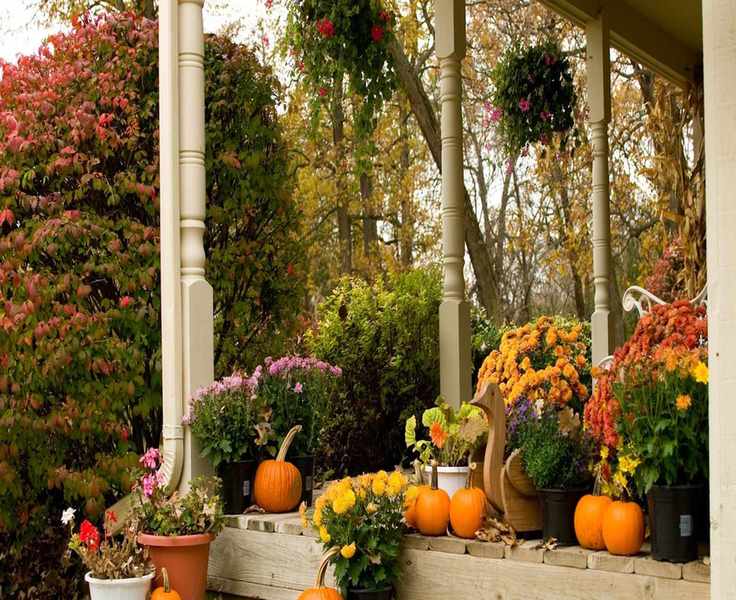
It's still a good time to plant tulip bulbs in December. Gather some attractive containers, fill them with quality potting soil, and spend some time creating planters that will bring springtime color.
By placing your containers on a porch or near a doorway, you'll witness the first shoots breaking through the soil, signaling the arrival of spring.
7. Explore a Winter Garden
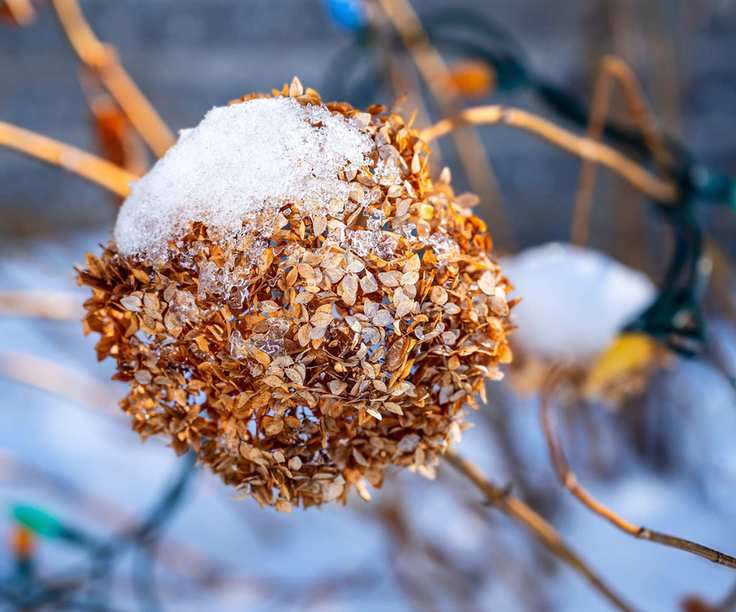
Sometimes, stepping outside your usual surroundings to seek inspiration can greatly elevate your mood. This might mean visiting a nearby park or a larger botanical garden.
The Alfred B Maclay Gardens State Park in Tallahassee, Florida, was recently named the most stunning garden in the US by Tripadvisor, along with Garvan Woodland Gardens in Hot Springs, Arkansas, and Hershey Gardens in Hershey, Pennsylvania, which also made the top 10.
Whether you decide to visit a renowned garden or explore one closer to home, take your time to absorb the details. Observe the trees, their branches, and the buds on each branch, and witness how they sway in the wind.
Which Houseplants Are Best for Lifting Your Spirits?
Creating an indoor garden is an excellent way to boost your mood year-round. While all houseplants aid our connection to nature indoors, varieties like snake plants, peace lilies, and aloe vera are particularly known for their mood-enhancing qualities.
By staying present, even for a moment, we can connect with nature and our gardens, providing our minds with a brief reset until spring arrives.