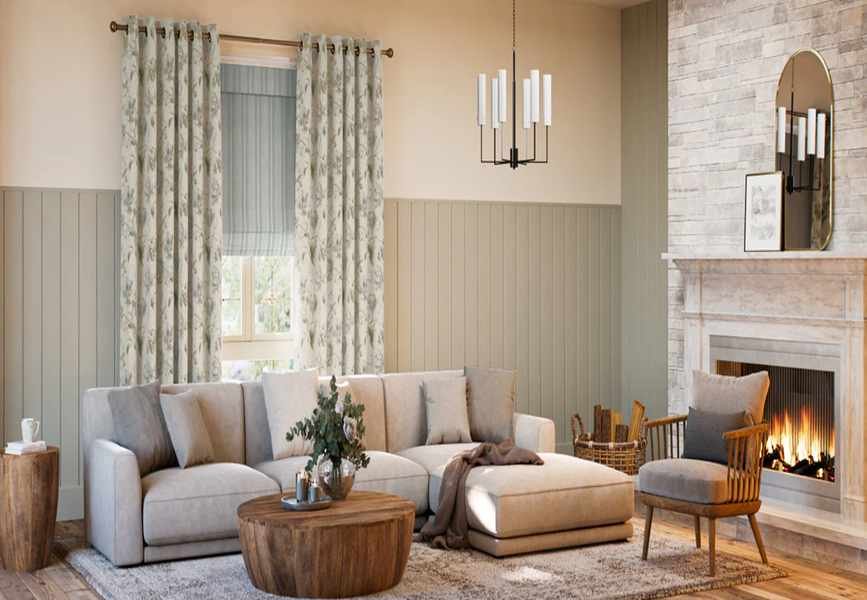
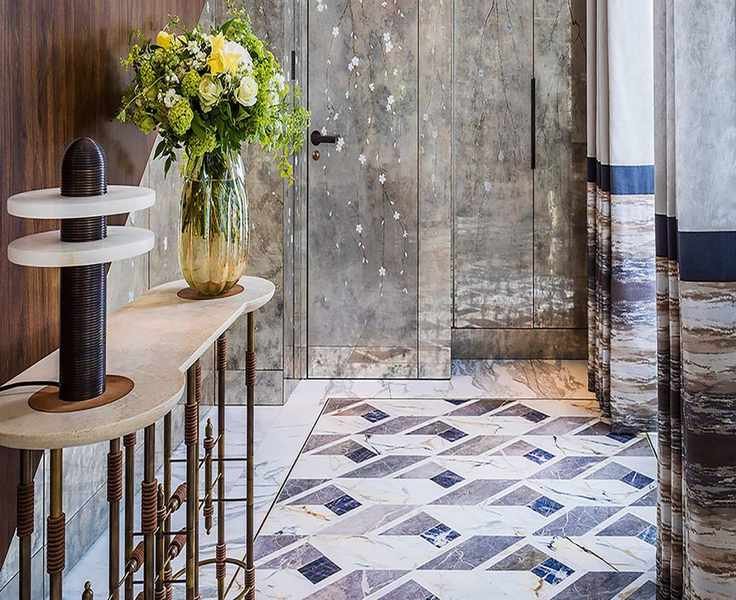
Creating a captivating interior involves stirring sensations, and mixing materials is key. Each material brings its own unique energy; combining elements like fabric with wood or glass with metal can produce remarkable results.
Begin considering all the materials for your space early in the design process, from robust items like stone and wood to softer textiles. These choices are integral to the overall ambiance and character of the room.
Mixing various contemporary materials should be at the forefront of your interior design plans. Here are eight effective strategies to blend materials for immediate visual impact.
1. Focus on the Flooring
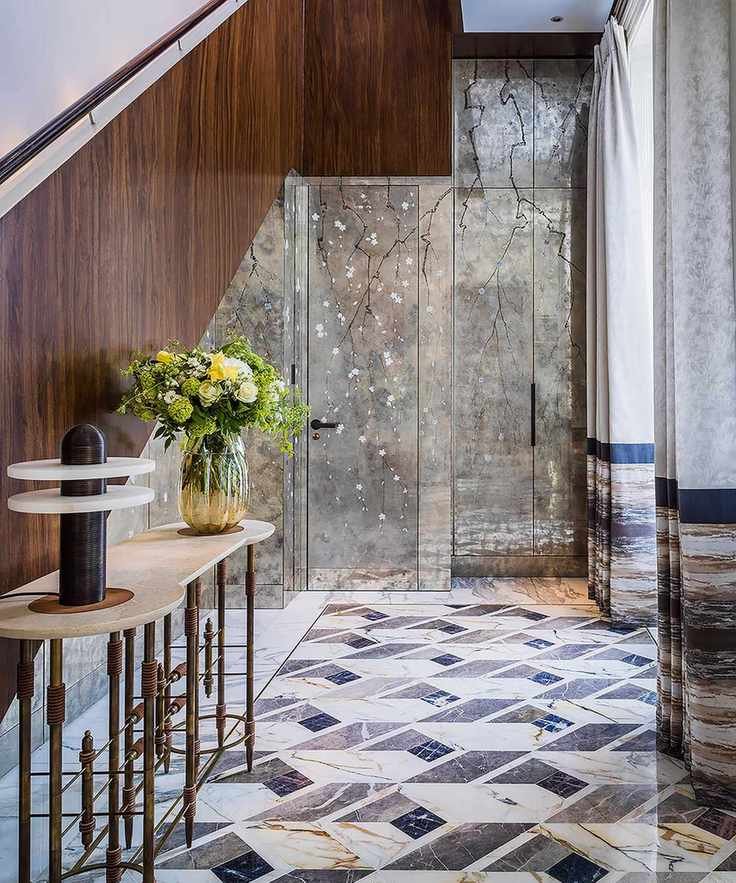
The flooring sets the foundation for your design. I adore patterned stone for a stylish entryway and prefer wood in other areas. While carpets aren't my favorite, rugs can enhance acoustics and add texture. Use the flooring patterns to inspire décor elements throughout the room, whether on walls or ceilings. The connections don't have to be overt; subtle hints work wonders.
2. Reimagine the Ceiling
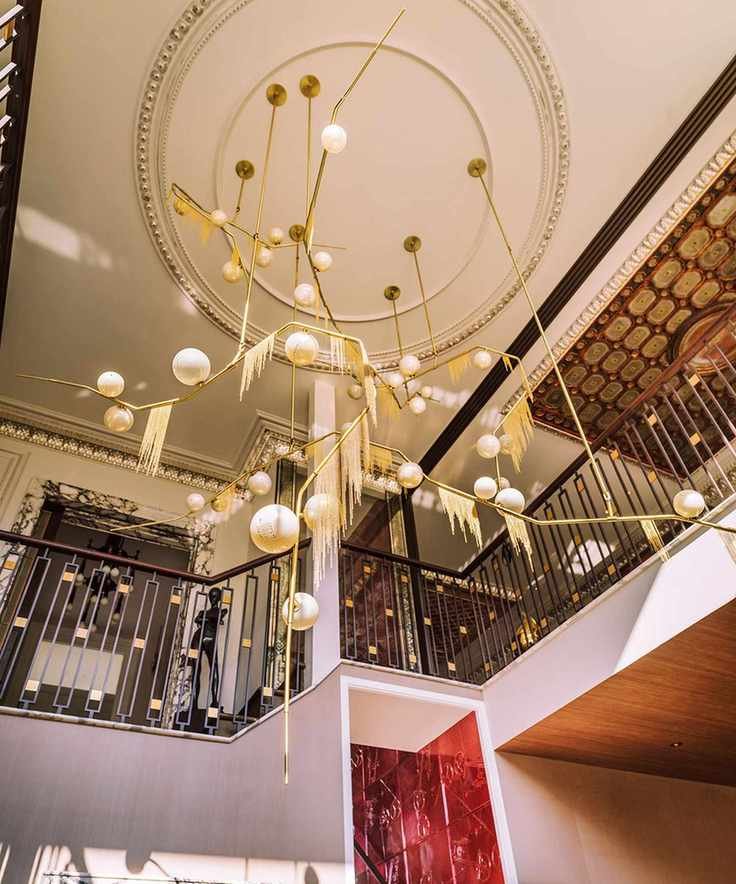
Ceilings are often overlooked in design. Many simply paint them white, missing out on a prime opportunity for creativity. Treat your ceiling like a canvas; consider adding decorative cornices or unique lighting fixtures. A bold paint color or metallic accents can transform this space into a narrative element of your design.
3. Enhance Doorways
Wooden doors present excellent chances to introduce different materials. Brass or eco-friendly leather handles can add flair. Consider incorporating glazing, framed by metal edges, for a customized touch that reflects your style.
4. Emphasize the Walls
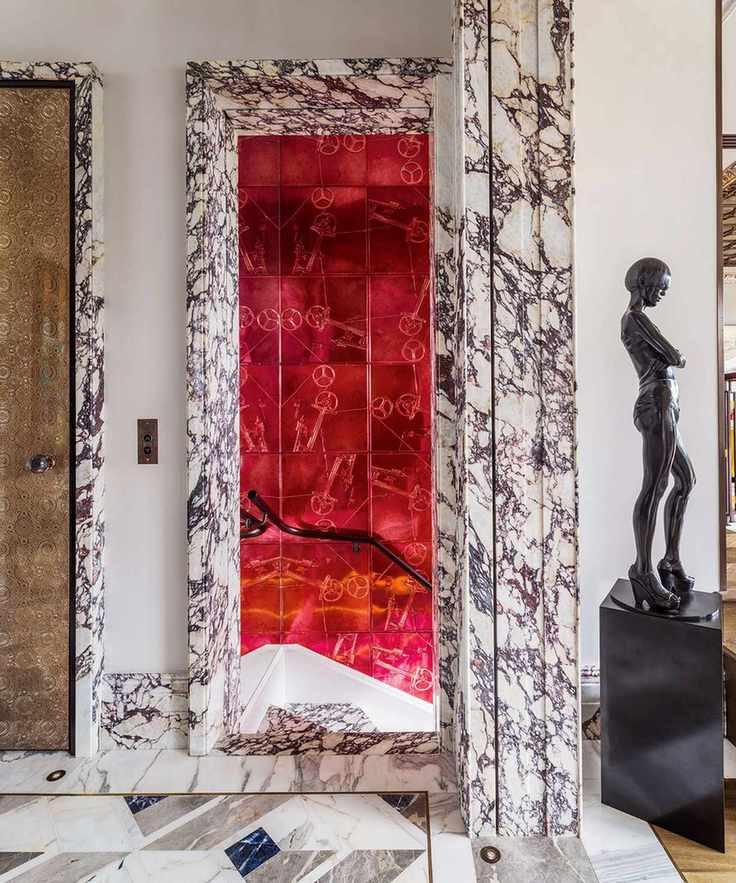
Walls can be more than just a painted surface. I enjoy glossy finishes in some rooms paired with matte in others. Options like wood paneling and textured wallpapers add depth, while cork stands out for its sustainability and durability. Its natural hues are particularly appealing.
5. Let Window Treatments Shine
In our studio, we enjoy mixing fabrics for curtains, incorporating contrasting materials for borders or edges. It's essential to ensure the textures harmonize, which requires thoughtful selection. Fabrics can also adorn walls or serve as room dividers, enhancing visual interest.
A simple way to start layering fabrics is with cushions: pair a luxurious cashmere cushion with one of a different texture, like silk or embellished designs. This tactile variety invites touch and engagement.
6. Combine Timber Shades Effectively
When blending wood tones, it's best to limit yourself to two shades. I enjoy contrasting light and dark woods for added visual intrigue. You can elevate this mix with metallic edging for extra layer depth.
7. Incorporate Glass for Dimension
Glass introduces a new level of depth to a space. Its versatility offers numerous forms and finishes, such as chic smoked-glass lamps or reflective coffee tables. Glass containers for candles also add a subtle glass element to surfaces.
8. Accessorize with Intention
Layering materials through accessories is crucial for achieving a polished look in any room.
I love integrating diverse materials via accessories, viewing this as the finishing touch to a space. I seek out unique items from various global suppliers, but personal treasures like books and photographs are equally captivating. They contribute stories and character to your home.