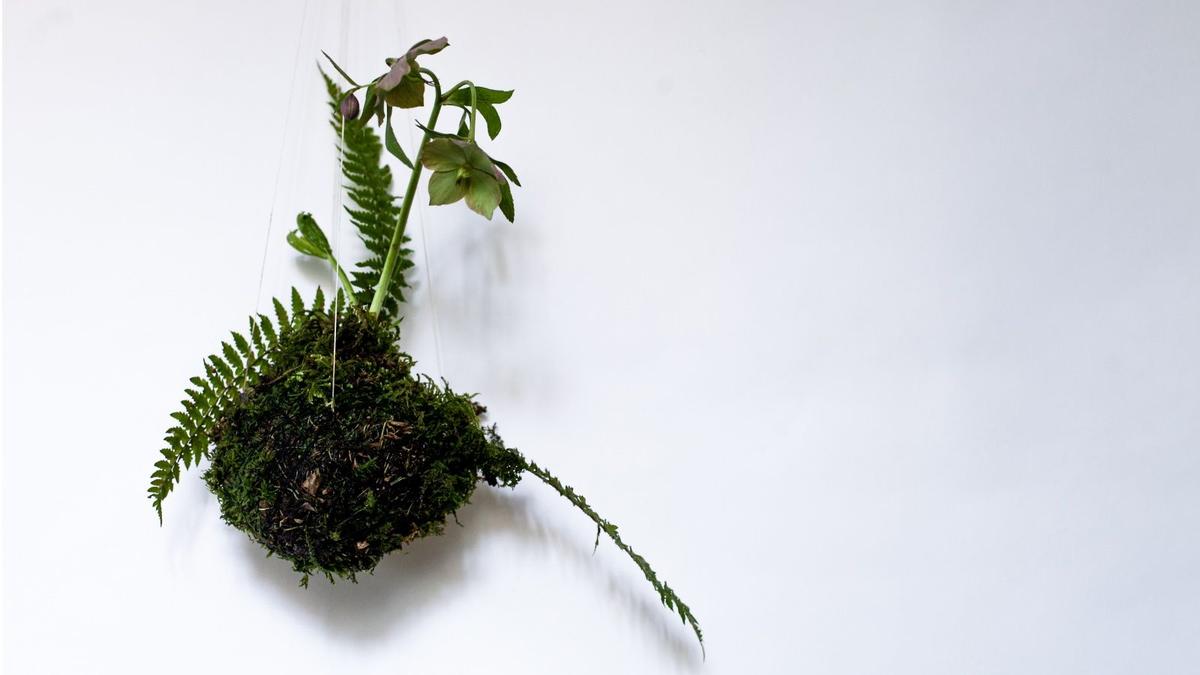
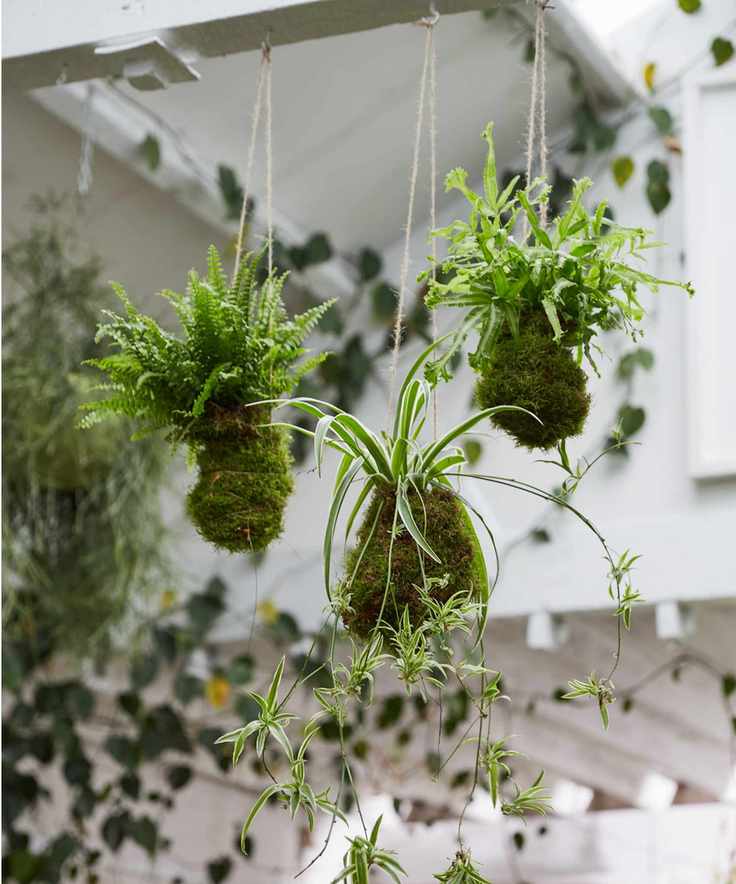
Hanging plants have long been a favorite among plant enthusiasts for their ability to enhance any indoor space. Kokedama, a unique Japanese method, is emerging as a popular way to showcase plants in a creative way.
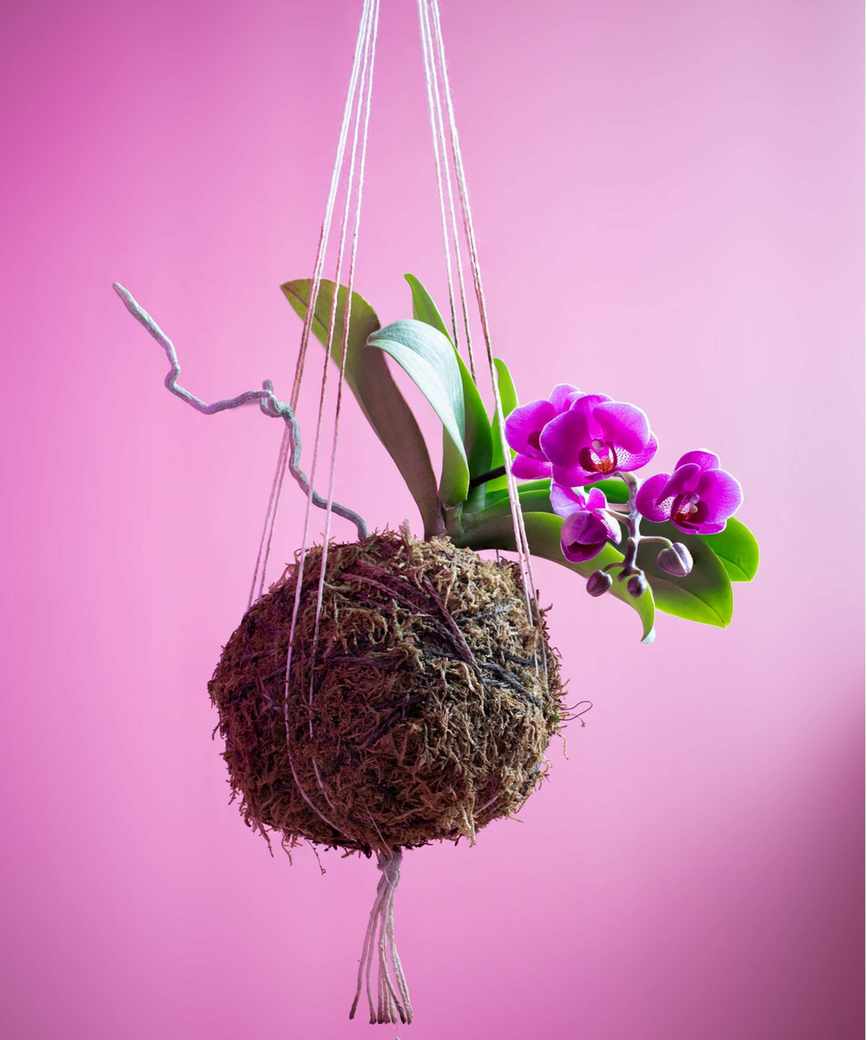
Kokedama translates to 'moss ball' in Japanese and involves growing plants in balls of soil wrapped in moss instead of using traditional pots. According to houseplant expert Autumn Hilliard-Knapp, this technique allows for innovative displays that can be hung or placed on surfaces, offering versatility in how plants are showcased.
Though they may seem intimidating at first, kokedama are quite manageable with a few care tips. We consulted experts to share essential guidance on maintaining these beautiful plants.

Autumn is a horticulture specialist and marketing professional at Perfect Plants Nursery. With four years of experience in the horticulture industry, she has developed a passion for helping people create beautiful indoor and outdoor spaces to enjoy. Her expertise in horticulture encompasses a broad range of activities, including plant care and selection, landscape design, and maintenance.
5 Essential Care Tips for Kokedama Plants
This trendy method of displaying plants hails from Japan and can make a striking addition to your indoor garden. Surprisingly, they are simpler to care for than you might think, and we've compiled expert advice to keep them thriving for years.
1. Provide Indirect Light
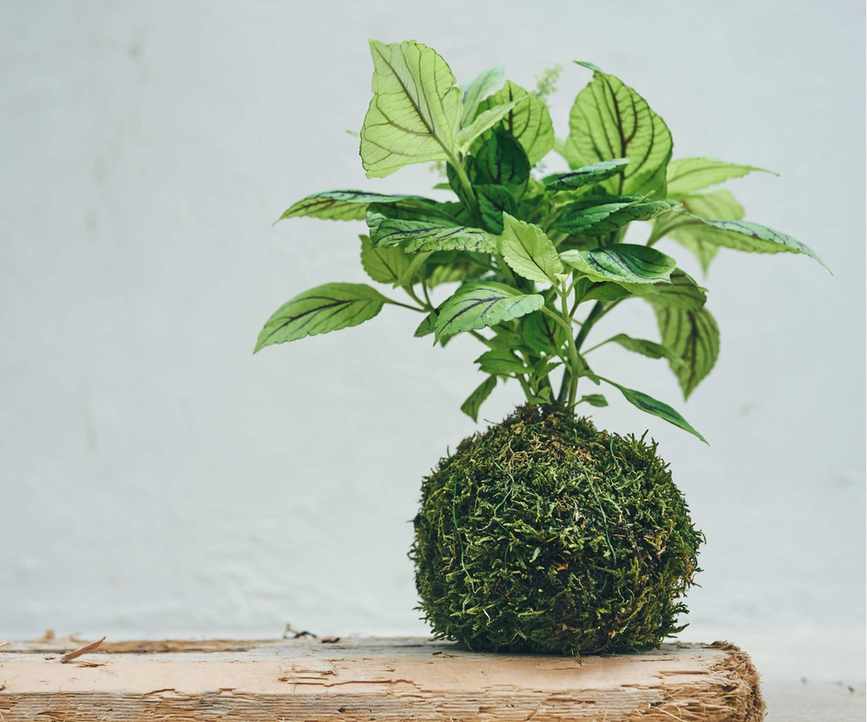
Whether your kokedama is hung from the ceiling or placed on a table, ensuring it receives the right amount of light is crucial.
Kokedama thrives in bright, indirect light. Excessive sunlight can dry it out rapidly or result in discoloration of the moss. It's best to use filtered natural light, so consider positioning it near a window with a sheer curtain.
Many enthusiasts prefer to hang their kokedama in front of east or west-facing windows, avoiding direct sunlight.
2. Water by Soaking
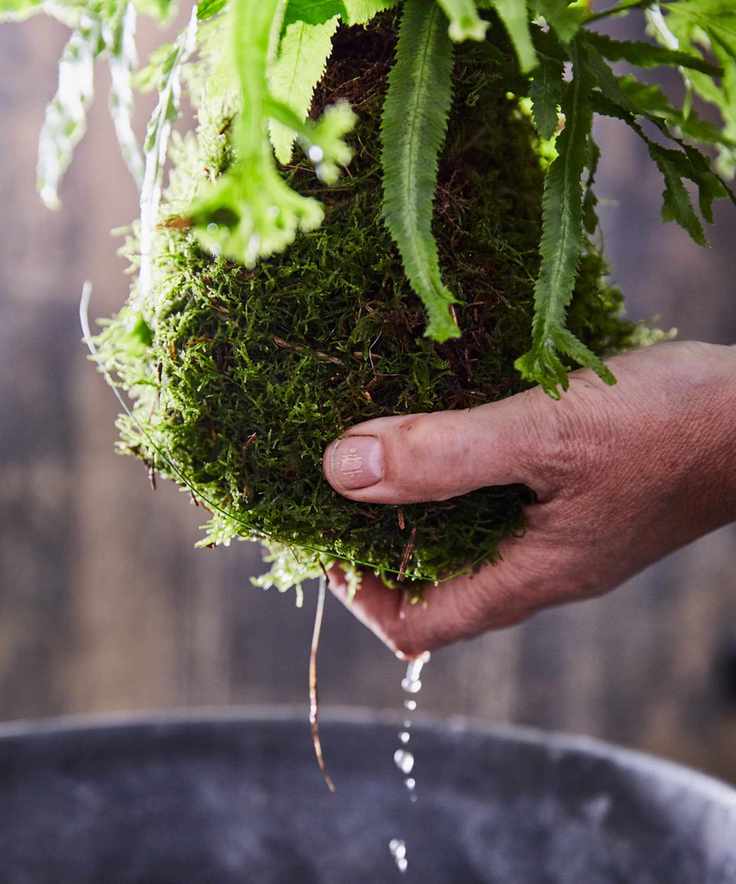
Watering houseplants can be tricky, especially with kokedama, as there is no container to catch excess water.
According to Cate Kowalsky, marketing manager at Pafe Plants, "The most challenging aspect of kokedama is establishing a proper watering routine."
She recommends soaking the moss ball in a bowl of water when it appears dry and the plant seems a bit limp.
Finding the right watering schedule is essential to prevent overwatering. When the moss ball is dry, submerging it will help it absorb moisture effectively.
"If you choose resilient plants like pothos or philodendron, you can adjust the watering schedule as needed," Cate adds.

A passionate plant parent for 14 years, Cate enjoys caring for plants and propagating new ones. When she isn't helping her friends with their plants, you can find her at home in Jersey City with her husband and dog.
3. Mist Regularly
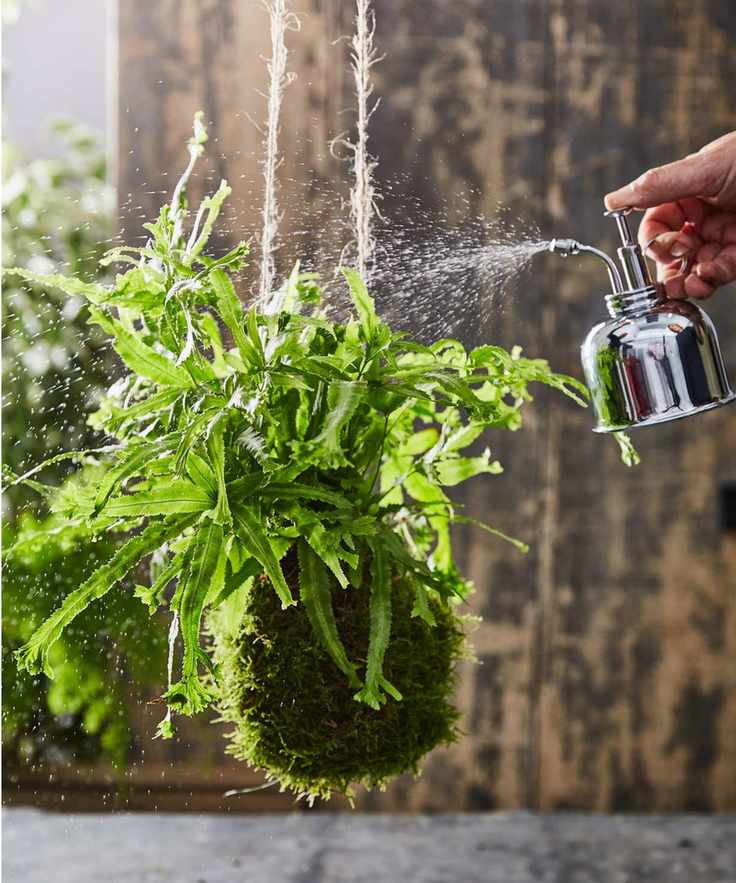
To maintain the vibrant green of your kokedama, it's essential to keep the moss adequately moist.
Moss prefers humid conditions and will lose its luster if it dries out. Regular misting can help increase humidity and maintain consistent moisture levels. You might consider using a plant mister.
Virginia Hayes, an indoor plant expert at Westerlay Orchids, suggests misting your kokedama twice a week, adjusting frequency according to the season. "During summer, increase the misting, while once a week suffices in winter," she advises.

With over 24 years of experience in the floral industry, Virginia is well-respected for her design skills and plant care knowledge. Her expertise ensures that both her floral arrangements and indoor plants thrive.
4. Fertilize in Spring and Summer
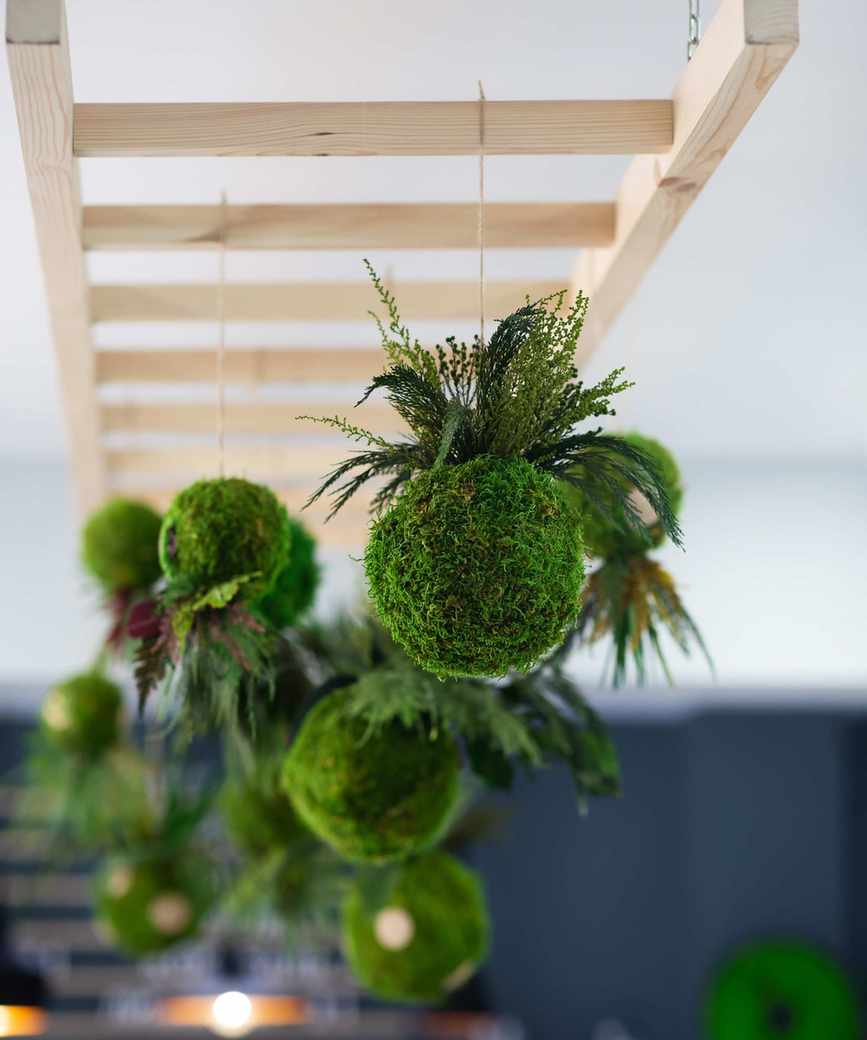
Like other indoor plants, providing nutrients during the growing season can enhance health and appearance.
Applying fertilizer to your kokedama during spring and summer can promote growth and keep the moss ball looking lush. Various houseplant fertilizers are available, such as this houseplant fertilizer from Garden Goods Direct.
It's crucial to avoid fertilizing in colder months when the plant is not actively growing, as this can lead to excess moisture in the moss ball and potential root rot.
Virginia suggests, "Removing any dead leaves along the way will also encourage growth."
5. Pay Attention to Your Plant's Needs
Each indoor plant has unique care requirements, and kokedama is no exception.
It's essential to consider the specific needs of the plant growing on top of your kokedama. Following this guide will enhance the look of your moss ball, but don't forget to prioritize the plant's moisture, humidity, and light needs.
FAQs
What Plants Can Be Grown Using Kokedama?
The beauty of kokedama lies in its versatility; nearly any plant can be used. For that classic hanging look, opt for smaller plants.
"If you're new to kokedama, I recommend starting with pothos, philodendron, ferns, English ivy, and peperomia," suggests Cate Kowalsky.
Many also create orchid kokedamas for a more exotic touch, though this requires diligence in caring for orchids, which can be more complex.
How Long Does Kokedama Last?
When properly cared for, this distinctive plant display can last for a long time. Keeping the moss ball in bright, indirect light and ensuring consistent moisture will help kokedama thrive for years. However, as the plant grows, it may outgrow the moss ball, indicating it's time for a larger kokedama.
Kokedama is a stunning way to enhance your home with plants. Similar to plant stands, they add dimension and interest to your displays. While they are low-maintenance, it's vital to cater to the needs of the plant itself. Why not try creating your own kokedama?