
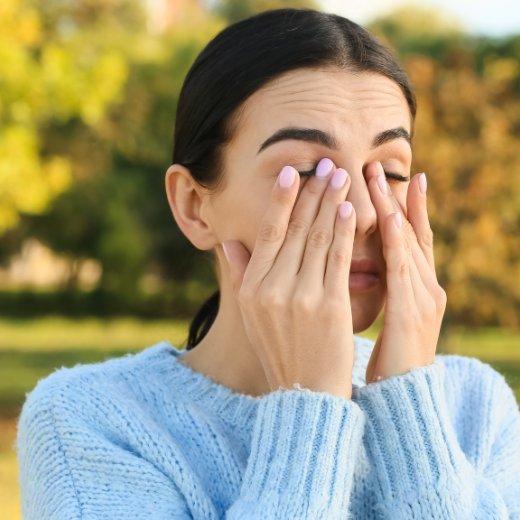
Spring brings a mix of joy and challenges. While we relish the blooming flowers and warmer days, many of us also face the annoyance of allergies. If you're one of those stocking up on tissues and antihistamines, you might be unaware of how allergies can influence your skin.
Effects of Seasonal Allergies on Your Skin
Seasonal allergies can manifest differently for everyone. Your body's response to allergens varies, but here are some common ways allergies can impact your skin this spring.
Swollen Eyes
One prevalent symptom of spring allergies, also known as hay fever, is itchy, watery eyes. This often accompanies swelling and irritation, particularly under the eyes. Your immune system's response causes inflammation, and rubbing your eyes can exacerbate the puffiness.
Allergic Skin Reactions
While most people associate seasonal allergies with their eyes and sinuses, your skin can react too. Pollen exposure can lead to hives, inflammation, and itchiness where pollen has made contact. If you suffer from eczema, your symptoms may worsen during allergy season.
Dry Skin Patches
In addition to allergic reactions, seasonal allergies can cause dryness across your skin or in specific spots. Areas frequently wiped with tissues, like around your eyes and nose, may become particularly dry.
This dryness can leave your skin vulnerable to further irritation, as it weakens its natural barrier, allowing more allergens to penetrate.
Tips for Alleviating Allergy-Induced Skin Issues
Now that we've covered how allergies can affect your skin, let's explore ways to mitigate these effects. Here are some effective strategies to help your skin thrive this allergy season.
Use Under Eye Patches
If you're dealing with puffiness and inflammation under your eyes, consider using under eye patches or eye masks. Look for products designed to reduce puffiness and soothe the area. While they may not relieve itching, they can help you maintain a fresh look amidst allergy struggles.
Stay Consistent with Allergy Medications
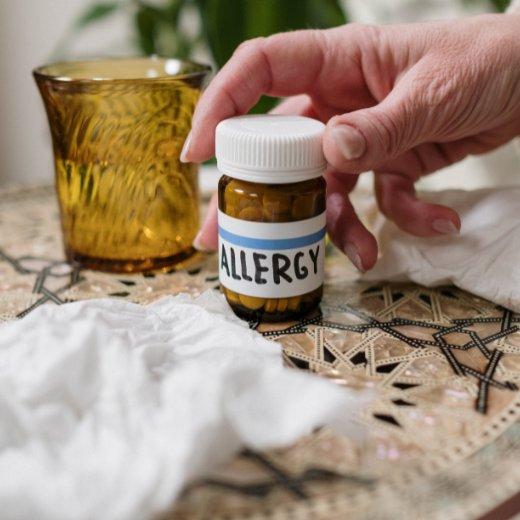
It's essential to keep up with your allergy medications. These can lessen your immune response to pollen, thus alleviating skin-related allergy symptoms. Even if you feel in control of your allergies, continue taking your medications as advised by your healthcare provider.
Wash Hands Regularly
Washing your hands after being outside is a vital habit during allergy season. Pollen clings to various surfaces you touch, from door handles to railings. If you bring pollen indoors, it can exacerbate allergy symptoms. Make it a routine to wash your hands upon returning home.
Pause Irritating Skin Care Products
If your skin feels sensitive or inflamed, consider taking a break from harsh skincare products. This includes exfoliants and strong ingredients like retinols or benzoyl peroxide. Opt for gentler alternatives to help soothe your skin.
Limit Exposure to Allergens
While spring weather is delightful, reducing your time outdoors can minimize allergy symptoms. Stay indoors when pollen counts are high, keep windows closed, and avoid outdoor tasks that can stir up allergens.
Try Lymphatic Drainage for Swelling
If you notice swelling in your face or under your eyes, lymphatic drainage techniques might help. Consider using facial massage tools or gua sha to encourage lymph flow and reduce puffiness.
Maintain a Consistent Cleansing Routine
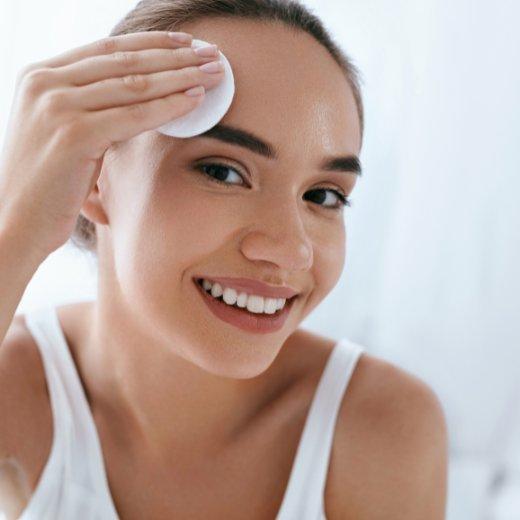
It's crucial to cleanse your skin daily, especially during allergy season. Pollen will likely find its way onto your skin, so wash your face twice a day to prevent transferring allergens onto your bedding or irritating your skin further. This is a good opportunity to explore double cleansing if you haven't already.
Keep Your Skin Healthy This Allergy Season
Allergies can dampen the joys of spring, but with these tips, you can protect your skin and look great while managing your symptoms. Embrace the season with confidence and care for your skin!