We all recognize the importance of daily sunscreen application. It shields our skin from wrinkles, dark spots, and skin cancer.
However, many still find themselves puzzled about the correct amount to apply, the ideal timing, and how frequently to reapply. That's where we can assist.
No matter where you are—on a sunny beach or in a bustling city—using a reliable SPF is vital. Here's how to maintain your skin's protection throughout the day.
What's the Ideal Amount of SPF?
First up, your sunscreen should have an SPF of at least 15. For extended outdoor activities, choose an SPF higher than 15.
Make sure your sunscreen is labeled 'broad spectrum,' indicating it guards against both UVA and UVB rays. Look for products with The Skin Cancer Foundation's Seal of Recommendation for assurance of safety and effectiveness.
How to Apply Sunscreen Properly
Have you heard of the two-finger method? This is a simple yet often overlooked guideline.
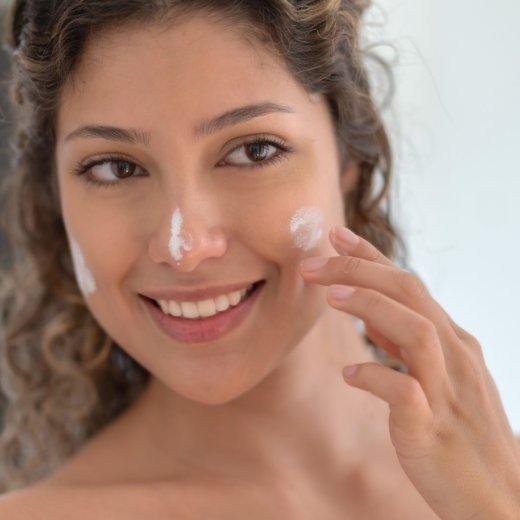
A small dab of sunscreen won't adequately shield your skin under intense sunlight or even on overcast days. Use two fingers to apply a sufficient amount of sunscreen for complete coverage.
While it may feel like a generous layer, this ensures optimal protection. Squeeze the desired amount onto your index and middle fingers, then rub it into your skin.
Don't forget, reapplication is necessary every two hours. If you swim, towel off, or sweat during a workout, reapply more frequently.
How Much Sunscreen Is Necessary?
This brings us to the crucial question of quantity. Many people underapply sunscreen.
To achieve the SPF indicated on the label, you should use approximately two milligrams of sunscreen for every square centimeter of skin. If that's hard to visualize, think of it as about a shot glass full, or roughly two tablespoons.
For your face, a nickel-sized amount is ideal. If using a spray, apply until an even layer appears on the skin.
Where to Apply Sunscreen?
Skin cancer can develop anywhere on the body, even in areas that aren't usually exposed to sunlight. Commonly neglected spots include the scalp, back of the neck, ears, around the eyes, and tops of hands and feet.
To ensure full coverage, apply sunscreen all over before dressing, and reapply to any exposed skin later in the day.
While hair offers some protection to the scalp, it often isn't enough, particularly with thin hair. Nearly 10 to 15% of melanomas occur in the head and neck area, so it's wise to use sunscreen or wear a hat for added safety.
There are specialized products for the scalp and hair part that won't leave a greasy residue.
Your lips, especially the lower one, are also vulnerable to skin cancer due to daily sun exposure. Always apply a lip balm or stick with SPF 15 or higher.
Recommended Sunscreens
While many sunscreens are available, here are a couple we recommend.
EltaMD UV Stick Broad Spectrum SPF 50
Looking for a convenient sunscreen you can take anywhere? The EltaMD UV Stick Broad Spectrum SPF 50 is an excellent option.
This portable UV stick is easy to apply, mess-free, and dermatologically tested for all skin types. Whether at home or traveling, it protects your skin from UV rays.
It's water-resistant, all-mineral, and boasts an SPF of 50. This sunscreen absorbs quickly, blends seamlessly, and avoids the white cast typical of many products. It defends against UVA (aging), UVB (burning), and HEV (high-energy visible) rays.
Dermalogica Oil-Free Matte SPF 30
The Dermalogica Oil-Free Matte SPF 30 is perfect for oily, breakout-prone skin while preventing premature aging and shine. Its lightweight, ultra-sheer formula blends zinc, caffeine, gluconate, niacinamide, biotin, and yeast extract.
If you struggle with oily skin, this is your go-to sunscreen. Enjoy a matte finish all day, protecting against shine and sunburn without a powdery feel.
Want more tips on SPF? Check out how to choose the right sunscreen.