
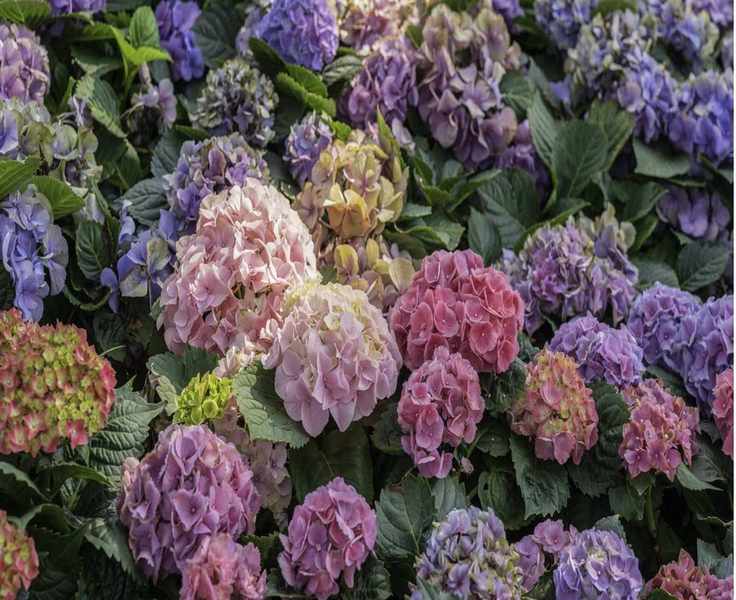
Making the wrong moves with your hydrangeas in April can jeopardize an entire summer's worth of blooms. As the plant emerges from dormancy and new growth appears, many gardeners feel compelled to prune. However, what you do during this month significantly influences whether your hydrangea will flourish or disappoint later in the season.
Understanding that different hydrangeas have unique growth patterns is crucial. Some varieties bloom on last year's wood while others rely on new growth. Pruning at the wrong time can cut off flowers before they have a chance to develop. Here's how to care for your hydrangeas in April.
1. Determine Your Hydrangea Type
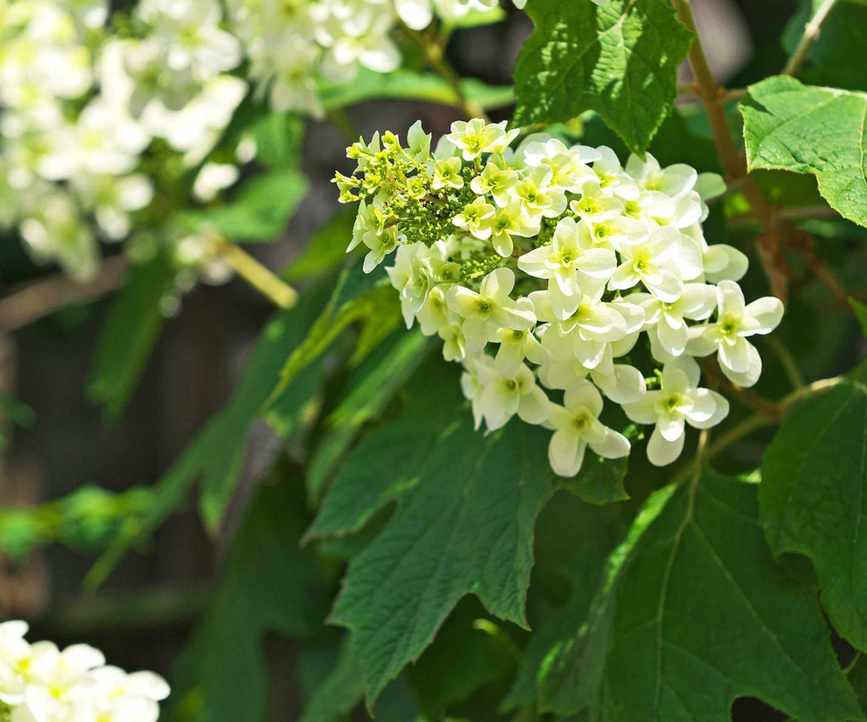
Oakleaf hydrangeas bloom on old wood, so avoid pruning them in April.
Before making any cuts, it's vital to identify the type of hydrangea you have. According to gardening expert Drew Swainston, knowing whether your plant flowers on old or new wood is essential; getting this wrong could mean losing an entire bloom cycle.
Mophead, lacecap, and oakleaf varieties typically flower on old wood, meaning their buds form on last year's stems. In contrast, panicle and smooth hydrangeas bloom on fresh growth each year.
This distinction is key. If you're uncertain, it's safer to treat your hydrangea as though it blooms on old wood and prune sparingly, if at all.
2. Carefully Remove Old Flower Heads
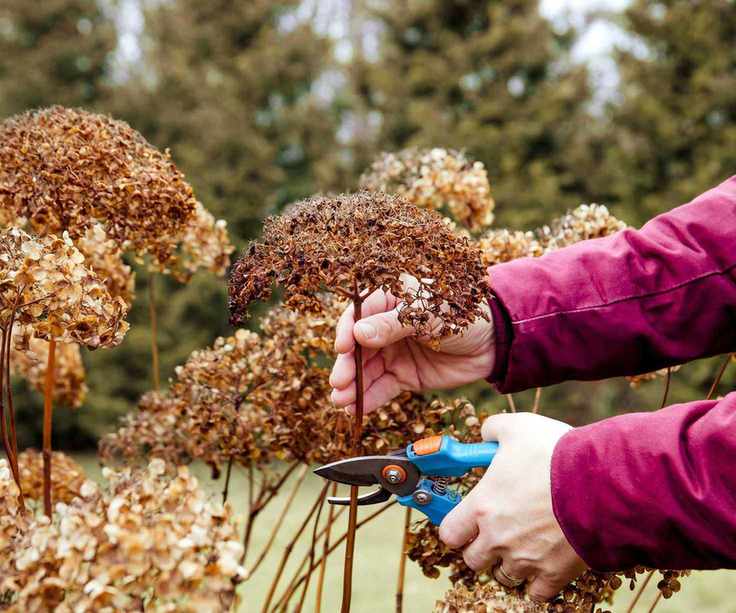
April is the best time to deadhead hydrangeas, but do so with caution.
If any dried flower heads remain from winter, April is the last chance to deadhead hydrangeas, but it should be done gently. Trim just above healthy buds, being careful not to disrupt any new growth forming beneath.
This step isn't about reshaping. It's merely a way to clean up the plant while safeguarding the buds readying for summer blooms.
Utilize sharp, clean pruning shears, like these Fiskars bypass pruning shears from Amazon, to ensure clean cuts that promote healthy regrowth.
3. Trim Only Dead or Damaged Stems
After deadheading, focus on removing any growth that appears dead or unhealthy. Frost-bitten tips, brittle stems, and congested centers can all be eliminated.
The goal is to enhance airflow and the overall health of the plant without altering its natural shape.
4. Nourish and Mulch for New Growth
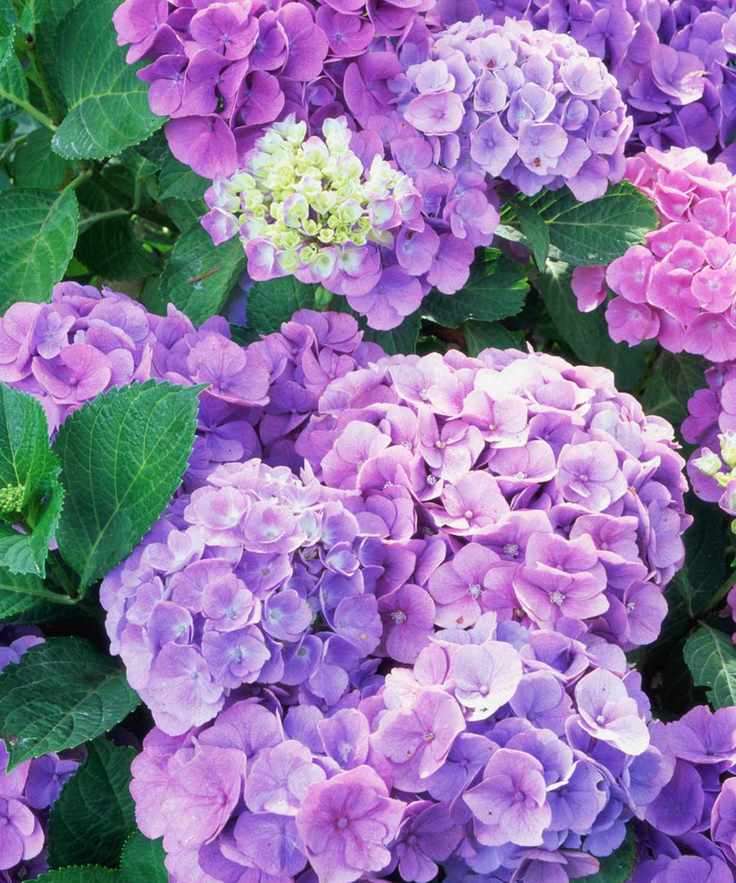
With minimal pruning, April serves as a month for nourishment and support. It's the optimal time to fertilize hydrangeas using a balanced feed for flowering shrubs to boost bud development and growth. A popular option is this Hydrangea Fertilizer Liquid.
A layer of mulch around the base will help retain moisture and regulate soil temperature as growth picks up. This quiet, consistent care often leads to more blooms than aggressive pruning.
5. Prune Hard Only for New Wood Bloomers

'Annabelle' hydrangeas thrive with a harder prune in April.
If you have panicle or smooth hydrangeas like 'Annabelle', April is the exception for when to prune. These types can handle a more aggressive cut, promoting strong new stems to support large flower heads later.
However, the objective should be to maintain structure without excessive cutting, enhancing strength and bloom potential without overwhelming the plant.
You can find an 'Annabelle' hydrangea starter plant from Nature Hills—a personal favorite for its abundant blooms and response to a hard spring prune.
Avoid These Mistakes in April
The most crucial rule for hydrangea care this month is straightforward: steer clear of heavy pruning unless you're absolutely sure your plant can handle it. Cutting back mophead, lacecap, or oakleaf varieties in April risks removing the buds set for summer blooms, resulting in foliage but no flowers.
Essential Products for Hydrangea Care in April
For optimal results, consider these must-have products:
Hydrangea Fertilizer - This specialized liquid feed nourishes hydrangeas for abundant flowering. Mix with water and apply directly to the soil for targeted benefits.
Gardening Gloves - Durable gloves with leather-reinforced palms provide protection while working with woody shrubs. They offer a secure grip and shield your hands from thorns and rough stems.
Bypass Pruning Shears - These shears are ideal for clean cuts, managing stems up to 1 inch in diameter with ease. Their sharp blades ensure precision for effective spring pruning.
Organic Premium Mulch - This peat-free option, made from upcycled plant material, retains moisture and maintains soil balance, making it perfect for raised beds.
Folding Pruning Saw - Perfect for thicker branches, this saw features an 8-inch blade suitable for cutting through branches up to 4-5 inches wide, making it a reliable tool for larger garden tasks.
Garden Twine - A sturdy jute twine, great for tying plants and supporting stems while blending into the garden environment. The coil design allows for easy cutting.
Throughout April, remember this: restraint ensures results. Doing less now typically leads to more blooms in the summer.
Handled with care, this month focuses on gentle maintenance, thoughtful feeding, and the wisdom to leave healthy growth intact. In return, hydrangeas gift you with their signature summer spectacle: lush, cloud-like blooms that appear effortless, despite the patience they require.