
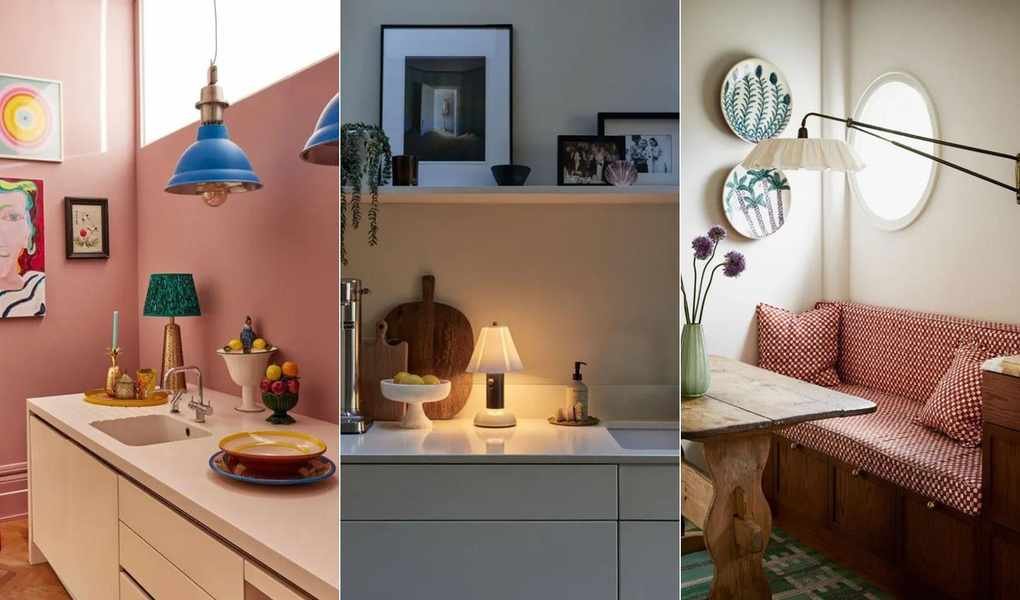
Lighting plays a crucial role in every home, often featuring table lamps to create a warm atmosphere. But is adding lamps to your kitchen a wise choice? Although lampscaping has gained popularity recently, the kitchen's functional nature raises questions about whether lamps serve a purpose or simply become an obstacle.
Typically, kitchens rely on pendant lights and flush ceiling fixtures as primary lighting, with wall sconces offering a decorative option. However, where do table lamps fit into this picture? Some designers advocate for their use as a means to introduce ambient light in social areas of the kitchen, while others feel they contribute to countertop clutter.
So, should you incorporate lamps into your kitchen? We consulted experts to determine if lampscaping is effective in kitchens or merely a trend best left to social media.
Is Adding Lamps to Your Kitchen a Good Idea?
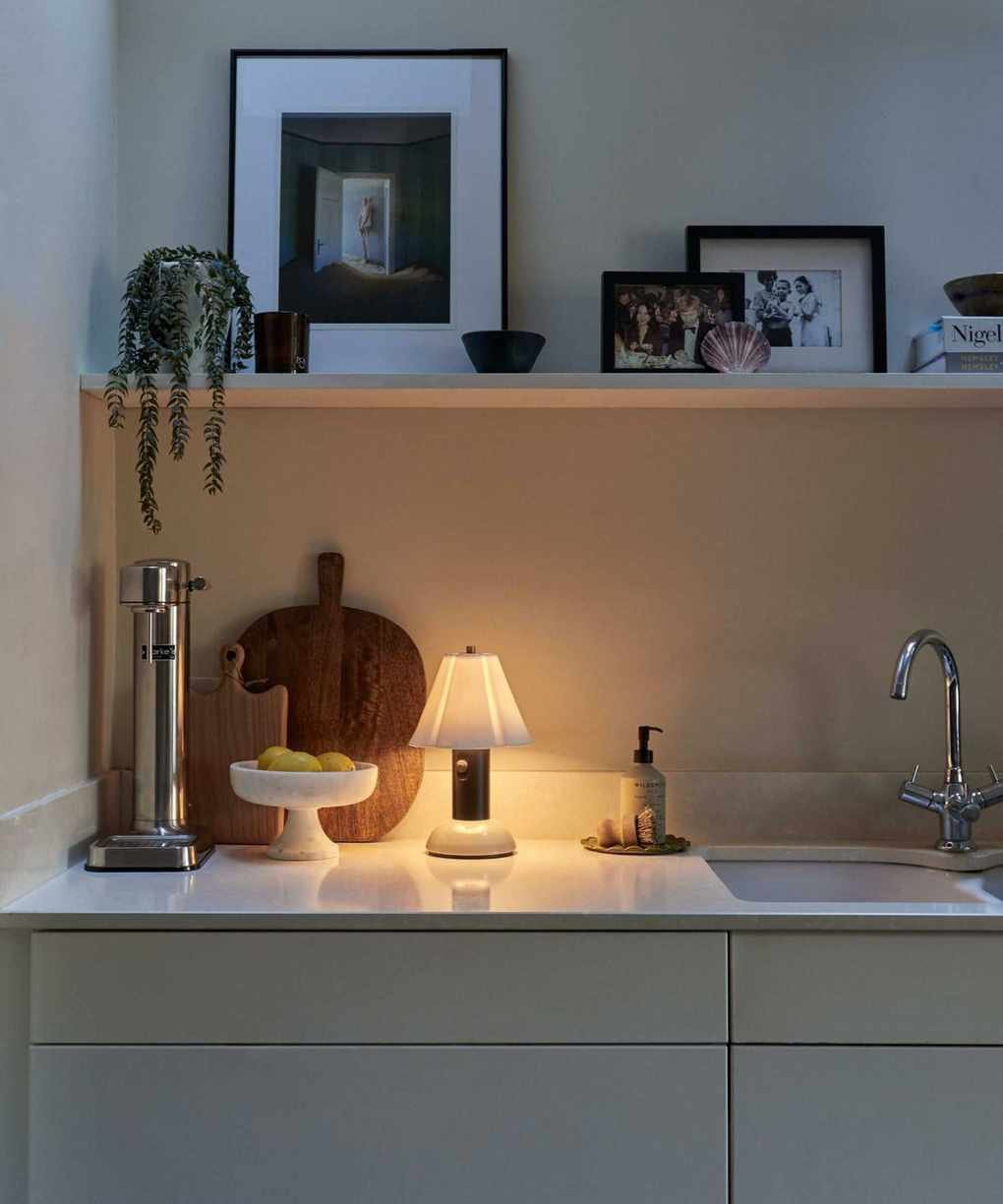
In cozy spaces like living rooms and bedrooms, lamps are a staple. However, kitchens are typically viewed as more functional environments. As these spaces evolve into multifunctional areas, is it finally time to consider the addition of lamps?
"Lamps can introduce a surprising warmth and softness to what is often a very practical area. They are ideal for creating intimate dining nooks or adding a decorative flair," explains Jo Plant, head of design at Pooky.
Modern kitchens often serve more than just cooking purposes, frequently featuring seating areas that necessitate a more inviting atmosphere. Lamps provide an easy solution to achieve this ambiance.
"Lamps add a layer of intimacy, perfect for softer lighting during evening meals or when winding down after cooking. Position them on kitchen islands or open shelves, allowing them to function as both illumination sources and design elements," Jo adds.
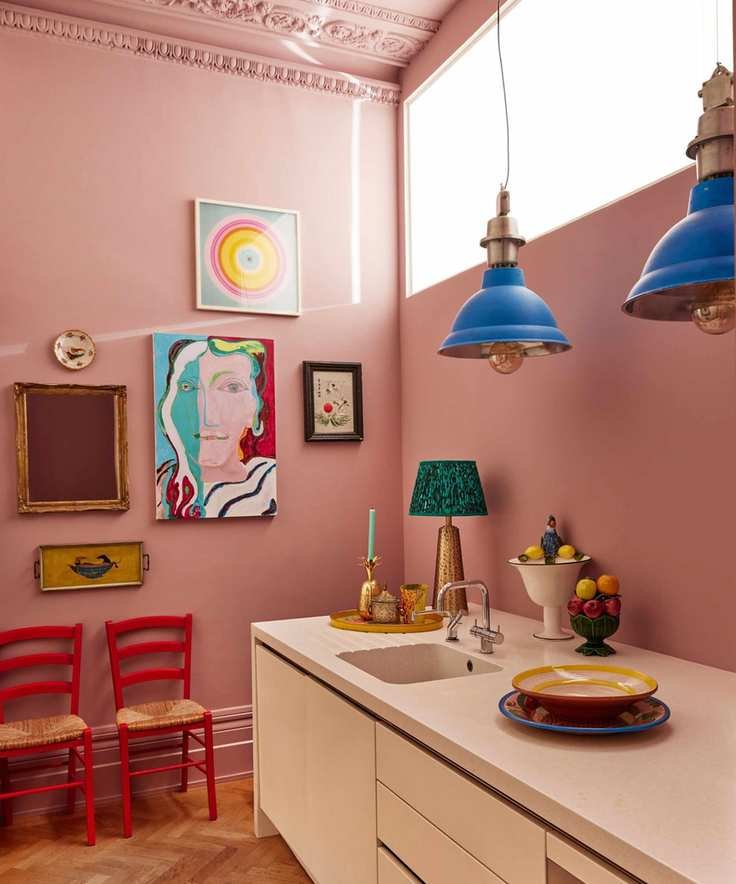
When selecting lamps for your kitchen, think about how they will integrate into your overall design. "Choose styles that share at least one design element with the rest of the room—be it color, shape, or material—to maintain a cohesive aesthetic," advises Mara Rypacek Miller, founder of Industville.
Ensure your lamp finishes match your hardware for a unified look, and consider incorporating patterns in lampshades to bring some unexpected flair.
Size and style are essential, particularly if you're planning to place them on counters. "Unless your kitchen is exceptionally large, counter space is often limited. Opt for slim-profile table lamps that add character without encroaching on valuable workspace," advises Mara.
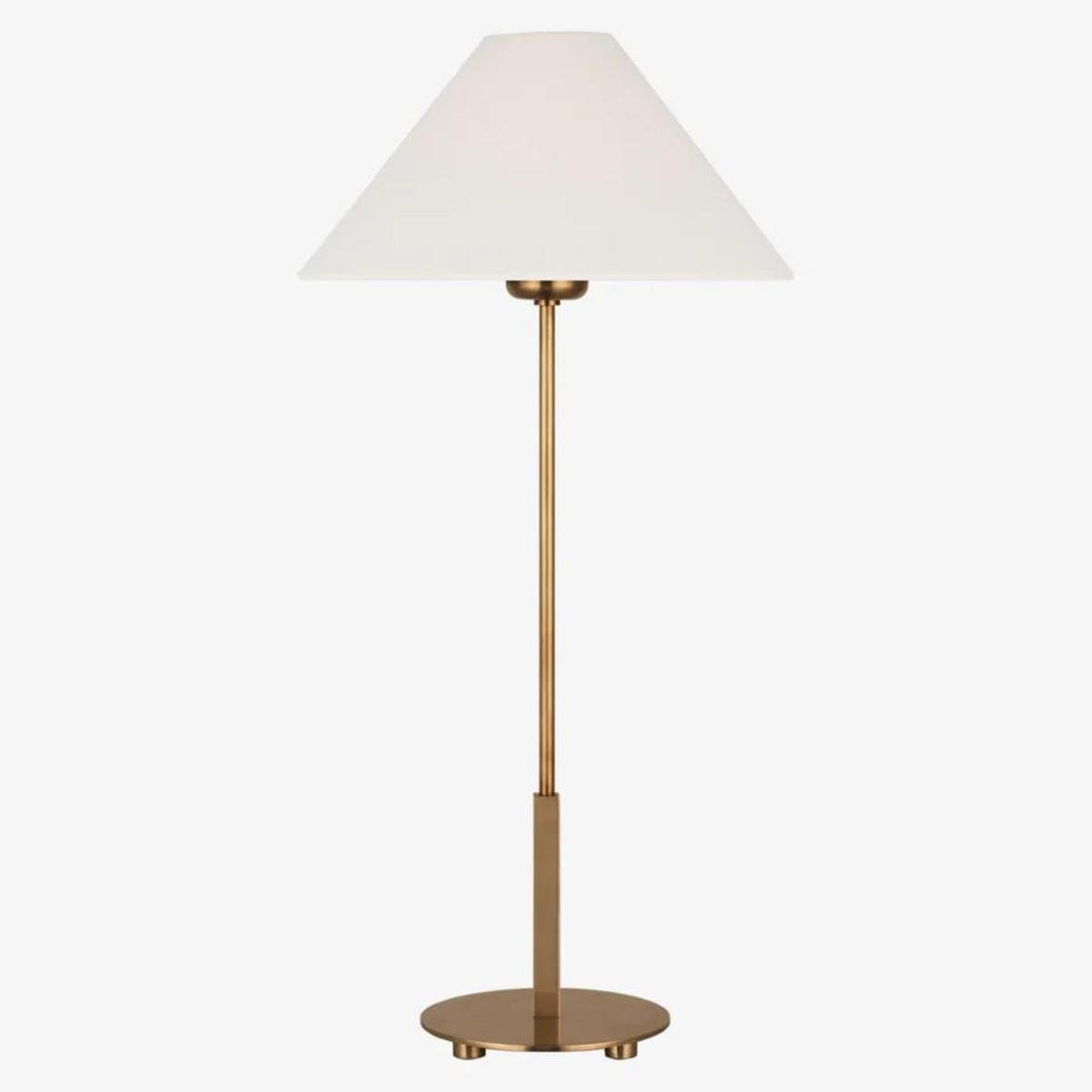
This design is both timeless and functional. Its slim profile minimizes the counter space it occupies, while the brass finish complements warm-toned kitchen hardware beautifully.
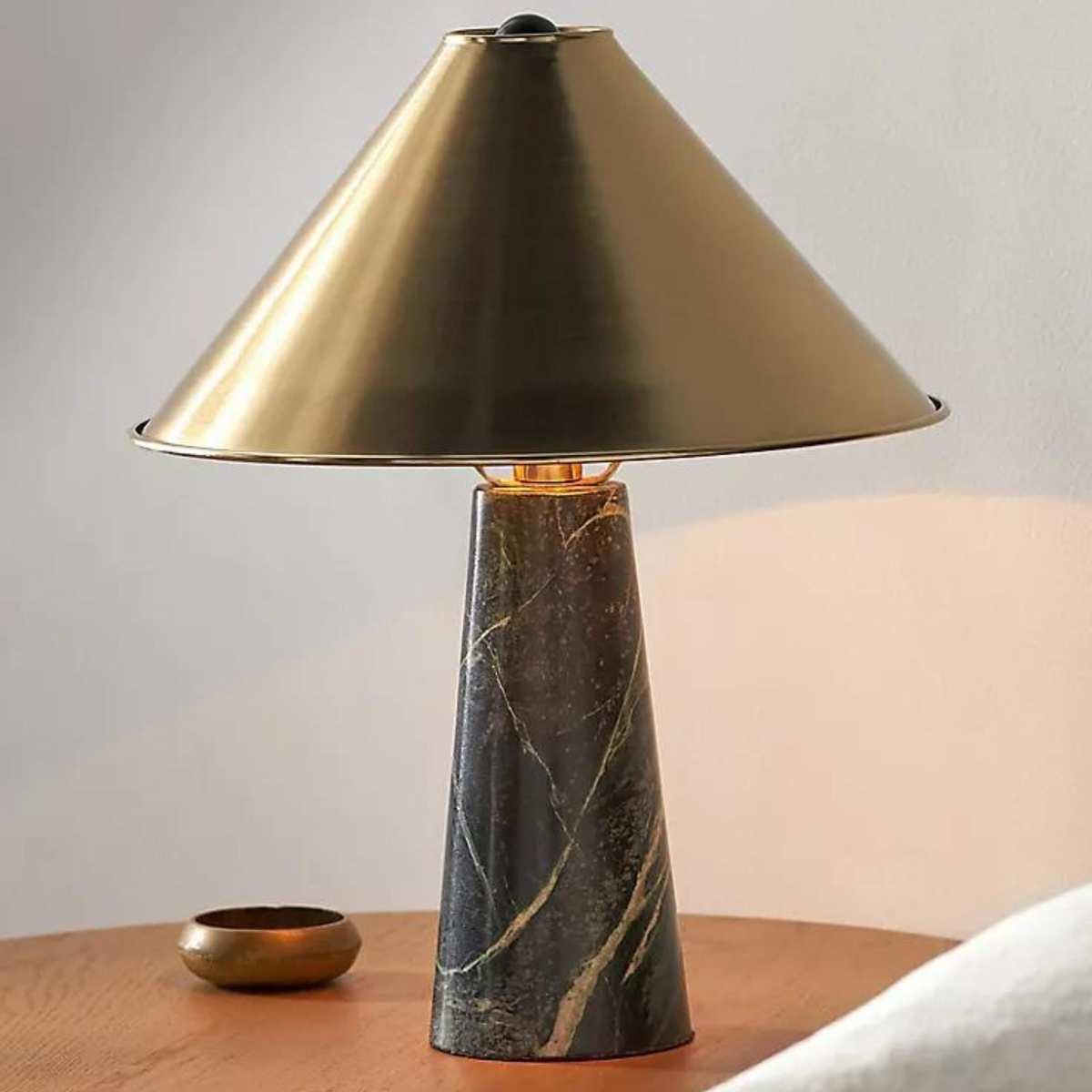
If you want to select lamps that harmonize with your kitchen's aesthetic, this marble lamp is an excellent option. Compact yet impactful, it fits well in a bustling space.
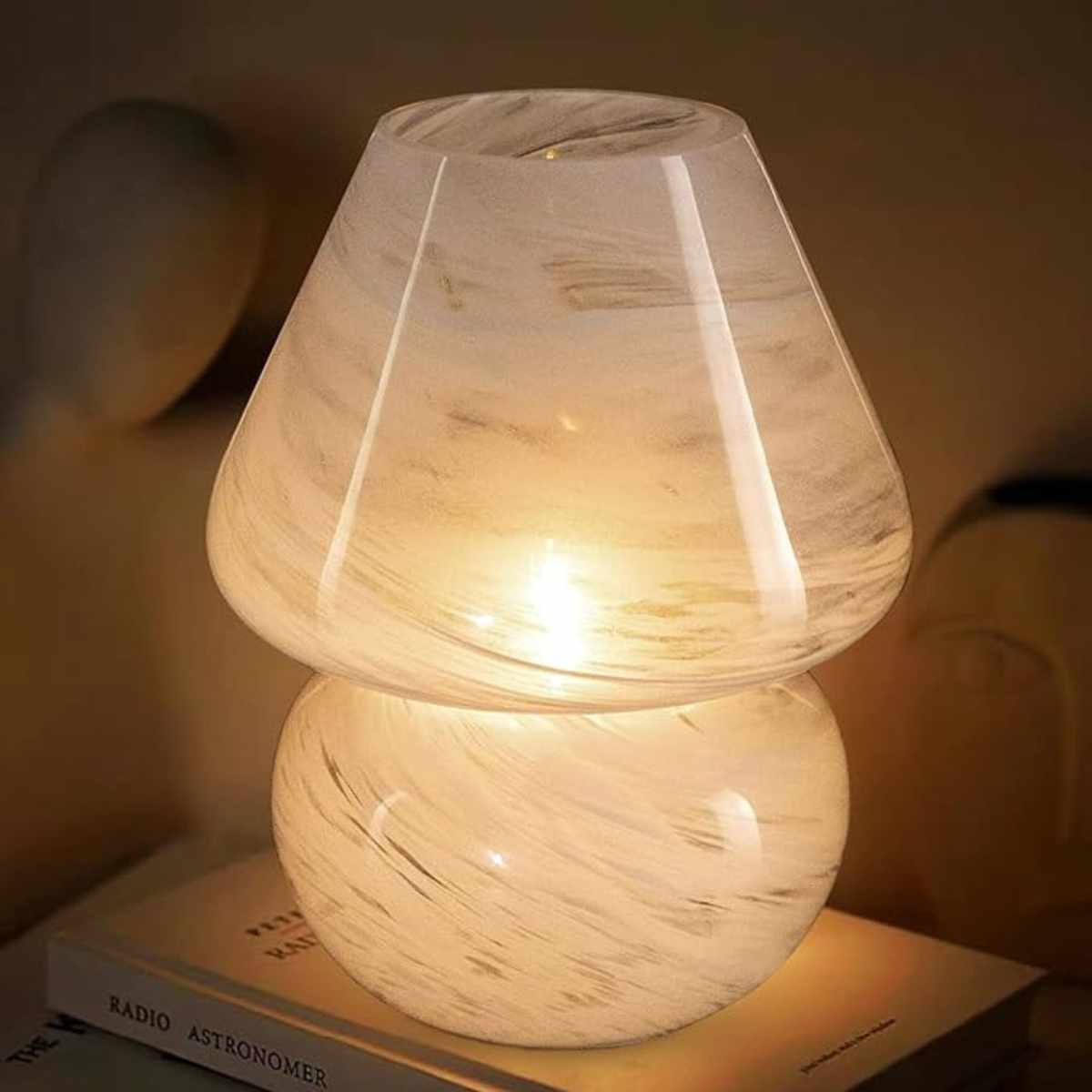
This wireless lamp is perfect for kitchens due to its portability and lack of need for outlet space, making it a charming decorative addition.
Nevertheless, kitchens prioritize functionality, so if counter space is limited, lamps may not be the best choice. "While I frequently incorporate lamps into designs, the kitchen is one area where I avoid them. Even in the largest kitchens, counter space is a luxury, and lamps often add unnecessary clutter," states interior designer Becky Shea.
"Instead of lamps, I prefer decorative lighting options like pendants, sconces, and the occasional flush mount. These fixtures enhance design while providing functional ambient lighting without sacrificing counter space," she continues.

If you prefer not to use lamps but still want to modify the ambiance, consider dimmable lights or feature lighting as alternatives.
"For those who are hesitant about lamps, under-cabinet lighting or dimmable overhead fixtures can create a layered atmosphere without adding clutter. Accent lighting like LED strips under shelves can also provide a lovely glow without needing a traditional lamp," suggests Jo.
To enhance your kitchen with decorative lighting, consider unexpected fixture placements—like picture lights above artwork or more striking pendant lights for a sculptural effect.
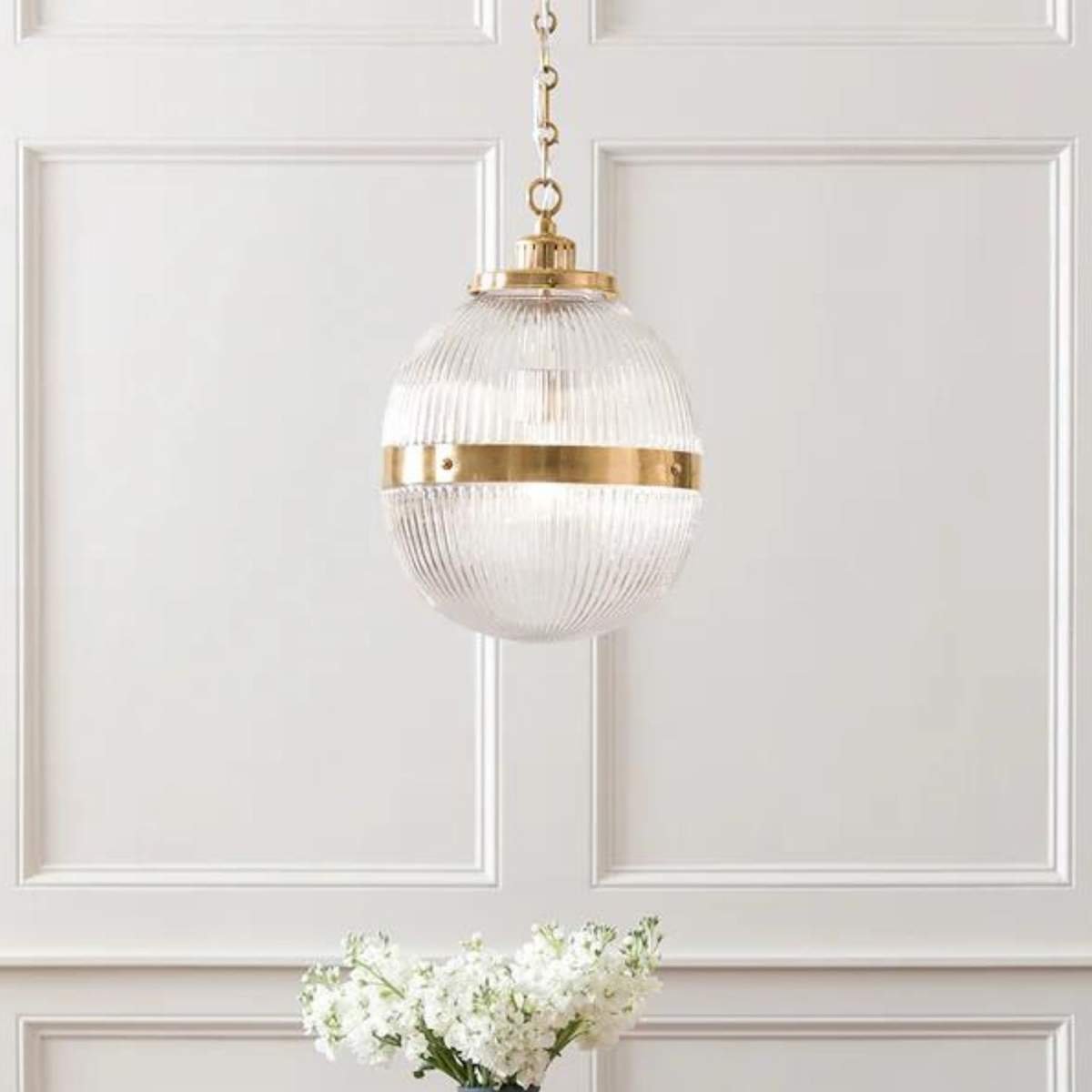
A standout pendant can provide the same decorative impact as a table lamp without consuming counter space. This fixture boasts a fun, vintage aesthetic.
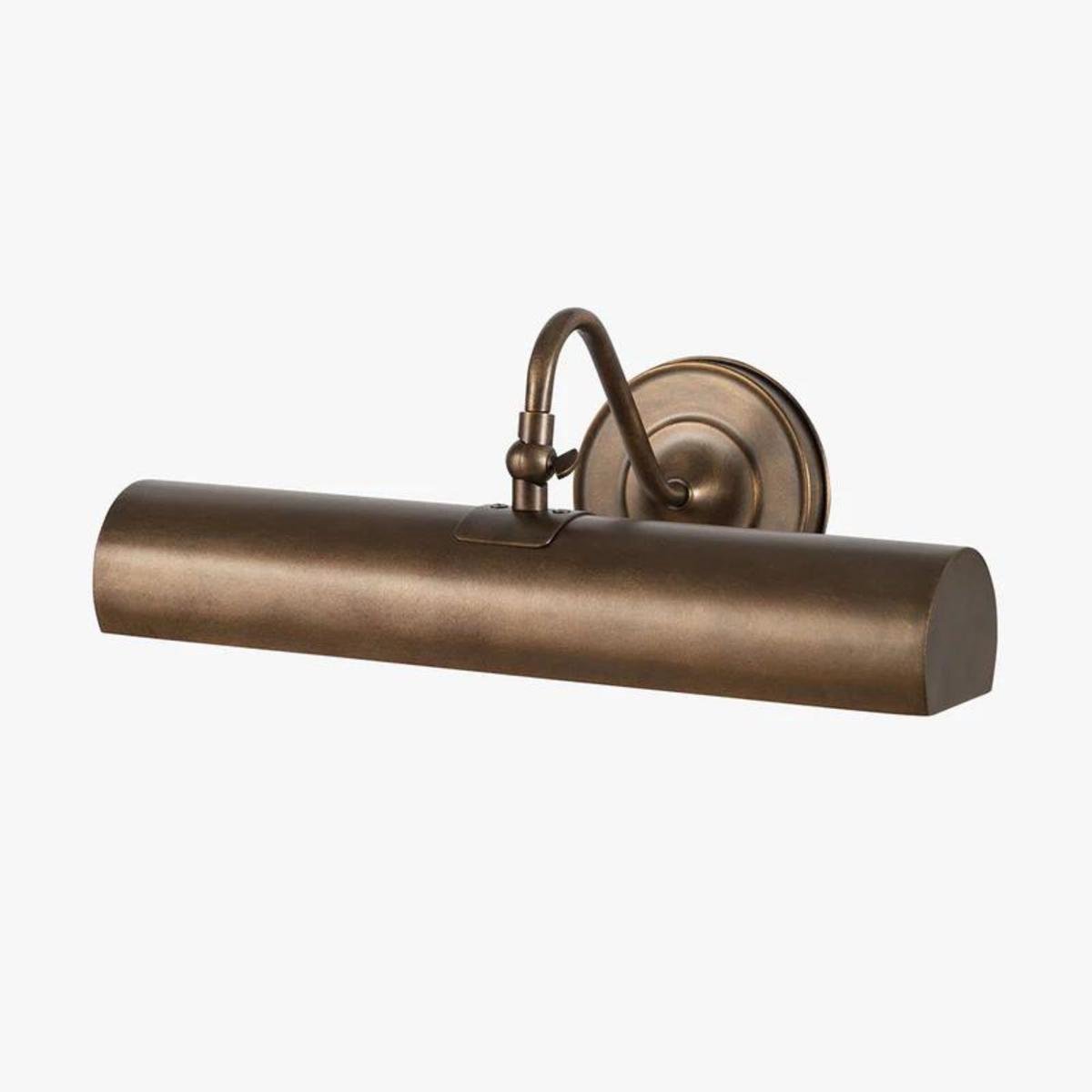
If you're seeking a more unique kitchen lighting option, this picture sconce provides a soft glow above your favorite artwork, offering an alternative source of ambient light.
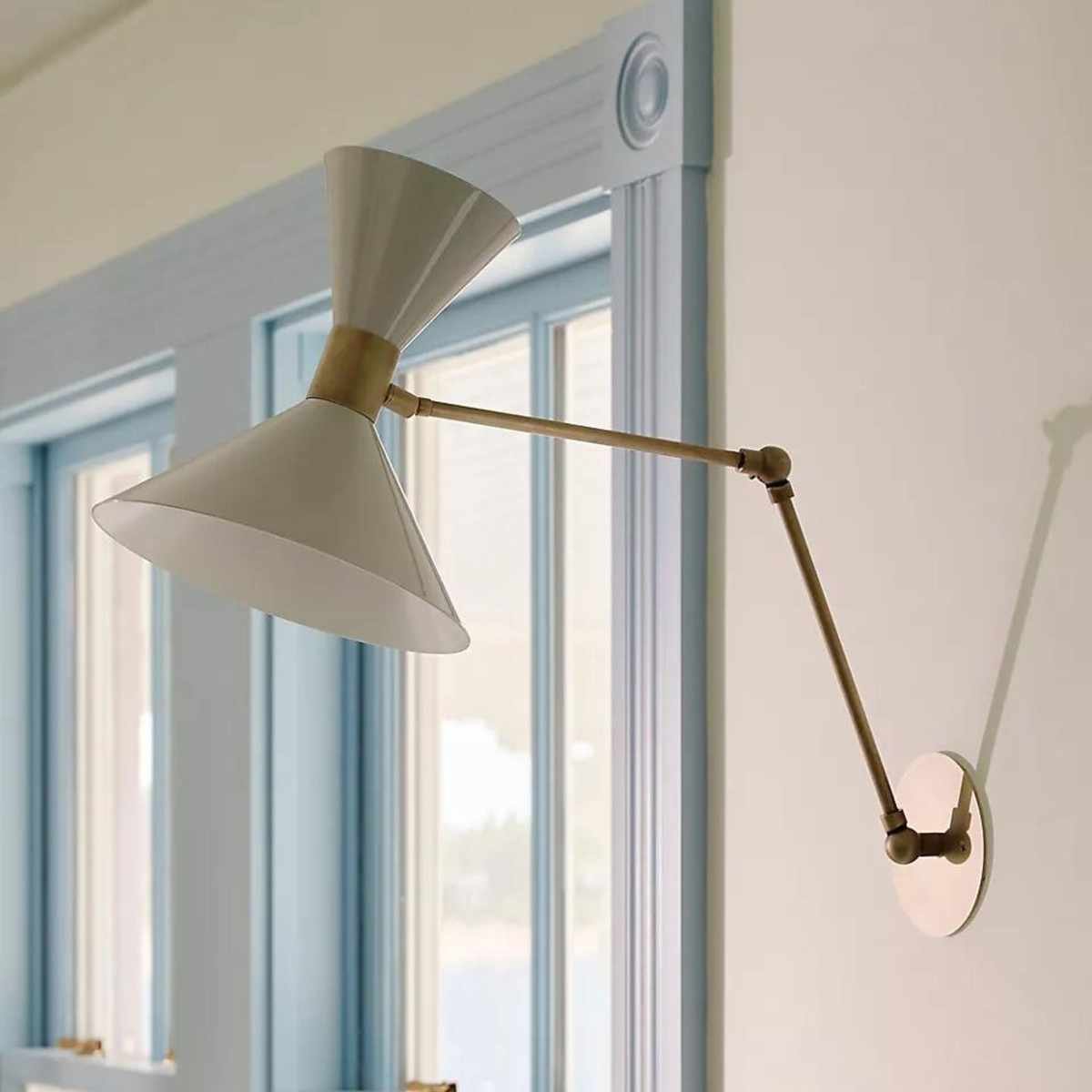
In a kitchen nook, a movable wall sconce combines practicality and aesthetics. This fixture can extend over the table during meals.
Table lamps can find a place in kitchens that feature intimate seating areas. However, they should be avoided on countertops where space is precious. Be intentional about your lamp usage—prioritize functionality in usable areas, and use lamps in social zones and on shelves for a stylish touch.


