Non-stick pans have emerged as kitchen essentials, lauded for their ease of cooking and cleaning. These pans typically feature a coating of polytetrafluoroethylene (PTFE) or ceramic, which minimizes the need for excessive oil and simplifies cleaning tasks.
However, concerns have been raised regarding the safety of PTFE coatings, while ceramic options can come with a higher price tag. Furthermore, non-stick pans are generally not dishwasher safe, despite some misleading packaging. Washing them in the dishwasher can compromise the coating, causing it to flake and peel.
Considering these factors, it's important to weigh the pros and cons before purchasing. I consulted cooking and appliance experts to help clarify whether non-stick pans are a worthy investment.
Is It Worth Buying Non-Stick Pans?
Before diving into a full set of non-stick pans like these available on Amazon, consider the following aspects:
Cooking Advantages
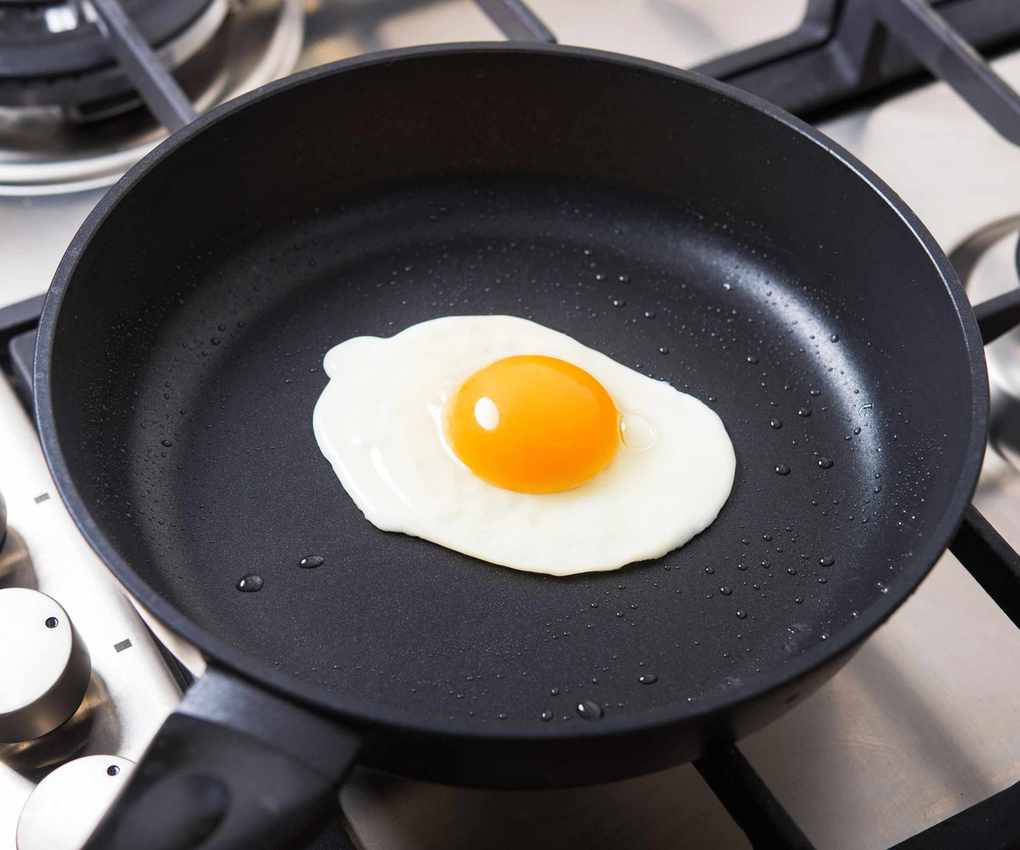
According to culinary expert Amna Muqeem, one significant health benefit of non-stick pans is the ability to cook with less oil. This is particularly beneficial for those looking to lower their fat intake while maintaining flavor in their dishes.
Using less oil in cooking not only contributes to reduced calorie consumption but also promotes healthier eating habits. This advantage extends to cooking with butter or lard, allowing for meals with minimal or no added fats, which can be especially helpful for individuals with dietary restrictions or health issues related to fat intake.
Beyond health benefits, non-stick pans are incredibly versatile. They can be employed for various cooking methods, from sautéing to frying, making them a valuable tool in any kitchen and adaptable to a wide array of recipes.

Amna Muqeem is a baking enthusiast and editor-in-chief at Specially Fried. With a passion for food, she brings creativity and expertise to the kitchen, providing excellent content for cooking aficionados.
Cleaning Benefits
Non-stick pans are celebrated for their simple cleaning process. The smooth surface prevents food from adhering, making it easier to wipe or rinse away residue, notes appliance expert Sarah Johnson. 'This not only saves time but also encourages regular maintenance for a cleaner kitchen.'
The days of scrubbing stubborn food remnants are behind you. With non-stick pans, you can spend less time at the sink and more time savoring your culinary creations.
Sarah JohnsonSarah Johnson is an appliance expert at Big Air Fryers, a platform offering insights, recipes, and community reviews for air fryer enthusiasts.
Durability and Upkeep
Non-stick pans typically offer excellent heat distribution, ensuring even cooking and preventing hot spots that could lead to unevenly cooked meals. Their non-stick surface facilitates flipping pancakes or omelets effortlessly and tossing vegetables or stir-fries without hassle.
The non-stick coating simplifies cleanup, as food particles are less likely to cling. This leads to minimal scrubbing or soaking requirements, and leftover residue washes away easily. Hand washing with a gentle detergent and a non-abrasive sponge from Amazon can help extend their life.
With proper care, non-stick pans can last long, maintaining their non-stick quality. A crucial rule is to avoid metal utensils that may scratch the coating; opt for silicone, wood, or plastic utensils instead. Cooking at moderate temperatures also helps minimize the risk of damaging the coating and reduces the release of harmful fumes.
Health Factors

Many non-stick pans are coated with PTFE, also known by its brand name, Teflon, which raises certain health concerns. Similar to discussions around air fryers and their safety, a compromised PTFE coating can emit toxic fumes when damaged, posing health risks if inhaled.
Health-conscious cooks are often on the lookout for safer alternatives, such as the SENSARTE 12.5 Inch Nonstick Frying Pan Skillet from Amazon, which features a granite coating.
Some non-stick options use alternative coatings like ceramic, such as the popular Always Pan. Ceramic cookware tends to be slightly stickier than Teflon, but it is generally considered safer. The non-stick material is natural and inert, meaning you don't have to worry about health or environmental effects. However, ceramic can chip more easily and usually comes with a higher price tag.
Environmental Considerations
Unfortunately, some non-stick pans may not be environmentally friendly. Although PTFE can be recycled, the process is often too costly or specialized for recycling centers, leading to most PTFE non-stick pans ending up in landfills.
'When PTFE is incinerated, it releases extremely toxic gases that can harm local flora, fauna, and communities nearby,' explains Angela Rubin, owner of Hellamaid. 'When selecting cookware, consider both your cooking preferences and its environmental impact.'

Angela Rubin is the owner of Hellamaid, an award-winning cleaning service in Canada featured across various global media.
Frequently Asked Questions
When Should You Replace Non-Stick Pans?
With proper care, non-stick pans can last around five years, although this can vary based on usage. If the non-stick surface begins to peel, it's vital to discard the pan immediately to prevent any flakes from contaminating your food.
The choice to invest in non-stick pans ultimately hinges on your cooking preferences, habits, and health considerations. While they provide notable benefits, such as reduced oil usage, lower calorie counts, and effortless cleaning, it's essential to select high-quality, PTFE-free options to mitigate potential health risks associated with certain non-stick coatings.