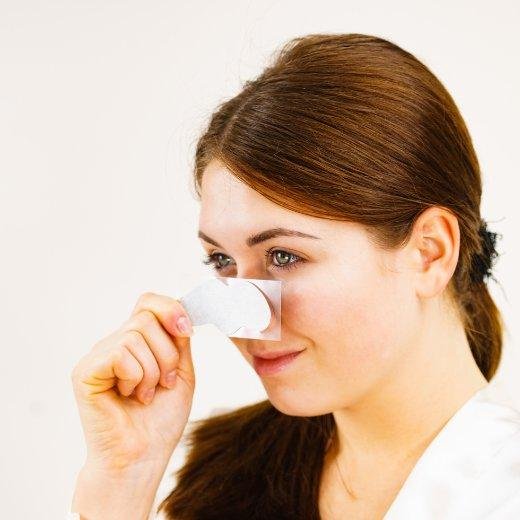
If you've ever tried a pore strip, you know the mix of satisfaction and disgust as you peel it away to find those pesky blackheads.
During their heyday, cheerful teens showcased these strips in ads, removing them from their noses and proudly displaying the results.
While they can effectively pull out dirt and oil from pores, pore strips aren't necessarily the best for skin health.
Let's explore the downsides of using pore strips and why they might not be your best bet.
How do pore strips function?
Pore strips work by adhering to the debris lodged in your pores. They consist of a material with a sticky side that attaches to blackheads or comedones, pulling them out when removed.
Blackheads form when oil in the pores is exposed to air and oxidizes, turning dark. If the strip's adhesive can grab this oil, the blackhead gets pulled out.
What are the downsides of pore strips?
Despite their fun factor, pore strips can irritate and damage skin. The adhesive can leave your complexion red, inflamed, and flaky.
Using these strips may also contribute to spider veins and broken capillaries near the nose. Plus, applying a blackhead strip on damaged skin can tear it, resulting in enlarged pores or scarring.
Moreover, they might exacerbate existing skin conditions. For instance, those with rosacea could see a flare-up, especially if the strips contain irritating components like alcohol. They're also unsuitable for dehydrated skin, eczema, or psoriasis.
If you can't resist the thrill of peeling a nose strip, proceed with caution.
Do pore strips genuinely eliminate blackheads?
Dermatologists aren't entirely convinced about the effectiveness of pore strips. Their ability to adhere and extract debris varies, and some individuals may have allergies to the adhesive.
Although pore strips have been promoted effectively, many lack the strength to deeply cleanse pores.
They might occasionally remove keratin buildup, but the underlying issues, like enlarged pores and overactive oil glands, remain unaddressed. In fact, using these strips can sometimes make pores appear larger.
When you pull off a blackhead strip, it often removes not just the blackheads but also healthy skin cells. Consequently, this can lead to more visible pores instead of minimizing them, unlike quality exfoliators or cleansers.
Additionally, dried-out skin may increase oil production, making the nose area even oilier.
Alternatives to Pore Strips
Fortunately, there are safer and more effective methods to cleanse pores without damaging your skin. Here are some recommended products for decongesting your complexion.
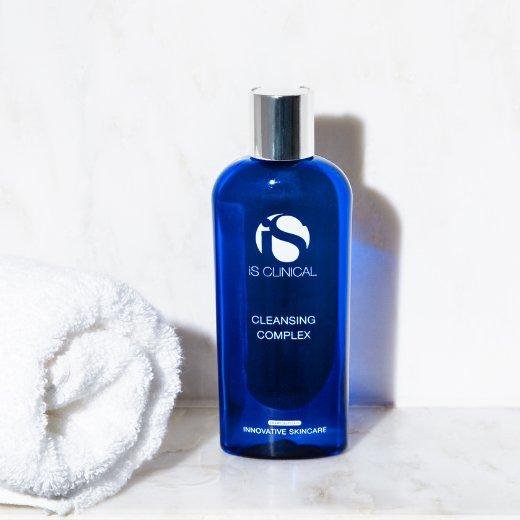
iS Clinical Cleansing Complex
This clear, lightweight gel effectively cleanses without stripping sensitive skin. Packed with bio-nutrients, antioxidants, and mild resurfacing ingredients, it thoroughly cleans the skin's surface and pores while maintaining essential oils.
With regular use, your skin will feel soft and smooth. It's perfect for daily makeup removal and suits all skin types, including blemish-prone complexions.
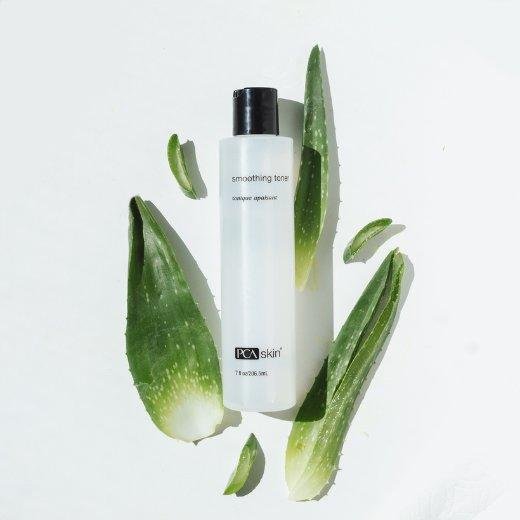
PCA Skin Smoothing Toner
This toner features aloe and lactic and citric acids to refine pores and eliminate dead skin cells, leaving your complexion looking smooth and clear.
Its alcohol-free formula effectively removes impurities without over-drying the skin, while a calming blend of botanicals helps minimize the appearance of pores.
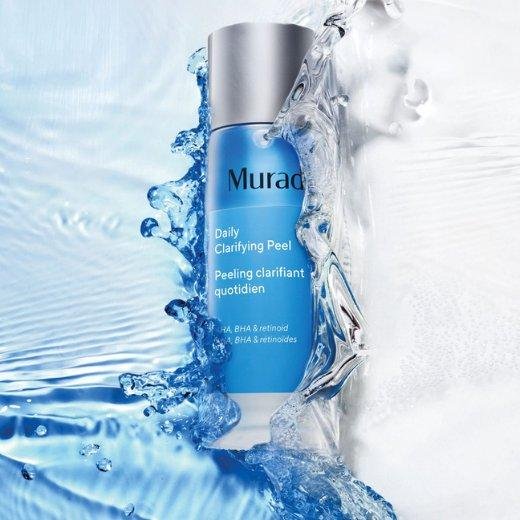
Murad Daily Clarifying Peel
The Murad Daily Clarifying Peel helps clear pores and improve skin texture for a softer, smoother feel. Formulated with a resurfacing retinoid, glycolic acid, and salicylic acid, this effective blend refines pores and promotes healthier skin turnover.
Looking for more skincare tips? Discover the benefits of cleansing balms.