We're passionate about sleep and its impact on our lives. From bedtime meditation to creating relaxing atmospheres, we strive to enhance our sleep quality. Yet, there's always more to learn, especially about habits that might hinder our rest. Surprisingly, some familiar behaviors could be the very reasons we’re not sleeping well.
While we know about caffeine and alcohol's effects, it's time to explore whether sleep apps are beneficial or detrimental and whether morning people really have the upper hand. For insights, we consulted a sleep expert.
Featured image by Teal Thomsen.
Understanding Sleep Quality
Dr. Jeffrey Durmer, a neurologist and board-certified sleep medicine physician, specializes in technology's role in sleep health. As a sleep advisor for MUDWTR, he shares our goal of achieving sustainable energy through quality rest. Here, Dr. Durmer shares insights on habits that may negatively affect sleep and how to enhance sleep health.
Issues Affecting Sleep Quality
Most are aware that using technology, especially phones, before bed is detrimental to sleep. Here are key factors highlighted by Dr. Durmer that significantly impact sleep:
Caffeine, Alcohol, and Nicotine
Alcohol raises heart rates, increases body temperature, and disrupts sleep cycles by inhibiting REM sleep. This can lead to REM rebound, characterized by vivid dreams and sleep disturbances after alcohol is metabolized.
Nicotine stimulates areas of the brain that promote wakefulness, which delays sleep onset and reduces deep non-REM sleep.
Caffeine blocks adenosine, a sleep-promoting nucleoside, impairing your ability to fall and stay asleep for up to 6-8 hours, especially when consumed later in the day.
Cultural Attitudes Toward Sleep
In many western cultures, sleep is undervalued. The average American now sleeps about 6.2 hours per night, down from 8 hours in the 1960s. The societal push for constant productivity often leads individuals to sacrifice sleep, mistakenly viewing sleep deprivation as a badge of honor.
Many in our culture believe that sacrificing sleep is necessary for success.
Bedroom Distractions
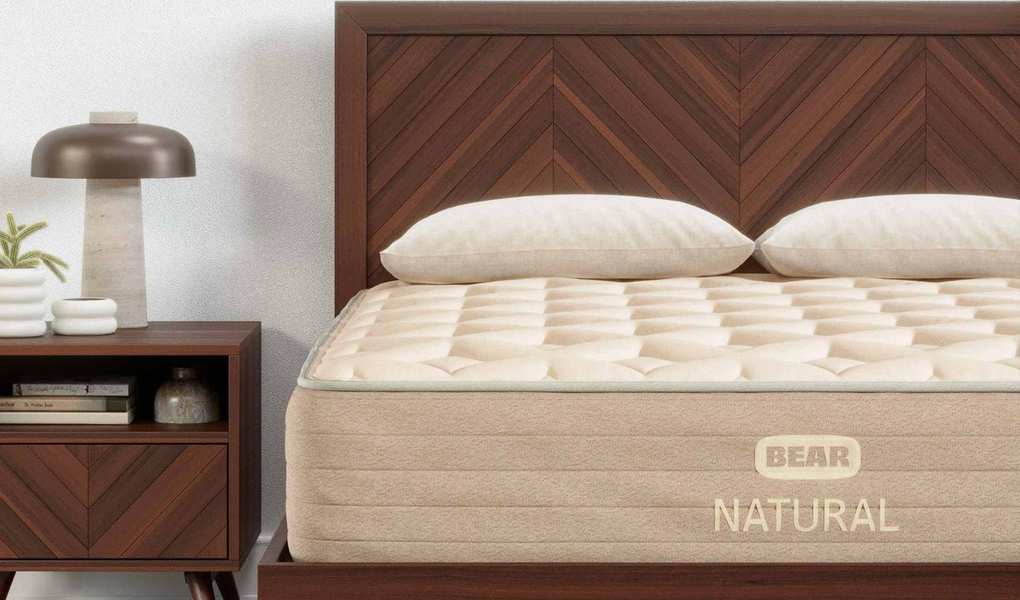
American bedrooms often contain distractions like TVs, computers, and pets, which can hinder sleep. To create a sleep-friendly environment, transform your bedroom into a sanctuary dedicated to rest. Consider removing non-sleep-related items and adding features like blackout curtains, noise-canceling devices, and a comfortable mattress.
Quince European Linen Blackout Curtain

Establish a Relaxing Routine
Children often have bedtime routines that help them settle down. Adults can benefit from similar practices. Create a wind-down routine that involves dimming lights, minimizing noise, and engaging in calming activities like reading or meditating. Consider enjoying a soothing beverage to enhance relaxation.
MUD/WTR Evening Ritual Starter Kit

Understand Your Circadian Rhythms
Everyone has a unique internal clock affecting sleep patterns. Night owls prefer late nights, while morning larks wake early. Irregular schedules can lead to health issues, with studies linking late bedtimes to obesity, cardiovascular problems, and depression.
Late bedtimes often correlate with poor sleep quality and increased health risks.
Night owls face a higher likelihood of experiencing mental health and cardiovascular challenges.

Target Optimal Sleep Times
Bedtime isn't the sole factor in health; waking time is crucial too. A study indicated that going to bed between 9:45 PM and 10:30 PM promotes the best health outcomes. Consistent wake-up times can strengthen your circadian rhythm.
Sleep scientists agree: consistent wake-up times are essential for better sleep.

Achieve Your Ideal Sleep Duration
Research shows a strong link between sleep duration and overall health. Sleep needs vary by age, with infants needing over 12 hours and adults requiring 7-9 hours. Insufficient sleep can impair mental health, cardiovascular systems, and immune functions.
Adults sleeping under 7 hours face increased risks for chronic diseases, underscoring the need for adequate rest.

Utilize Technology Wisely
Technology's effects on sleep depend on its type and usage. While some find sleep apps helpful, others may develop issues like “orthosomnia,” which stems from an obsession with perfecting sleep. Employ technology to support relaxation but set boundaries to keep distractions at bay.
Using technology mindfully can enhance your wind-down routine.
Remember, tech should facilitate calmness, not distract from it. Prioritize your sleep environment for better rest.
Every product is curated with care. If you purchase through our links, we may earn a small commission.
30 Simple Delights to Add to Your June Calendar