Skin protection is paramount, and for good reason. Too much sun exposure harms your skin's health and aesthetics, contributing to premature aging and age spots. In honor of Skin Cancer Awareness Month this May, let's emphasize the health aspects of sun safety.
Everyone faces a risk of melanoma and other skin cancers, but some individuals are at a greater risk. Understanding whether you fall into the high-risk category can guide your skincare regimen. How can you determine your risk and what should you do if you find yourself in this group? Let's cover the essentials.
Identifying High-Risk Factors for Melanoma
Like many health issues, melanoma has various risk factors that influence your likelihood of developing it. You might qualify as high-risk if you identify with several of the following:
- A history of skin cancer, including melanoma or other types such as basal cell carcinoma or squamous cell carcinoma.
- Significant sun exposure or a past of sunburns, especially during childhood, which includes both outdoor sun and tanning bed use. Even a single severe sunburn can considerably elevate your melanoma risk.
- A large number of moles. While most people have a few, having many increases your chances of melanoma since it originates in melanocytes, the skin cells found in moles.
- Atypical moles. Unlike regular moles, which are typically small and round, atypical moles can be larger, oddly colored, or irregularly shaped.
- A compromised immune system. Your immune system plays a crucial role in repairing sun damage. Conditions or medications that weaken it, such as immunosuppressive drugs or HIV, raise your risk.
- Fair skin, hair, or eyes. Lighter pigmentation means less natural protection against sun damage, increasing melanoma risk.
- Geographical location. Living near the equator or at high altitudes can enhance sun exposure and thus your risk.
- Low Fitzpatrick skin type. This classification indicates how your skin reacts to sun exposure, with lower numbers signifying higher susceptibility to sunburn and consequently, melanoma.
- Older age. Skin cancer risk escalates with age due to the accumulation of sun damage over time.
- A family history of melanoma. If a family member has had melanoma, you may also be at increased risk due to genetic predisposition.

Steps to Take if You Are High-Risk for Melanoma
If you resonate with several points from the list above, you might be asking what comes next. While this doesn't guarantee you'll develop melanoma, it does necessitate some adjustments in your skincare approach. Here are vital tips for managing your risk:
1. Schedule more regular skin cancer screenings.
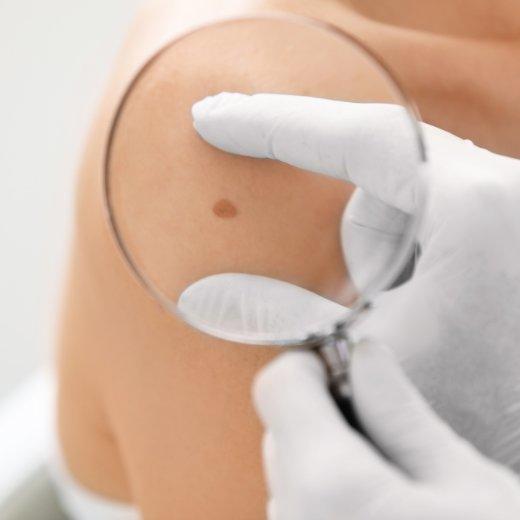
Typically, dermatologists suggest annual skin cancer screenings for most people. However, if you're considered high-risk, more frequent appointments, like every six months, may be recommended. Additionally, perform monthly self-examinations to monitor any changes in your skin.
2. Make sunscreen a daily habit.
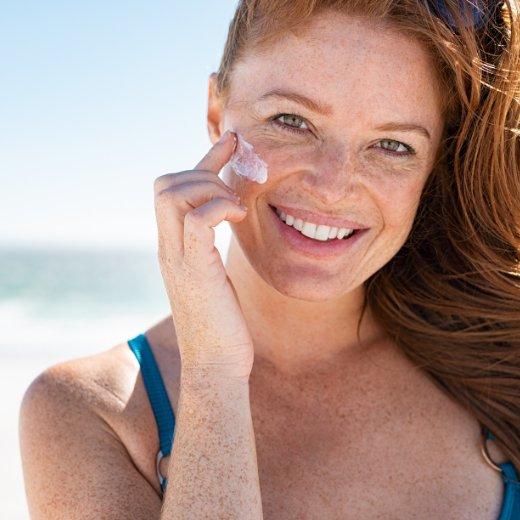
Everyone should prioritize sunscreen, but it's especially critical for those at higher risk. Incorporate broad-spectrum sunscreen with at least SPF 30 into your daily skincare routine. Tinted sunscreens can provide an added benefit by evening out skin tone without leaving a white cast.
3. Be mindful of your outdoor activities.
Having an elevated melanoma risk doesn't mean you must forgo outdoor fun. However, it's wise to choose your outdoor times carefully. The sun's intensity peaks between 10 a.m. and 4 p.m., so try to minimize exposure during these hours. Early morning hikes or evening relaxation on the patio can be safer alternatives.
4. Skip tanning beds.
You've likely heard this advice before, but it bears repeating. A tan signals that your skin has suffered from significant sun exposure. Fortunately, modern spray tans and sunless tanning products offer safer options that look natural. Just remember to moisturize for an even finish.
Commit to Skin Protection This Skin Cancer Awareness Month
Prioritizing skin cancer prevention is essential for everyone. This Skin Cancer Awareness Month, enhance your skin protection by understanding your risk factors and making small changes to your daily habits. Enjoy the sun safely this summer!