As hummingbirds return to their northern habitats after winter, they search for yards filled with their favorite blooms, safe nesting areas, and protection from predators. One tree stands out for fulfilling all these needs: the Temple Bloom Seven-Son Flower (Heptacodium miconioides).
This tree is among the top choices for attracting hummingbirds, providing vital support throughout the year. In spring, the Temple Bloom Seven-Son Flower (available from Proven Winners) boasts lush green leaves on its airy branches, creating an ideal nesting site. By late summer, its branches display fragrant, nectar-rich flowers that hummingbirds eagerly visit before their migration.
What's more, growing the Temple Bloom Seven-Son Flower is straightforward. It thrives in USDA zones 5-9 and is perfect for sunny locations in your yard. Here's why this plant should be your single choice for attracting hummingbirds this spring, along with essential tips for successful growth.
Why Hummingbirds Favor the Temple Bloom Seven-Son Flower
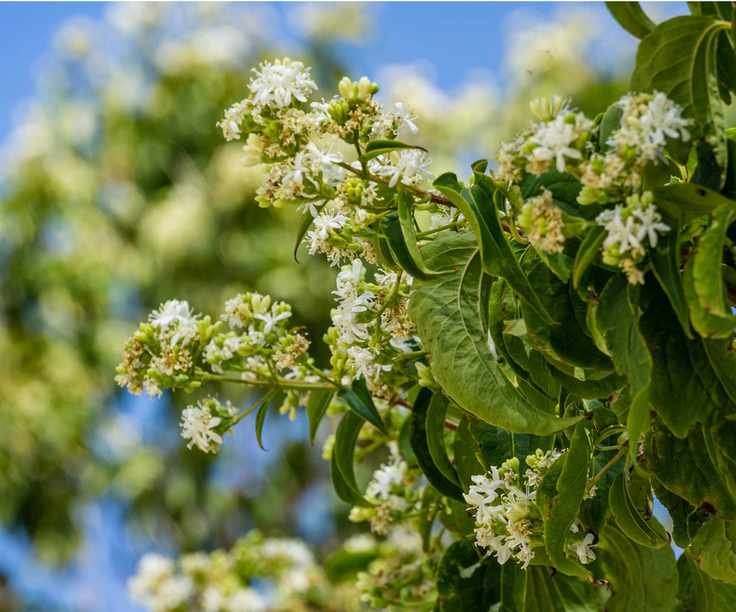
Temple of Bloom Seven-Son Flower emits a delightful jasmine-like fragrance
Temple of Bloom Seven-Son Flower (also available from Nature Hills) is a premier choice for attracting hummingbirds because it provides year-round benefits.
In spring, as hummingbirds return, the Temple Bloom Seven-Son Flower showcases vibrant green foliage on its airy limbs, offering an ideal location for nesting during their breeding season (March-July).
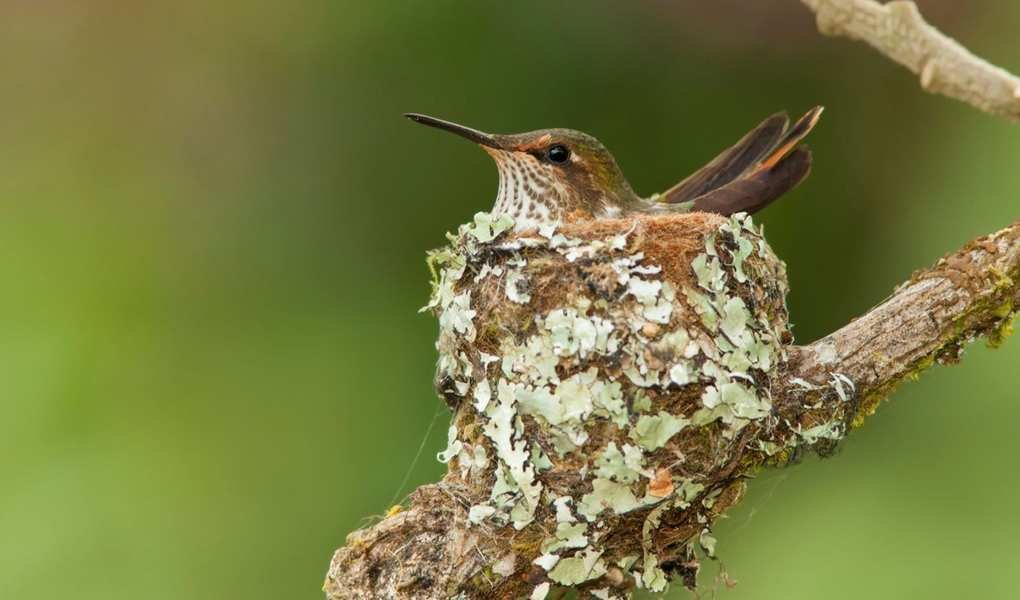
Instead of nesting in cavities, hummingbirds build cup-shaped nests directly on branches, and the structure of the Temple Bloom provides the necessary support.
The tree's foliage also helps shield hummingbirds from predators, including birds of prey and cats. Their nests, made from lichen, moss, and feathers, blend in well with the surroundings.
This makes it one of the best shrubs for providing shelter for these beautiful birds.
As nesting season concludes and hummingbirds prepare for their migration, the Temple of Bloom Seven-Son Flower's buds bloom beautifully.
It produces late-season flowers from mid-summer into fall, which are white, aromatic, and serve as a crucial nectar source just when other options diminish.
Additionally, the Temple of Bloom Seven-Son Flower offers prolonged seasonal interest. After the fragrant blooms fade, striking red-pink bracts emerge, creating the appearance of a second flowering and adding autumn color.
Growing the Temple of Bloom Seven-Son Flower
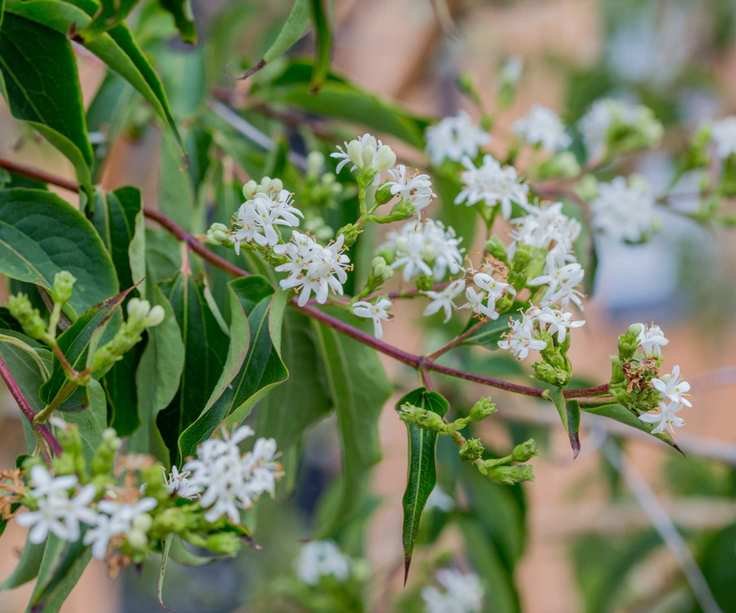
Honeybees and butterflies are also attracted to these flowers
Originating from China, the Temple of Bloom Seven-Son Flower flourishes in USDA zones 5-9, reaching heights and widths of 6-10 feet.
Consider these tips to maximize its potential in your garden:
- Light: Prefers full sunlight but can tolerate partial shade. Ensure at least six hours of direct sunlight for vigorous growth and blooming. More sunlight enhances the vibrancy of red bracts in autumn.
- Soil: Adapts well to various soil types. Ensure good drainage and moderate fertility for optimal results. A soil test kit (available on Amazon) can help assess and improve your garden's soil health.
- Water: Requires consistent moisture, especially during the first year. Once established, it becomes more drought-resistant. To monitor moisture, use this moisture meter from Amazon.
- Pruning: Prune in early spring, as this is one of the flowering trees to prune early. Flowers develop buds in spring, so it's crucial to prune early to avoid cutting off them. Remove weak or overcrowded branches to enhance airflow. Use sharp Fiskars pruning shears from Amazon for clean cuts.
- Fertilizing: These shrubs are low-maintenance and need minimal fertilizer. If your soil is particularly poor, consider using a slow-release fertilizer, like these tree and shrub food spikes from Amazon, in early spring to encourage new growth.
Shopping Suggestions
Hummingbird Swings
These charming swings can be hung from branches, offering perching opportunities for hummingbirds.
Red Hummingbird Feeder
This feeder features multiple ports designed specifically for hummingbirds' unique feeding styles.
Wildflower Mix for Hummingbirds
This seed mix includes a variety of nectar-rich plants ideal for attracting both hummingbirds and butterflies.
FAQs
When is the Best Time to Plant Temple of Bloom Seven-Son Flower?
The ideal time to plant these trees is during fall or early spring. These seasons feature milder conditions that allow roots to establish without the stress of summer heat.
There are also numerous native spring flowers this season that can help attract hummingbirds while enhancing your garden's appeal.