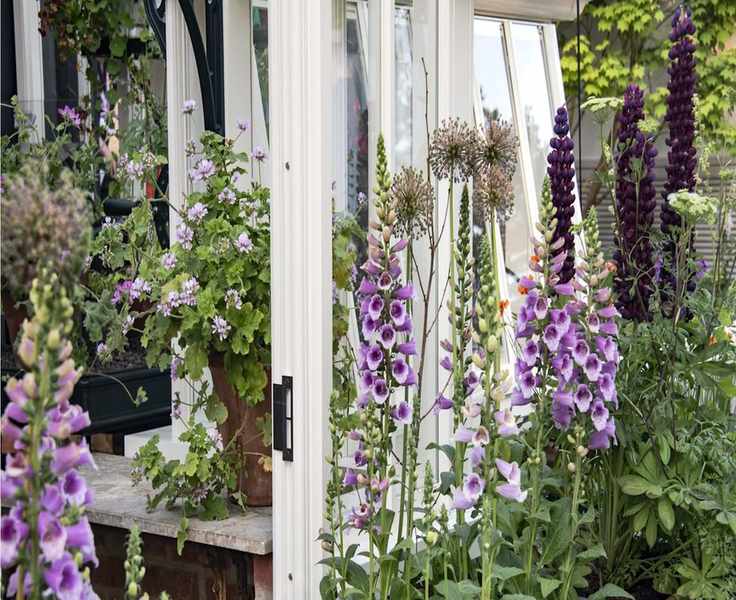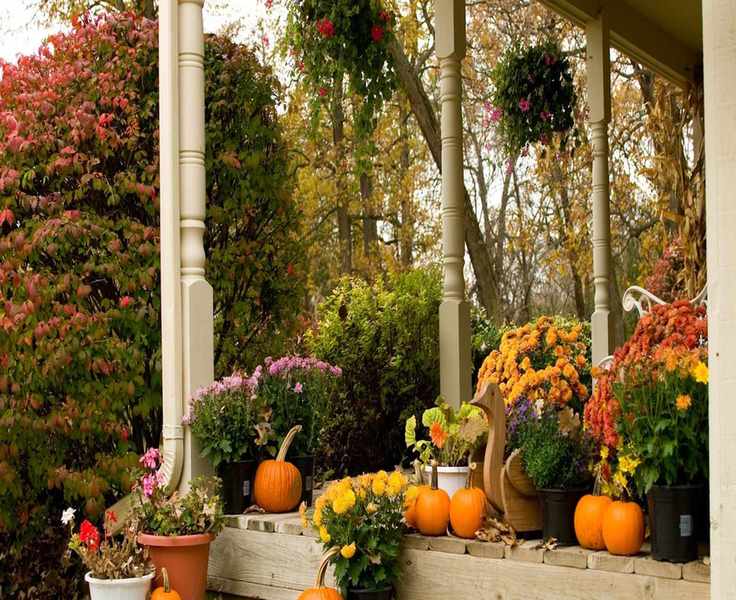
Choosing the right plants for your garden can be challenging, especially in zone 3. Start by observing local flora and wildflowers that flourish in your area. Many cultivated varieties are also available, offering enhanced colors or more compact growth. However, selecting the right non-native plants can be trickier. Which will endure the winter? Which won't?
The United States Department of Agriculture assists gardeners by categorizing the country into 13 hardiness zones based on average winter temperatures. Zone 1 is the coldest, while zone 13 enjoys milder winters. Zones are further divided for precision, such as zone 3a and 3b.
Wondering what to plant in zone 3? Here's a look at suitable flowers, shrubs, and edibles for this region.
Identifying Ideal Plants for Your Region
In addition to USDA hardiness zones, both professionals and home gardeners have rated countless plants based on their ability to withstand low winter temperatures.
To ensure success, match the hardiness rating of your desired plants with your zone. This rating can be found on plant tags, catalogs, and various gardening resources.
Zone 3 experiences winter temperatures between -40°F and -30°F. Zone 3a has a minimum average of -40°F to -35°F, while zone 3b ranges from -35°F to -30°F.
Selecting Plants for Zone 3
While winters in zone 3 can be harsh, gardeners here enjoy a broader selection than those in zones 1 and 2.
Deciduous trees are abundant, and although most evergreen trees are conifers, some broadleaf evergreens, like certain rhododendrons, can thrive. The variety of deciduous shrubs expands notably, including roses and lilacs, but be selective about the varieties you choose. A range of attractive vines and excellent groundcovers are also available.
Perennials abound, accommodating both sun and shade, allowing gardeners to express their preferences. When it comes to bulbs, options may be limited, but the many daffodil varieties provide an excellent choice.
Edibles can flourish, with quick-growing options and starter plants allowing for more abundant harvests than expected.
Deciduous Trees
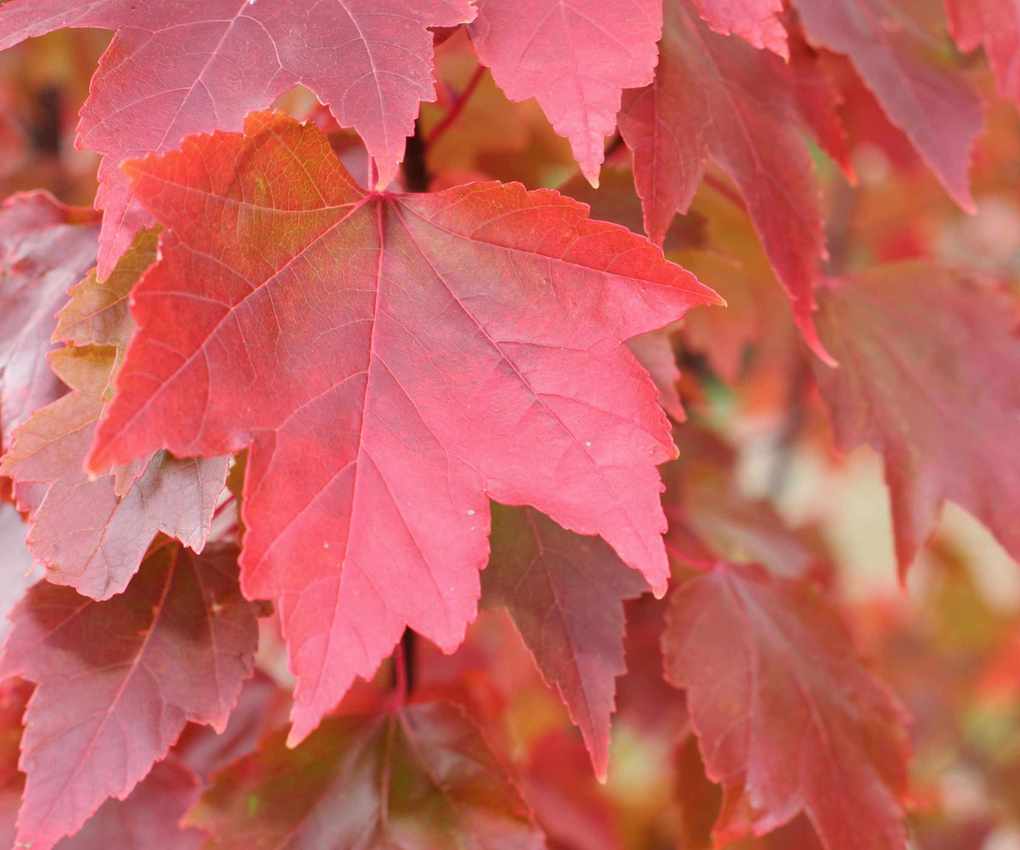
Red maple (Acer rubrum): A striking North American native with brilliant scarlet foliage in the fall.
Yellow birch (Betula alleghaniensis): A graceful tree displaying peeling bark and vibrant yellow autumn leaves.
Cleveland pear (Pyrus calleryana 'Chanticleer'): A great alternative to the invasive 'Bradford' pear.
Consider: Eastern serviceberry (Amelanchier canadensis), American beech (Fagus grandifolia), wild plum (Prunus americana).
Evergreen Trees
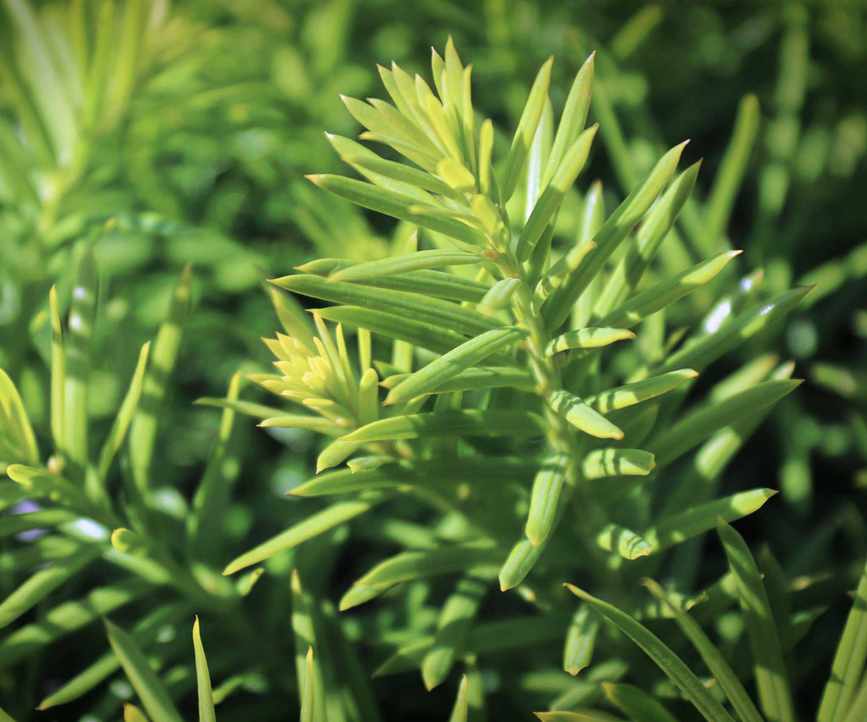
Concolor fir (Abies concolor): A majestic tree with bluish needles, available in various sizes. A solid substitute for the ailing Colorado blue spruce (Picea pungens).
Arborvitae (Thuja occidentalis): Numerous dependable native varieties are available, many showcasing attractive needle colors.
Stone pine (Pinus cembra): An impressive tree typically with a narrow shape, featuring distinctive deep blue cones.
Consider: Rocky Mountain juniper (Juniperus scopulorum), Scotch pine (Pinus sylvestris), Japanese yew (Taxus cuspidata).
Evergreen Shrubs
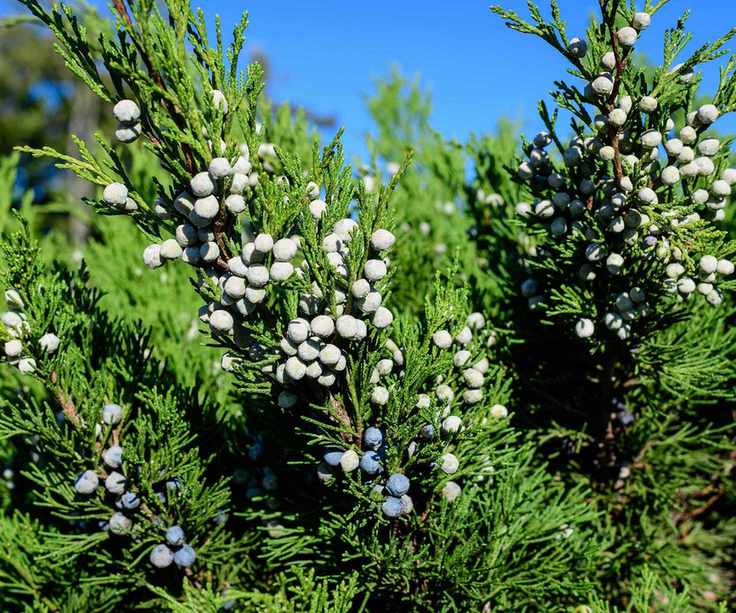
Wintergreen (Gaultheria procumbens): Glossy dark green leaves with bright red berries that last through the colder months.
Juniper (Juniperus species): A variety of junipers are suitable, offering diverse shapes and leaf colors.
Great laurel (Rhododendron maximum): Known for fragrant pink or white flowers, it is the hardiest rhododendron.
Consider: Russian Cypress (Microbiota decussata), cowberry (Vaccinium vitis-idaea), Rhododendron 'PJM'.
Deciduous Shrubs
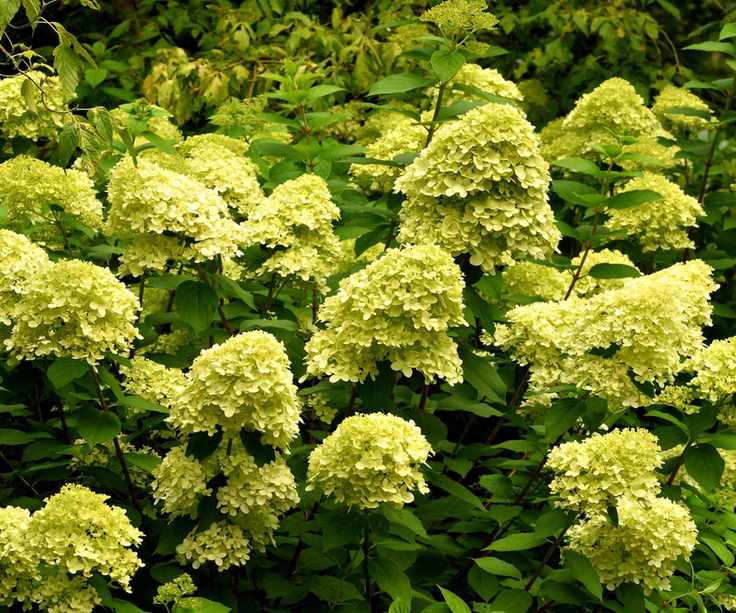
Panicle hydrangea (Hydrangea paniculata): Produces large flower cones that shift from white to deep pink. Pruning helps control size. The 'limelight' variety from Nature Hills is incredibly popular.
Spirea (Spiraea japonica): Features flat clusters of pink, deep red, or white blooms above a variety of leaf colors.
Lilac (Syringa Bloomerang Series): A series of fragrant lilacs that stay compact and bloom all summer.
Consider: Chokeberry (Aronia), Witch hazel (Hamamelis virginiana), Roses (Rosa Oso Easy Series).
Vines
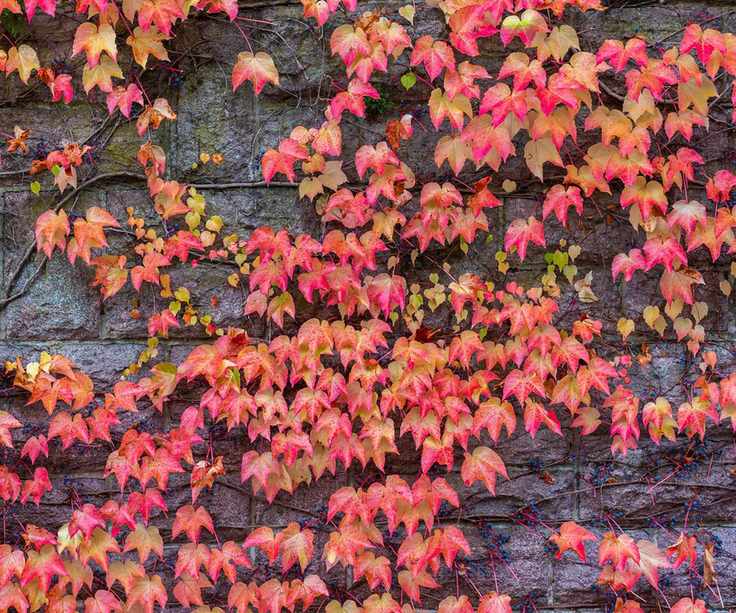
Woodbine (Clematis virginiana): A vigorous native vine that produces clouds of white star-like flowers, followed by feathery seedheads.
Golden hop (Humulus lupulus 'Aureus'): A hardy twining perennial with bright yellow spring foliage, which dies back in winter.
Virginia creeper (Parthenocissus quinquefolia): Naturally clings to surfaces and thrives in various soils, showcasing stunning fall colors.
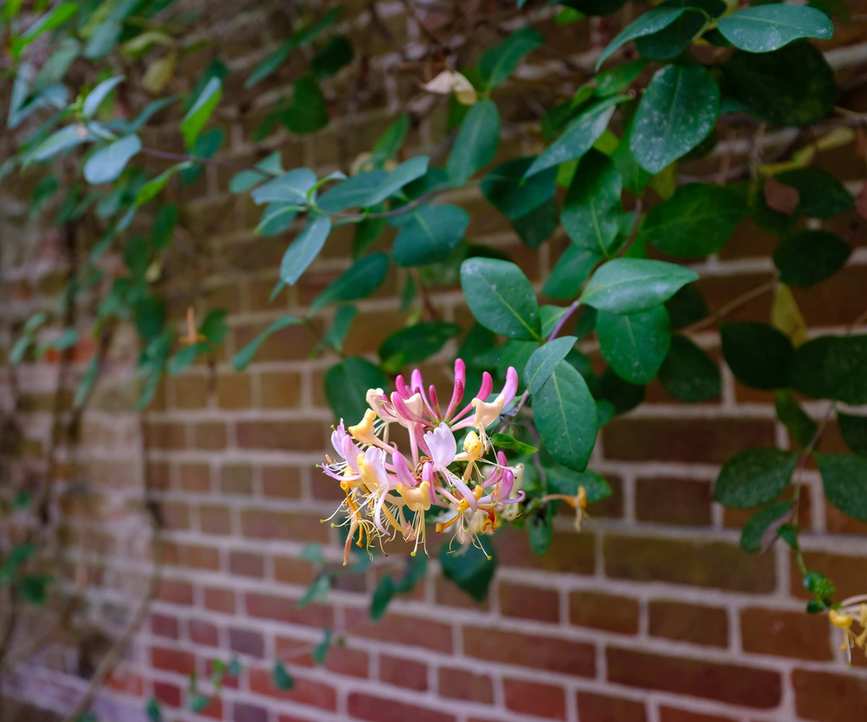
Consider: Climbing hydrangea (Hydrangea petiolaris), Honeysuckle vine (Lonicera periclymenum), American wisteria (Wisteria frutescens).
Ground Covers
Bugleweed (Ajuga): Low-growing and creeping, ideal for damp shade, now available in various new color options.
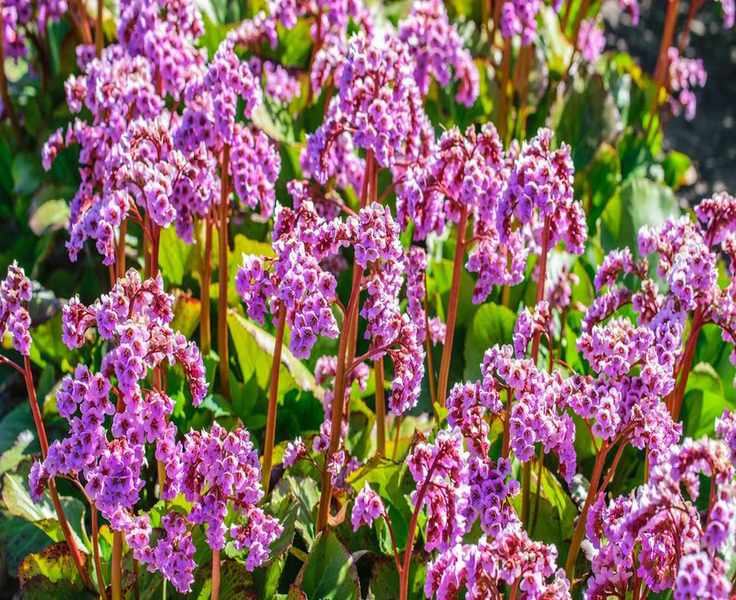
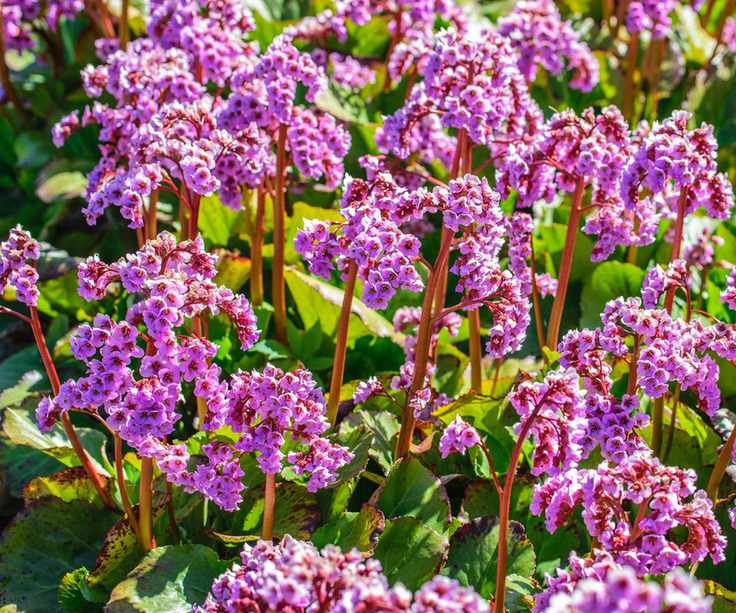
Pigsqueak (Bergenia cordifolia): Produces colorful flower heads through leathery leaves that may have a crimson tint.
Siberian bugloss (Brunnera macrophylla): Features heart-shaped leaves that are often silver-speckled, paired with small blue spring flowers.
Consider: Snow in summer (Cerastium tomentosum), Juniper (Juniperus, spreading varieties), Spotted deadnettle (Lamium maculatum).
Shade Perennials
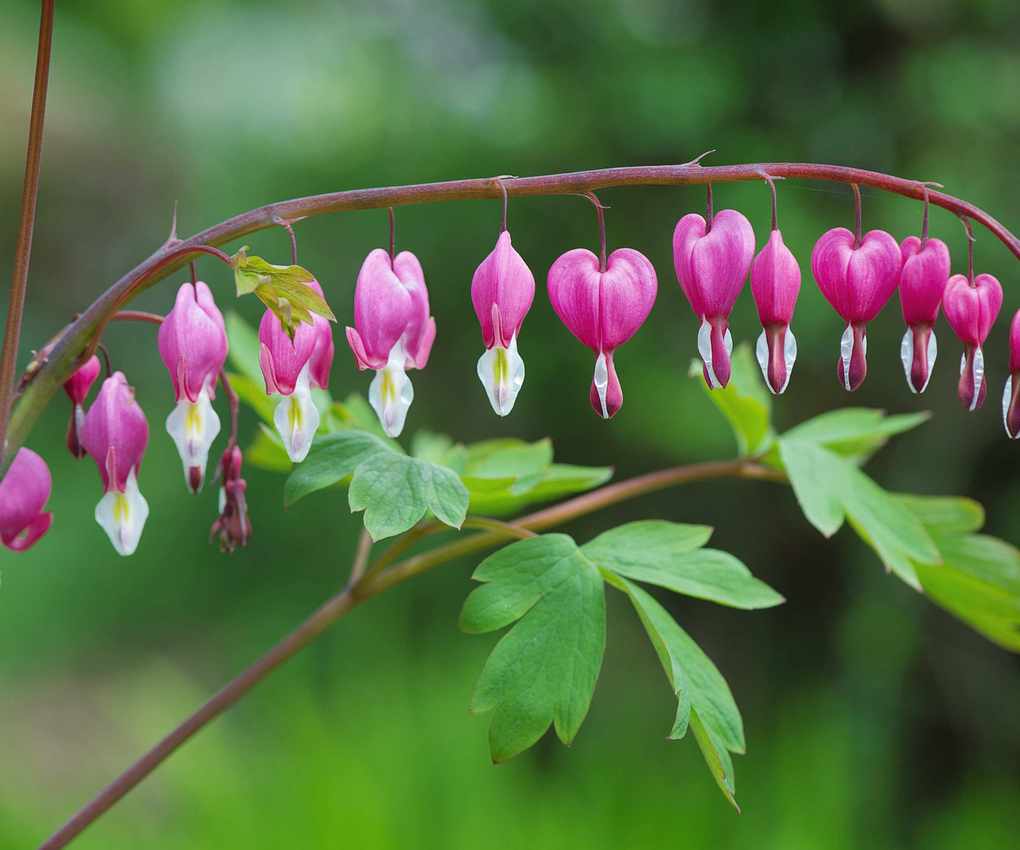
Bleeding heart (Dicentra): Spreading low, these plants feature blue-grey leaves that highlight the vibrant pink or white flowers.
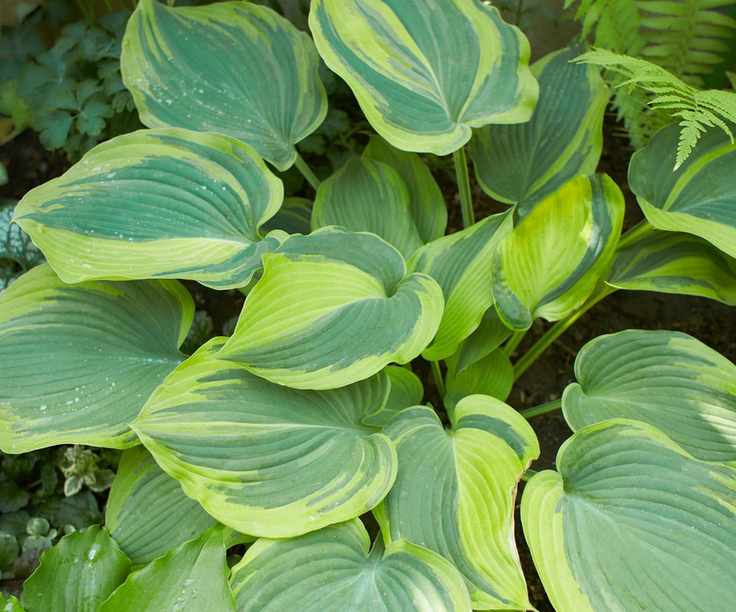
Hostas (Hosta): Clumping plants with a vast array of leaf shapes and colors, including gold, chartreuse, cream, and blue-gray.
Lungwort (Pulmonaria): Displays narrow to heart-shaped leaves that may be spotted in silver, along with blue or pink flowers in spring.
Consider: Sweet woodruff (Galium odoratum), Coralbells (Heuchera Northern Exposure Series), Solomon's seal (Polygonatum).
Sun Perennials
Daylily (Hemerocallis): Resilient summer bloomers available in a wide range of colors and patterns, with flowers lasting only a day but consistently producing new ones.
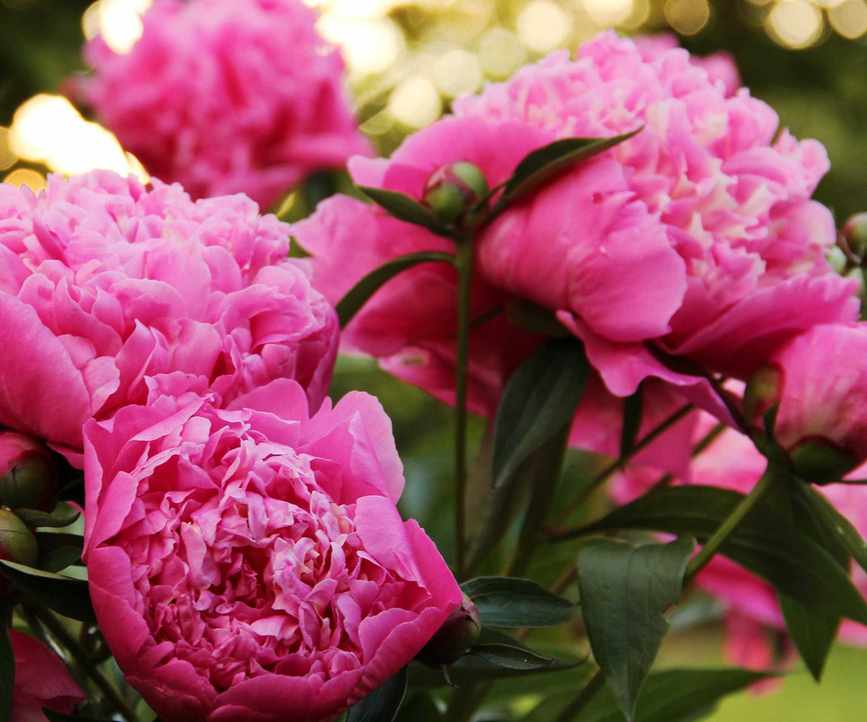
Peonies (Paeonia): Early summer showcases vibrant single or double blooms in various shades, requiring minimal maintenance.
Oriental poppy (Papaver orientale): Produces large flowers in vivid colors; in zone 3, they behave better than in warmer climates.
Consider: Butterfly milkweed (Asclepias tuberosa), Fall phlox (Phlox paniculata), Ice plant (Sedum spectabile).
Spring Bulbs
Crocuses (Crocus): Cheerful, self-sufficient bulbs that produce upward-facing goblet flowers in various shades.
Daffodils (Narcissus): These bulbs progressively bloom into colorful clusters, with options in white, cream, orange, and yellow.
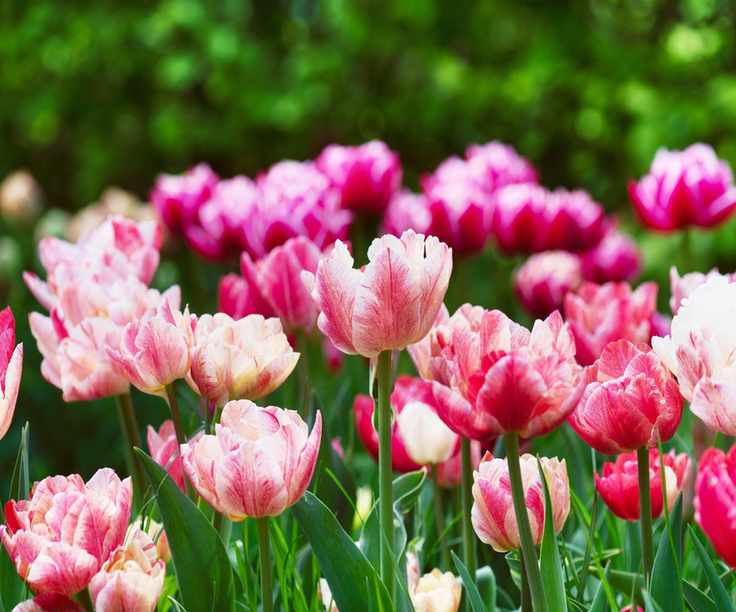
Tulips (Tulipa): Available in striking colors, some are more frost-hardy, so select those suitable for zone 3.
Consider: Glory of the Snow (Chionodoxa), Winter aconite (Eranthis), Snowdrops (Galanthus).
Summer Bulbs
Quamash (Camassia): Features vertical spikes of large starry flowers in blue or white, thriving in damp soil.
Dahlias (Dahlia): Available in numerous varieties, these colorful flowers need protection from late spring chills and slugs.
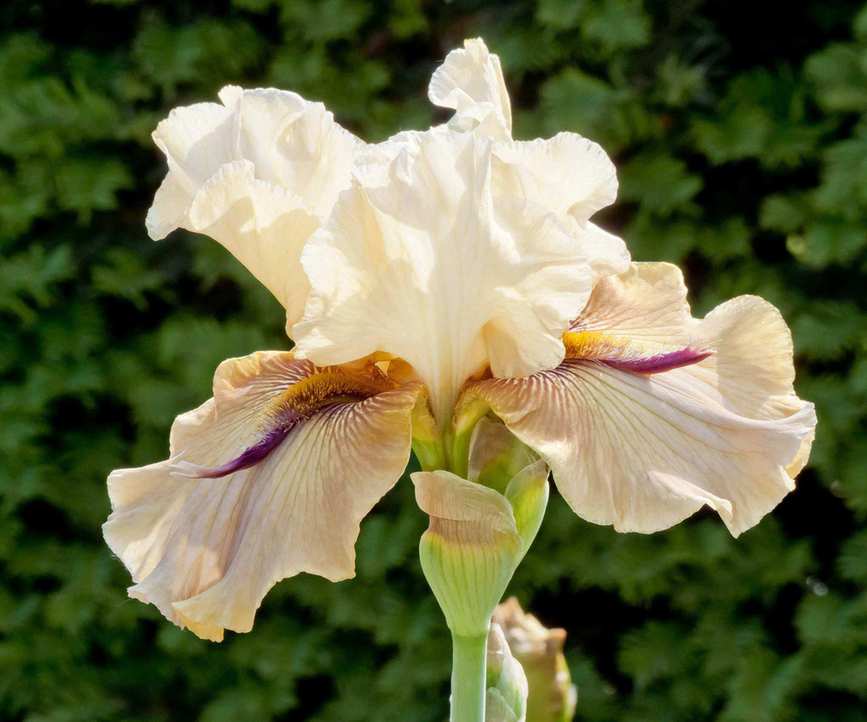
Iris (Iris): Available in a vibrant spectrum of colors, from dwarf to tall varieties.
Consider: Ornamental onion (Allium), Turkscap lily (Lilium martagon), Mountain Lily (Ixilirion).
Native Shrubs
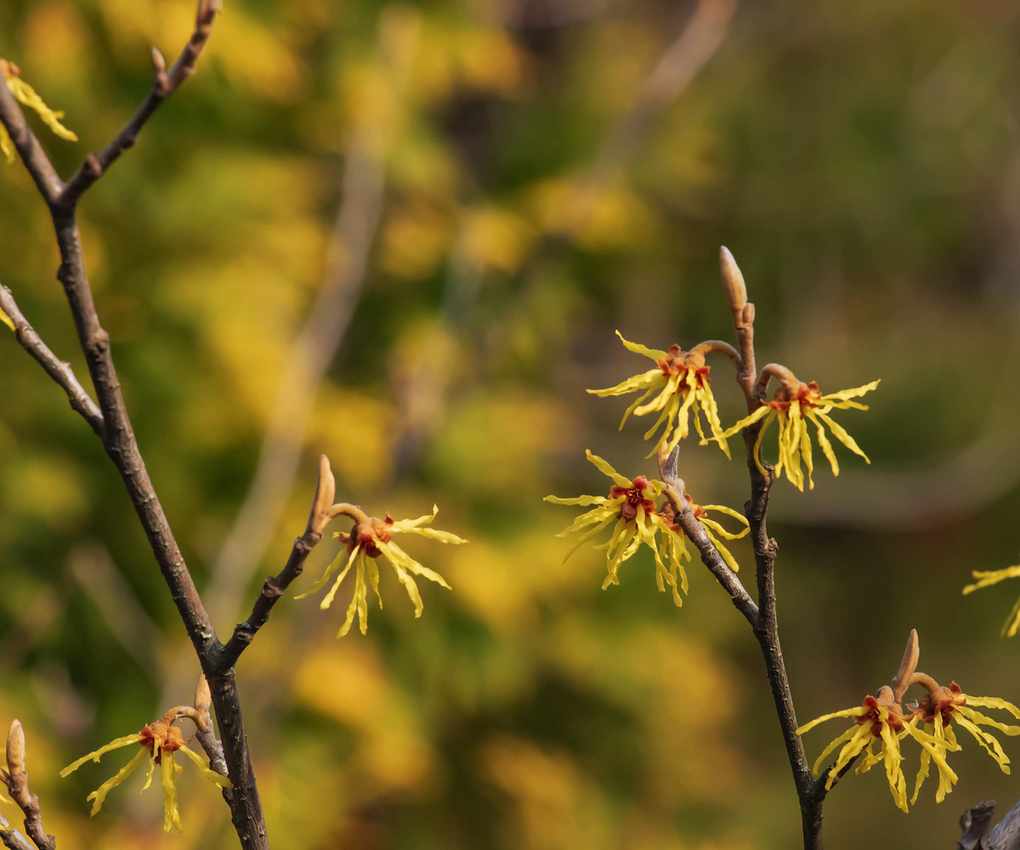
Witch hazel (Hamamelis virginiana): The scent of this fall-blooming shrub often precedes its golden flowers, sometimes overlapping with yellow foliage.
Smooth hydrangea (Hydrangea arborescens): An increasing variety of compact plants with large, rounded flower clusters.
American elderberry (Sambucus racemosa): Displays dome-shaped clusters of tiny white flowers in spring, followed by dark berries.
Consider: Chokeberry (Aronia melanocarpa), Winterberry (Ilex verticillata), Stag's horn sumach (Rhus typhina).
Native Perennials
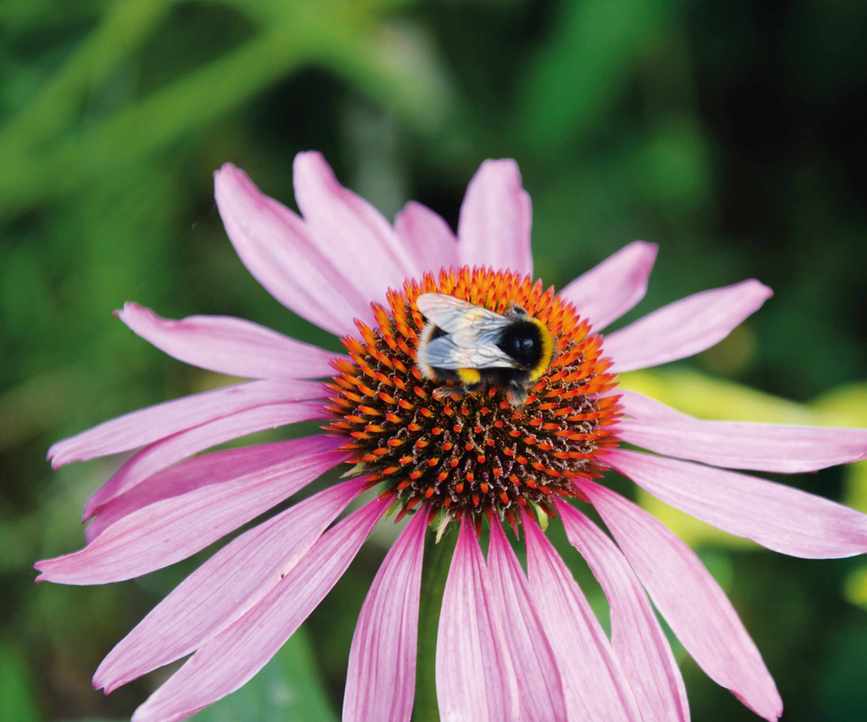
Coneflower (Echinacea): These large, iconic flowers attract butterflies and come in various colors with single and double forms. Coneflower seeds can be sourced at True Leaf Market.
New England aster (Symphyotrichum novae-angliae): Small daisies in shades of pink, purple, mauve, blue, and white are widely available, with some listed as Aster novae-angliae.
Rattlesnake master (Eryngium yuccifolium): This thistle-like plant features silvery flowers above bluish foliage, creating a striking display.
Consider: Goldenrod (Solidago varieties), Bleeding hearts (Dicentra varieties), Heath aster (Symphyotrichum ericoides varieties).
Annuals
English marigold (Calendula officinalis): Bright daisies in orange and yellow, with newer softer shades available. They typically propagate through seeds.
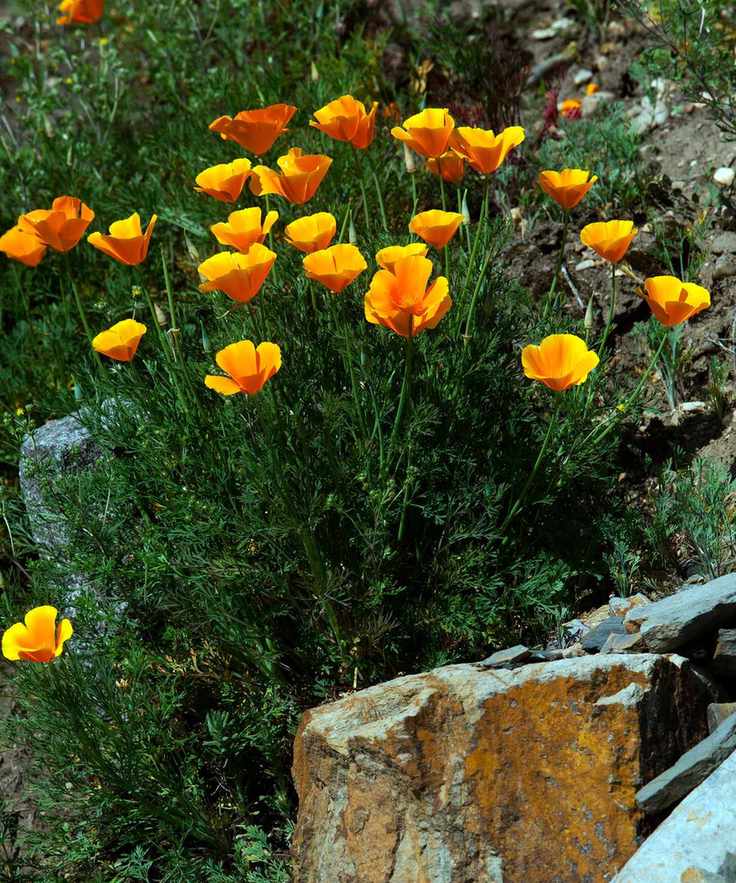
California poppy (Eschscholzia californica): A lively native, usually bright orange but also found in softer tones – especially pretty are varieties with blue-gray leaves. Seeds can be found at True Leaf Market.
Sunflower (Helianthus annus): Ranging from towering varieties to smaller ones perfect for containers, some are single-stemmed while others produce branches and flowers for longer.
Consider: Love-Lies-Bleeding (Amaranthus caudatus), Alyssum (Lobularia maritima), Zinnia (Zinnia Zahara Series).
Vegetables
Pole beans: Plant after the last frost date or transplant seedlings at the same time. Ensure sturdy support for their climbing stems.
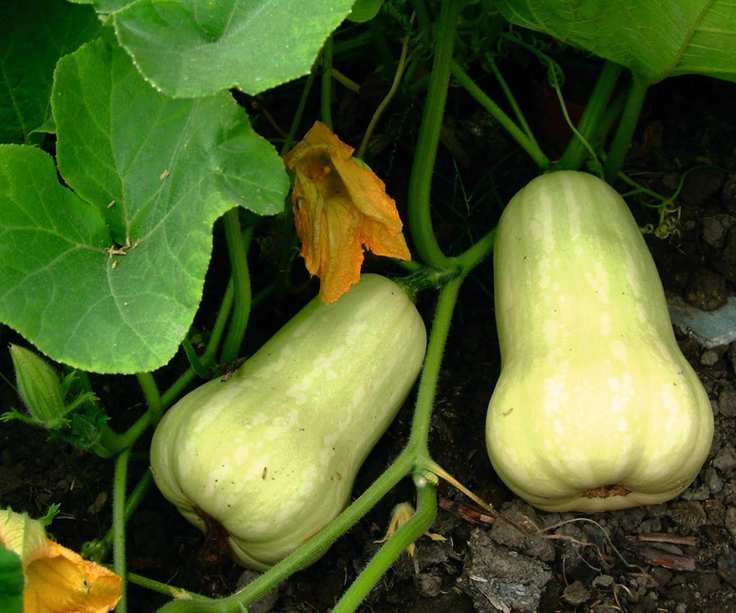
Pumpkins and squashes: Quick to grow, but start them off in protection from frost before transplanting them when safe.
Tomatoes: Plant them around your last frost date, covering them at night to shield from cold until the risk of frost is over.
Consider: Kale, Lettuce, Zucchini.
Fruits
Apple trees: Consult local experts to identify varieties that flower after the last frost and mature quickly.
Plum trees: Again, local knowledge is invaluable for determining which varieties thrive best in your vicinity.
Cane fruits: Blackberries, red and black raspberries, loganberries, and tayberries are excellent choices, thriving with annual pruning.
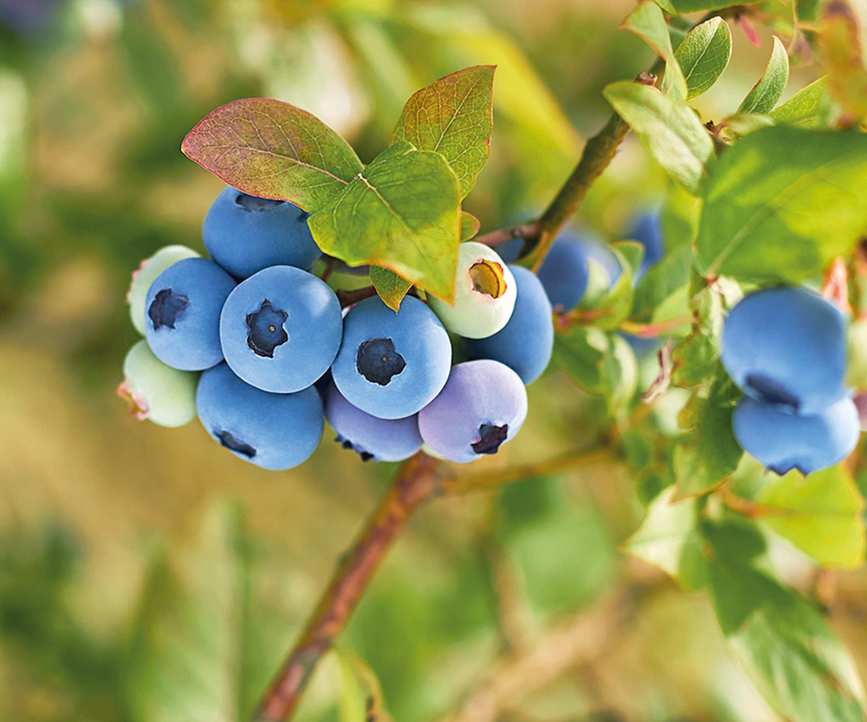
Consider: Blueberries, Currants, Highbush cranberries.
Though winters in US hardiness zone 3 can be long and chilly, the variety of plants and crops that flourish is more extensive than expected. If you're keen on growing your own fruits and veggies, consider exploring greenhouse options or how to utilize cold frames for starting seedlings.