

Transplanting raspberries can help grow your patch and increase your harvest. Understanding the right timing is essential for successful planting.
While you might know how to cultivate raspberries, moving them allows you to propagate your favorite plants without needing to buy new seeds. These robust bushes are excellent candidates for learning the transplanting process.
Let's explore the best times to relocate raspberries in your vegetable garden for optimal results.
Optimal Timing for Transplanting Raspberries
It's advisable to transplant raspberries either before or after the fruiting season to minimize stress on the plants. Different raspberry types bear fruit in summer or fall, with summer varieties yielding larger berries while fall varieties produce smaller fruits from August to October.
Identifying your raspberry variety can guide you in choosing the perfect transplanting window.
Transplanting is best done when the plants are dormant, ideally between October and February, as long as the ground isn't frozen.
Transplanting in Early Spring
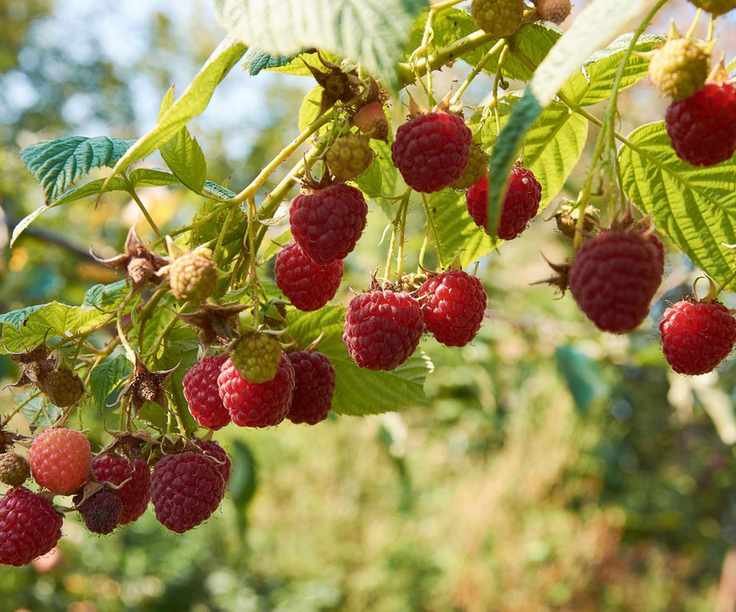
Early spring is the prime time for transplanting raspberries, just before they start to sprout. This period is ideal for preparing your plants before they bear fruit.
Spring transplanting aligns well with pruning, making it an efficient time to care for your raspberry bushes. Plus, handling a pruned bush is much easier than one that's fully grown.
March is a fantastic month to plant, as early spring transplants can quickly establish themselves.
Transplanting in Late Fall
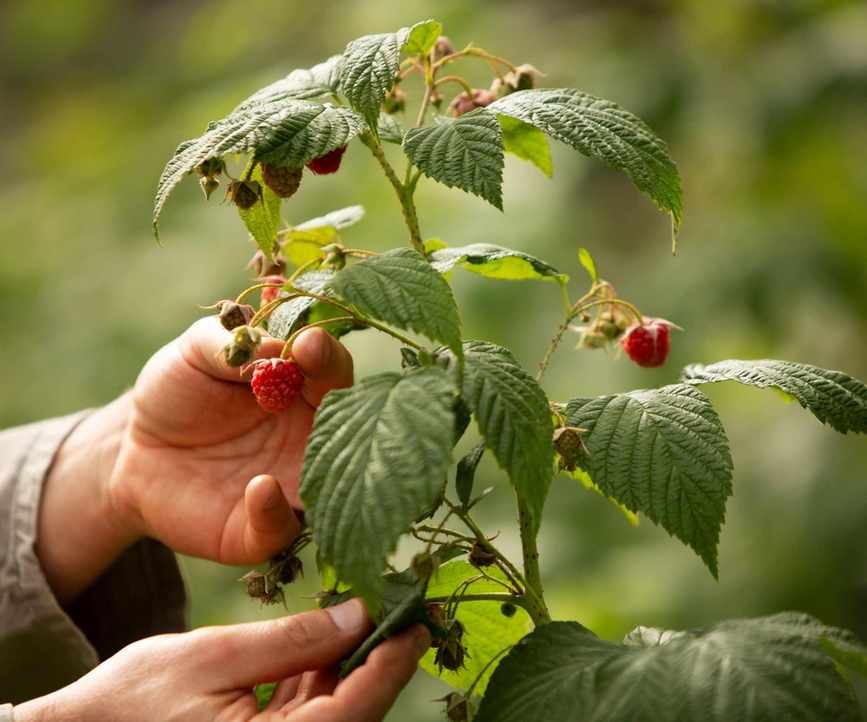
Transplanting in late fall while the plants are dormant prepares them for the next growing season. It's crucial to ensure that they have finished fruiting, especially for fall-bearing varieties that can produce until October.
Wait for the leaves to drop, signaling dormancy, before moving your raspberry plants.
Reasons to Transplant Raspberries

Knowing how to propagate plants can simplify expanding your garden. Transplanting allows you to duplicate your favorite varieties, increasing your yield and sharing the bounty with friends and family.
It's also an effective strategy to promote more fruit growth or to relocate them for better growing conditions.
Raspberry bushes can spread rapidly, so if you don't manage suckers or canes, they may become invasive. Transplanting helps maintain control over your garden space. If you prefer less growth, consider annual pruning instead.
When is It Safe to Move Raspberry Plants?
Moving raspberry plants is similar to transplanting smaller sections. For the best success and to reduce stress on the plants, aim to move them from November to March, during dormancy.
Do Raspberry Bushes Require Full Sun?
For optimal growth, raspberry plants should be placed in areas with full sunlight, receiving at least six to eight hours of sun daily.