
Creating a raised garden bed is a rewarding venture that opens up numerous opportunities for growing both crops and flowers, all while enhancing your backyard.
Whether you're interested in cultivating your own fruits and vegetables, expanding your flower garden, or improving soil conditions, raised beds provide a perfect solution with various design options to consider.
Building a Raised Garden Bed

Constructing timber beds is simple and can be done yourself using scaffolding boards. First, determine the appropriate depth for your raised garden bed by following these steps:
1. Prepare the Ground
Begin by leveling the soil and removing weeds and debris. Typically, raised beds are built on top of existing ground, allowing for better drainage and reduced soil compaction. Bury any turf you remove within the new bed to naturally enrich the soil as it breaks down, according to gardening expert Claudia de Yong.
2. Mark the Corners
Use wooden posts measuring about 2x2 inches to mark the corners. If you plan to add netting for crop protection, ensure the posts are taller than the boards' width.
3. Arrange the Boards
Place the scaffolding boards into position, embedding the edges about an inch into the ground, then secure them with screws or nails.
4. Fill the Beds with Soil
Use a soil mix suited to your desired plants. A recommended blend is two-thirds multi-purpose compost and one-third garden soil or John Innes. Enhance it with organic materials like well-rotted manure or homemade compost, and include sharp sand for improved drainage.
5. Maintain Low Upkeep
Consider adopting no-dig gardening techniques in your raised beds to help control weeds and improve soil health.
Locating Your Raised Bed
Choosing the right location is crucial when planning your raised garden bed.
Many fruits and vegetables thrive in sunny spots, so adding raised beds can enhance your vegetable garden ideas.
'Positioning is key as sunlight warms the soil quickly, promoting faster germination and extending the growing season,' notes garden designer Claudia de Yong.
'Raised beds also allow you to introduce different soil types, suitable for plants like blueberries that require ericaceous compost. They can also help if your garden has challenging soil, such as heavy clay, allowing you to amend it for better plant growth,' she adds.
Think about water access and drainage, avoiding low, soggy areas. Position your raised beds away from walls or fences to prevent rain blockage.
If considering a raised bed on gravel or concrete, ensure proper drainage is accounted for so water can flow freely from the bottom of the bed. Building deeper beds can mitigate potential drainage issues, according to gardening expert Joe Gardener.
Choosing Wood for Raised Beds
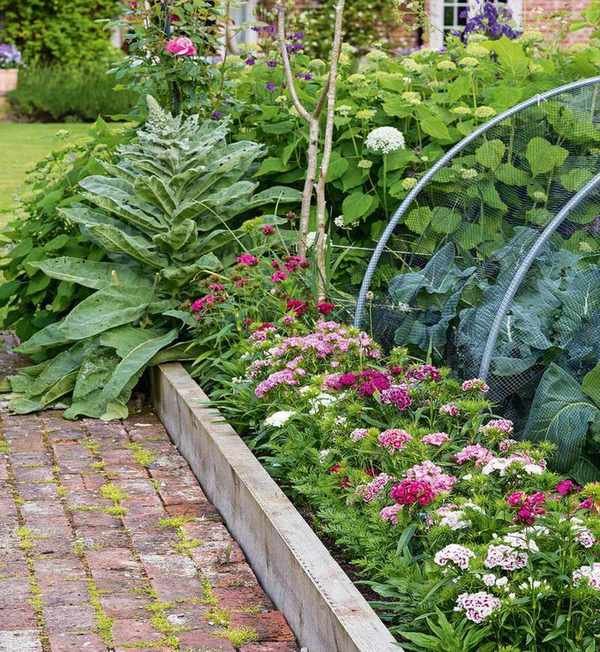
While most raised beds are made from timber, even durable woods like oak and cedar can rot over time without treatment, warns Claudia de Yong.
Untreated wood will need replacement eventually. 'Lifespan varies by wood type and climate; untreated wood may last years in dry regions but only a couple in humid ones,' explains Joe Gardener.
To combat rot, treat new timber before installation and reapply treatment annually. For aesthetics, consider using a colored preservative or stain, if desired, Claudia suggests.
For those interested in sustainable gardening, ensure your wood is FSC certified and sourced responsibly.

Alternative Materials for Raised Beds
If wood isn't your preference, there are several other materials for building raised garden beds.
- Railroad ties: These are popular for raised beds and can be found new or treated, but avoid old creosote-treated ties due to harmful chemicals.
- Hard landscaping elements: Recycle bricks or stones for your raised bed, but ensure you consider drainage.
- Woven willow or hazel: A charming option for edging raised beds in a rustic style.
- Scaffolding planks: These sturdy boards require only corner posts for support. If unavailable, local sawmills can cut wood to your specifications.
- Pre-made kits: Various ready-to-assemble raised bed kits are on the market, featuring materials like steel and recycled plastic, perfect for small vegetable gardening.

Should You Line the Bottom of a Raised Bed?
Lining the bottom of your raised garden bed can prevent grass and weeds from invading your new soil.
Utilize old cardboard or landscaping fabric for lining, ensuring drainage holes are present. You can also use black plastic liners inside the walls to keep moist soil contained, suggests Claudia de Yong.
When constructing a raised bed on hard surfaces like concrete, ensure adequate drainage holes and fill with a well-draining soil mix to at least 23 inches (60 cm) deep.
What Depth is Best for a Raised Garden Bed?
When deciding on the depth of your raised garden bed, it depends on what you'll grow and the bed's location.
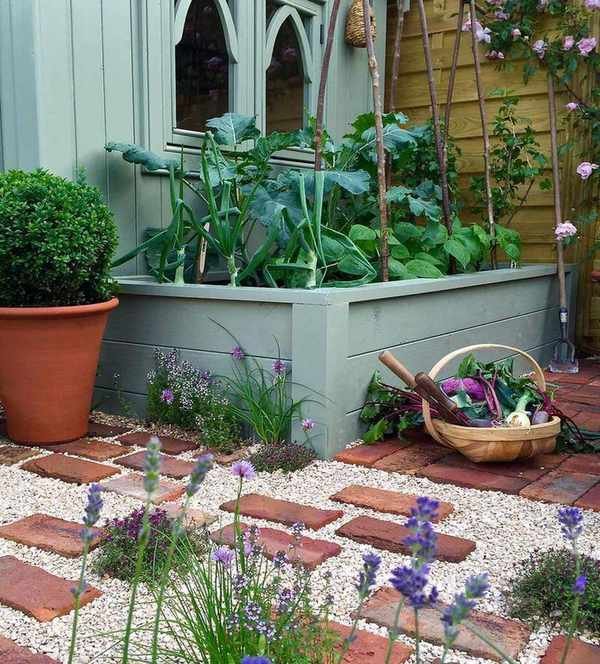
'Ensure you can reach the middle without stepping on the soil. Aim for a width of about 4 feet (1.2 m) for easy access from both sides. If you have multiple beds, leave enough space for a wheelbarrow to pass through,' advises Claudia de Yong.
Consider how high you want your beds. Heights between 12-18 inches (30-45 cm) are ideal, but even beds as low as 6 inches (15 cm) can be effective for certain crops.
For shallower beds, select plants with less invasive root systems, suitable for container gardening.
A taller bed will require more soil, potentially causing pressure against the retaining wall. Adding cross bars can help prevent warping, Claudia notes.
Plants for Your Raised Garden Bed
Almost any plant can thrive in a raised garden bed, but some will flourish better than others:
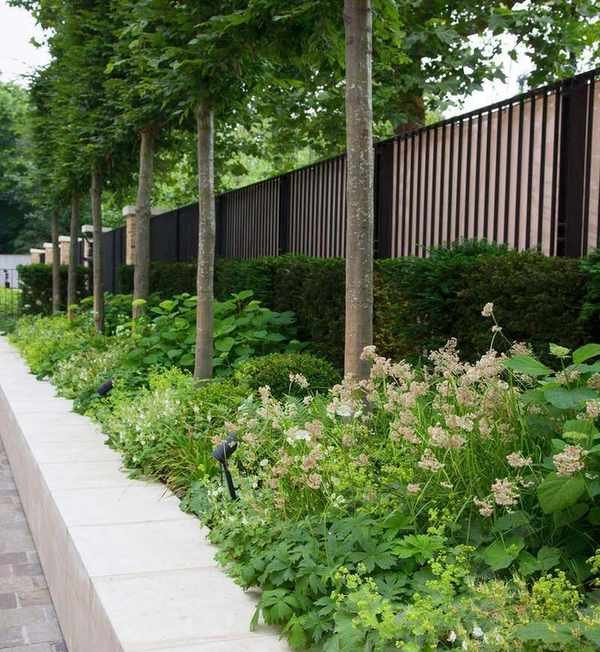
Evergreen shrubs provide fantastic year-round structure when planted in raised beds.
A cut flower garden can be easily cultivated in raised beds, allowing for denser planting. Imagine a vibrant dahlia display in late summer, while sweet peas will need sufficient support.
Salads, such as lettuce and other greens, are ideal for raised beds due to their preference for well-drained soil. Varieties that can be cut and regrown will also be more accessible.
Herbs grouped in a raised bed near your kitchen will add both convenience and fragrance.
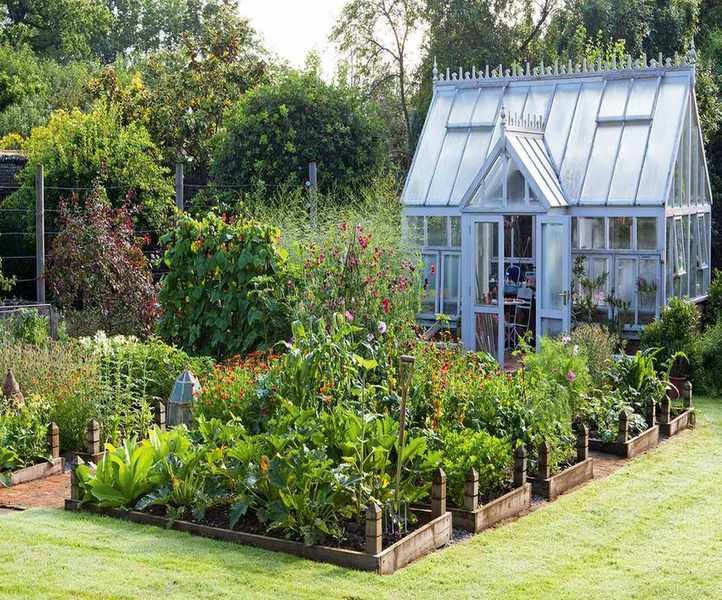
Crops with longer growing seasons, like onions, are excellent for raised beds since the soil heats up more quickly, promoting extended growth.
Root vegetables thrive in raised beds, benefiting from rock-free, loose soil. Taller posts will also allow for easier netting to protect your crops from pests.
Plants requiring specific soil conditions are well-suited for raised beds. For instance, raspberries, blueberries, and cranberries thrive in acidic soil, making it ideal to fill the bed with ericaceous compost.