Camilla Marcus embodies a unique blend of seriousness and playfulness in her culinary endeavors. While she can host a grand dinner for 100, she often decides on the menu only that morning, inspired by what she finds at the farmers market. Her focus on vegetable-rich dishes is both nourishing and satisfying, and she never hesitates to enjoy a midday glass of wine.
What sets Camilla apart is her unwavering authenticity. All her various roles—regenerative chef, founder of west~bourne, and mother of four in Los Angeles—harmonize into a life that's beautifully aligned with her passion.
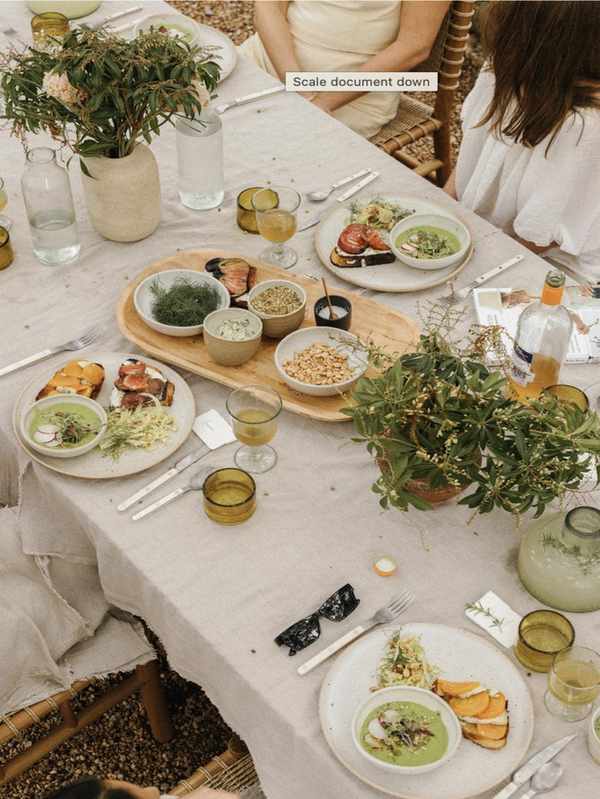
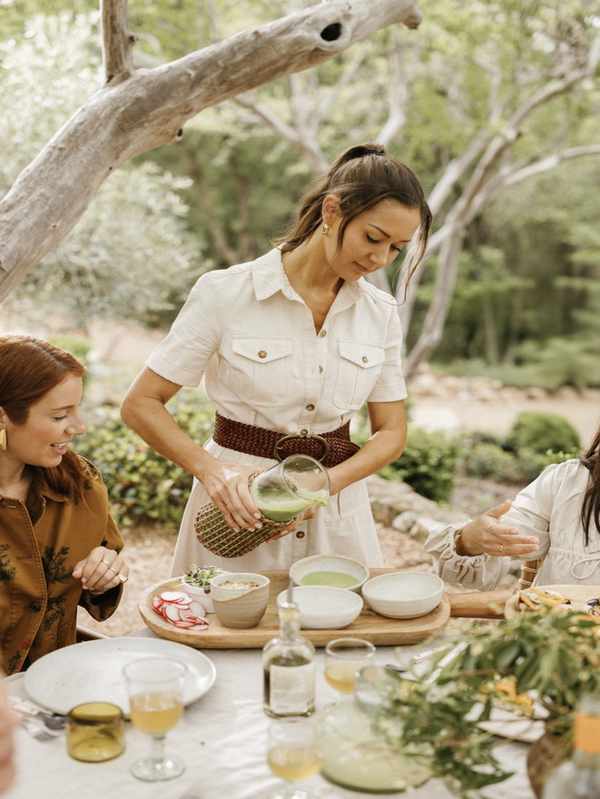
To celebrate her new cookbook My Regenerative Kitchen, Camilla invited friends for a relaxed lunch in her backyard. We prepared vibrant, plant-based dishes from her book—tartines, a fennel salad, and delightful rose chocolate bark. We sipped on natural wine and absorbed her views on cooking in a way that nurtures both our bodies and the environment.
Her philosophy can be summed up as: “What’s beneficial for our soil is also better for our health.”

What I admire most about Camilla's perspective on food is the freedom it brings. She describes improvisational cooking like musicians speak of jazz—embracing the unknown as part of the experience. Guided by the farmers market, she finds joy in relinquishing control, transforming the process into something inspiring rather than daunting. After our lunch, I found myself reevaluating how spontaneity intertwines with nourishment.
Her book compellingly argues that our daily choices—the ingredients we select, how we prepare them, and what we do with leftovers—are accessible ways to engage in climate action. It’s not about strict changes or complete overhauls, but rather small, manageable adjustments that integrate seamlessly into our lives.

Camilla Marcus’s Zero-Waste Kitchen Tips
Say goodbye to paper towels. Keep reusable kitchen towels handy—you’ll quickly find you don’t miss paper.
Revamp your pantry. Replace plastic wrap with beeswax alternatives. Use glass jars and metal containers for everything from flours to jams.
Use reusable storage options. Choose Stasher silicone bags over Ziploc. Camilla also freezes stocks, sauces, and leftover wine in silicone molds for future use.
Utilize the entire vegetable. Every part counts. Fennel fronds can be used as garnish, stalks for stock, and most produce doesn’t need peeling.
Reconsider “scraps.” Before discarding, think: Can this enhance a broth or sauce? Onion peels, herb stems, cheese rinds—everything is fair game. Compost what you truly can’t use.
Choose green cleaning. Look for non-toxic brands like Koala Eco, Branch Basics, and Grove Collaborative.
Begin composting. A countertop bin (Camilla loves the Bamboozle) is an easy introduction. Composting generates 20x fewer greenhouse gases than sending food waste to landfills.
Adapted from My Regenerative Kitchen
All these practices—the swaps, the scraps, the composting—might sound like discipline. Yet, sitting in that backyard, it felt like a natural extension of Camilla’s approach to life: being mindful, wasting nothing, and enjoying the experience. Below is the menu we created, but where you take it is entirely your choice.


The Whole Stalk or Bulb Salad
A salad that lives up to its name. Every part of the fennel is included here—fronds, stalks, bulb—resulting in a crunchy, bright dish.
View the RecipeTartines with Heirloom Tomato, Blue Cheese, and Golden Beets
These tartines came together just like Camilla cooks—intuitively, using the best finds from the market. Proof that simple ingredients shine on their own.
View the RecipeSpring Pea Gazpacho
This cold, vibrant soup is so fresh—it’ll make you want to enjoy your vegetables (without evoking V8 memories).
View the RecipeDark Chocolate Bark with Bee Pollen, Rose Petals, and Pink Salt
This delightful bark concluded our lunch perfectly. It's just as visually appealing as it is delicious, and it comes together quicker than you might expect.
View the Recipe30 Simple Delights to Add to Your June Calendar