Many gardeners use significant amounts of potting soil annually, making it wasteful to discard it after a single season. Fortunately, if the soil supported healthy plants and is free of pests and diseases, it can be reused in your garden. This not only minimizes waste but also cuts down on trips to the garden center.
Understanding different soil types and maintaining the soil you have is essential for cultivating thriving plants, abundant flowers, and fruitful vegetable harvests. While potting soil can be recycled, it often requires enhancement with additional materials to ensure it has the right nutrient levels for your plants. This guide provides all the details you need for successful results.
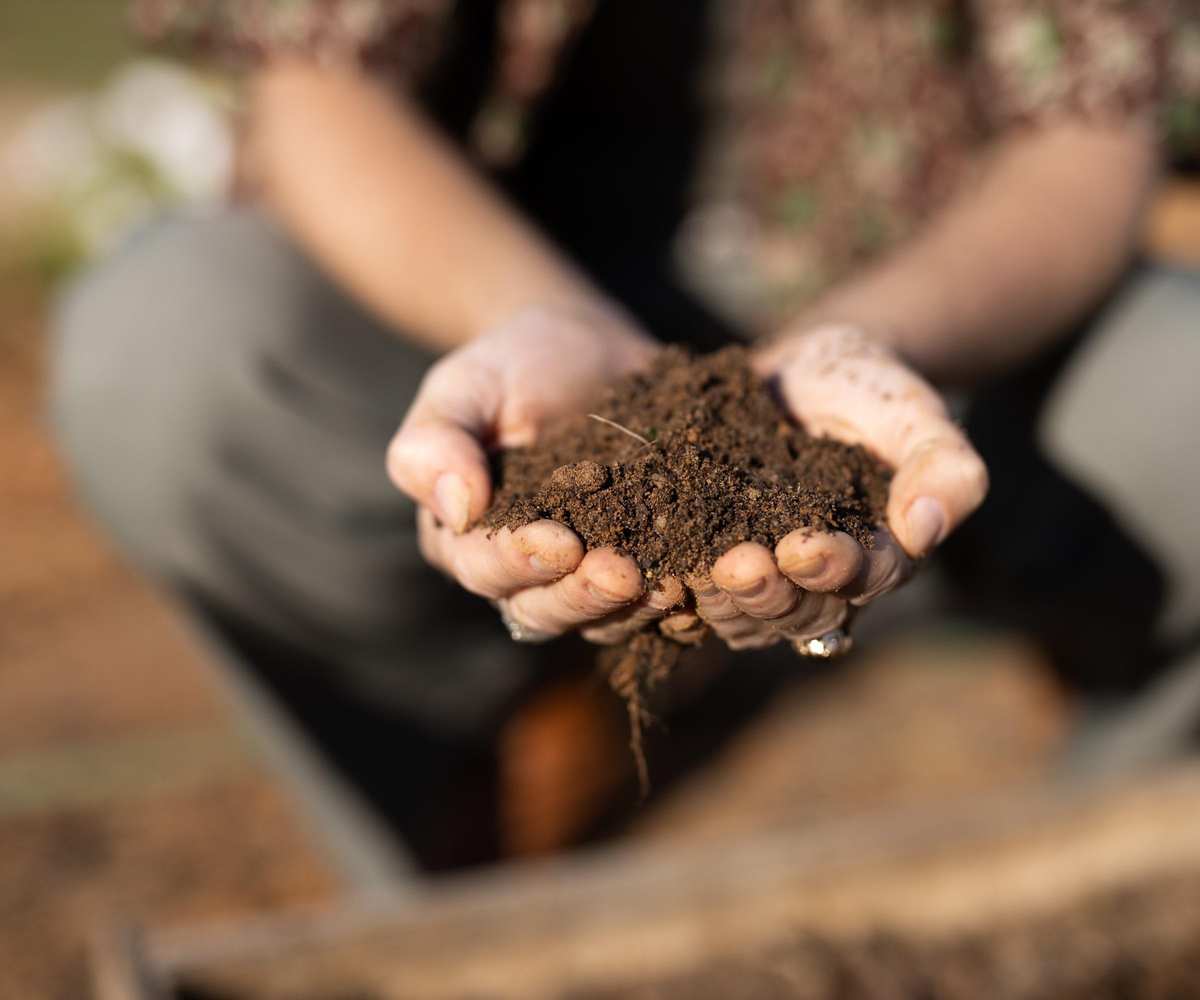
Old potting soil can be reused if it previously supported healthy plants.
What Is Potting Soil?
Potting soil serves many purposes for gardeners. It's ideal for transplanting seedlings from trays and can also be used in raised beds, pots, or containers.
This soil is composed of a blend of sand, clay, and loam, along with organic materials. Ingredients may include peat moss or perlite, resulting in a product that drains better and is lighter than traditional garden soil.
Ways to Reuse Old Potting Soil
The lifecycle of potting soil doesn't have to end after one use. As more gardeners aim to recycle and extend the life of their materials, potting soil can be utilized in various ways. It can serve as a soil conditioner to enhance structure and aeration, be mixed with compost for flower beds, or be incorporated into new raised beds or no-dig gardening techniques. Additionally, it can speed up the decomposition process in a homemade compost pile.
However, ensure the soil is suitable for reuse. Remove any old plant remnants if applying it directly to garden beds, but it's fine to leave them in a compost pile.
It's crucial to ensure the soil is free of pests like vine weevils, nematodes, and root flies. These pests can be specific to certain crops, so avoid reusing soil that previously held those plants in areas where similar crops will be grown.
As one expert advises, 'Vine weevil larvae can damage any new plants if left in the compost, so don't reuse it.'
Lucy has extensive experience as a Horticultural Advisor and has been the Head Gardener at a large estate in England. She frequently shares her knowledge through various gardening publications.
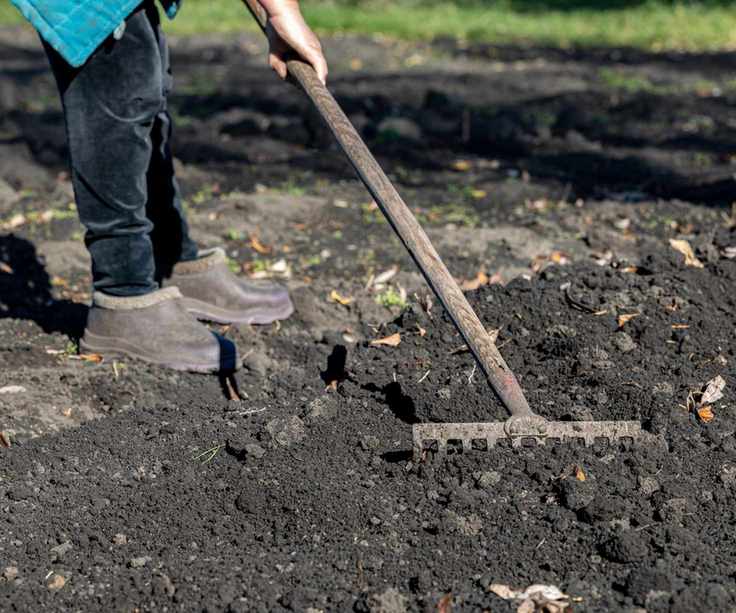
Potting soil can enhance beds and borders.
Old potting soil may have depleted its nutrients, so amending it is vital when reusing. An expert suggests adding organic matter, such as well-rotted compost or manure, to enrich the mix. Alternatively, you can use a balanced slow-release fertilizer, like Miracle-Gro Shake 'N Feed All Purpose Plant Food available on Amazon. Many gardeners opt for a 50/50 mix of old potting soil and new compost to optimize nutrient levels and enhance soil health.
Incorporating loam-based materials can provide longer-lasting benefits. Loam soil, a combination of soil, sand, and clay, is considered ideal for gardening. Ensure you source loam from reputable suppliers to guarantee quality.

For over 50 years, John has been a garden journalist and frequently addresses reader inquiries in gardening magazines. He has authored several books and is well-versed in horticulture.
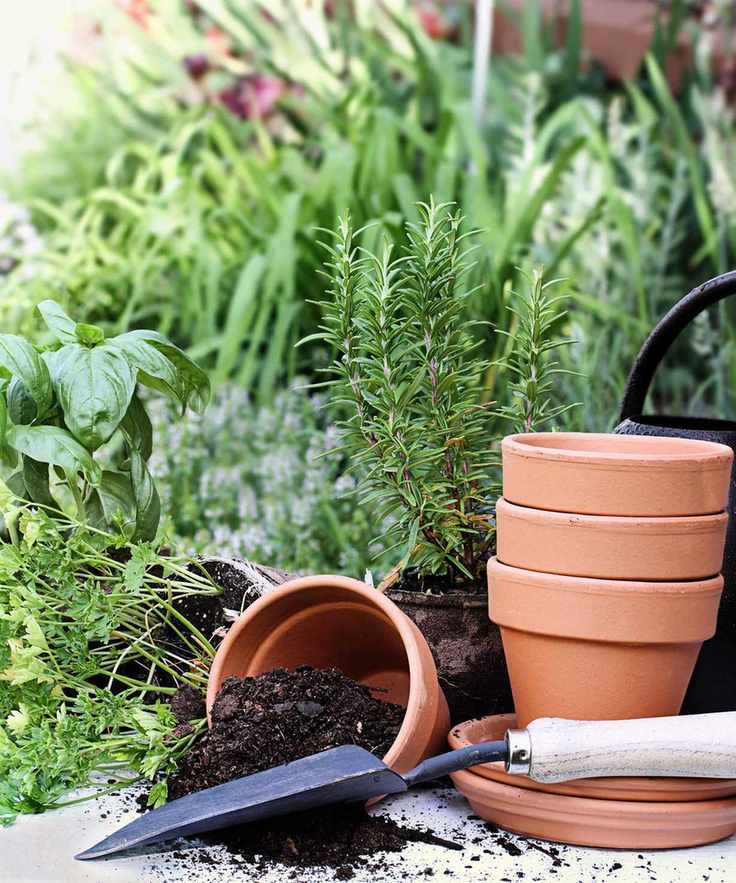
Old potting soil requires nutrient supplementation.
Alternatives to Reusing Potting Soil
If the soil is deemed unhealthy due to pests or diseases, other options exist for creating a fertile blend for garden beds or borders.
Homemade compost is the top alternative for mulching, but options like well-rotted manure, leaf mold, and spent mushroom compost also work well. These can be mixed with existing garden soil for a rich, fertile blend that drains effectively. You may also consider using bark, coarse sand, sawdust, perlite, or vermiculite to create an effective soil mix. While sphagnum peat moss or coco coir are alternatives, they raise sustainability concerns.
Any homemade soil mix should include natural fertilizers from compost or manure or additional synthetic fertilizers. Options like bone meal, rock phosphate, or kelp meal can supply essential nutrients over time. Bone meal is available in bags or spikes for easy incorporation into the ground.

Creating a homemade soil mix is achievable.
Can You Sterilize Old Potting Soil?
You can sterilize soil through solarization, which involves heating it in the sun, or by baking small portions in the oven. However, these methods require time and precision to achieve temperatures above 120°F for effectiveness.
There's ample opportunity to reuse old potting soil in your backyard. Whether for a flower garden, vegetable patch, or kitchen garden, as long as the soil remains free of pests and diseases, it can be utilized by supplementing it to enhance nutrient availability.