While peace lilies and pothos are popular choices for indoor greenery, adding a carnivorous plant can inject a lively twist into your plant collection.
Though these plants can be a bit challenging to care for, their captivating methods of trapping and consuming insects make them fascinating companions. If you're ready for something different, consider these expert picks!
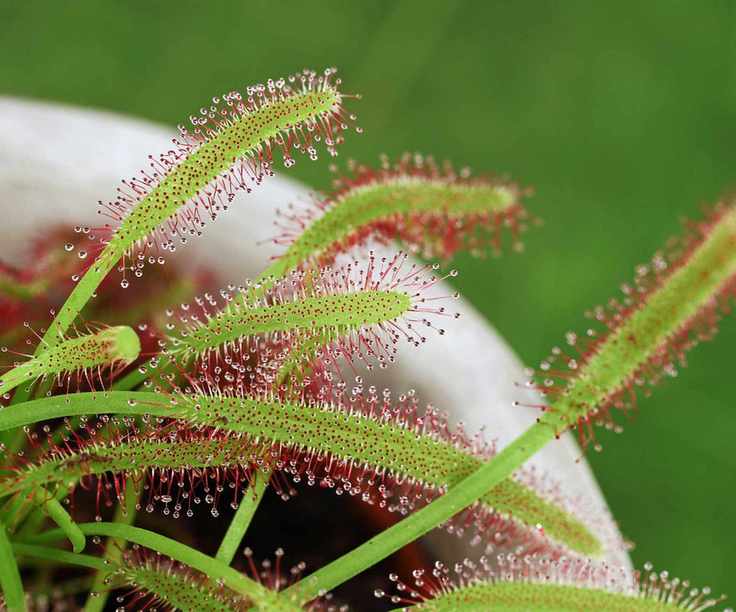
A variety of sundew plants exists
5 Fascinating Carnivorous Plants to Grow Indoors
Explore these intriguing species for your home, ranging from tall, trumpet-shaped wonders to the iconic Venus flytrap.
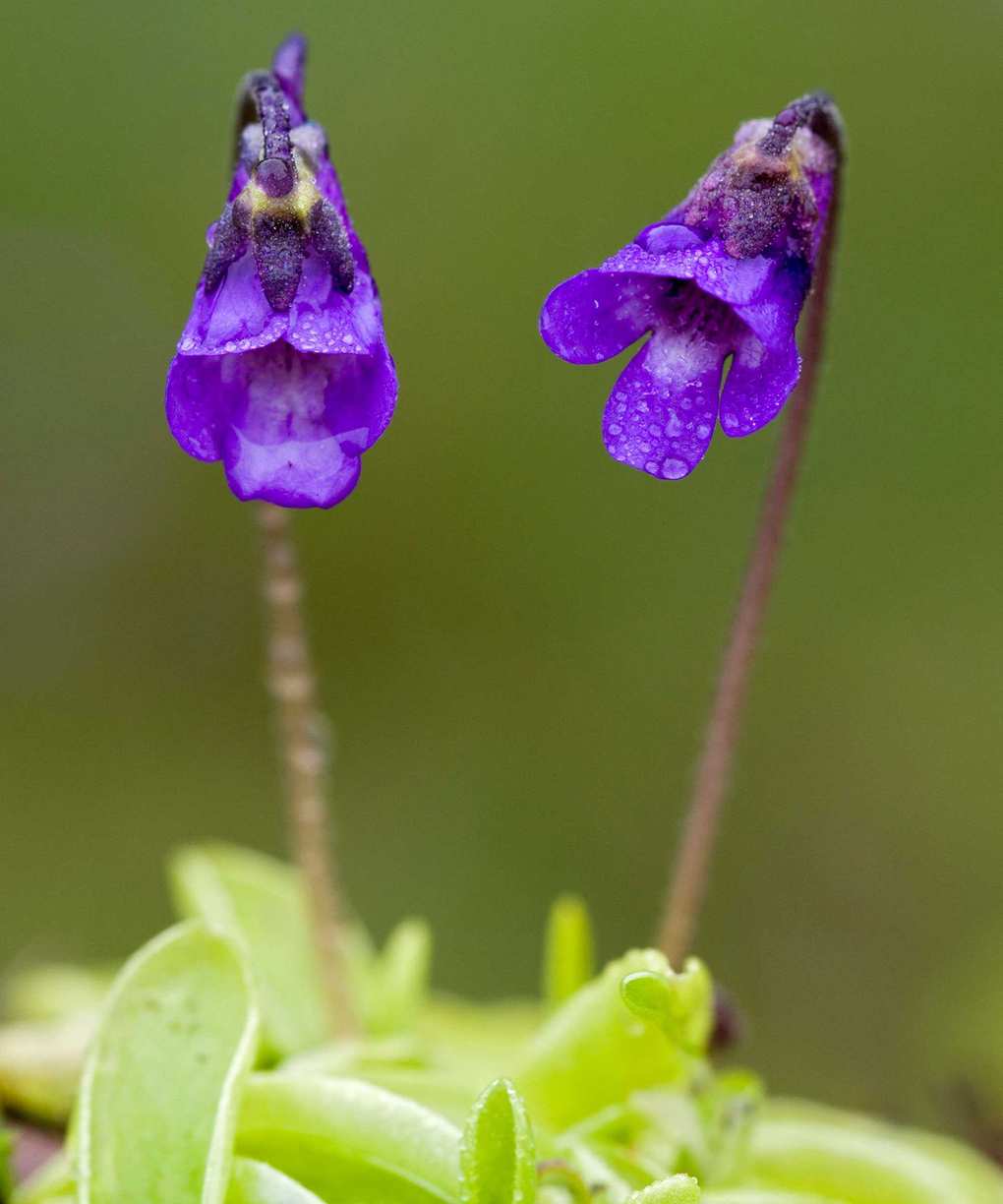
Butterworts can blossom with purple flowers
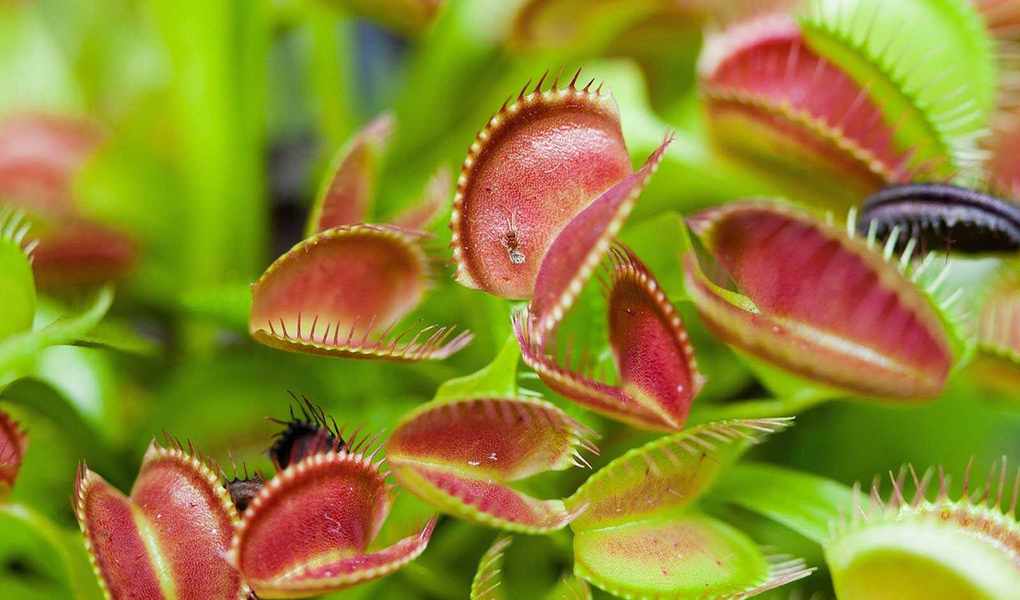
1. Venus Flytrap

A well-known carnivorous plant
The Venus flytrap (Dionaea muscipula) is one of the most recognized carnivorous plants, famous for its snapping traps. Plant expert Kiersten Rankel suggests placing it in a bright location and watering it with distilled water to avoid mineral buildup.
According to Laurelynn and Byron Martin, these plants thrive in moist conditions and should be kept damp. They enter dormancy during winter, so it's best to keep them in a cooler area then.
For optimal humidity, using a decorative mister can help. Venus flytraps can also be propagated by division.
Pro tip: Traps turn black after catching prey, but new ones will grow back. Avoid closing traps unnecessarily, as it may weaken the plant, advises Paris Lalicata.

2. Butterwort
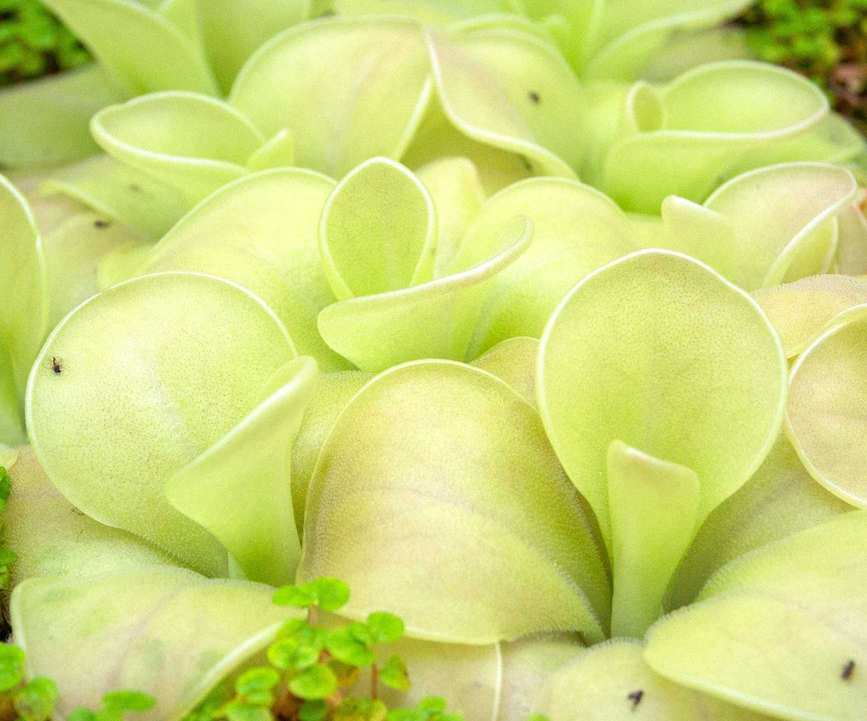
Butterworts have sticky leaves that trap insects
Also recommended by Kiersten, butterworts (Pinguicula) feature low-growing rosettes with sticky leaves and lovely purple flowers.
These plants do well in terrariums, but Kiersten keeps hers in a water-filled bowl, replenishing it weekly.
Different types include tropical varieties like P. gigantea and temperate ones such as P. grandiflora. Most thrive in moist soil with high humidity and indirect light, and many can be propagated through leaf cuttings.
3. Trumpet Pitcher Plant
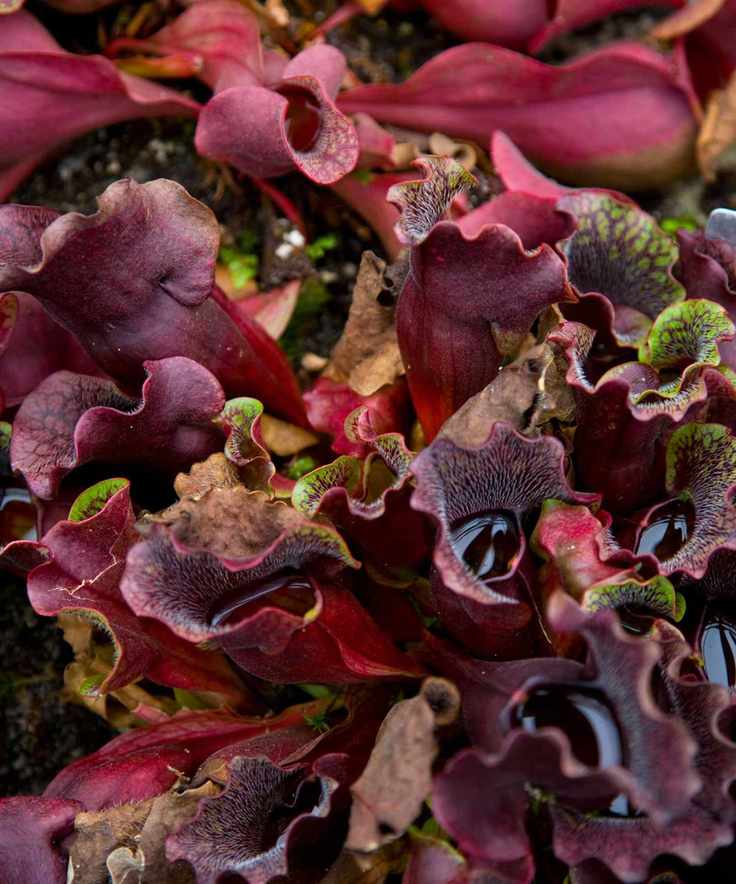
Sarracenia purpurea features a unique, ruffled look
Various types of trumpet pitcher plants exist, including Sarracenia purpurea, known for its attractive ruffled design. Insects crawl into these tube-like traps, where they are digested by the plant's secretions, according to Laurelynn and Byron Martin.
These plants typically prefer full sun and exhibit vibrant colors. They should be grown in containers with drainage, often in sphagnum moss, and kept moist.
They're sensitive to water impurities and excess fertilizer. Older plants may produce interesting summer flowers.
Trumpet pitcher plants are suitable for outdoor growth in USDA hardiness zones 3-9, making them great for bog gardens.
4. Sundew
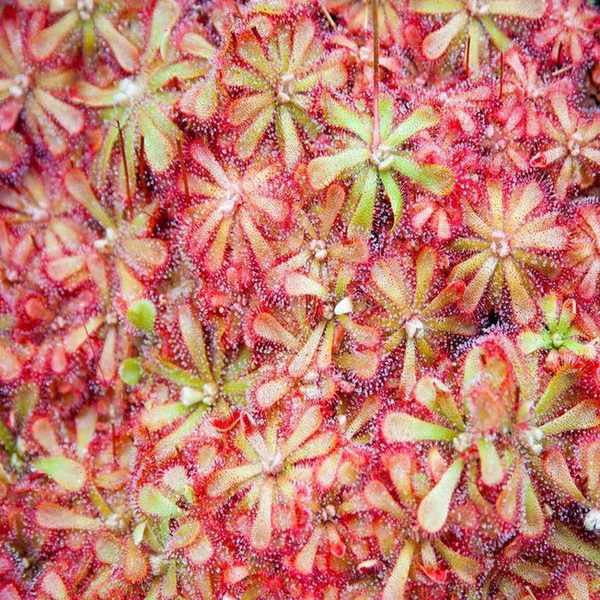
Sundews (Drosera) capture prey with their sticky leaf hairs
Paris Lalicata describes sundews as stunning plants covered in bright, sticky tentacles that capture prey. They're ideal for terrariums.
They thrive in full sun, preferably in a south or west-facing window, but grow lights can suffice if needed. Keeping the soil consistently moist is crucial.
Using distilled or rainwater is best for these plants.

5. Tropical Pitcher Plant
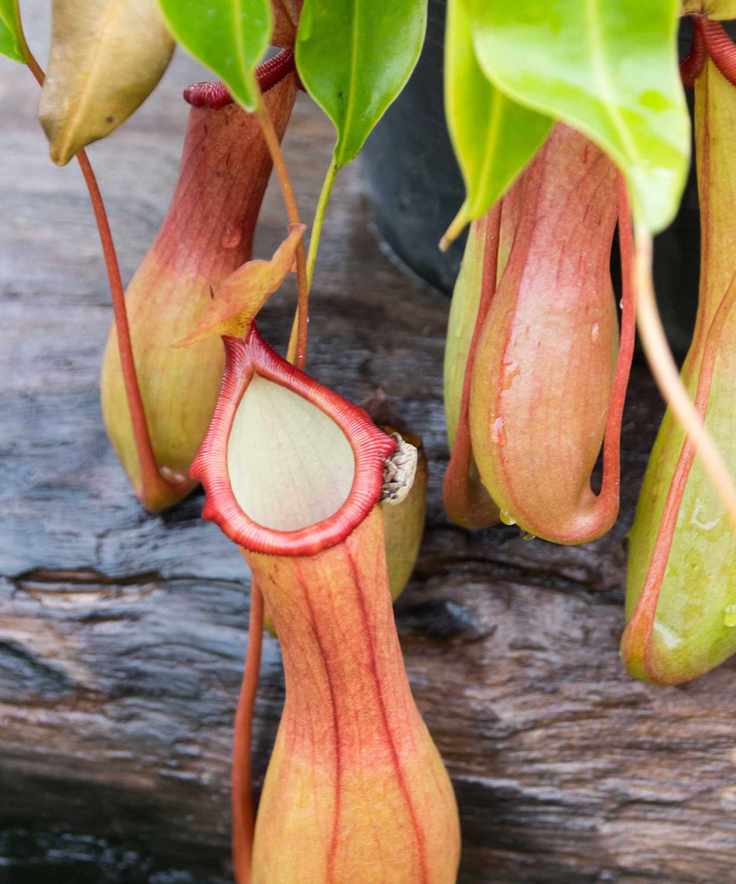
A striking choice for hanging baskets
Unlike the North American trumpet pitcher plants, tropical varieties (Nepenthes) primarily come from Southeast Asia. These plants feature hanging tubular traps, making them excellent for indoor hanging arrangements.
While generally easy to cultivate, some tropical species produce more pitchers than others, according to Laurelynn and Byron Martin. Varieties like 'Alata' and 'St. Gaya' thrive in homes with 50% humidity.
They grow well in a light, open potting mix, often sphagnum moss (ethically sourced). As they mature, their growth may spread, but can be pruned as needed.
Most species prefer warm conditions and bright light with some protection from direct sunlight.
To further enhance your indoor display, consider adding flowering plants such as bromeliads and anthurium for extra color and vibrancy.