

Oil stains on clothing can be incredibly frustrating, whether it's a splash of olive oil during dinner or salad dressing gone awry. The moment it happens, dread often sets in.
What can effectively remove these oil stains?
Searching for solutions reveals countless tips and tricks for getting rid of oil and grease on various fabrics while doing laundry. One hack that especially caught our attention is using chalk!
Can Chalk Eliminate Oil Stains?
While flour, salt, and baking soda are commonly recommended for tackling stains like chocolate and wine, chalk's powdery consistency suggests it may also do the trick. But does it really work? Let's find out.
We consulted some experts to get the scoop.
Chalk's Absorbent Nature
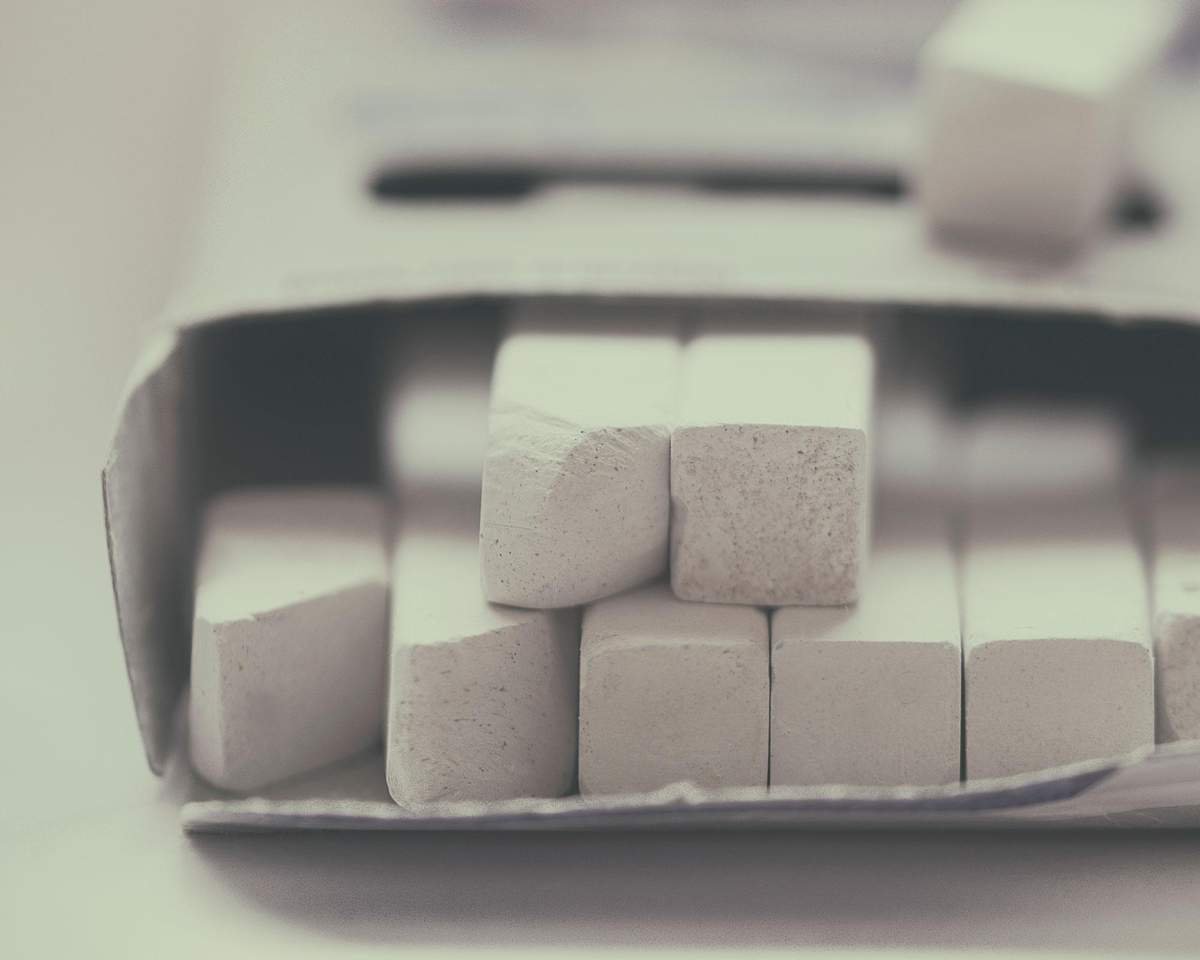
Kathy Cohoon from a cleaning service explains that chalk's composition makes it ideal for absorbing oil stains. 'Chalk's open-cell structure allows it to soak up moisture and liquid effectively,' she notes.

Kathy Cohoon is a cleaning expert dedicated to domestic cleaning solutions.
Cleaning blogger Jill Koch concurs, highlighting that chalk typically consists of calcium carbonate, a type of limestone. 'When applied to an oil stain, the chalk absorbs the oil, allowing you to brush it away along with the stain,' she explains.

Jill Koch specializes in cleaning and organization, sharing her insights through her blog.
Fresh Stains Work Best
Koch emphasizes that chalk is most effective on fresh stains. 'I've seen it fail if the stain is set or if the item has been washed already. Time is crucial; the sooner you treat the stain, the better the outcome,' she advises.
Helpful Tips
Blot Before You Apply
When dealing with a significant oil spill, Koch recommends removing excess oil first before using chalk. 'Always start by blotting the oil without rubbing, as this can push it deeper into the fabric. After blotting, apply the chalk and let it sit for a few minutes to absorb,' she suggests.
If the stain lightens but doesn't disappear completely, don't worry! 'Repeat until the stain is gone,' Koch says. If it's a washable item, she advises washing it in hot water afterward.
Interestingly, chalk isn't just for fabric; it's also effective on greasy fingerprints on walls, according to Koch.
Let It Sit
If you opt to use chalk, Cohoon warns against rushing the process. 'Many people don't let the chalk sit long enough to absorb the oil fully. Rub it into the stain and allow it to absorb well before brushing it away,' she says. 'And don't forget to wash it according to the fabric's care instructions afterward.'
Great Value Corn Starch, 16 oz | $1.92 at Walmart
Use it for everything from soothing skin irritations to cleaning stuffed animals.
No Harm in Trying
One of the best aspects of using chalk for stain removal is that it generally won't damage your fabric. 'If applied promptly, it usually works well,' Koch says. 'And if the stain is older and you're uncertain about its effectiveness, there's no risk in giving it a shot. Keeping chalk handy is always a smart move.'
Alternatives to Chalk
If chalk isn't available, Cohoon suggests alternatives you likely have at home. 'Cornstarch works wonders on sturdier fabrics like carpets and blankets. Just sprinkle it over the stain, blot, let it sit for several hours, and then vacuum it up.'
Koch agrees that while she often relies on chalk, she also uses dish soap like Dawn for grease and oil stains. 'Other effective options include baking soda, baby powder, and cornstarch due to their absorbent properties. For oil spills on driveways, kitty litter can help absorb the excess oil before cleanup.'
While chalk isn't something everyone keeps on hand, Cohoon believes it's worth having some inexpensive chalk from Amazon for these situations. 'Chalk is great for quickly absorbing oil, though it may not work every time,' she adds. So, if you encounter an oil stain and have chalk nearby, don't hesitate to give it a try.