A cutting board is a kitchen staple that directly interacts with our food, making it crucial to select a non-toxic one for your health.
Research highlights the harmful impact of microplastics on both human health and the environment. If your current board is plastic, experts suggest it's time for a safer, easy-to-clean alternative.
A trained chef and kitchen expert shares insights for selecting the right non-toxic cutting board.
Identifying Toxic Cutting Boards
Experts warn that many plastic cutting boards may release microplastics during use, raising concerns about health risks. A study published in Nature Medicine found micro and nanoplastics in human organs, indicating potential health dangers, including inflammation and heart risks.
The Impacts of Microplastics on Health report notes that while the connection between microplastics and health issues is still being explored, some studies have linked exposure to various health problems, including cancers and respiratory disorders.
Chef and nutritionist Laura Pensiero states that millions of tiny plastic particles can be released annually from plastic boards, potentially contaminating food and accumulating in our bodies, which poses long-term health risks.
She highlights that microplastics might lead to chronic inflammation and other health issues, making it crucial to replace plastic cutting boards promptly.
Plastic boards may also contain harmful chemicals like BPA and phthalates, which can disrupt endocrine functions and lead to developmental problems. Even boards labeled as "BPA-free" might still leach harmful substances into food.
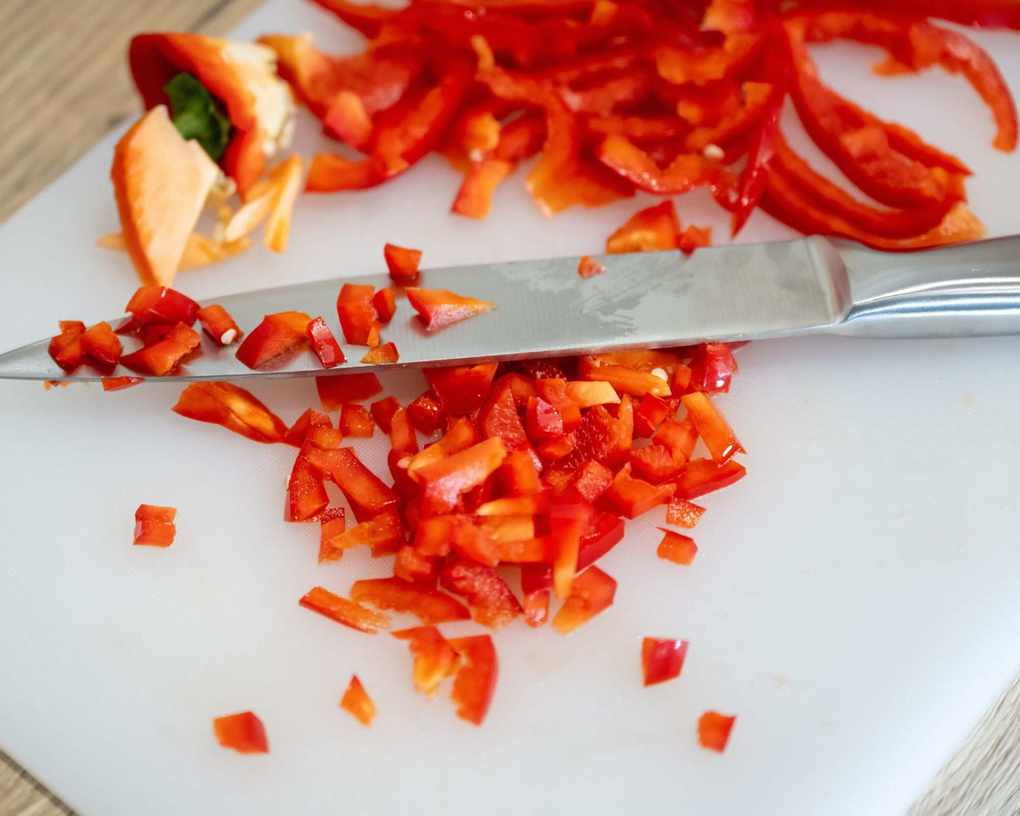
Concerns about plastic chopping boards continue to grow
Selecting a Non-Toxic Cutting Board
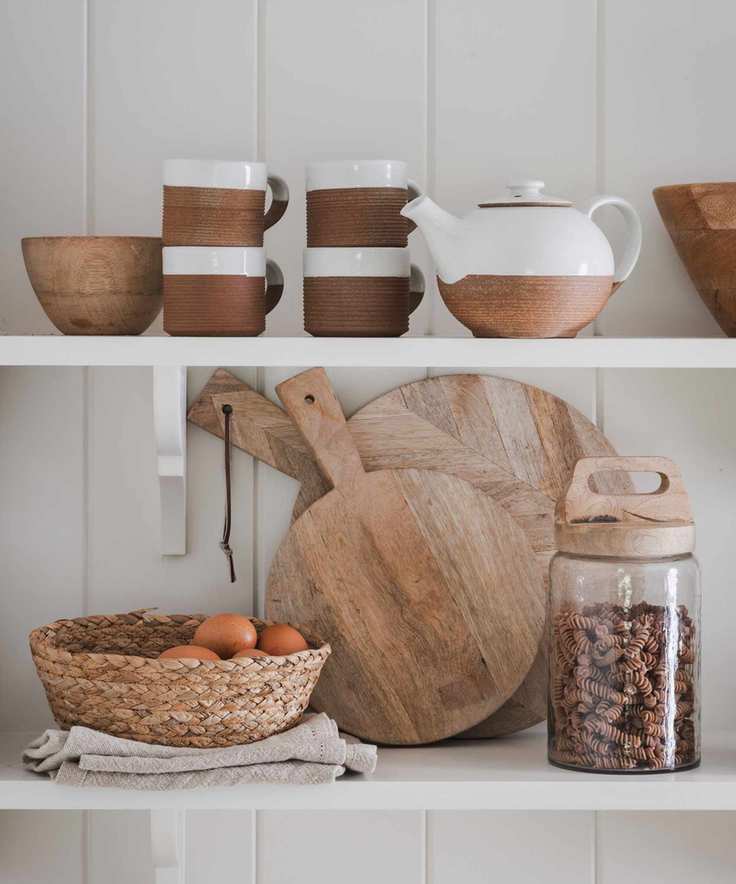
When upgrading your kitchen essentials, consider avoiding plastic boards altogether. Expert Lydia suggests opting for wooden options, especially maple, which she finds ideal for various kitchen tasks.
For a premium choice, Lydia recommends Boos Block cutting boards, available at Amazon, favored by many professional chefs for their durability and beauty.
These boards are easy to maintain with mild soap and water but should not be placed in the dishwasher to preserve their natural oils.
Other eco-friendly wooden options include teak and acacia boards, which resist moisture and bacteria. Bamboo is another great choice, as recommended by Lindsey Chastain, a culinary creator.
She suggests bamboo boards like this Bamboo Cutting Board available at Amazon, noting their affordability and variety.
While wooden boards may be pricier upfront and require proper care, they can last a lifetime with regular oiling to prevent damage.
Lydia recommends using CLARK'S Cutting Board Oil available at Amazon monthly to keep the wood in good condition.
Rubber and silicone boards are also viable non-toxic choices, such as the Thick Silicone Cutting Boards available at Amazon, which are both durable and easy to clean.
Alternatively, titanium options like the 100% Titanium Cutting Board available at Amazon are available, though they may dull knives quickly.
For raw chicken or other meats, use non-porous materials to avoid contamination. Options include BPA-free boards or stainless steel, such as this Stainless Steel Cutting Board available at Amazon.
Glass cutting boards can dull knives but are easy to clean. However, they can be slippery during use.
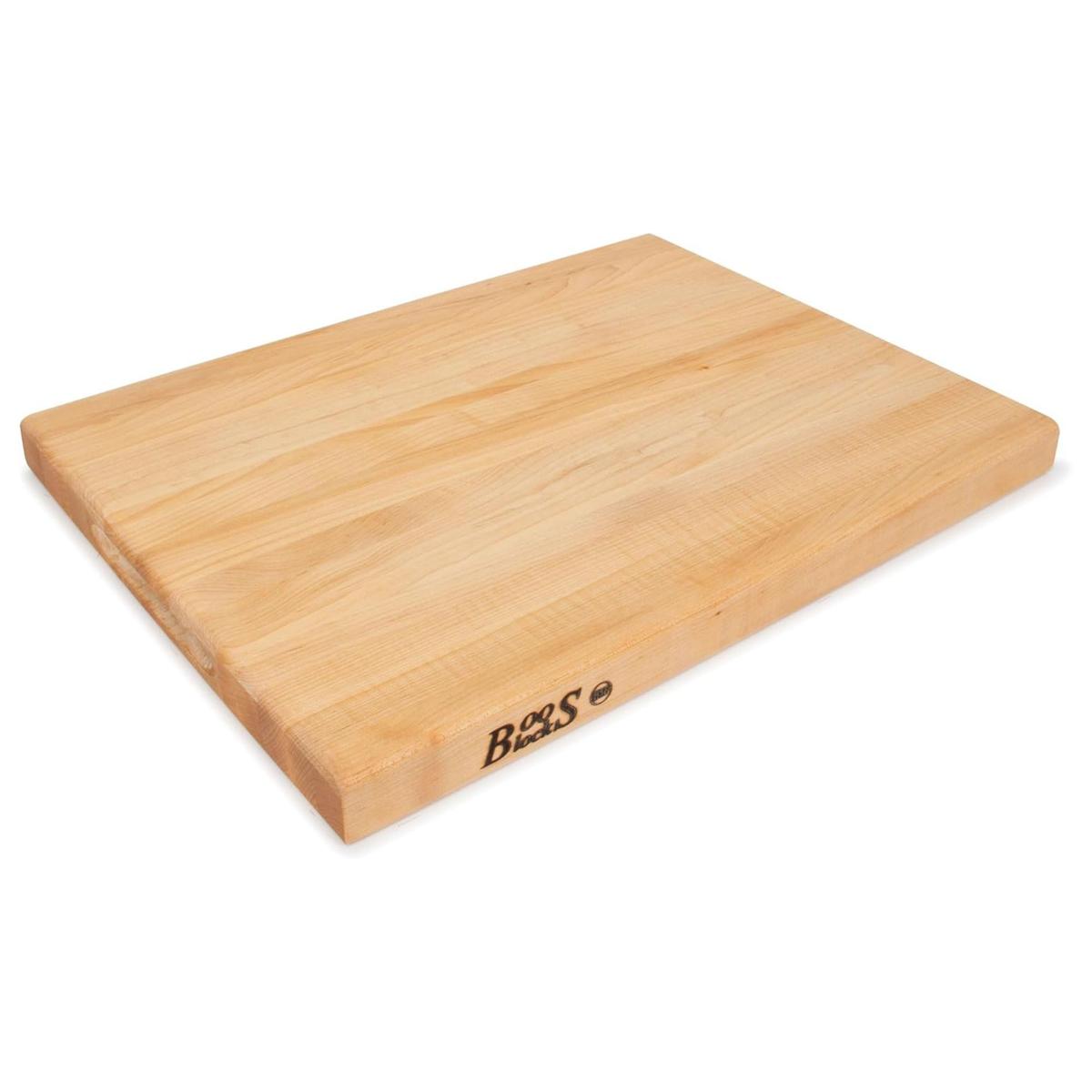 Approved by our kitchen editor
John Boos Block Reversible Wood Cutting Board w/Oil Finish
This maple board is crafted in the USA from sustainably sourced wood and is built to last.
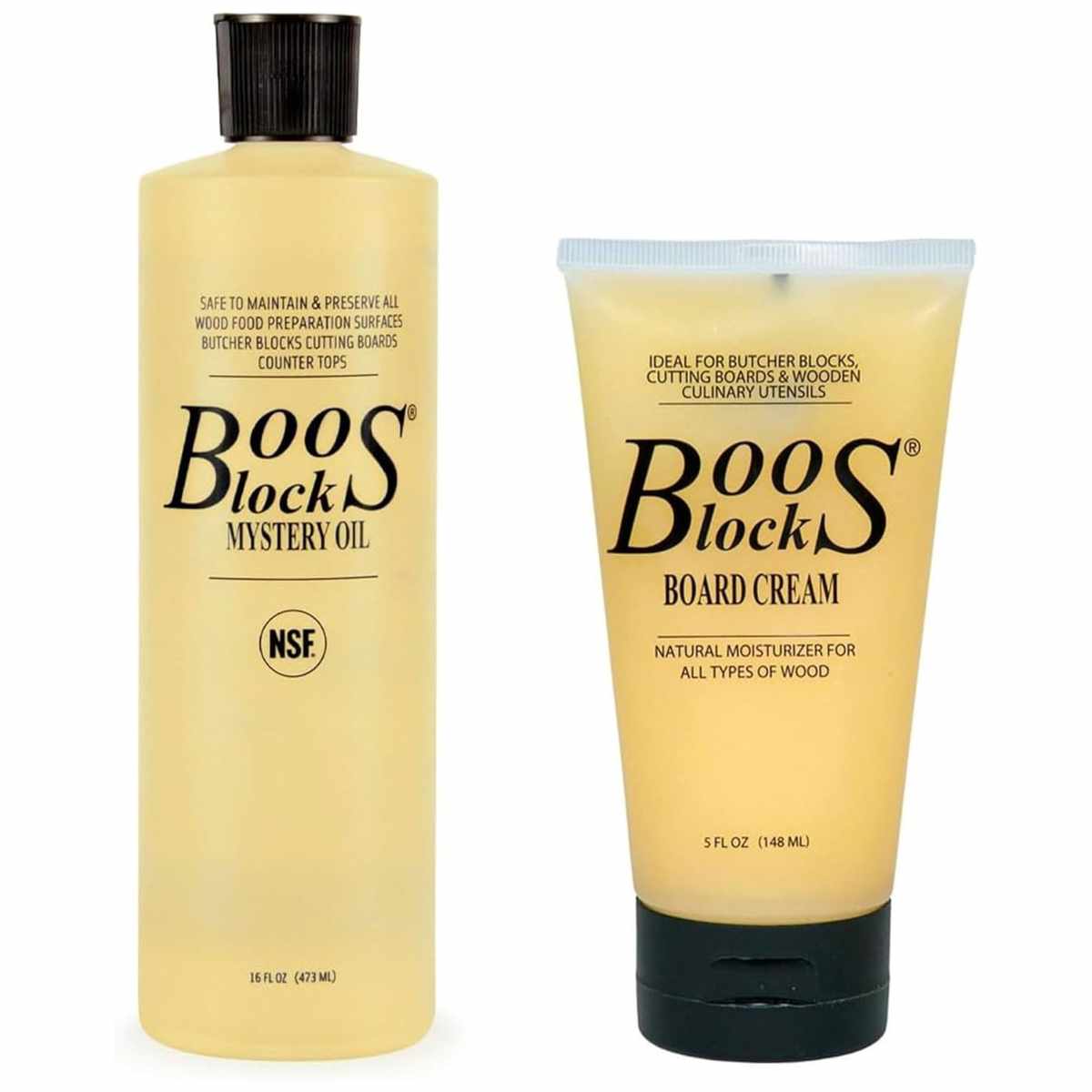 Mineral oil and beeswax formula
This oil and cream kit penetrates deep into wood with an all-natural formula to maintain and preserve wooden surfaces.
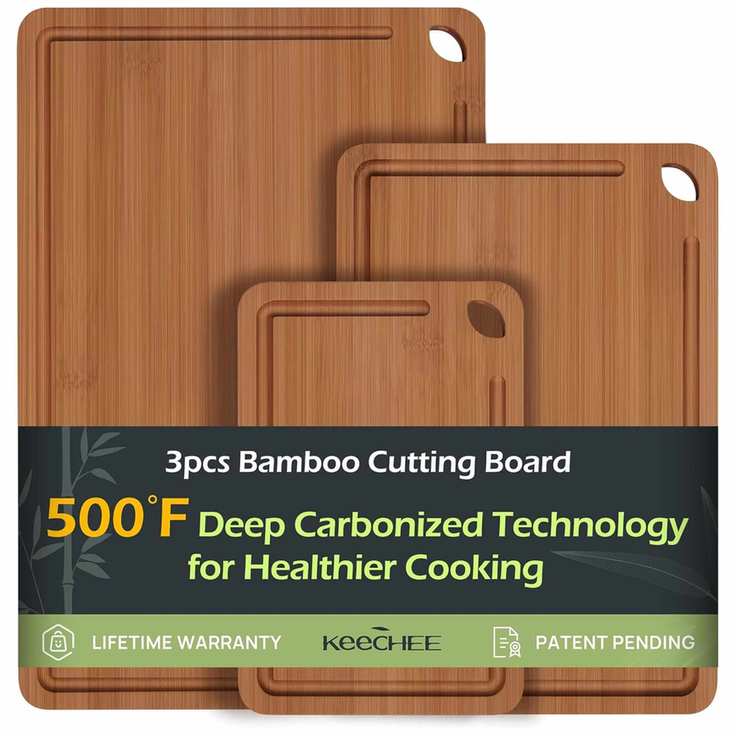 Sturdy
These bamboo cutting boards come in various size sets or individually, designed for longevity.
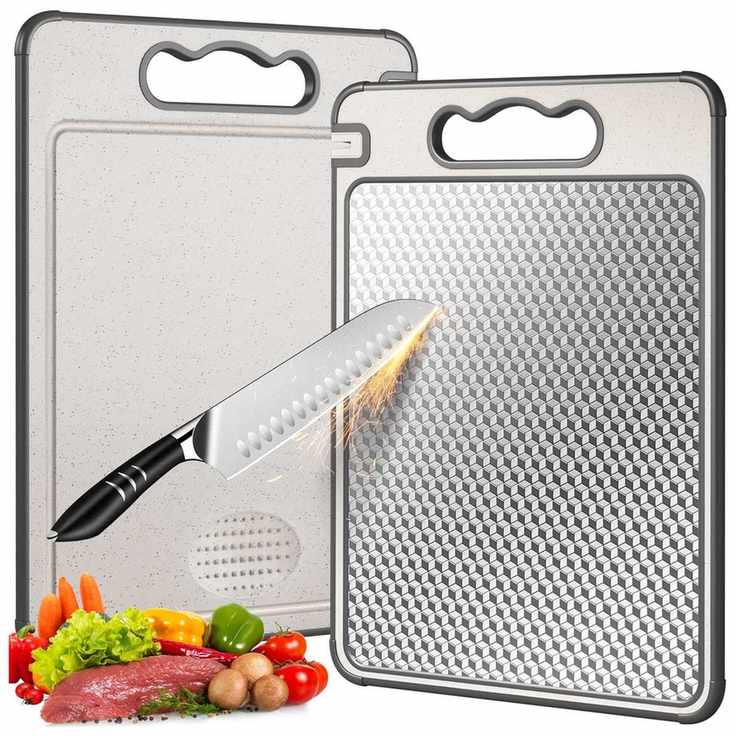 Dishwasher safe
This lightweight chopping board features a unique grid design to reduce scratches and prolong its lifespan.
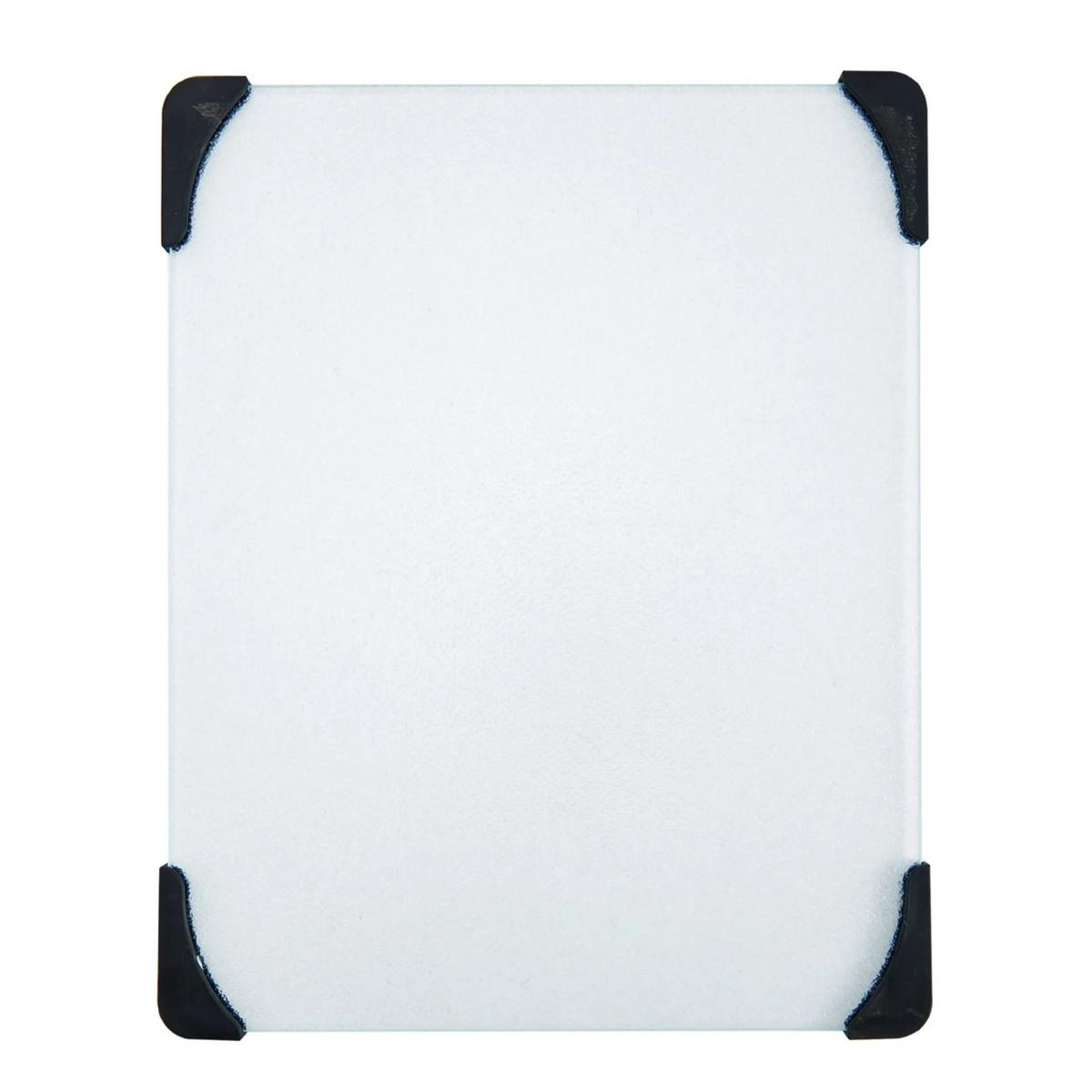 Break-resistant tempered glass
This glass cutting board features non-slip corners, is odor-resistant, and dishwasher safe.
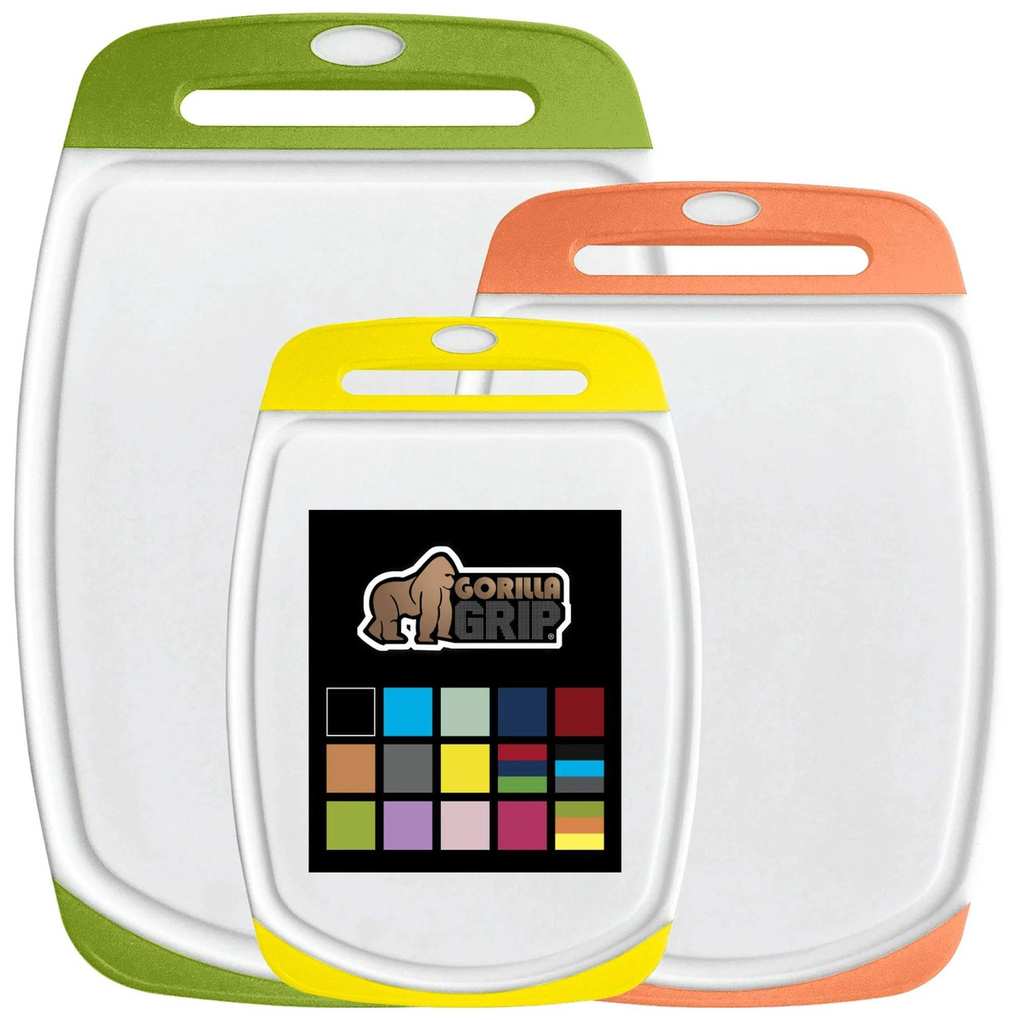 100% BPA free
These durable cutting boards are built to last, featuring a slip-resistant handle.
Plastic cutting boards are not the only sources of microplastic exposure; other culprits include dishwasher pods and synthetic kitchenware. To minimize exposure, consider replacing toxic items with non-toxic home essentials.
All prices correct at time of publication.
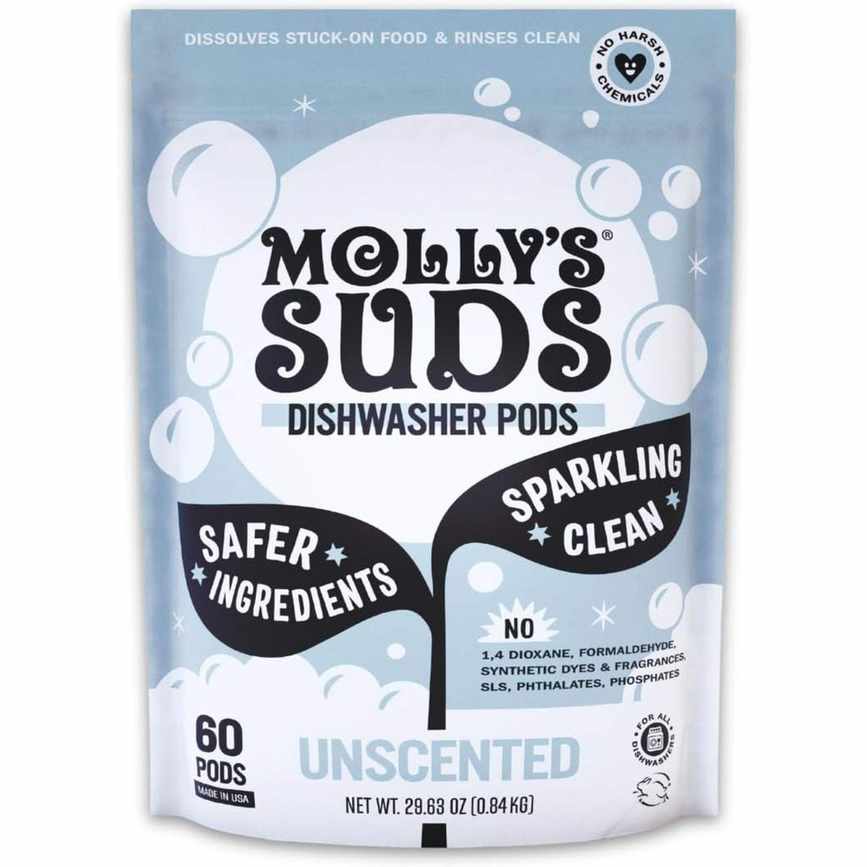 No harsh chemicals
These dishwasher pods contain safer ingredients to eliminate grime without harsh synthetic additives.
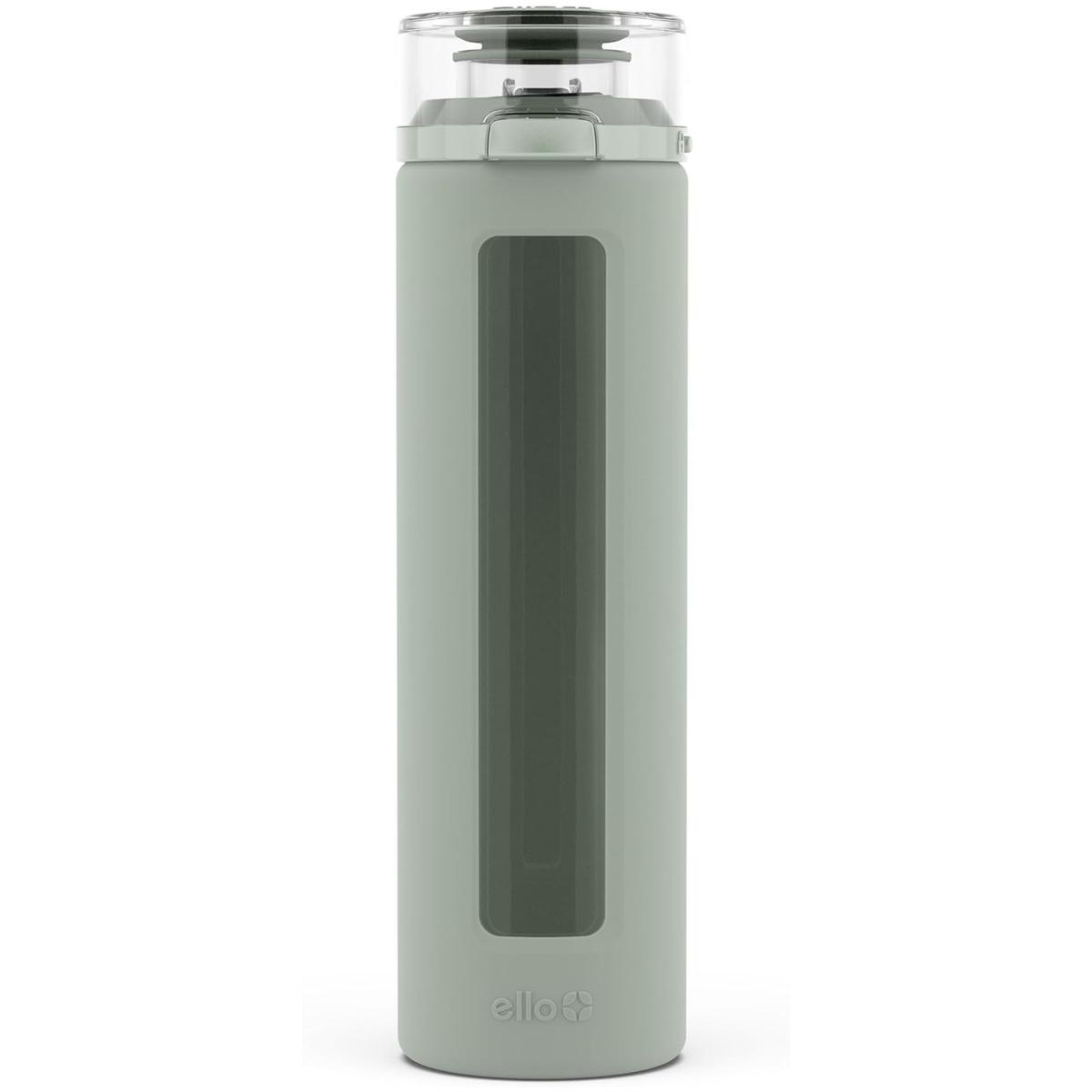 Available in nine colors
This eco-friendly water bottle is stain-resistant and includes a protective silicone sleeve.
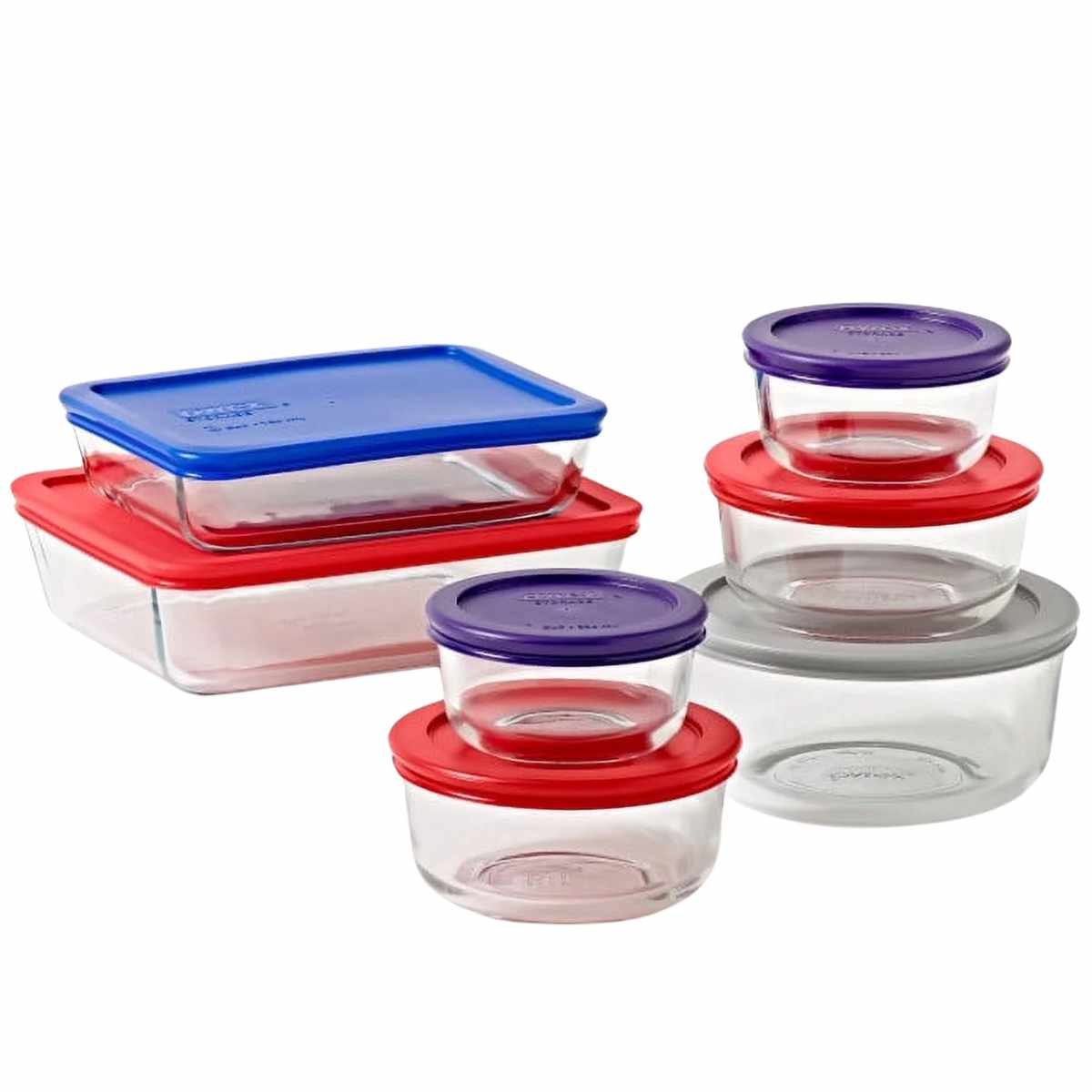 14 piece set
These durable glass storage containers are safe for the dishwasher, microwave, and freezer, featuring BPA-free lids.
Meet Our Experts

Lydia Hayman is a culinary expert trained at Leiths School of Food & Wine, with experience as a recipe editor and a focus on non-toxic kitchen swaps.
Laura Pensiero is a culinary consultant featured in various publications, known for promoting non-toxic kitchen practices.
FAQs
Which Cutting Board is the Most Hygienic?
Hardwoods like maple rank highest for hygiene, being more resistant to bacteria.
It's no wonder that many chefs, including Ina Garten, prefer these boards.
While tackling microplastics is essential, what does non-toxic cookware really mean? We've explored this topic for you.