In the southern coastal regions, the vegetation varies significantly from that in the northeast, primarily due to climatic conditions and winter temperature extremes. While hardiness zones 10 to 13 experience both cold and heat challenges, a diverse range of plants can thrive in these areas.
Many plants that flourish outdoors here are usually houseplants in colder regions, like the weeping fig, or treated as annuals, such as petunias. This guide explores numerous trees, shrubs, flowers, and vegetables suitable for gardening in US hardiness zones 10-13.
Understanding Hardiness Zones
The USDA has analyzed weather data across the nation, classifying it into 13 zones based on the lowest winter temperatures. These zones, each representing a 10°F range, can be easily checked on a plant hardiness color map.
Zone 1 is the coldest, with few plants surviving, while zone 13 is the hottest. Zone 1's frigid conditions hinder plant growth, whereas zone 13 presents heat-related challenges.
Plants come with hardiness ratings on tags and in catalogs, which help you select suitable varieties for your zone. In warmer zones, summer heat can also affect some plants, leading to ratings like Z9-11, indicating they won't thrive in cooler than zone 9 or warmer than zone 11.
Selecting Plants for Zone 10
Most suitable trees and shrubs in these warmer areas are evergreens, with some blooming for extended periods. While some varieties thrive in moist conditions, others prefer well-drained soil and full sunlight.
Zone 10's winter temperatures range from 30°F to 40°F, while zone 11 spans 40°F to 50°F, and zone 12 is 50°F to 60°F. Only a few small regions in Hawaii qualify as zone 13, with temperatures above 60°F.
It's often beneficial to experiment with plants rated for adjacent zones, as local conditions might favor their growth.
Evergreen Trees
Coconut palm (Cocos nucifera): Iconic tropical tree with a tall trunk and a crown of fruits. Requires full sun. Zone 11.
Royal Poinciana (Delonix regia): Features clusters of vibrant red or orange flowers in late spring and summer, set against fern-like foliage. Zone 11.
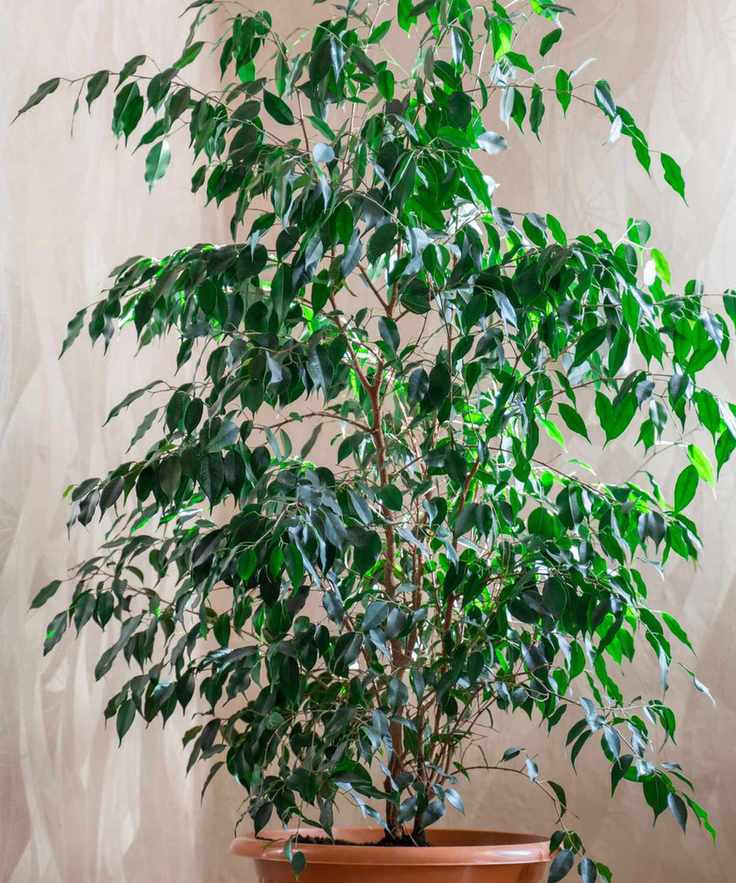
Weeping fig (Ficus benjamina): A small-leaved tree that grows large; avoid planting near buildings. Zone 10.
Also consider: Norfolk Island Pine (Araucaria heterophylla), Eucalyptus (Eucalyptus species), southern yew (Podocarpus macrophyllus). Explore a range of eucalyptus trees available at Fast Growing Trees.
Shrubs
Angel's trumpet (Brugmansia x candida): Produces fragrant, pendulous trumpets in soft pastel hues during summer and fall. Can be shaped as a small tree or a bushy shrub. Zone 11.
Croton (Codiaeum variegatum): Known for its vibrant, leathery foliage in various shapes. Prefers sun but dislikes drought. Zone 10.
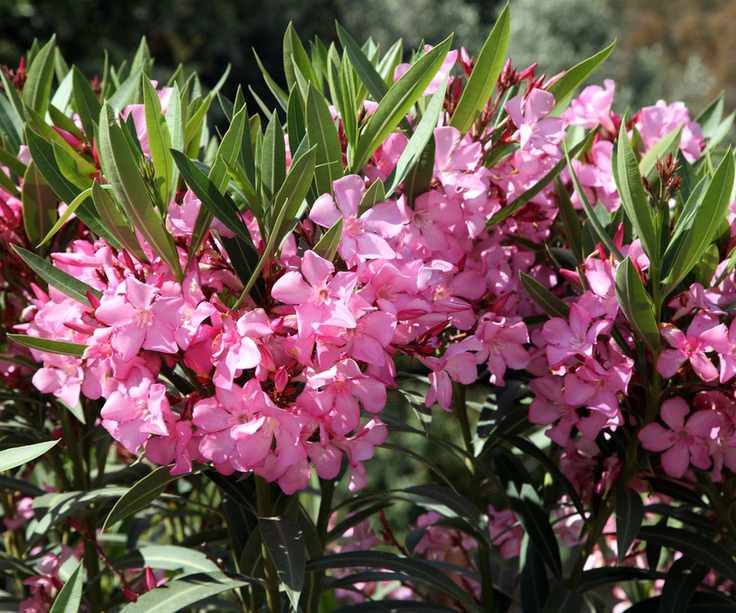
Oleander (Nerium oleander): A versatile shrub with clusters of summer flowers in shades of red, pink, and white that thrives in full sun. Zone 10.
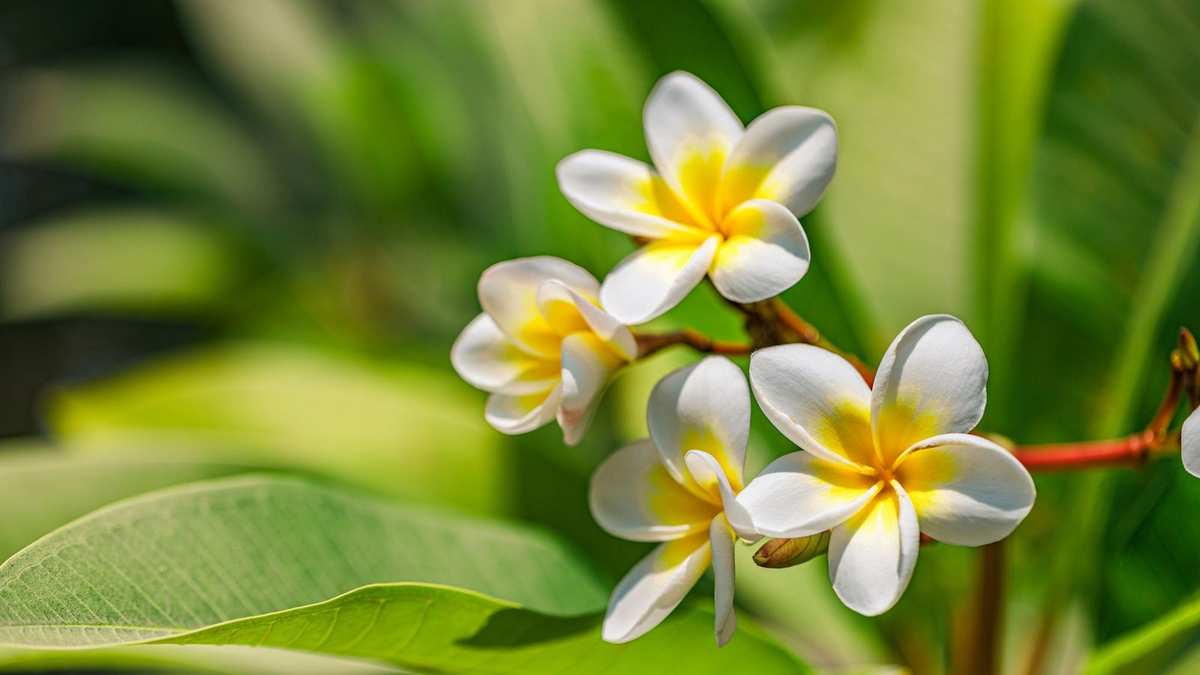
Also try: Ti plant (Cordyline fruticosa), Frangipani (Plumeria species), Chinese hibiscus (Hibiscus rosa-sinensis).
Vines
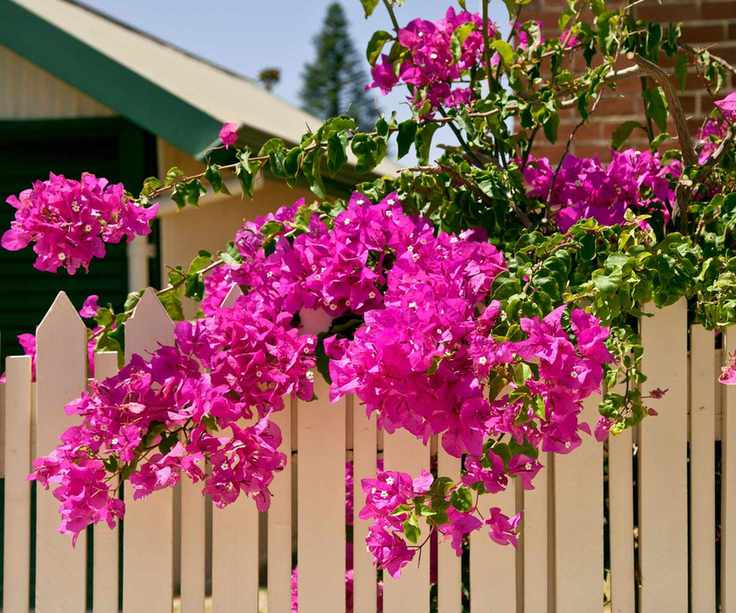
Bougainvillea (Bougainvillea glabra): A vigorous, thorny vine with vibrant summer flowers; avoid fertilizing! Prune cautiously as needed. Zone 10.
Moonflower (Ipomoea alba): Emits a strong fragrance, with white flared flowers that bloom at night. Zone 10.
Mandevilla (Mandevilla splendens): Produces flat-faced flowers in reds, pinks, and whites from late spring to fall. Gloves are recommended when pruning. A must-have for southern homes. Zone 10.
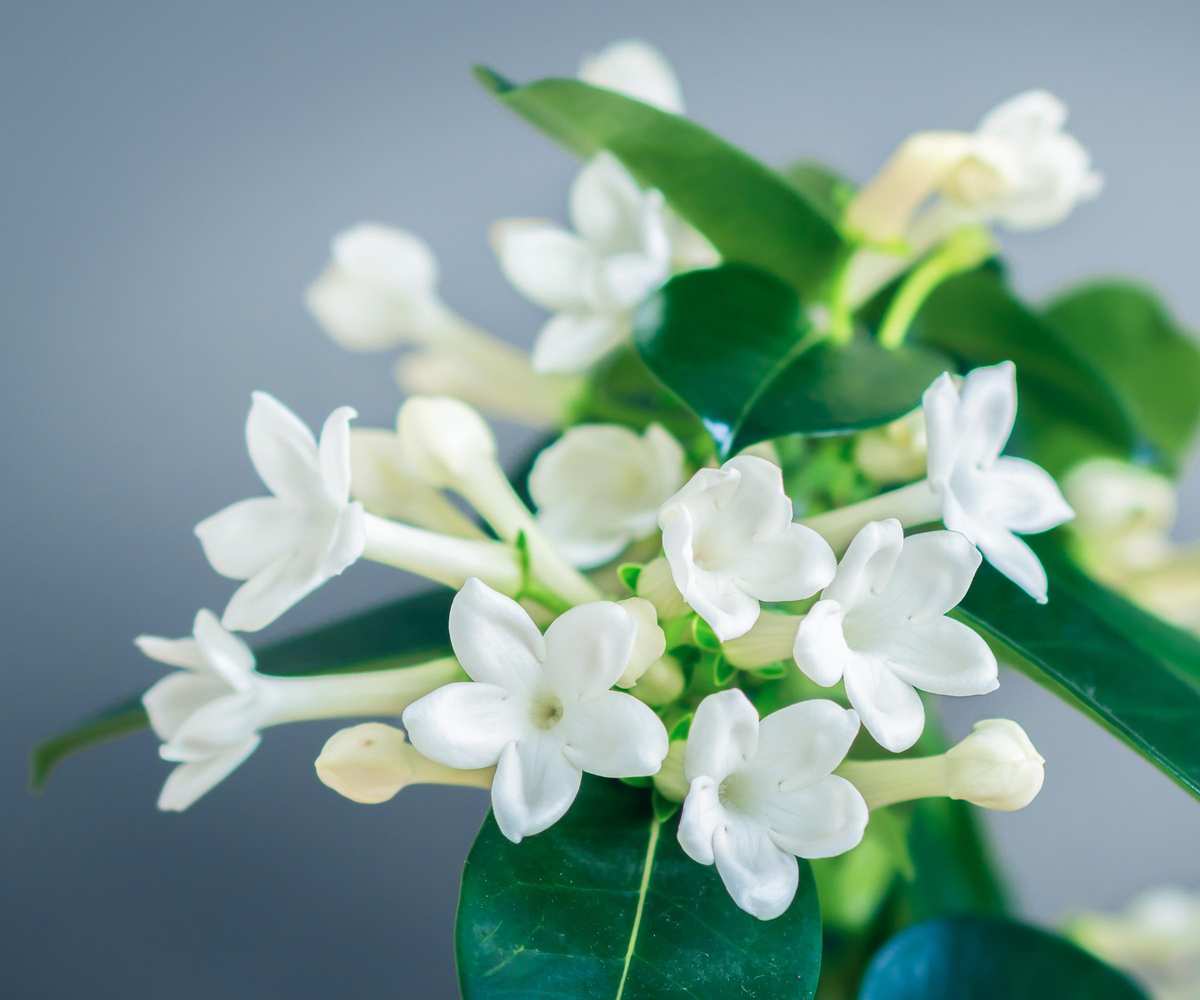
Also consider: Lablab bean (Lablab purpureus), Cup and saucer vine (Cobaea scandens), Bridal flower (Stephanotis floribunda).
Ground Covers
Ice plant (Dorotheanthus): A low-growing plant suited for dry, sunny areas, featuring daisy-like blossoms above succulent foliage. Zone 10.
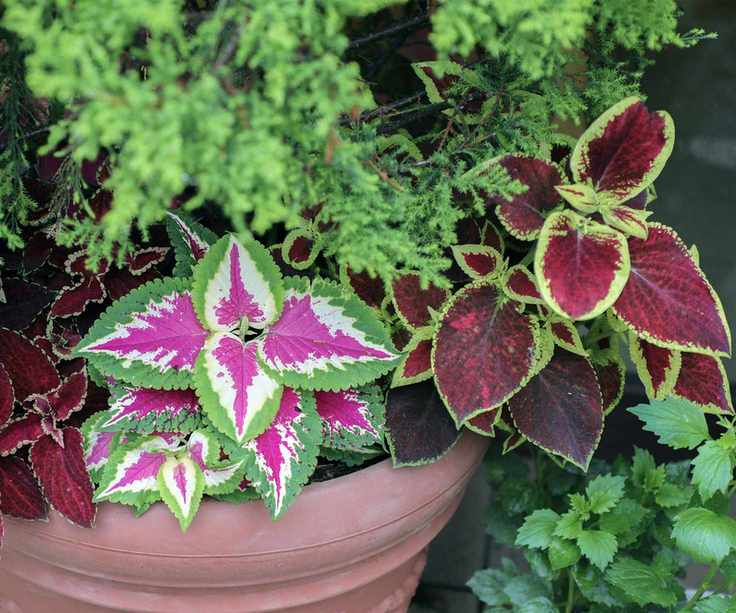
Coleus (Coleus): Foliage plants offering a stunning array of colors, adaptable to sun or shade. Look for low-spreading varieties. Zone 10.
Fan flower (Scaevola): Produces attractive, finger-like flowers in blue, pink, and white, rooting as they spread. Commonly grown as an annual in colder zones. Zone 10.
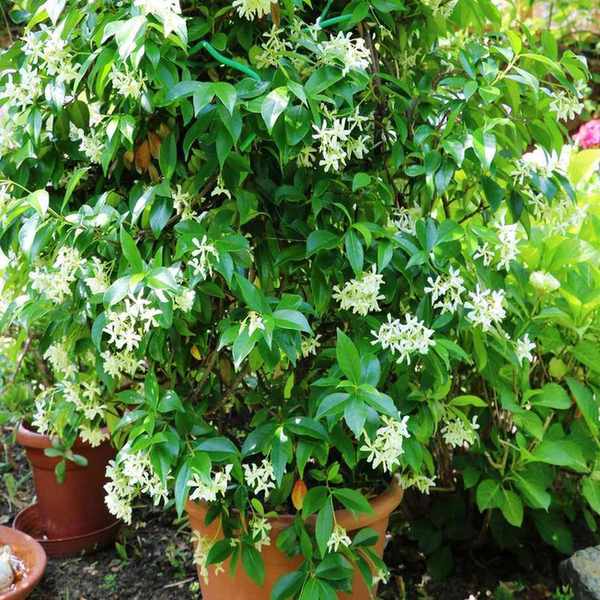
Also consider: Silver falls (Dicondra), Mondo grass (Ophiopogon), Star jasmine (Trachelospermum jasminoides). Check out star jasmine available at Nature Hills.
Shade Perennials
Bromeliads (Various types): Start with aechmeas, neoregelias, or porteas, ensuring you check their specific needs before purchase. Some thrive when attached to tree branches. Zone 10.
Taro (Colocasia), Orchids (Various types): Many are adaptable and easy to cultivate, with new varieties constantly emerging. Begin with dendrobiums, oncidiums, or phalaenopsis. Zone 10.
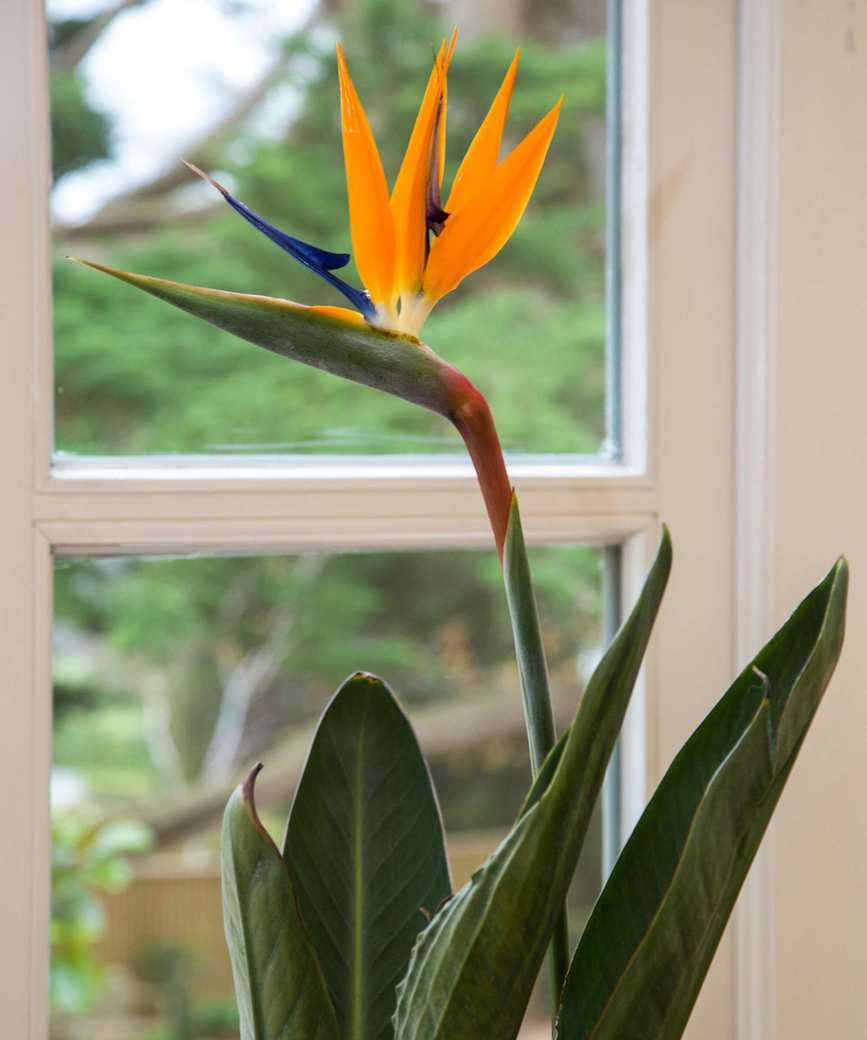
Bird of paradise (Strelitzia): Features striking orange and yellow flowers resembling tropical birds, requiring occasional maintenance as leaves can become ragged. Zone 10.
Also consider: Elephant's ear (Alocasia), Foliage begonia (Begonia), Coleus (Coleus).
Sun Perennials
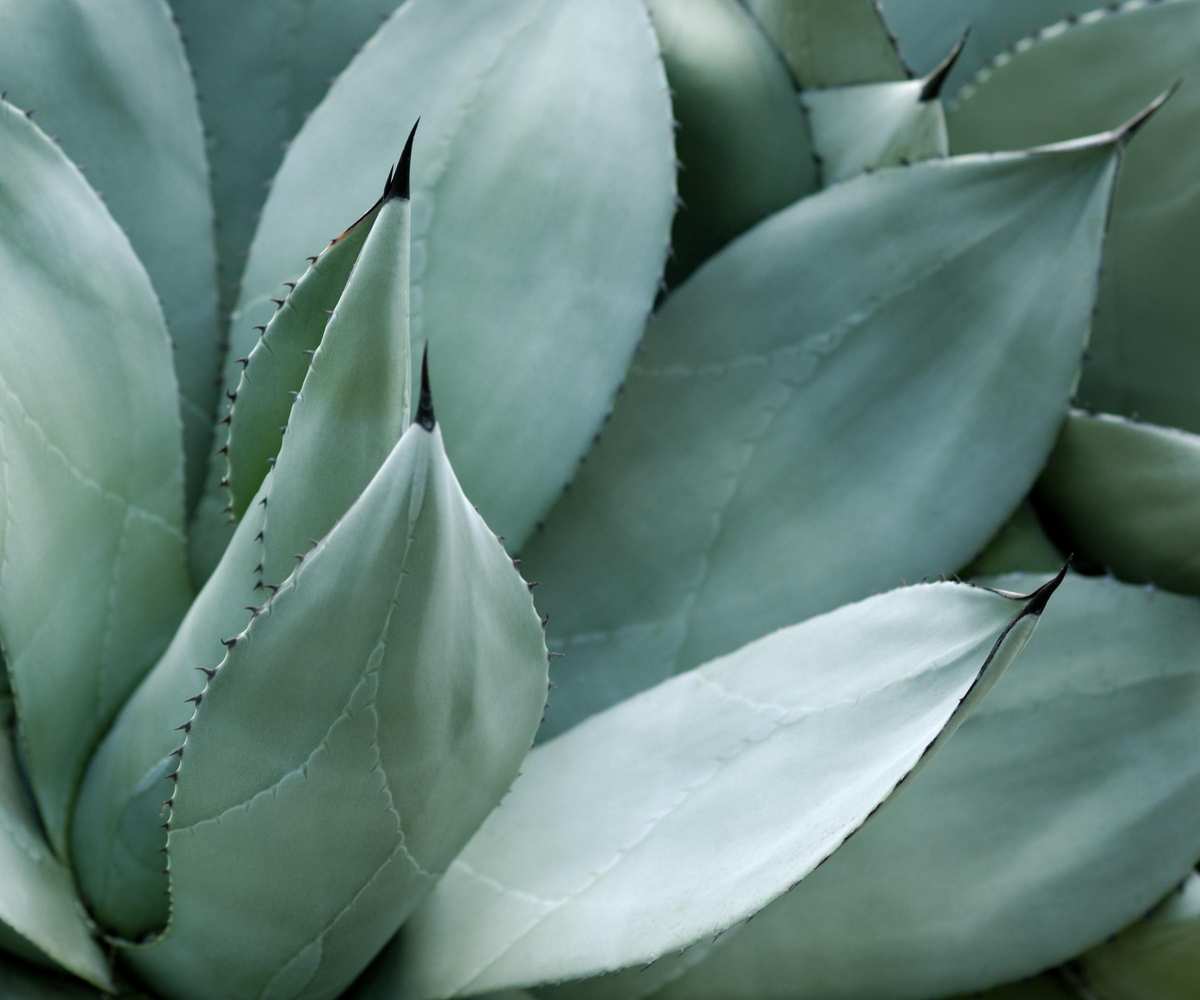
Mangave (Agave): Succulent rosettes with unique patterns, ideal for smaller gardens due to their neat appearance. Zone 10.
Aloe (Aloe): Sturdy stems arise from rosettes of fleshy foliage, culminating in spikes of tubular orange and yellow flowers. Various types exist beyond the well-known Aloe vera. Zone 9.
Banana (Ensete): Features large paddle-like leaves, often tinted deep red, creating a striking focal point. Needs protection from strong winds. Zone 9.
Also consider: Echeveria (Echeveria), Lobster claw (Heliconia), Tuberose (Polianthes).
Bulbs
Elephant's ears (Alocasia): Large leaves resembling arrowheads, often featuring striking silver veins, create impressive specimens over time. Zone 9.
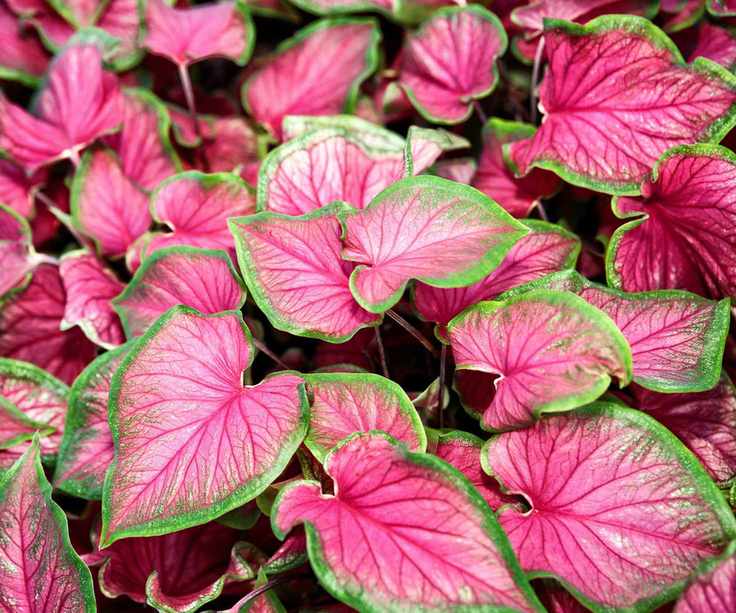
Angel Wings (Caladium): Compact clusters of uniquely patterned leaves in green, silver, and red brighten summer gardens. Sensitive to cold. Zone 10.
Glory lily (Gloriosa): A climbing lily with tendrils at leaf tips and distinctive red-and-yellow flowers. Zone 10.
Also consider: Begonia (Begonia), Taro (Colocasia), Amaryllis (Hippeastrum).
Native Shrubs
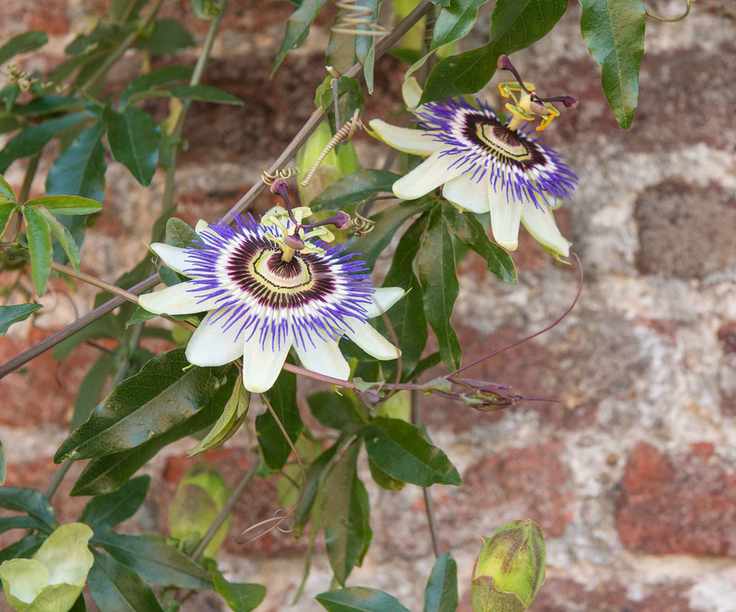
Passionflower (Passiflora incarnata): A robust vine with tendrils and intricately detailed lavender and white flowers. Zone 10.
Saw palmetto (Serenoa repens): A valuable low-growing palm with slender, divided fronds, thriving in shaded areas. Zone 9.
Desert mallow (Sphaeralcea ambigua): A compact shrub featuring grayish leaves and orange or apricot flowers, ideal for sunny, dry conditions. Zone 10.
Also consider: Gumbo Limbo (Bursera simaruba), Lemonade Berry (Rhus integrifolia), Scarlet sage (Salvia coccinea).
Native Annuals and Perennials
Century plant (Agave): Striking succulent rosettes in various colors and shapes can develop into impressive specimens. Zone 10.
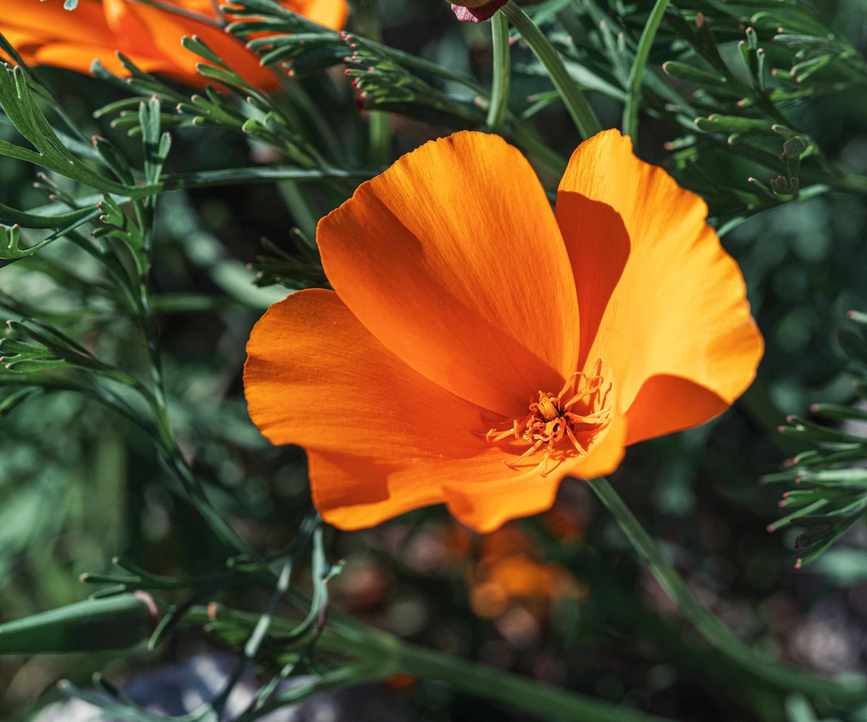
California poppy (Eschscholtzia): Sun-loving annuals with finely cut foliage and vibrant flowers in both bright and pastel shades. Zone 8. You can find California poppy seeds at True Leaf Market.
Blue porterweed (Stachytarpheta jamaicensis): Known for attracting butterflies, its lovely blue flowers open for just a day, yet new buds continually bloom. Zone 10.
Also consider: Bromeliads (Bromeliad family), St. Andrew's cross (Hypericum hypericoides), Yellow trumpet flower (Tecoma stans).
Annuals
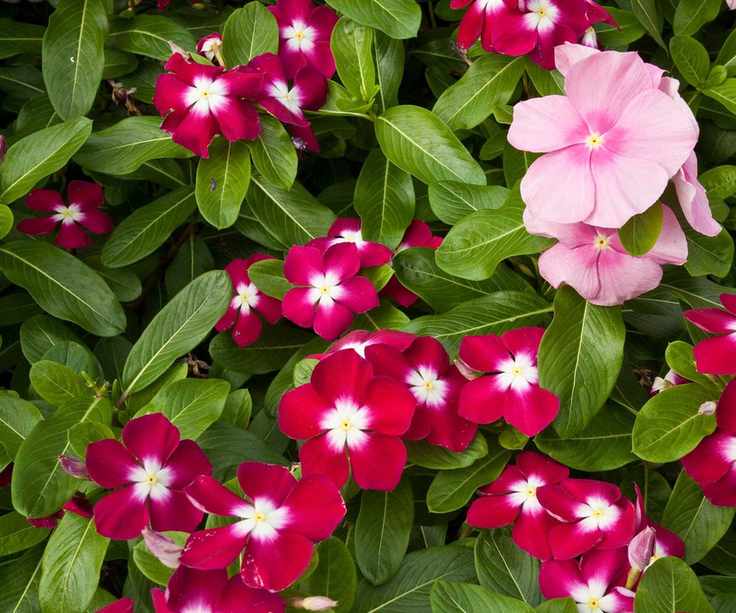
Impatiens (Impatiens): Ranging from colorful varieties of Impatiens walleriana to lustrous New Guinea types, be cautious of those that may spread too quickly. Keep moist. Zone 11.
African daisy (Gazania): Features large, fiery flowers amid slender, dark green or gray foliage. Thrives best in dry environments. Zone 10.
Petunia (Petunia): Known for its prolific blooms and vibrant colors, some varieties showcase extraordinary bicolored patterns. Zone 11.
Also consider: Million bells (Calibrachoa), Coleus (Coleus), Star of the Veldt (Osteospermum).
Vegetables
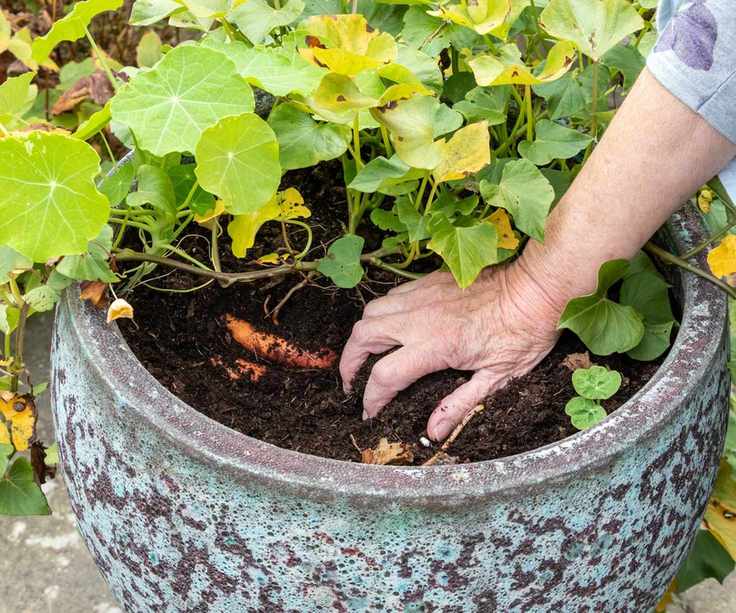
Lettuce: Grows as a cut-and-come-again crop, allowing for repeated harvests by cutting with scissors. Zone 10.
Sweet potato: Simple to cultivate, though its sprawling vines take up ample space. The roots store well post-harvest, and some varieties have attractive foliage. Zone 10.
Squashes: Includes summer varieties like zucchini, pattypan, crookneck, and luffa, all harvested at a young stage with tender skin, plus pumpkins. Zone 10.
Also consider: Chilies, cucumbers, and eggplant.
Fruits
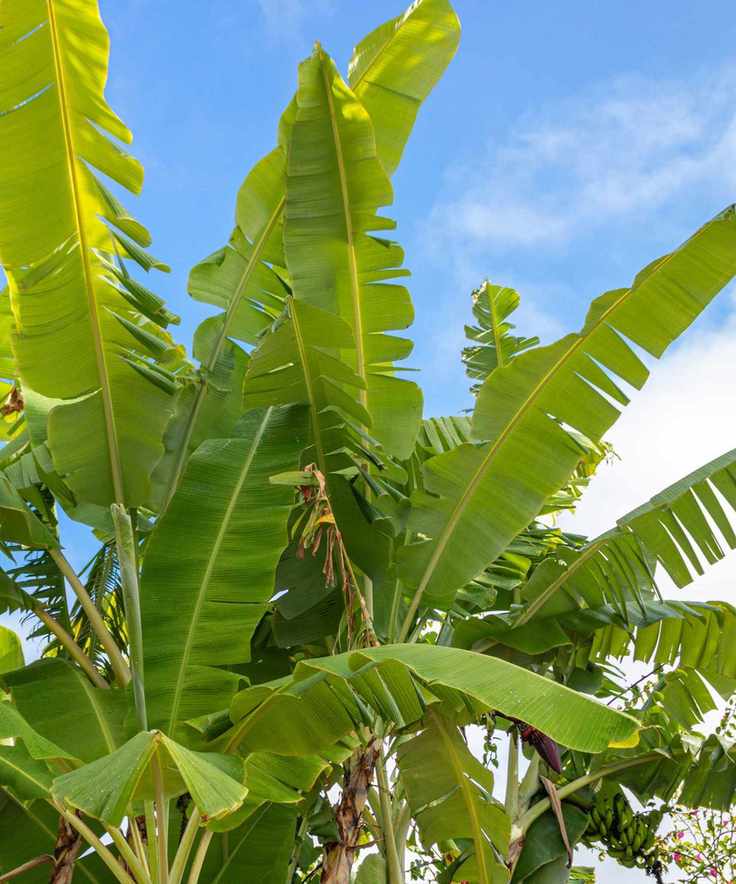
Bananas: Yield abundantly once established, thriving best in sheltered areas to protect their large leaves from storms. The 'Cavendish Dwarf' variety is perfect for smaller spaces. Zone 10.
Dragon Fruit: Resembles kiwi but is actually a cactus fruit; unlike most cacti, it requires moisture. Nutrient-rich and low in calories. Zone 10.
Papaya: Produces fruit similar to mango, growing directly on the trunk. Requires either a bisexual plant or both male and female plants. Zone 10.
Also consider: Custard apple, mango, and pineapple.
Explore more tropical garden ideas and discover tropical plants in our specialized guides.