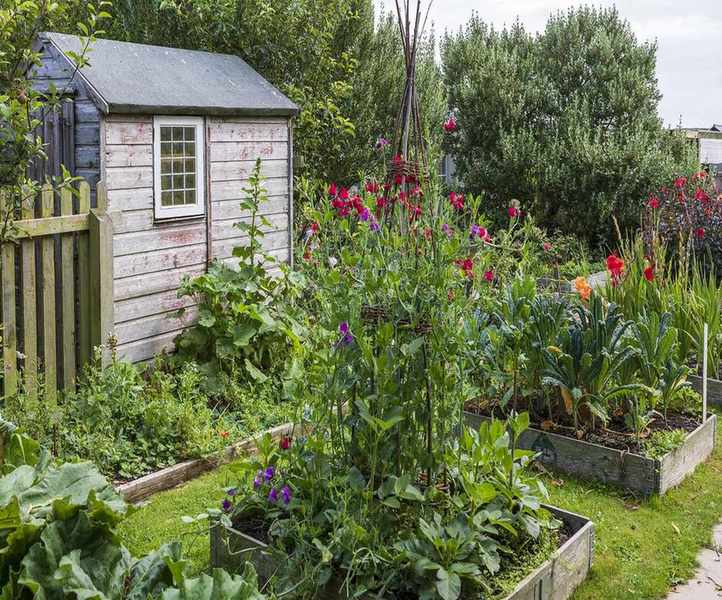
Curious about the right soil for a raised garden bed? While plant selection is important, the soil you choose plays a crucial role in the success of your garden. Prioritizing soil quality can greatly enhance your garden's health.
So, what should fill your raised bed? Here are the natural options that gardening professionals recommend.
Recommended Soil for Raised Garden Beds
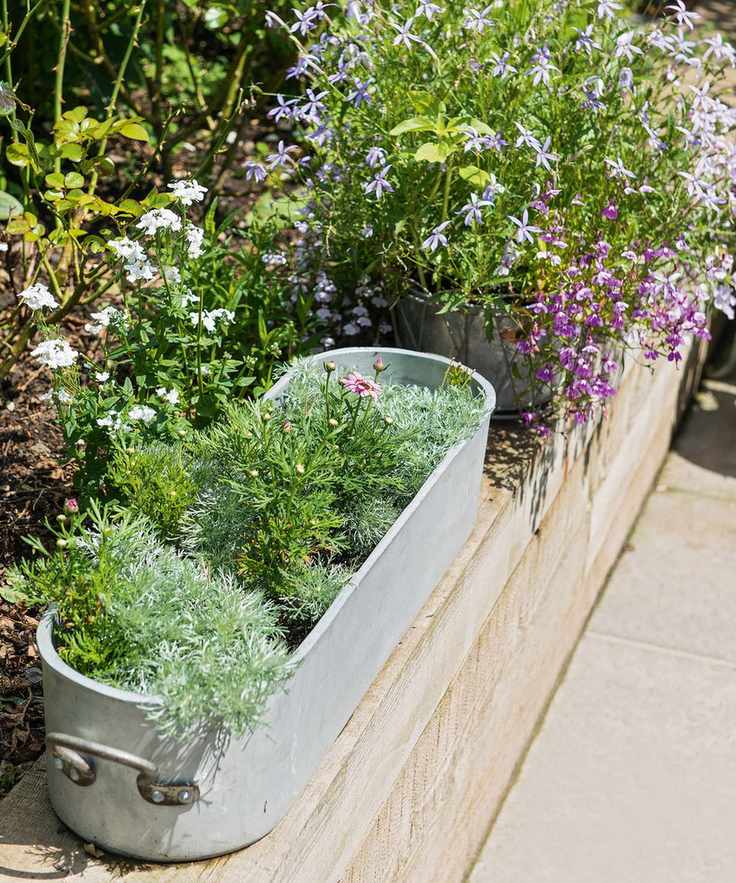
Garden expert Rachel Crow advises against using soil from your yard or typical garden beds. Such soil can be too compact for raised beds or containers. 'For containers, I prefer specialized potting soil, like this one from Amazon, ideal for lightweight filling in raised plots.' For raised beds, however, an ancient technique called Hugelkultur is recommended, utilizing organic matter and natural resources.
Implementing the Hugelkultur Method
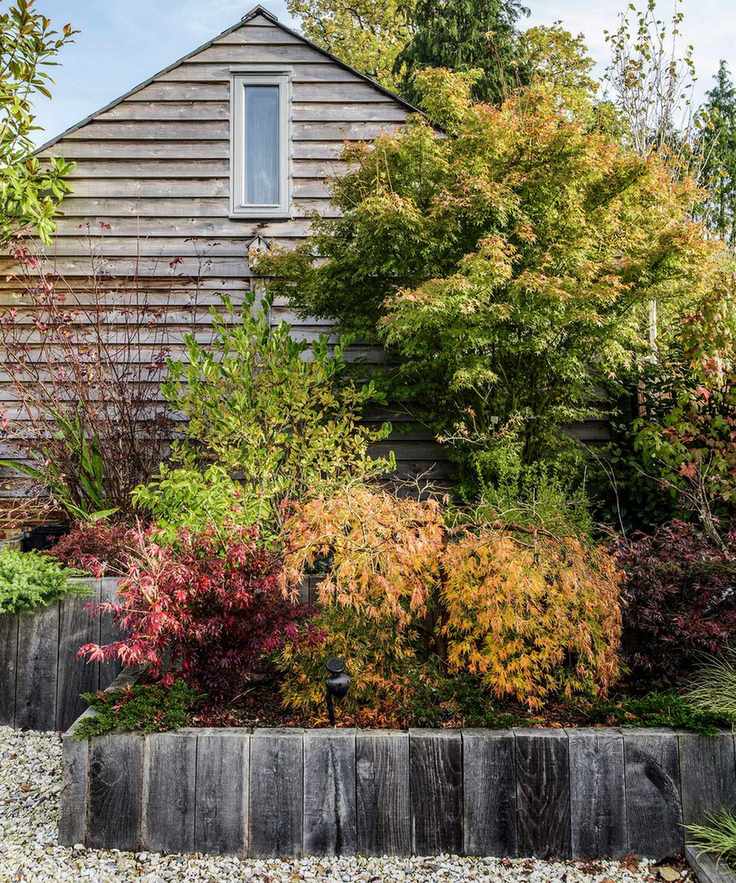
Hugelkultur is a traditional gardening method that layers organic materials to facilitate decomposition and provide nutrients to plants. Expert John D. Thomas from Backyard Garden Geek advocates for using this method in your raised garden projects, claiming it's a straightforward and sustainable approach. So, what's the process?
1. Gather Organic Materials
'Instead of packing your raised bed with soil alone, start by placing various natural materials at the bottom,' John suggests. Use items like logs, branches, leaves, grass clippings, or kitchen scraps. 'Ensure you leave at least 6 inches of space for soil, which you'll add after filling the bottom,' he explains.
'As time passes, the materials will break down, enriching the soil with minerals and nutrients, while attracting beneficial earthworms and insects.'
2. Fill Your Raised Bed with Soil
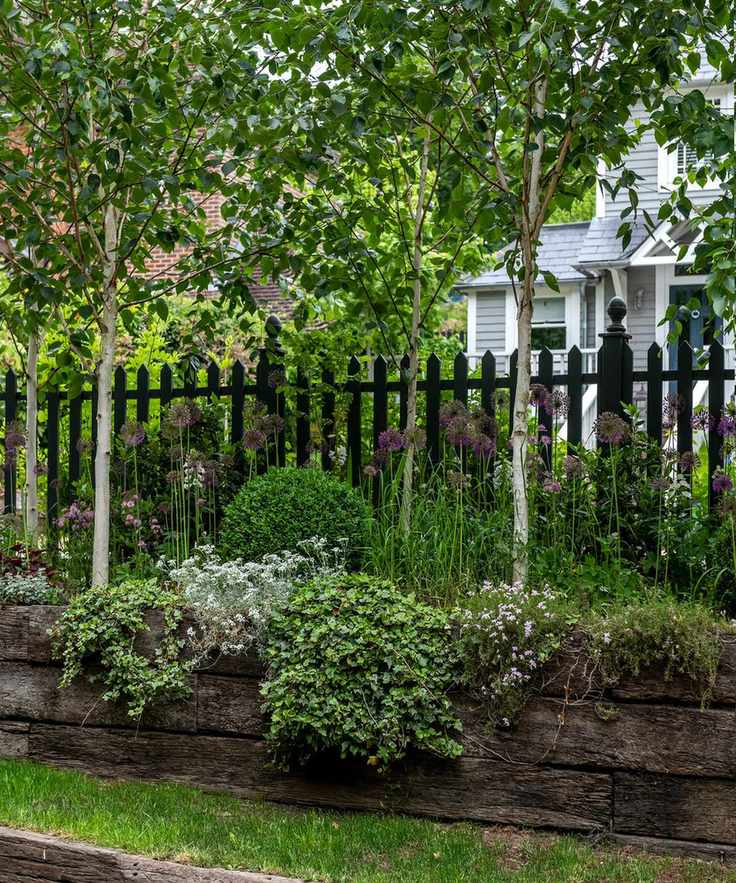
After preparing the base with organic matter, it's time to add soil. Opt for soil specifically designed for vegetable gardening to boost your plants' growth.
'For smaller raised beds, purchase 2-3 bags of quality potting soil and 1-2 bags of compost. Mix them well to cover the organic materials completely,' John advises.
3. Select Plants Wisely
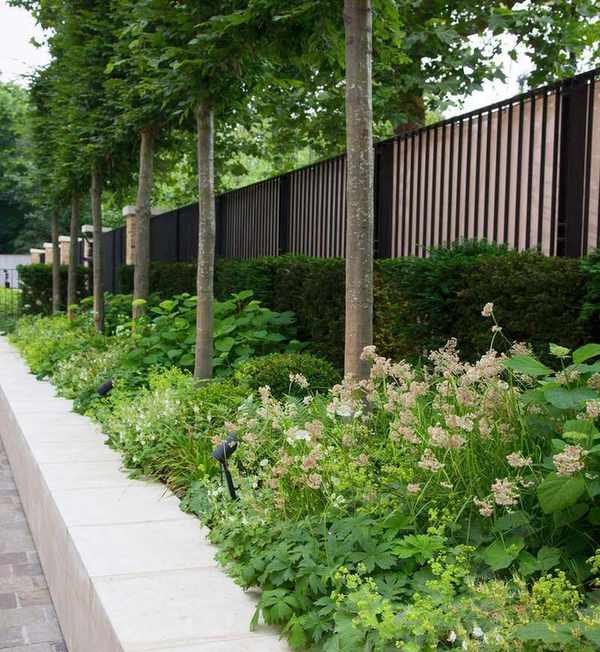
When using the Hugelkultur method, the order in which you plant matters. 'In the first year, opt for plants with shallow roots since they will have limited growing space,' John notes.
After the initial year, much of the bottom material will have decomposed, creating more room for diverse plants. 'As the bed settles, simply add soil on top and keep gardening,' he adds.
Best Soil Mix for Raised Garden Beds
The Hugelkultur approach enhances the health of your raised garden bed. Rachel also recommends a mix of 60% topsoil, 30% compost, and 10% potting soil. Potting soil, a blend of peat moss and perlite, supports the garden's overall health.
Can Regular Soil Be Used for Raised Garden Beds?
Theoretically, yes, but it's wiser to choose specialized alternatives like potting soil, regardless of whether you utilize the Hugelkultur technique. This type of soil retains moisture, delivering nutrients to the roots and fostering healthy growth throughout the season.