
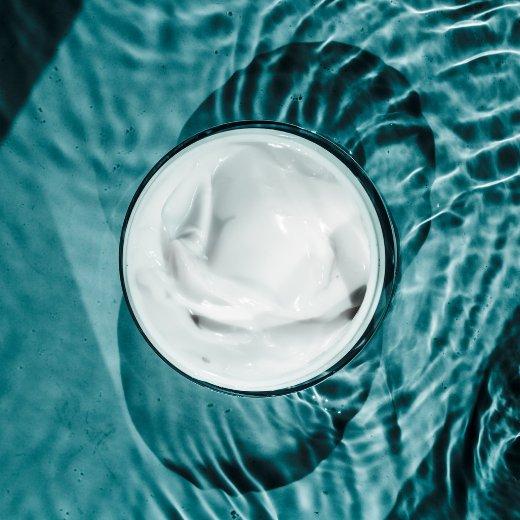
Moisturizer is a vital component of any skincare routine. It helps maintain skin comfort and contributes to a youthful, radiant appearance. However, the real challenge lies in selecting the ideal moisturizer tailored to your skin's unique needs.
Everyone seems to have their favorite product, but since skin types vary widely, what works for one may not work for another. To help you find your perfect match in the vast sea of moisturizers, consider these essential tips.
Identify Your Skin Type
Most moisturizers indicate the skin types they're suitable for—oily, dry, or combination skin, for example. Understanding your skin type can significantly narrow your options.
A simple way to determine your skin type is to use blotting papers. After cleansing, wait half an hour without applying any other products. Then, blot different areas of your face to check for oil.
If you notice excess oil across most areas, your skin is oily. Little to no oil suggests dry skin. A moderate amount indicates normal or balanced skin, while oil in some areas but not others points to combination skin.
It's also wise to assess whether your skin is sensitive. If your skin often appears red or inflamed, you likely have sensitive skin and should seek out products designed for this condition.
For a simpler approach, look for moisturizers labeled safe for all skin types.
Start with Brands You Trust
Different skincare brands often cater to various skin concerns and types. You may not know which brands suit your needs until you try them.
If you've had success with a particular product, like a cleanser or serum, it's likely that the brand's moisturizers will also be compatible with your skin.
Document Your Trials
Finding the right moisturizer often involves some experimentation. It's essential to track your experiences as you go.
Whenever you try a new moisturizer, photograph the ingredients and note its pros and cons. Look for trends over time. You may discover that certain ingredients consistently hydrate your skin well, while others may irritate or clog pores. Recognizing these patterns will help you make informed choices in the future.
Incorporate Sun Protection
Sun protection is crucial for skin health and should be part of your daily routine. Opt for a moisturizer that includes SPF to simplify your regimen.
In some instances, the SPF in your moisturizer may be sufficient to replace your usual sunscreen. In other cases, it can provide additional protection. Either way, it's a valuable feature to seek out.
Consider Acne-Prone Skin
Certain heavy moisturizers designed for dry skin can clog pores. While this may be fine for most, it can lead to breakouts for those prone to acne.
If you frequently experience blemishes, consult with a dermatologist to determine if you have acne-prone skin. If so, choose moisturizers labeled non-comedogenic or specifically formulated for acne-prone skin.
Look for Extra Benefits
A high-quality moisturizer not only hydrates but also enhances your skin's overall health and appearance. Consider what additional benefits you desire—perhaps a youthful glow or an even skin tone. Fortunately, some moisturizers offer combined hydration and targeted skin benefits. For example, an anti-aging moisturizer might be just what you need.
Finding Your Perfect Moisturizer
The search for the right moisturizer should not be taken lightly. While a subpar moisturizer may not harm your skin, it could prevent you from achieving optimal results and may cause irritation. Use these tips to discover your ideal moisturizer.