Sunscreen is your skin's best friend, shielding it from harmful UV rays while helping you enjoy sunny days worry-free. With so many choices available, you might ask: "Which SPF is best for me?" Don't fret; we're here to help you discover your ideal SPF.
Understanding SPF: What It Represents
Let's break down SPF, or Sun Protection Factor. This term measures how effectively a sunscreen shields your skin from UVB rays, which lead to sunburn and can increase the risk of skin cancer. The SPF number indicates how much longer your skin can stay in the sun without burning compared to not using sunscreen. For example, if you typically burn after 10 minutes, an SPF 30 could protect you for roughly 300 minutes. However, the effectiveness isn't just about the number; factors like sweating, swimming, and application amount play a significant role. Knowing your skin's needs and sun exposure is key to choosing the right SPF.
Skin Type and SPF: Finding Your Perfect Match
Your skin type greatly influences your SPF choice. Fair-skinned individuals who burn easily should opt for higher SPFs, such as 50 or even 70, for better protection during outdoor activities. Conversely, those with medium to dark skin may find SPF 15 or 30 sufficient, but remember, even darker skin can suffer from sun damage, so sunscreen is still a must.
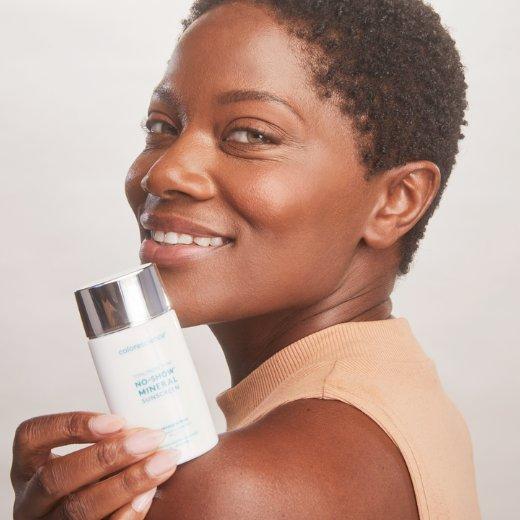
If your skin is sensitive, look for mineral-based sunscreens containing ingredients like zinc oxide or titanium dioxide, which are gentler and provide effective protection, like the Colorescience Total Protection™ No-Show™ Mineral Sunscreen SPF 50. These physical sunscreens reflect UV rays, minimizing irritation for those prone to redness.
Why SPF 30 Is Often Recommended
You may wonder why SPF 30 is frequently recommended by dermatologists. The answer is straightforward: it provides strong protection while remaining lightweight. SPF 30 blocks about 97% of UVB rays, making it a reliable choice. Although higher SPFs, like 50 or 100, offer slightly better protection—around 98 to 99%—the difference is minimal. Moreover, higher SPFs can create a false sense of security, leading to prolonged sun exposure without reapplication, which is not advisable.
If you're uncertain where to begin, SPF 30 is a solid option. This balance works well for most skin types and everyday activities, whether you're running errands or lounging by the pool. The Murad Age-Balancing Moisture Broad Spectrum SPF 30, which also provides anti-aging benefits, is an excellent starting point.
Tailoring Your SPF to Your Lifestyle
Now that we've discussed the basics, let's consider how your lifestyle affects your SPF selection. Are you an adventurer who enjoys hiking, swimming, or sports? Opt for a water-resistant, broad-spectrum SPF 50 that withstands sweat and water. Remember to reapply every two hours, particularly after swimming or toweling off.
If you primarily stay indoors or only get sun exposure during your commute, an SPF 15 or 30 in your daily moisturizer may suffice. It's lightweight and perfect for incidental sun exposure—like rays filtering through office windows or during a quick coffee run. For beach days or park picnics, choose an SPF 50 for extra protection, especially since the sun is strongest between 10 a.m. and 4 p.m.
Year-Round Sunscreen Use
A common misconception is that sunscreen is only necessary on sunny days. In truth, UV rays can penetrate clouds and reflect off surfaces like snow and water. Thus, maintaining a good SPF routine throughout the year is crucial for healthy, youthful skin.
Selecting the right SPF involves understanding your skin type, lifestyle, and expected sun exposure. Whether you grab SPF 15 for a quick outing, SPF 30 for daily errands, or SPF 50 for a sun-soaked day, the key is consistent and correct application. Generously apply and reapply often to keep your skin radiant and healthy.
Looking for more skincare tips? Check out the best ingredients for toners.