

If maintaining real plants isn't your strength, switching to faux greenery can be a delightful choice. But how do you keep your fake plants clean?
Fake plants, like their real counterparts, gather dust. Keeping them clean not only enhances their look but also extends their lifespan, making them a beautiful addition to your home.
From a silk fern by the door to a vibrant plastic monstera in the bathroom, faux plants bring nature indoors without the upkeep. Here are some expert cleaning techniques.
Expert Tips for Cleaning Faux Plants
Fortunately, cleaning artificial plants is simple. With the right approach, you can maintain their vibrant look throughout the year without much effort.
Before you start, identify the materials your faux plants are made from. This knowledge is crucial for selecting the best cleaning method that won't harm them.
1. Routine Dusting
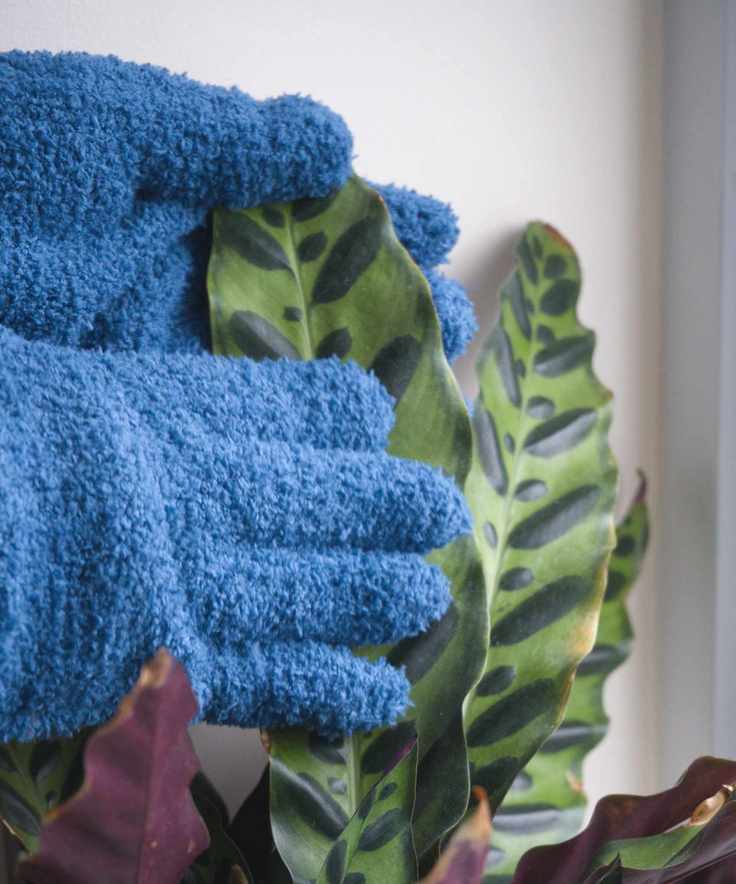
Dusting gloves from Amazon make it quick and easy to clean your faux foliage.
Regular dusting is vital for maintaining faux plants. Unlike real plants, which can help reduce dust, artificial varieties can collect it in their leaves, stems, and crevices. A brief weekly dusting can significantly improve their appearance.
Use a microfiber cloth or an electrostatic cloth from Amazon to keep dust from flying around and triggering allergies.
'Start at the top and gently brush off each leaf to avoid redistributing dust,' suggests an indoor plant expert. 'For intricate foliage, a clean makeup brush can be very effective.'
Consistency is essential. Incorporating this step into your weekly cleaning routine will prevent challenging buildup later. Plus, a well-dusted faux plant looks more vibrant and realistic.
2. Vinegar and Water Solution

A 50/50 vinegar and water solution is gentle yet effective for cleaning faux plants.
For fabric-based plants, including silk, a deeper clean is necessary. A straightforward mix of white vinegar and water serves as a non-toxic cleaner that effectively tackles grime without harming synthetic materials.
To create the cleaning solution, combine equal parts distilled white vinegar and lukewarm water in a spray bottle. Amber glass spray bottles from Walmart are ideal for this.
Lightly spray the leaves and stems, then wipe them down with a clean, lint-free cloth from Amazon. Wipe in downward motions to avoid pushing dirt further into the material.
For silk plants, test a small hidden area first, as vinegar can sometimes cause fading. For tougher spots, a soft toothbrush dipped in the solution can help scrub away residue.
Be careful not to soak your plants or let the solution pool at the base, especially if they're glued into a decorative pot.
3. Hair Dryer or Compressed Air
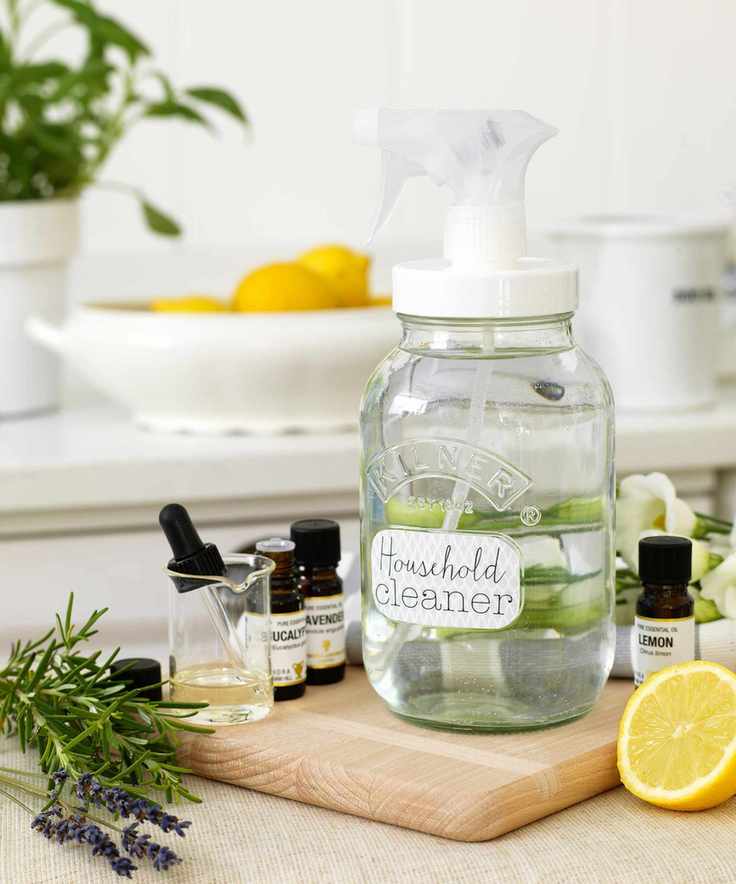
Using compressed air or a hairdryer can help remove dust from faux plants effectively.
If your faux plants have intricate designs, consider using a hairdryer or compressed air from Walmart instead of cloths for dusting.
'Set your hairdryer to the cool setting and gently blow away dust,' advises a cleaning expert. Maintain a safe distance to prevent burning delicate faux leaves. For extra fragile items, compressed air is a better option.
Use short bursts of air to avoid damaging glued components or blowing over the plant.
4. Vacuum Your Faux Plants
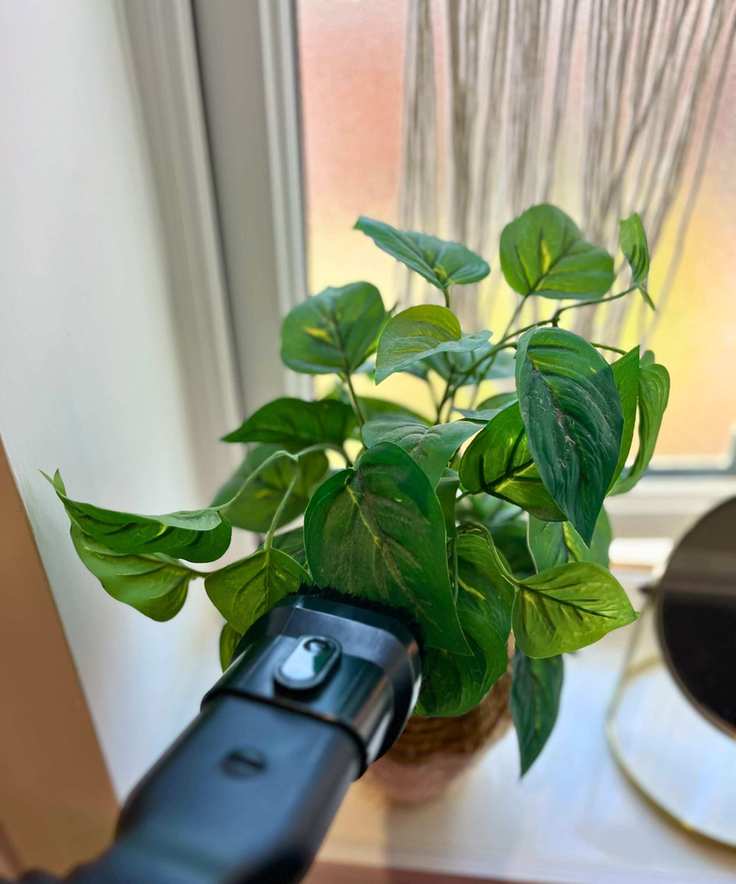
Using a handheld vacuum with a soft brush attachment is an efficient way to clean artificial plants.
A handheld vacuum can quickly clean larger faux plants. Most models come with a soft brush attachment, making them ideal for delicate surfaces.
'Use the lowest suction setting to avoid damaging the faux leaves,' recommends a cleaning expert. Work from top to bottom to ensure dust settles on areas below.
This method is especially useful for plants in high-traffic areas, like entryways or kitchens. For extra care, cover the vacuum attachment with mesh or thin fabric to reduce suction while still collecting dust.
Utilizing dryer sheets can also help attract dust due to static cling.
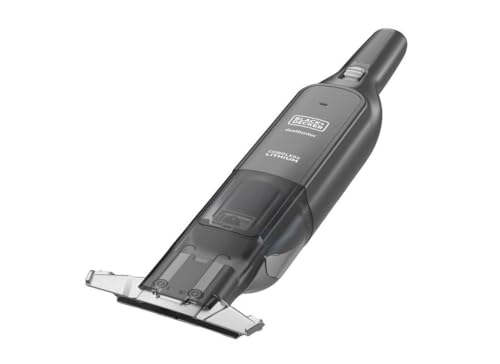 Our favorite budget-friendly handheld vacuum
This model has a 14-minute run time and is great for clearing out dust, making it perfect for your faux ferns without excessive suction. Read our review.
Pros
- Good suction on hard surfaces
- Sleek design
- Easy to empty
- Convenient charging station
Cons
- Poor performance on carpets
- Not HEPA-certified
- Filter may clog easily
5. Use Warm Water and Dish Soap
Sometimes, warm water and dish soap are unbeatable. This classic combo works wonders for cleaning faux plants without harsh chemicals.
Run a microfiber cloth from Target under warm water and add a small amount of dish soap, like the Dawn from Walmart. Wipe down your faux plants, including the leaves, stems, and flowers, to remove any sticky residue.
If you have hard plastic plants, submerge them in a bowl of warm soapy water for deeper cleaning. Let them soak for 5-10 minutes, rinse with cold water, and allow them to dry completely before returning them to their vase.
This method is not recommended for delicate silk plants.
Frequently Asked Questions
How Can I Keep My Faux Plants Clean?
While there's no foolproof way to prevent dirt from settling on faux plants, you can minimize buildup by rotating them occasionally. This reduces the likelihood of dust collecting and helps prevent fading from sunlight exposure.
Faux plants are beautiful and low-maintenance, provided you clean them regularly. With proper care, they can last up to thirty years.