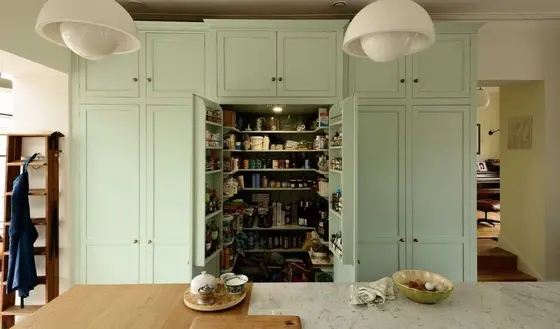
Taking care of stone floors ensures they last for generations. Knowing how to properly clean these surfaces will help prevent damage and staining.
Whether you're caring for a historic flagstone floor or a newly installed stone surface, understanding the right cleaning methods and products is crucial, along with essential cleaning advice for stone floors.
A consistent and gentle cleaning routine minimizes the risk of stains and dust particles causing harm to your floor's surface.
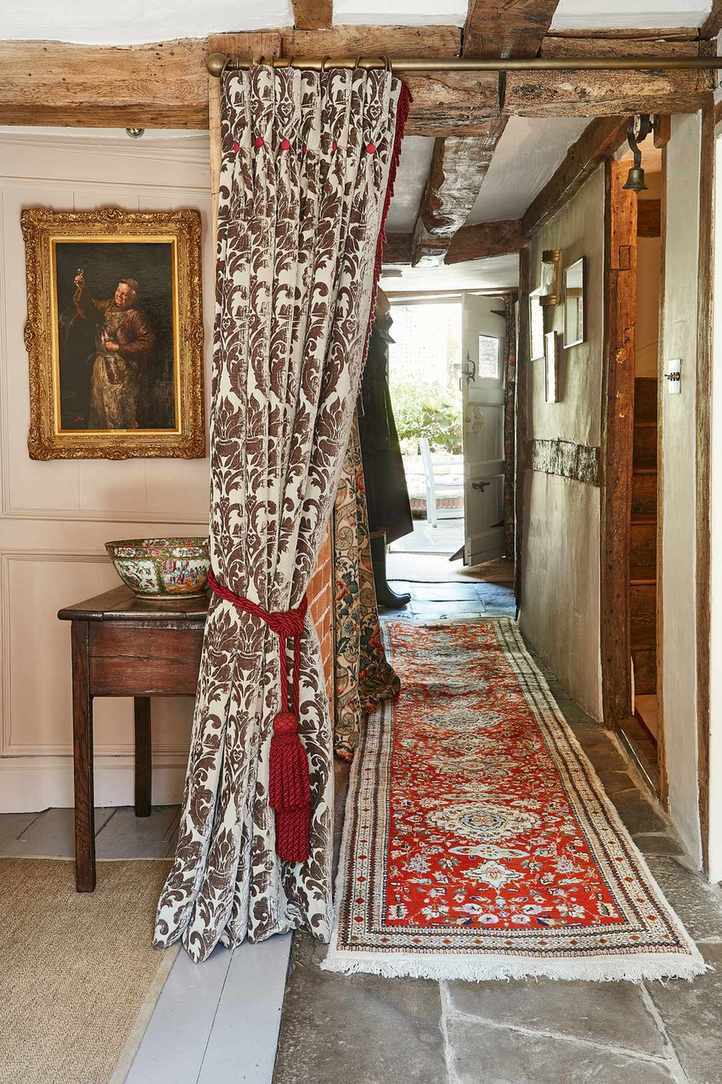
Before you begin, Roger Hunt, author of Old House Handbook, advises caution. 'Consider the age of your stone floor carefully. While they can crack and become uneven, the beauty of their age adds unique character. Improper cleaning or lifting can erase these qualities.'
Preparing Stone Floors for Cleaning
Start by dry cleaning the stone surface to eliminate any dust or grit. Most stone types can be brushed gently with a soft brush or vacuumed using the appropriate hard floor attachment.
Ensure your vacuum is in good shape, with no risk of damaging the floor through worn attachments. Experts recommend against vacuuming dark stones or slate, as scratches are more noticeable, and damaged vacuum heads can harm the surface.
Once dust and grit are cleared, you can proceed with deeper cleaning.
Cleaning Old Stone Floors
If you have an older stone floor, Bryan Williamson from a restoration firm shares key advice: 'Avoid excessive cleaning, as it can compromise the natural patina that gives the floor its charm. If needed, use a non-acidic cleaner like washing soda with a soft brush or mop, and ensure the floor isn't soaked.'
Before cleaning, always test on a small, inconspicuous area. Be especially cautious with marble, which can easily stain and be harmed by water. Sweep away salt deposits without using moisture.
Preventive measures are key for older stone floors. Use strategies similar to those for hardwood floors and encaustic tiles. 'Position doormats at entryways to capture dirt and shake them out regularly. Place pads beneath metal items to avoid rust stains,' he advises.
Roger Hunt offers practical tips for maintaining both old and new stone floors, which also apply to tile flooring:
- Promptly wipe up spills.
- Carefully address any marks or stains.
- Regularly sweep the floor.
Cleaning Sealed Stone Floors
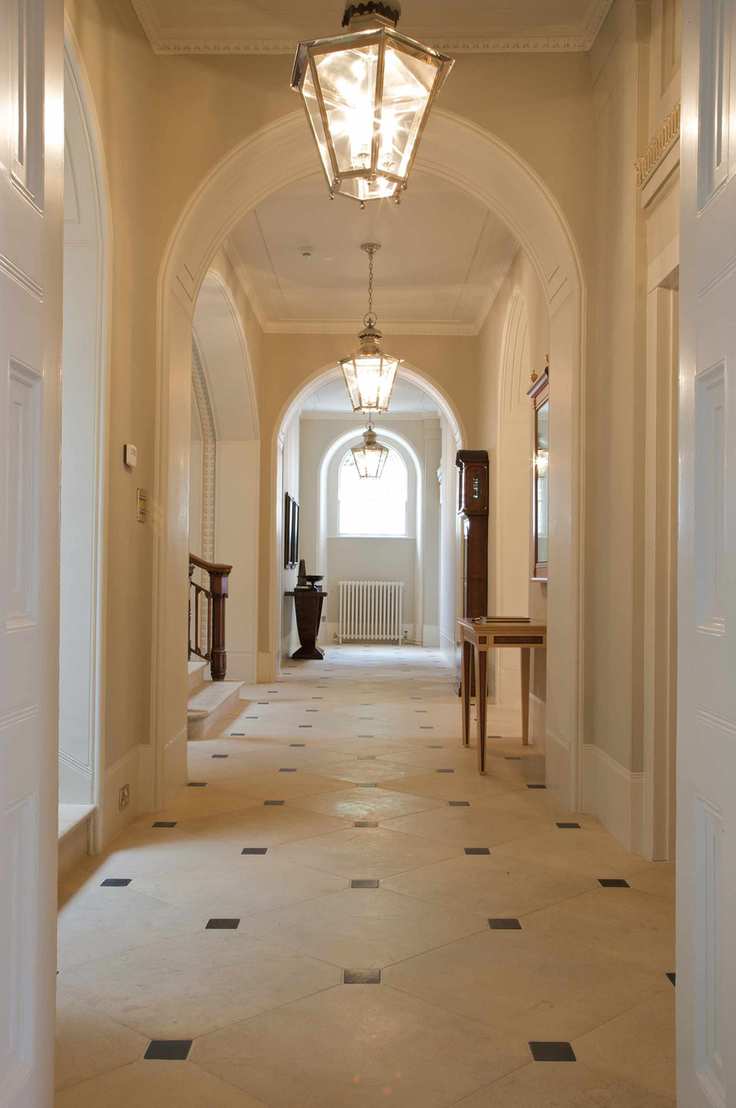
According to Colin Roby-Welford, creative director at a flooring retailer, 'Maintaining a sealed stone floor involves regular sweeping or vacuuming to remove surface dirt. You can then wash it with a product designed specifically for stone, which is gentle on sealants.'
Avoid generic cleaning products and scrubbing brushes, as these can be too harsh and damage sealants. Acting quickly on spills eliminates the need for scrubbing since the sealant protects the tiles.
Every few years, you should re-seal your stone floor for optimal stain protection. A simple water test can indicate if re-sealing is due: if the water beads up, the seal is intact; if it seeps in, it's time for re-sealing.
Removing Grease and Dirt from Stone Floors
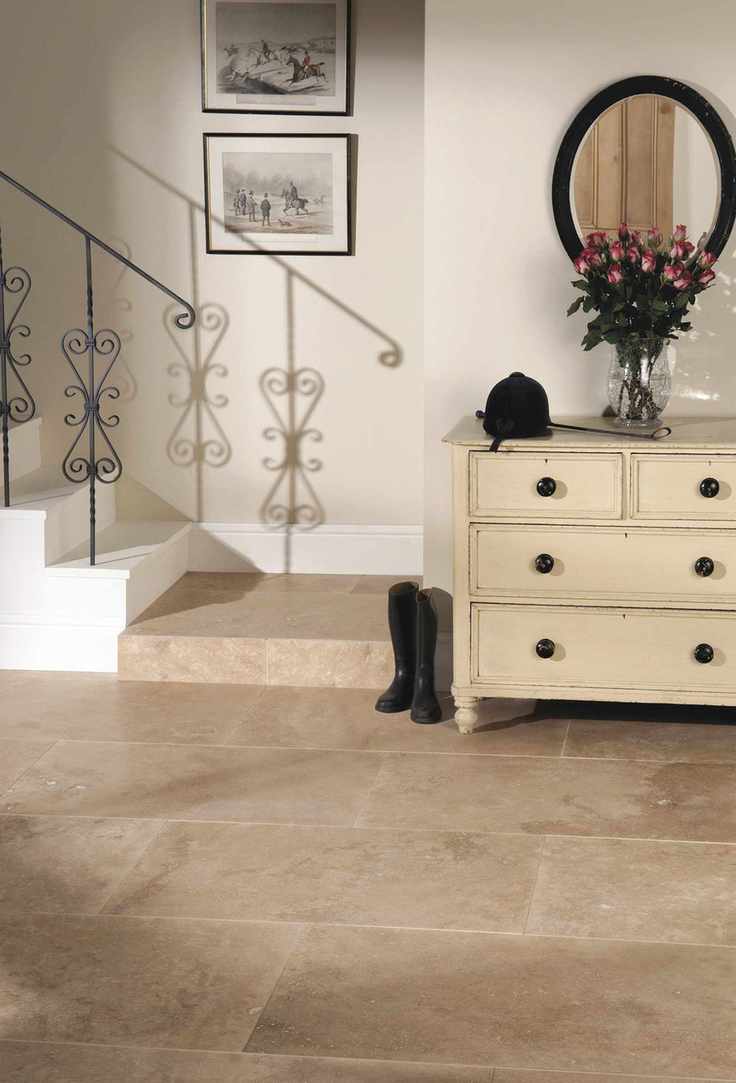
Mike Morris from a floor care brand advises against using generic cleaners for stubborn dirt and grease. Instead, select a specialist, water-based cleaner suitable for sealed or unsealed stone.
Mix with warm water as directed by the manufacturer. A mop or sponge can be used, applying more pressure on particularly dirty spots.
Let the cleaner sit for 10-15 minutes, then rinse thoroughly with clean, warm water and allow it to dry completely.
Stain Removal on Stone Floors
When addressing stains on stone floors, first consult your flooring supplier for product-specific recommendations.
'For tough stains,' says Morris, 'select a dedicated stone cleaner and apply it directly to the stain. Allow it to work for about 15 minutes, then scrub with a brush and rinse with warm water to ensure it dries properly.'
Specialty products like Liberon's Stone Floor Cleaner are suitable for both sealed and unsealed stone floors.
What Not to Do When Cleaning Natural Stone Floors
Follow these guidelines to protect your natural stone flooring:
Avoid proprietary floor cleaners or soaps. Stay clear of anything alkaline or acidic. Use a specially formulated cleaner designed for natural stone that cleans and preserves the protective sealant.
Limit mopping to once or twice weekly, and when you do mop, avoid flooding the floor. Regular sweeping is essential.
Use cotton string mops that can be wrung out well for a near-dry clean. Microfiber mops are even better. Using excessive water is detrimental to natural materials.
Do not use soap solutions, as these leave an undesirable film that accumulates over time.
Over-mopping and using too much water are the leading causes of dirty, stained floors. Use the mop sparingly, reserving it for once a week.
For dark stones and slate, be mindful that scratches are more visible, and worn vacuum heads can cause significant damage.
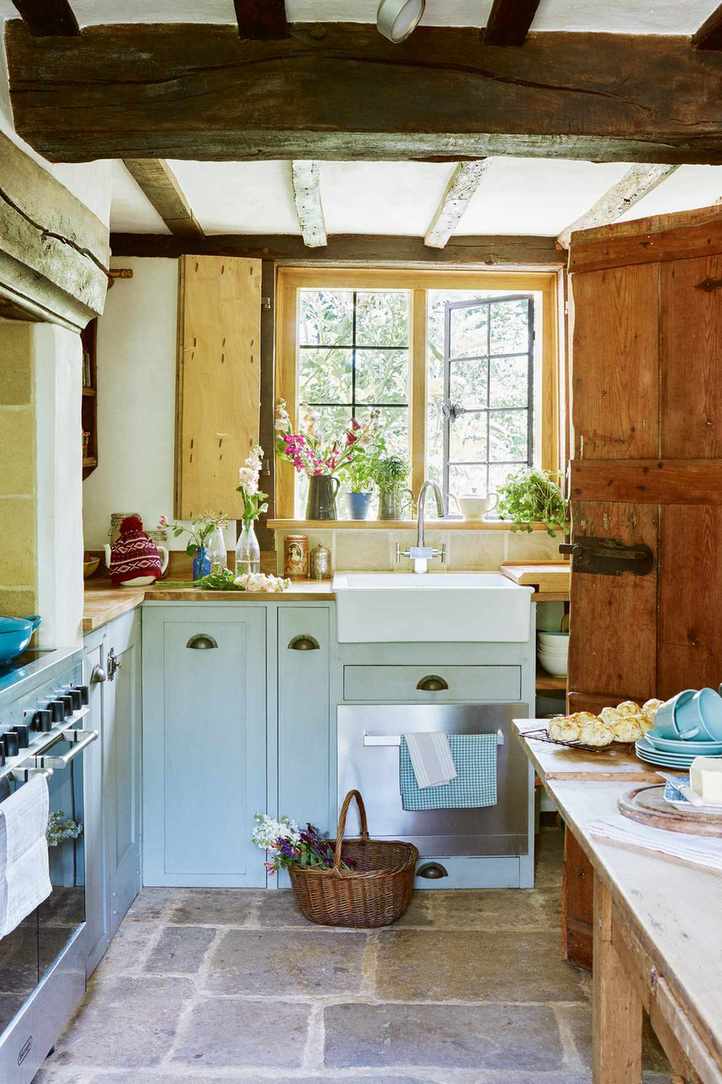
Is Vinegar Safe for Cleaning Stone Floors?
While vinegar and lemon juice are popular natural cleaners, they should not be used on stone floors. Their acidity can harm the stone surface and dull its finish.
If you prefer natural options, milk can be surprisingly effective for cleaning stone floors. Architect Neil Mackay cleaned the ancient flagstones in his cottage with skimmed milk.
'The casein in milk acts as a mild binder on the flagstones, giving them a subtle polish while reducing dust,' he explains. This method works best on smooth stones.
'I first washed the floors with warm water and a stiff brush, then scrubbed them with milk and let it dry. Initially, it has a milky scent, but this fades quickly.'
According to The Society for the Protection of Ancient Buildings (SPAB), using sour milk applied sparingly can enhance the sheen and protection on fine-grained stone with a developed patina. However, avoid using milk on absorbent or damp stones as it may cause staining. Always check with your flooring provider and test on a small area first.
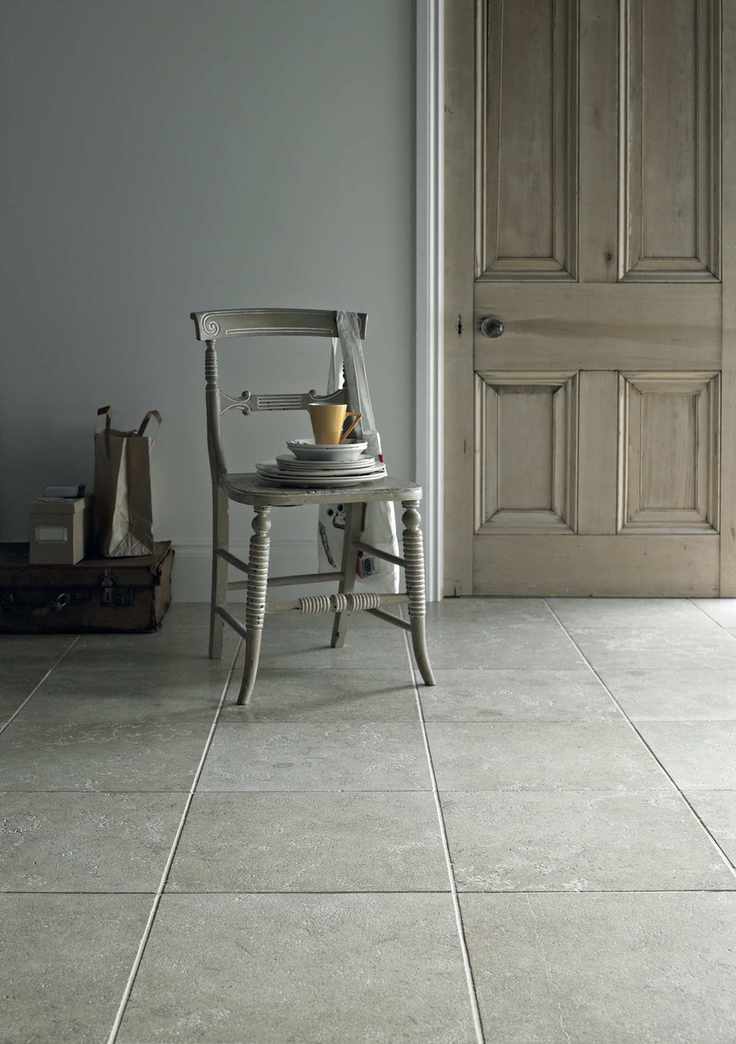
Is Sealing Necessary for Stone Floors?
Protecting stone is crucial, especially in high-traffic or humid areas.
When working with new stone, Morris recommends applying a stone floor sealer after cleaning to safeguard against water and stains. A specialized wax or protective coating is ideal for areas with high foot traffic.
Colin Roby-Welford concurs that sealing is vital for maintaining the appearance of stone floors. 'Natural stone is porous, so sealing prevents stains and keeps it looking beautiful for years.'
With proper sealing, spills won't penetrate the surface and can be wiped away easily.
Simplifying Stone Floor Care
Selecting durable stone flooring in darker or natural shades is wise for busy areas like kitchens and entryways, unless you're ready to maintain lighter stones. Colin Roby-Welford advises being realistic about your cleaning commitment when choosing flooring.
While white marble may be stunning for kitchen designs, it requires immediate cleaning to maintain its appearance. Conversely, that same marble could be ideal for spa-like bathroom designs.
We hope you find this advice helpful.