A dishwasher is designed to clean, but it requires regular maintenance to function properly. Like any appliance, it can accumulate food particles, soap residue, and minerals that may hinder its performance.
If neglected, these issues can lead to blockages and unpleasant odors. Here, we share expert tips on maintaining your dishwasher to ensure it remains effective and extends its lifespan.
Steps for Cleaning Your Dishwasher
To keep your dishwasher in top shape, plan to clean it about once a month. This frequency can vary based on usage and the types of dishes loaded. Remember, how you load it can impact its efficiency.
After each use, empty any food debris from the filter located at the bottom of the appliance. Wipe the door and rubber seals weekly, and perform a thorough clean monthly, especially if you notice a decline in cleaning power.
Before starting a deep clean, gather the following supplies:
- Warm water
- Dish soap, such as Dawn
- Distilled white vinegar
- Baking soda
- A dishwasher cleaner, like Finish
- A scrubbing brush or an old toothbrush
- A clean cloth
- Rubber gloves for handling wet debris
1. Clean the Filter and Racks
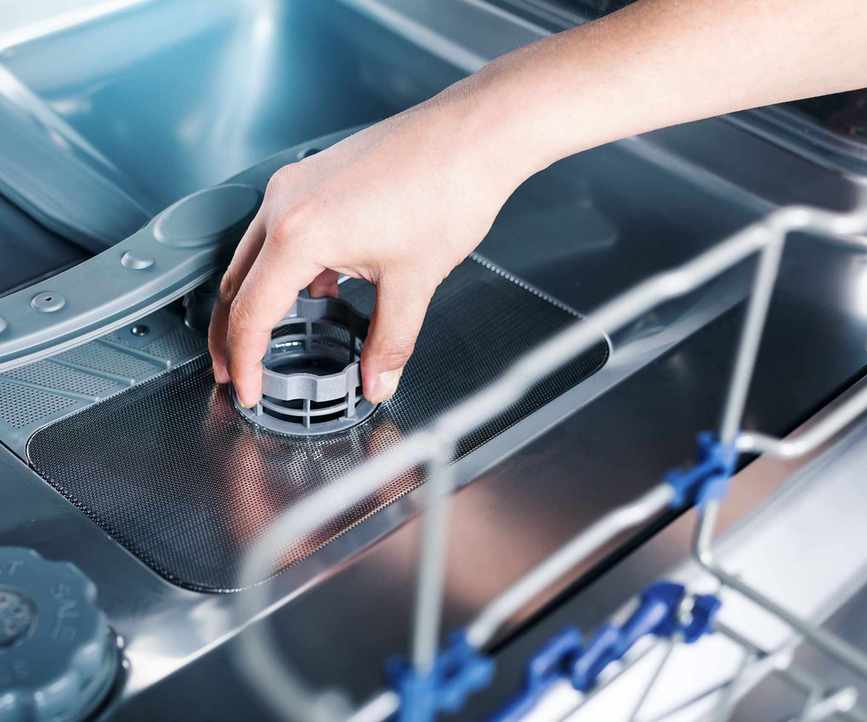
Start by taking out the empty racks and utensil holder, then remove the filter to clean it. Regularly cleaning the filter is vital as it collects food particles that can cause odors and decrease the dishwasher's efficiency.
To clean the filter, locate it at the bottom of the machine. Remove it and rinse under running water to eliminate debris. A soft brush or toothbrush can help scrub off any stubborn residue. Rinse again and replace it.
If odors persist, a bit of dish soap can help, but avoid harsh chemicals that may damage the filter.
2. Clear Debris from the Unit
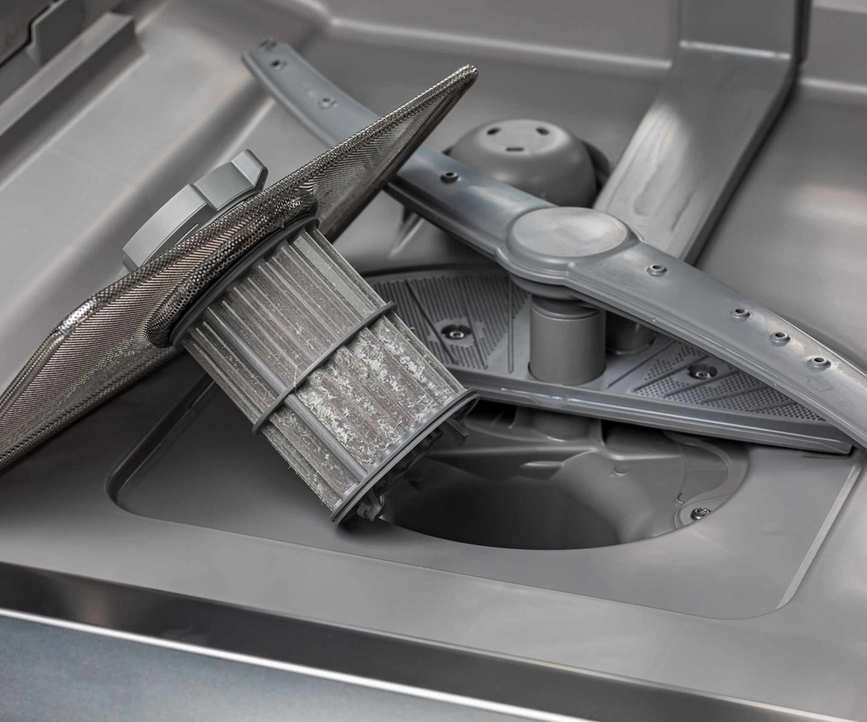
With the racks removed, take a moment to wipe down the interior with a microfiber cloth dampened with a mix of warm water and white vinegar. This will help eliminate stuck food particles and neutralize any odors.
3. Scrub the Spray Arms
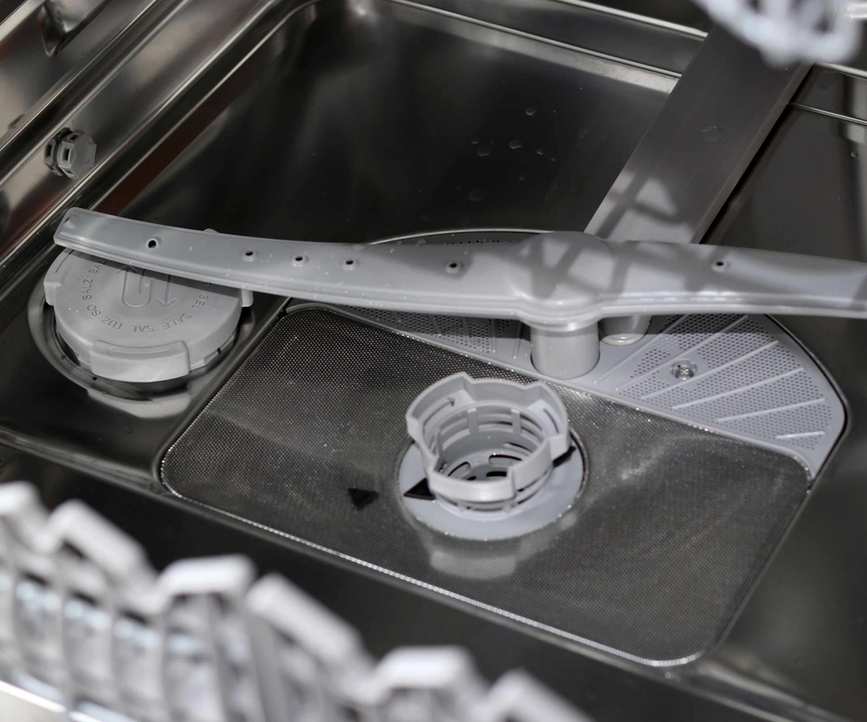
Next, clean the spray arms. If you have hard water, mineral deposits can clog the spray holes. Remove the arms as directed by the manufacturer, and scrub them with a soft brush. For tough deposits, consider soaking them in vinegar to dissolve the buildup.
Rinse thoroughly before reattaching them.
4. Wipe the Door and Seals
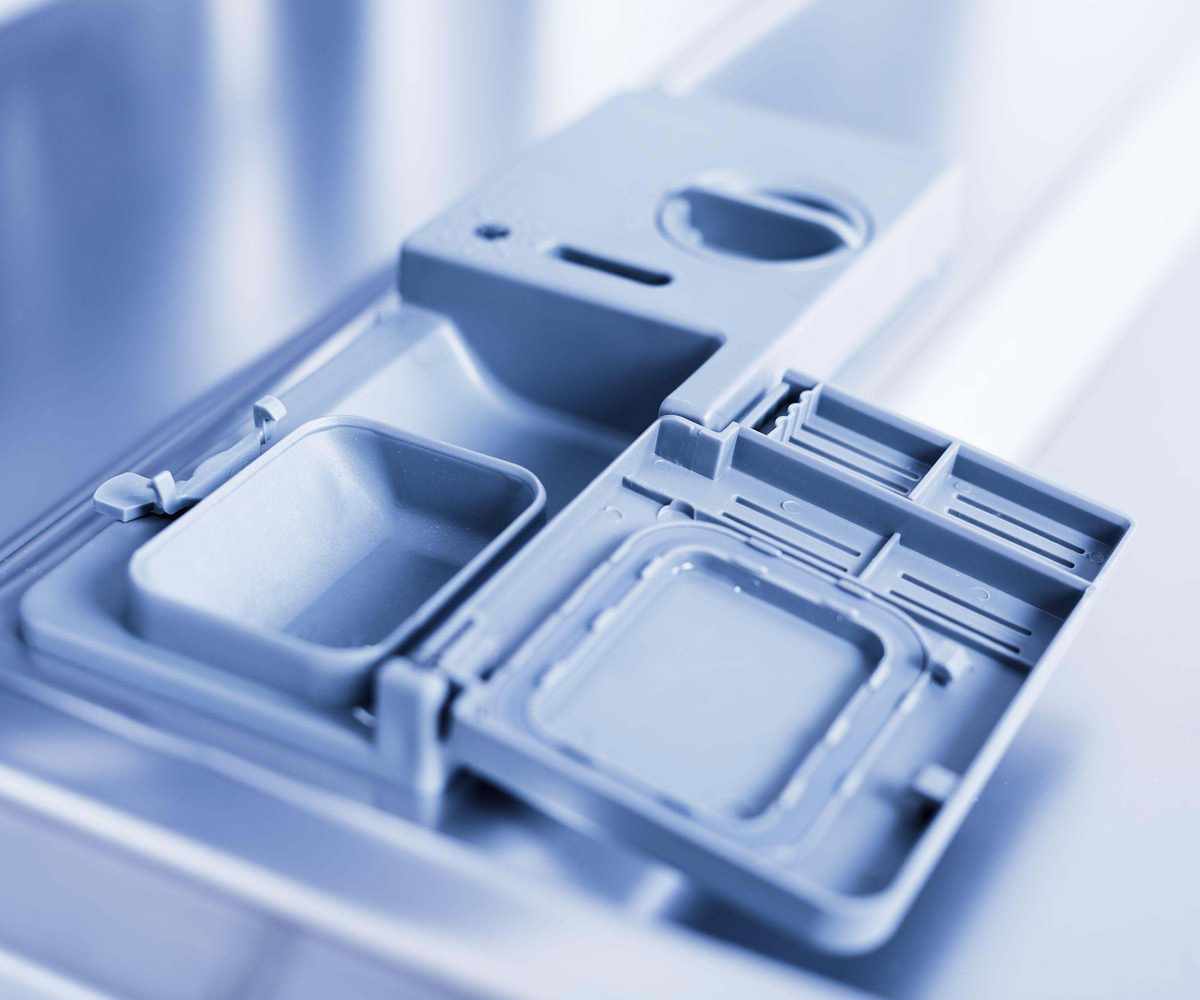
Before running a cleaning cycle, wipe down the dishwasher door and the rubber seals. Use a cloth dampened with white vinegar to eliminate grime and prevent mold growth.
5. Run a Cleaning Cycle
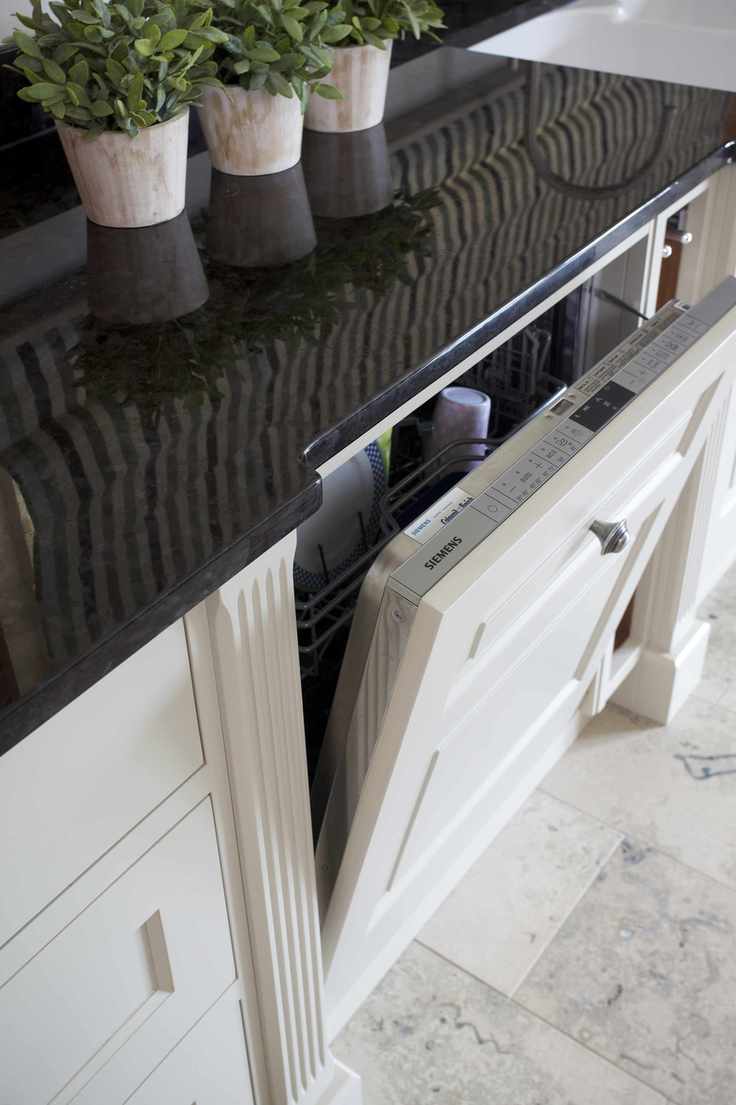
With everything back in place, initiate a cleaning cycle. You can use a commercial cleaner like Affresh tablets or place a cup of vinegar on the top rack and run a hot cycle.
Alternatively, sprinkle a mixture of baking soda and salt for a deep clean.
6. Refill the Salt
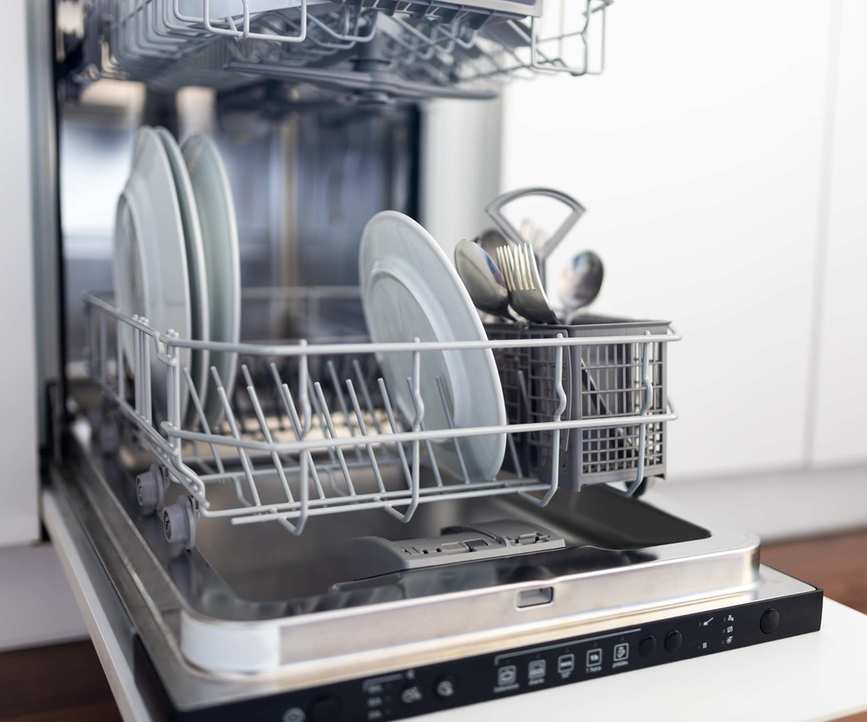
Regularly check and top off the dishwasher salt to prevent limescale buildup. When the indicator shows low, add salt. Additionally, using a rinse aid can help improve cleaning results and maintain the cleanliness of your dishes.
Common Questions
Can you use bleach to clean a dishwasher?
It's best to avoid bleach, as it can damage seals and internal components, posing health risks if it contaminates your dishes.
Why does my dishwasher have a bad odor?
Odors usually arise from food buildup or mold. Regularly clean the filter and use vinegar to help eliminate smells. Keeping the door open between uses can also help reduce musty odors.
Finish by buffing the dishwasher's exterior with a clean, dry cloth to restore its shine. A touch of olive oil can also add a streak-free finish on stainless steel.