

Entertaining is a joy for me, and I have a special ally in my husband, Adam, who supports my passion for hosting. Not only is he a fantastic grill-master, but he also helps set the mood with music and ambiance. However, we sometimes clash over how to curate a dinner party menu.
My journey as an event planner for a catering firm served as intense training for menu crafting. I learned to gauge the right quantities of food and drinks to satisfy guests while minimizing leftovers. Creativity was essential to adhere to budgets, and collaboration with chefs ensured that menus were delightful yet manageable, catering to diverse dietary preferences. Most importantly, I mastered the art of planning meals that could be efficiently executed by kitchen staff under time constraints.
Working in various home kitchens taught me how to adjust and innovate without the perks of a professional kitchen. Creating menus that were both enjoyable and nourishing became my favorite part of the job, and I’ve carried these skills into every gathering, whether it’s for a small group or a larger crowd.

Initially, Adam worried about running short on food during gatherings, often over-preparing or complicating the menu with too many dishes. Over time, I’ve shared my secrets to keeping the menu simple yet fulfilling, ensuring ample servings without overwhelming leftovers. Now, I’m excited to share these insights with you! Once you get the hang of it, planning a dinner party can be straightforward and genuinely enjoyable.
When pre-party anxiety strikes, I remind myself that the goal isn’t to impress but to foster an atmosphere where guests feel valued and connected.
Continue reading for my comprehensive approach to planning a dinner party menu, and feel free to share your own tips in the comments!
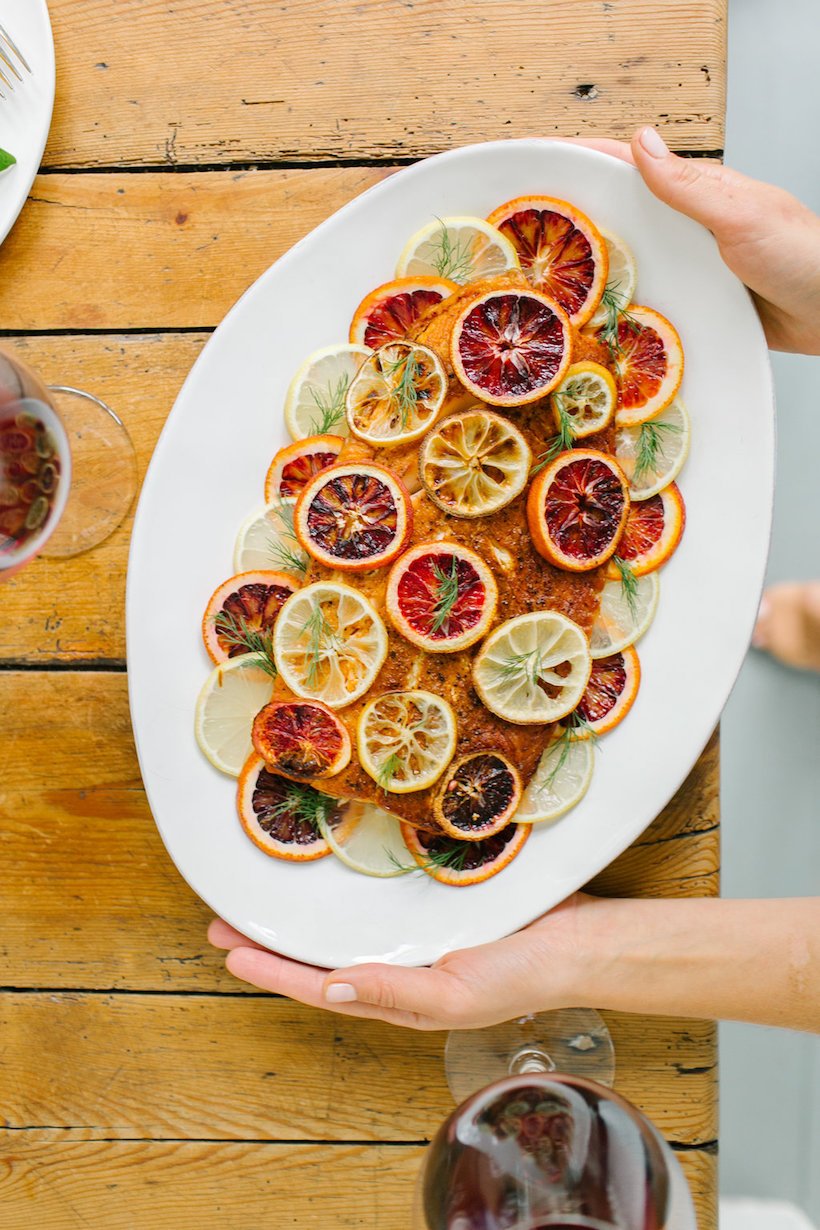
Select Your Main Course First.
My approach is straightforward: choose a main dish that fits the occasion, and the rest of the menu will follow. Here are some key considerations:
- What’s in season? Centering your menu around seasonal ingredients not only enhances flavor but also sets the right mood. Fresh, high-quality produce shines with minimal effort. Check out our guides for seasonal picks!
- How many guests are you hosting? I highlight main courses suitable for both intimate and larger gatherings. For bigger crowds, opt for dishes that are cost-effective and can be prepared in bulk.
- Are there any dietary restrictions? With many guests being gluten-free, vegan, or having allergies, it's good to ask them ahead of time. A quick text can reveal important information, allowing you to adjust your menu accordingly.
Once you’ve considered these factors, you’re ready to explore my favorite main course ideas and dive into the fun of planning!

Plated, Family Style, or Buffet?
The traditional multi-course plated dinner is out; hosting has evolved into a more relaxed affair. Serving food family-style—on shared platters—encourages interaction among guests and lightens the host's load. I’d say around 90% of my dinners are served this way.
Sometimes, a plated meal is necessary, particularly for heavy or hot dishes that are hard to pass. If it’s a special occasion, you may want to add a touch of formality. Just remember, with more than six guests, consider enlisting help to ensure timely service.
Though the term “buffet” might seem outdated, it’s perfect for casual settings where guests graze as they mingle. I always opt for buffet-style during Thanksgiving, as there are usually too many dishes to fit comfortably on the table.
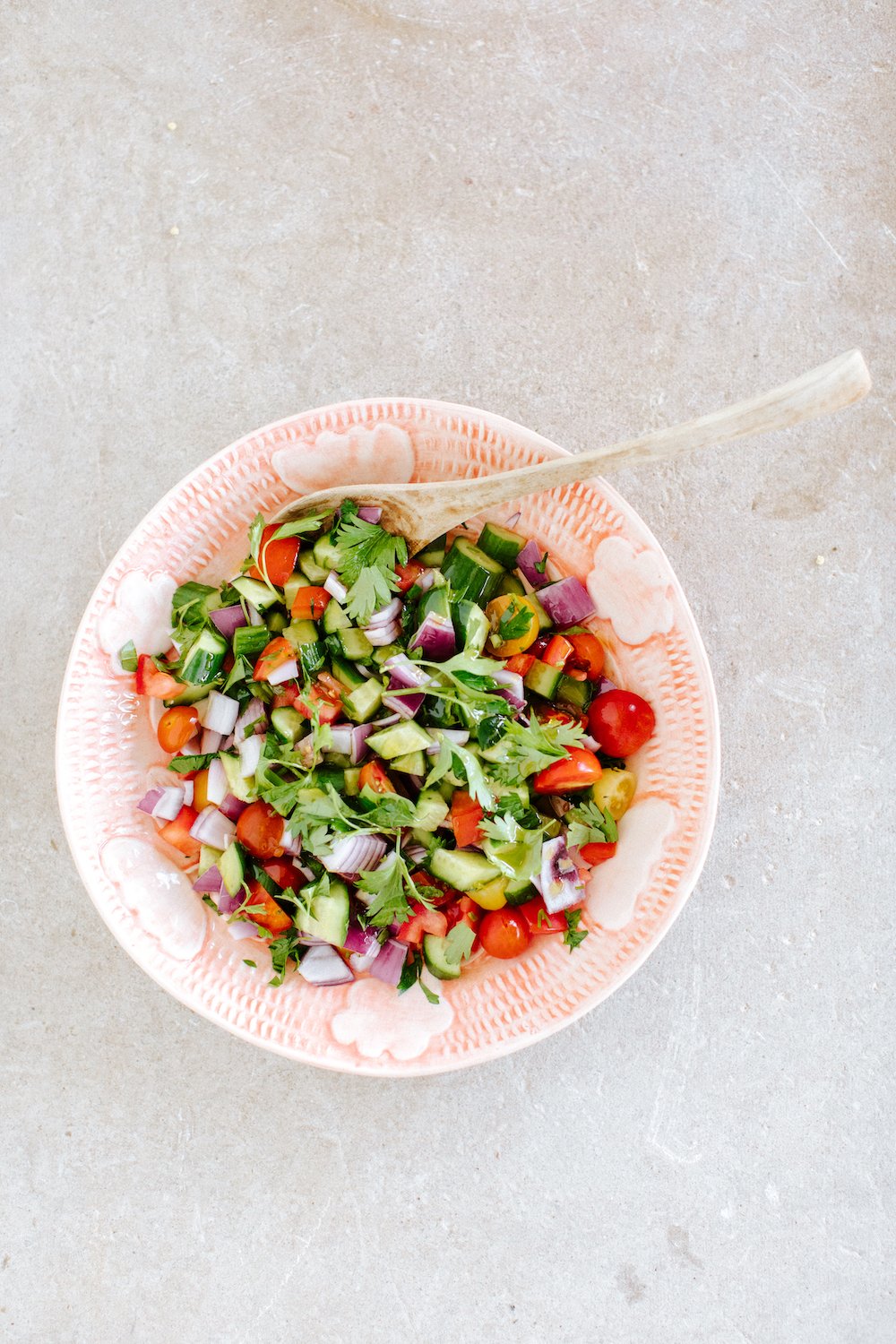
Opt for Easy-to-Prepare Sides.
To avoid spending all day in the kitchen, I prioritize sides that can be prepped ahead:
- Prep in advance. Dishes like roasted vegetables, room-temperature grains, and hearty salads can be made beforehand and stored in the fridge or on the counter. From my catering days, I learned that many sides taste great at room temperature.
- Limit to two or three. While it’s tempting to create a vast array of sides, simplicity is key. Generally, one starchy item (like pasta) and one cooked vegetable pair well—add a salad if you want more variety. A focused menu often leads to less stress and more enjoyment.
- Accept offers of help. Side dishes are perfect for guests who ask to contribute. Most appreciate the chance to pitch in, which lightens your workload.

Provide Snacks for Guests.
I love welcoming guests with appetizers to nibble on upon arrival. It sets a warm tone and helps ease hunger, making for a more relaxed evening. However, keep these snacks simple, considering the main course and sides you’re serving.
Choose an appetizer that complements your main course (for instance, avoid cheese boards with taco night) and don’t overthink it.
Here are some of my favorite easy appetizers:
- Spanish tapas. Think olives, marcona almonds, and marinated peppers—easy to pick up from the deli.
- Cheese and charcuterie. A timeless classic that always delights.
- Fresh veggie crudités. Pair with interesting dips for an appealing presentation.
- Burrata with figs. A simple yet impressive four-ingredient dish.
- Toasts with toppings. A bit more effort, but fun to assemble for unique bites.
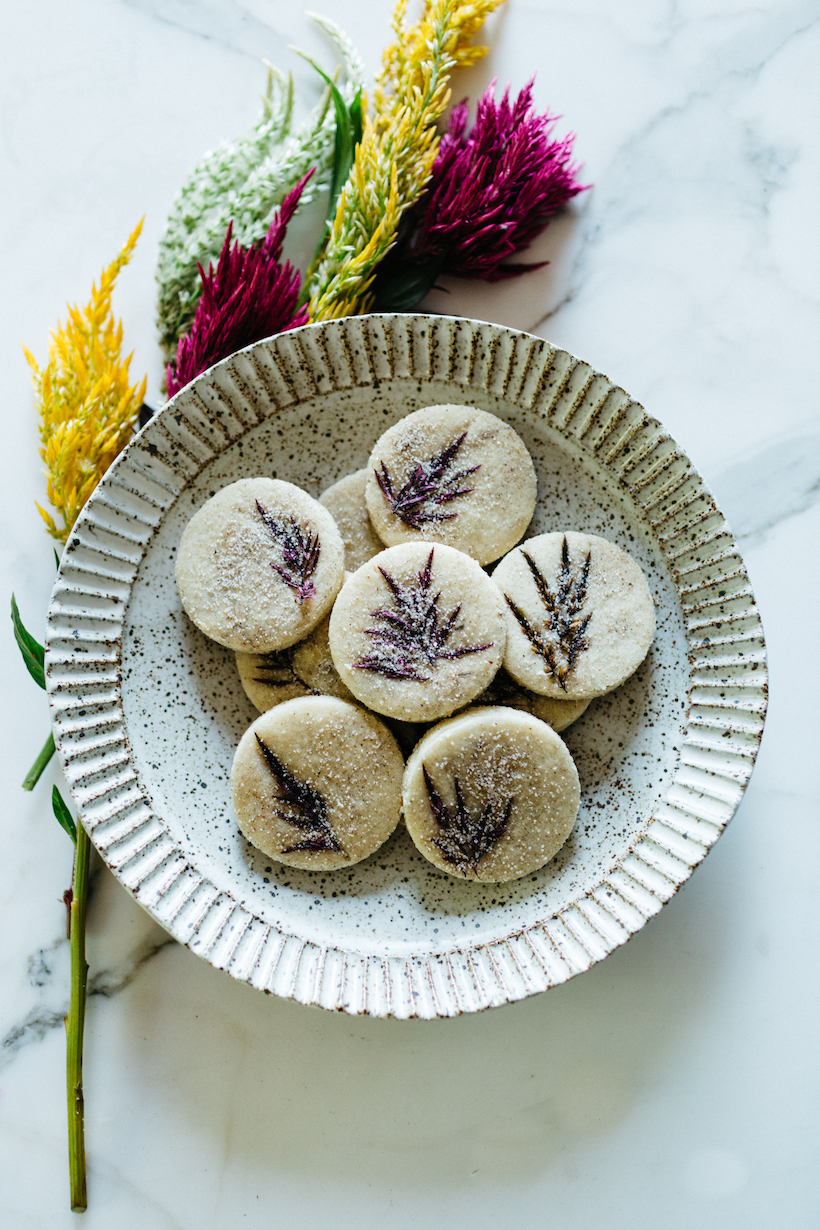
Finish with a Sweet Treat.
Do: Treat your guests to a delightful dessert to end the meal on a high note.
Don’t: Overwhelm them with an enormous dessert that leaves them feeling stuffed.
Do: Consider picking up a cake from a local bakery or preparing something simple like sorbet with berries. You can even ask a guest who loves to bake to contribute dessert.
Don’t: Feel obligated to create a complex dessert from scratch unless you genuinely want to.

Make It Visually Appealing.
Since it’s a dinner party, presentation is crucial! Rather than focusing solely on fancy garnishes, channel your creativity as though you’re an artist. Food styling doesn’t have to be intimidating. I often browse for unique presentation ideas—perhaps a fresh herb garnish or a creative serving suggestion.
For example, serving sauce on the side can be more visually appealing than pouring it over the dish. Similarly, a well-placed turkey surrounded by herbs and citrus adds charm. Gathering inspiration and experimenting with colors and textures can elevate your presentation.
A thoughtfully plated dish makes even the simplest food feel special.
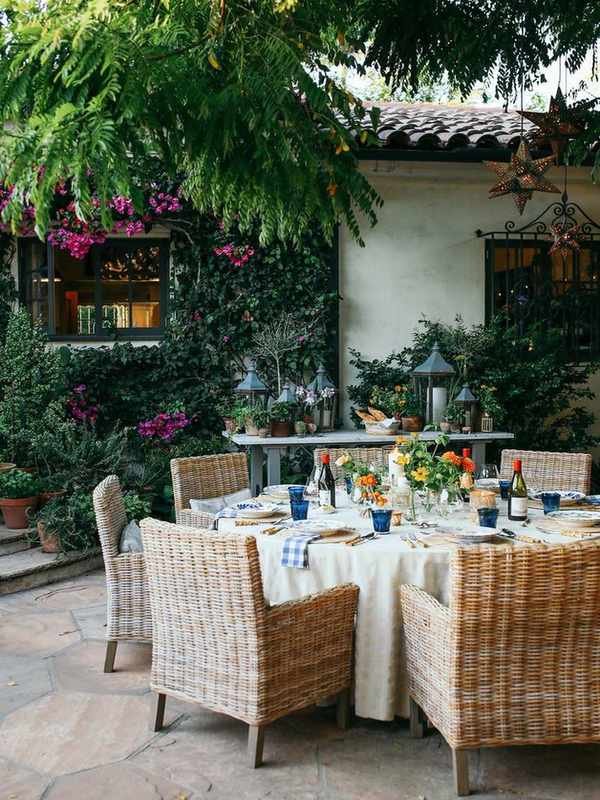
Estimating Food Quantities.
Many find estimating food quantities for a gathering daunting, but it doesn’t have to be stressful. Here are some basic calculations to help you out. Remember, the more variety you offer, the less you need of each dish. With one main and two or three sides, you’ll want generous portions, but if you include numerous sides, smaller amounts will suffice.
Here are my go-to guidelines:
- Appetizers: 6 bites or 1 ounce of cheese per guest.
- Meat or fish: 6 ounces per guest.
- Starch or potatoes: 1 cup per guest.
- Vegetables: 1 cup per guest.
- Salad: 2 cups per guest.
- Dessert: a small slice or scoop per guest.
These guidelines should ease your anxiety, and remember, if you miscalculate, it’s okay! Guests will adjust their portions according to what’s available, so you’ll be just fine. When in doubt, round up, and keep some ice cream on hand for a sweet finish.
***
I hope these tips help you navigate your next dinner party menu planning. These suggestions are flexible, so feel free to adapt them to suit your style. I’d love to hear your own menu-planning hacks in the comments!
30 Simple Delights to Add to Your June Calendar


