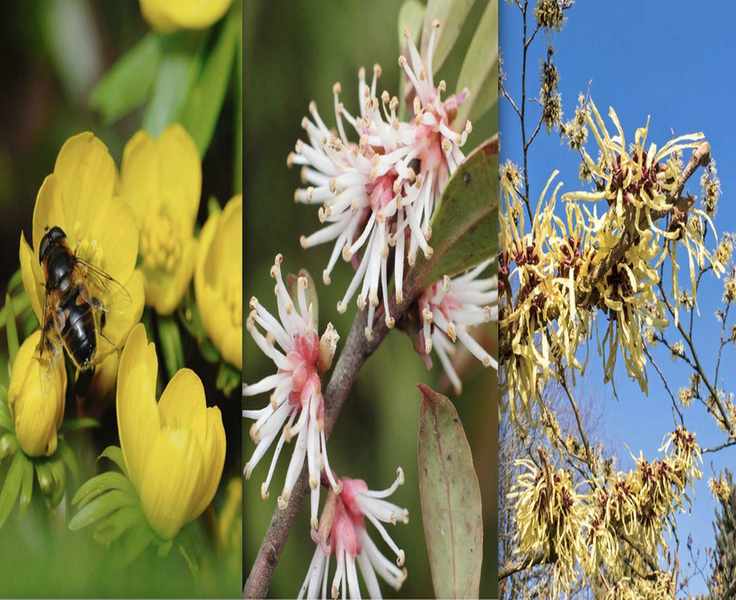
While many bees hibernate during the colder months, some still venture out in search of food and water. Planting winter-blooming flowers in your garden is essential to support these foraging bees, and it also adds a cheerful touch to your outdoor space!
Consider adding bulbs like snowdrops and crocuses, which are favorites among bees. These additions can easily fill in any bare spots in your winter garden. You can find them potted and ready to plant at your local nursery.
Though buying potted plants may be slightly pricier than bare bulbs, it allows you to identify empty areas in your garden without disturbing other plants that bloom later.
Garden designer Nikki Hollier suggests selecting single flowers over double ones, as the latter can be harder for bees to access. Nikki specializes in easy-to-implement planting designs through her company, Border in a Box.
1. Clematis cirrhosa 'Jingle Bells'
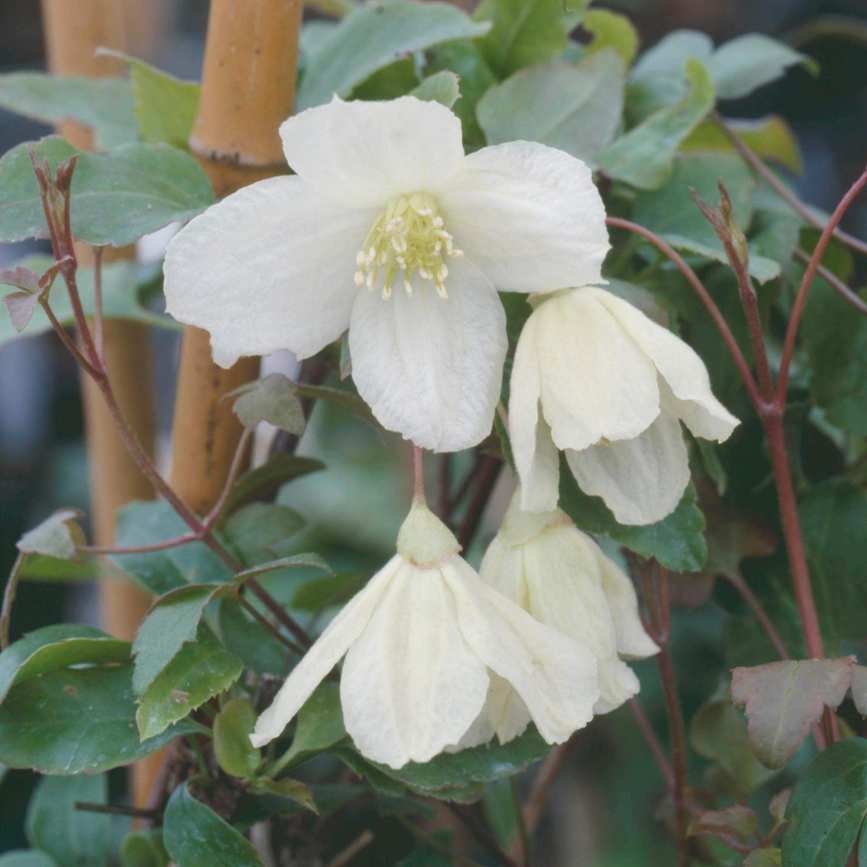
This winter-flowering clematis can reach heights of about 16 feet and widths of 6 feet. It thrives in full sun but can also tolerate partial shade. According to Nikki, it blooms from December to February, showcasing large, creamy flowers that are both fragrant and visually appealing. The flowers eventually develop into attractive seed heads.
If you're searching for pergola ideas, this plant is stunning when draped over a pergola or obelisk.
This clematis requires minimal pruning; however, for best results, trim any lengthy shoots right after blooming and add organic matter at the base of the plant.
2. Hamamelis × intermedia 'Pallida'
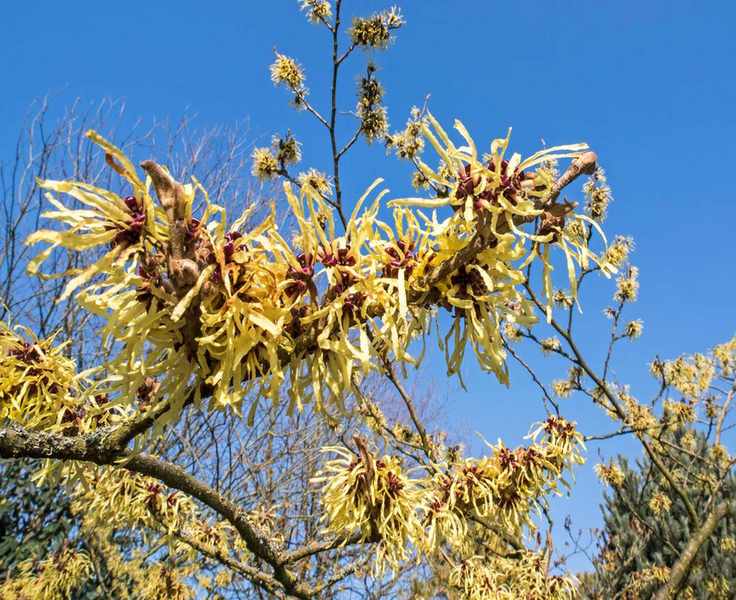
This large shrub or small tree typically grows to approximately 10 feet by 10 feet, making it one of the best shrubs for privacy. It serves as a striking focal point in any border and provides a perch for birds.
It flourishes in full sun or partial shade and prefers moist, well-drained soil that is neutral to acidic. It produces fragrant, bright yellow flowers on bare branches from December to February.
3. Eranthis hyemalis
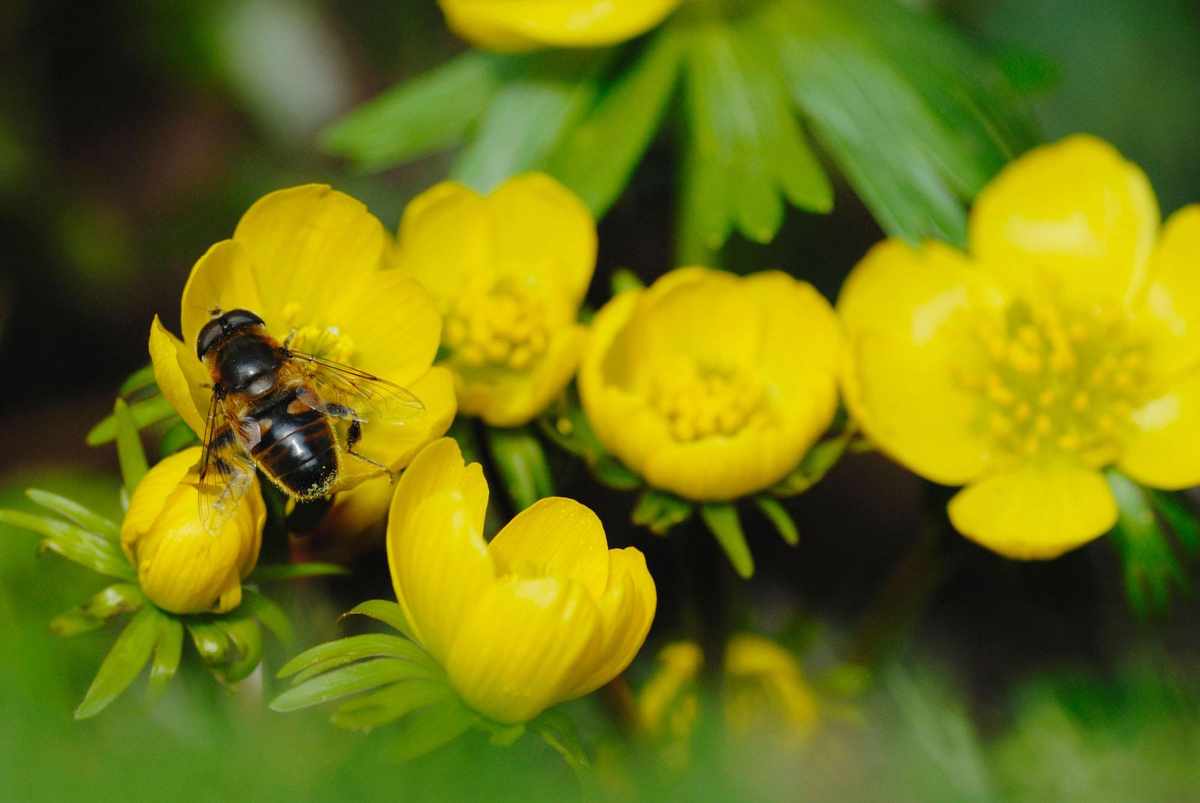
This plant is particularly well-suited for shady areas, especially in woodland settings. If you love woodland themes, you should definitely include it in your garden.
Eranthis hyemalis features bright yellow flowers and lush green leaves, and it can easily naturalize beneath a Hamamelis. It blooms from January to February and typically grows to about 15 cm tall.
4. Sarcococca hookeriana var. digyna 'Purple Stem'
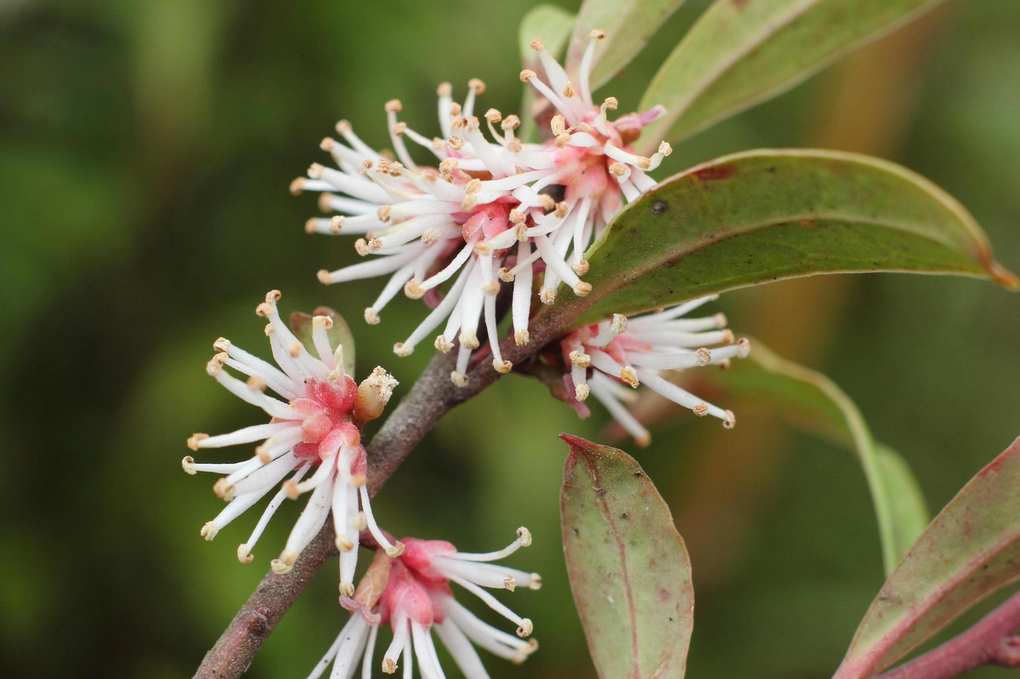
This exceptional evergreen shrub features dark purple stems and can grow to around 5 feet by 5 feet. It thrives in part or full shade with moist yet well-drained soil. Although the flowers may appear small, they are highly aromatic, ranking among the best fragrant flowers. They bloom from December to March and will develop round, blue-black fruits (which are not edible).
5. Helleborus niger 'Christmas Carol'
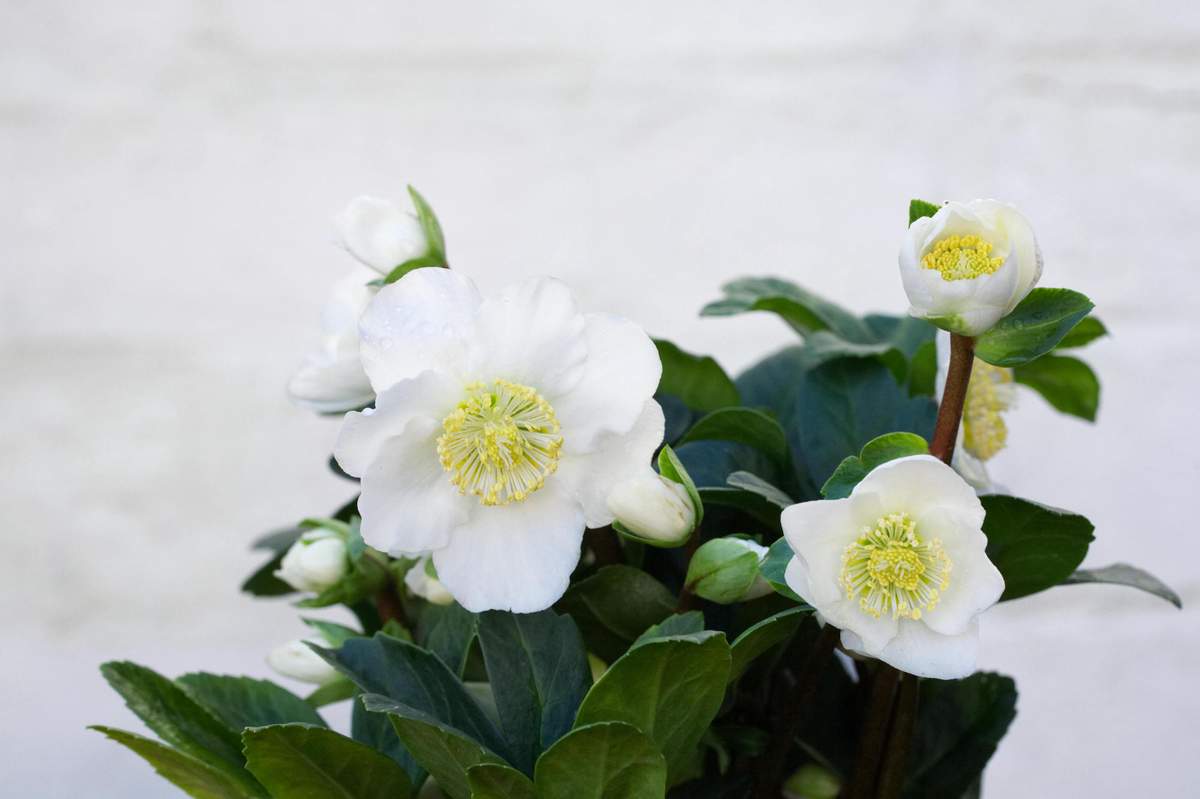
With numerous colors and varieties available, hellebores make a thoughtful gift in pots and are perfect for enhancing porches or patio ideas.
These plants typically grow to about 1 foot tall and prefer partial shade. This particular variety blooms from December to March and looks stunning when planted in groups. Their leaves are semi-evergreen, and if they develop Hellebore leaf spot (blackened spots), simply cut the leaves back at the base and apply organic matter around the plant.