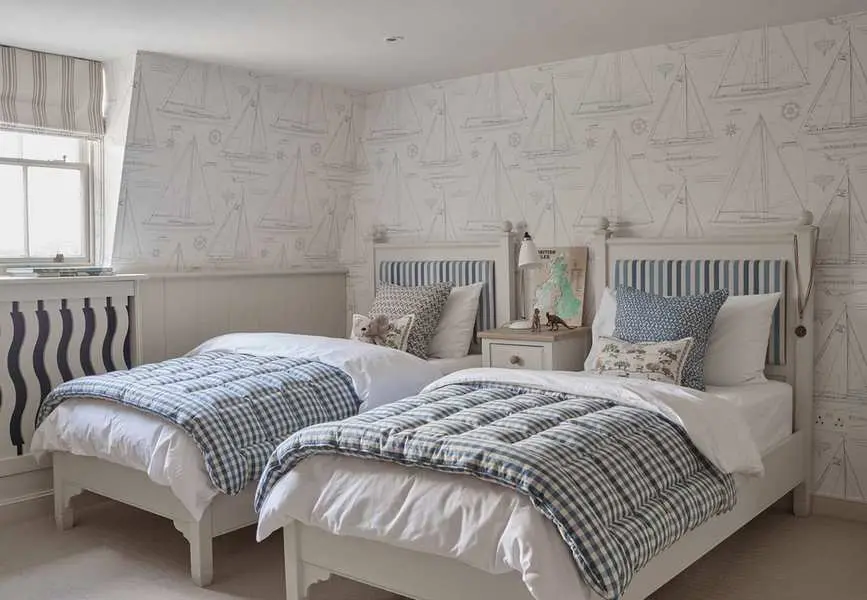
Designing kids' bedrooms can be tricky, as it's easy to get caught up in their current interests like favorite colors or characters. This can lead to themes that quickly become outdated. Instead, aim for a room that balances their preferences with a timeless appeal.
When exploring creative ideas for kids' rooms, focus on creating a space that not only looks good but also endures over time. Aim for a design that, while it may not last from nursery to college, will still be enjoyable for both your children and yourself.
As interior designers, we frequently work with young families. This influences our design choices, particularly regarding safety, storage, and accessibility. Here are key considerations for updating your child's bedroom.
Designing Kids' Bedrooms
Whether you're after ideas for girls' bedrooms, boys' bedrooms, or teen room designs, these suggestions are universally applicable.
1. Plan Ahead
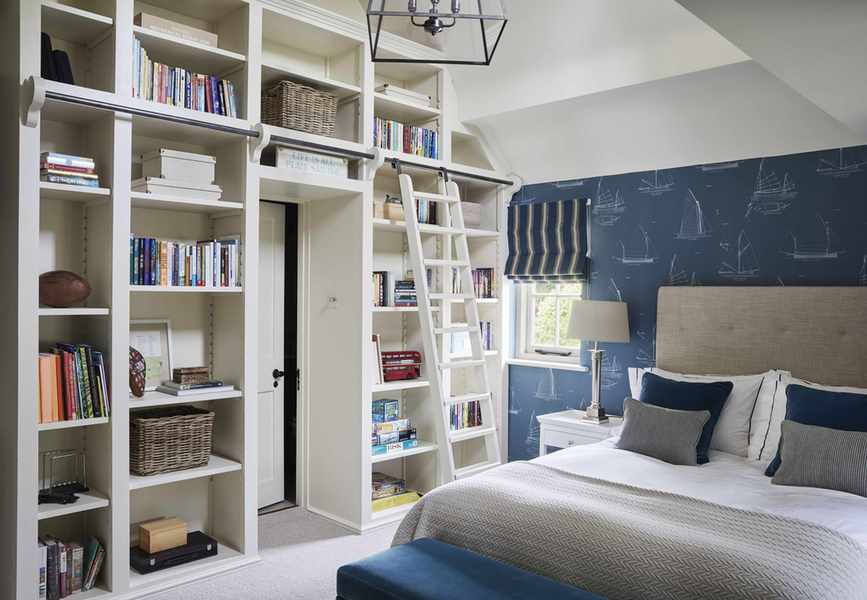
For a space that adapts as your child grows, it's wise to decide early where electrical outlets should be. What starts as a crib will soon need a bed with a reading lamp or even a desk with a light. Consulting with a designer or lighting expert can be beneficial.
2. Prioritize Cleanability
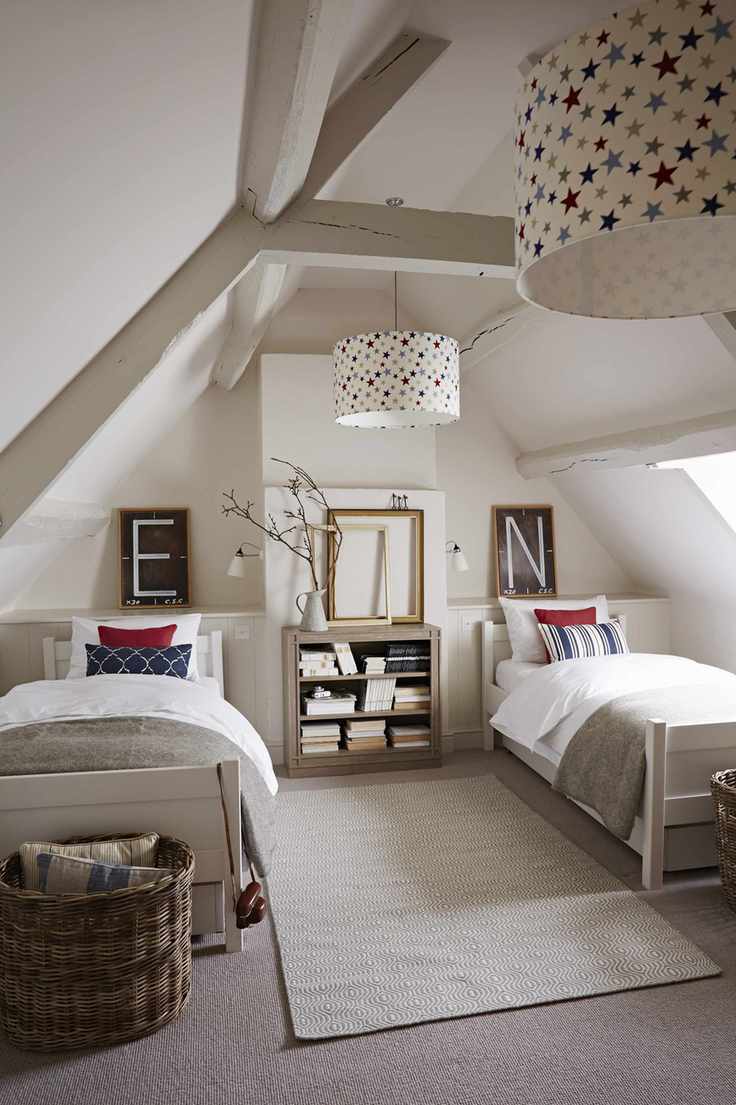
While wallpaper can enhance a child's room, it often shows dirt quickly. Consider using wipeable paints, like those from Farrow and Ball, which come in both glossy and matte finishes. Tongue and groove paneling is another excellent option.
3. Protect Your Furniture
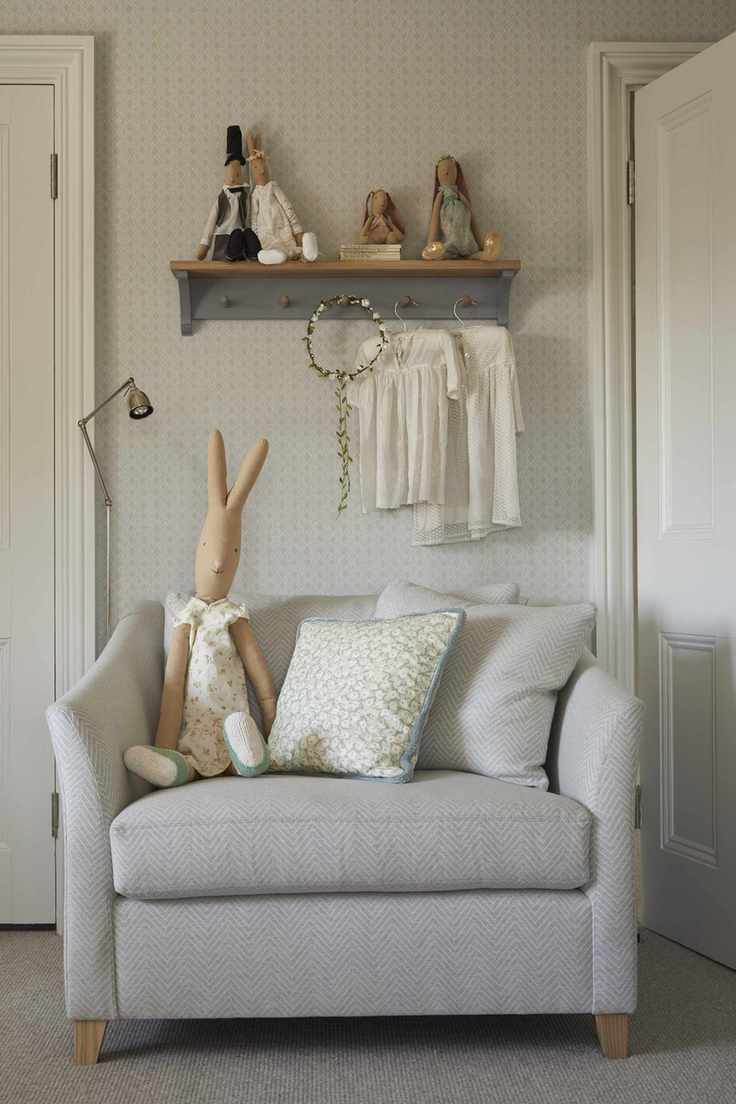
Prevent damage from spills on soft furnishings by applying a stain guard to fabrics. While we offer this service to our clients, you can also find stain guard products online.
4. Keep It Fun
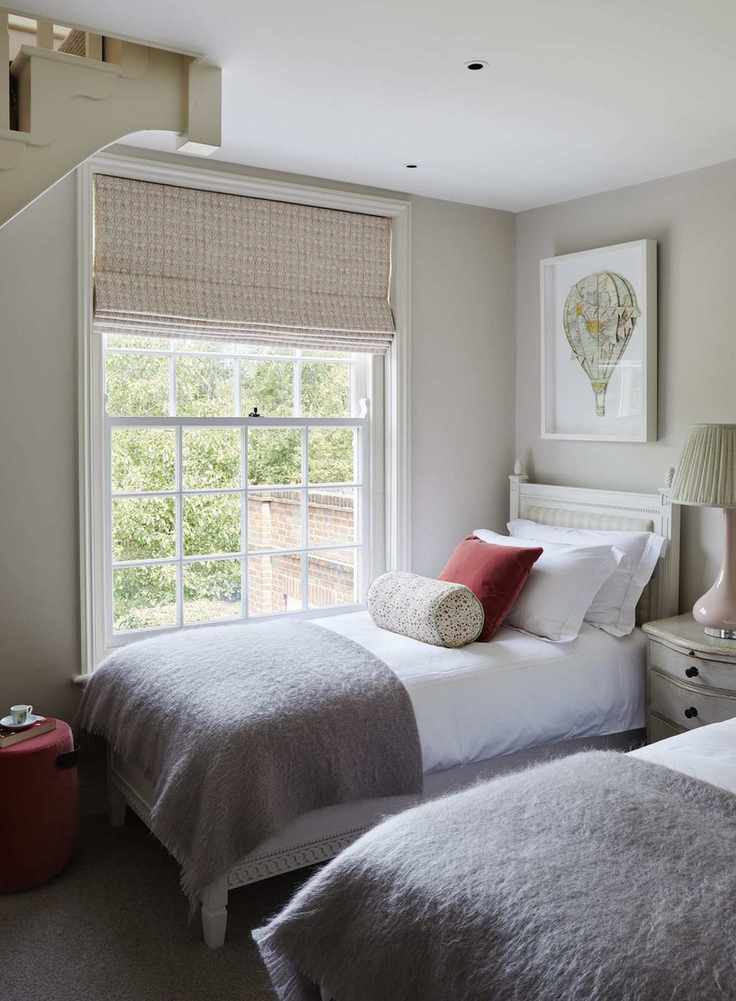
While practicality is key in a child's bedroom, infusing elements of fun is equally important. Consider patterned lamps and cushions that can easily be updated as your child's tastes change.
5. Harmonize with Your Home's Design
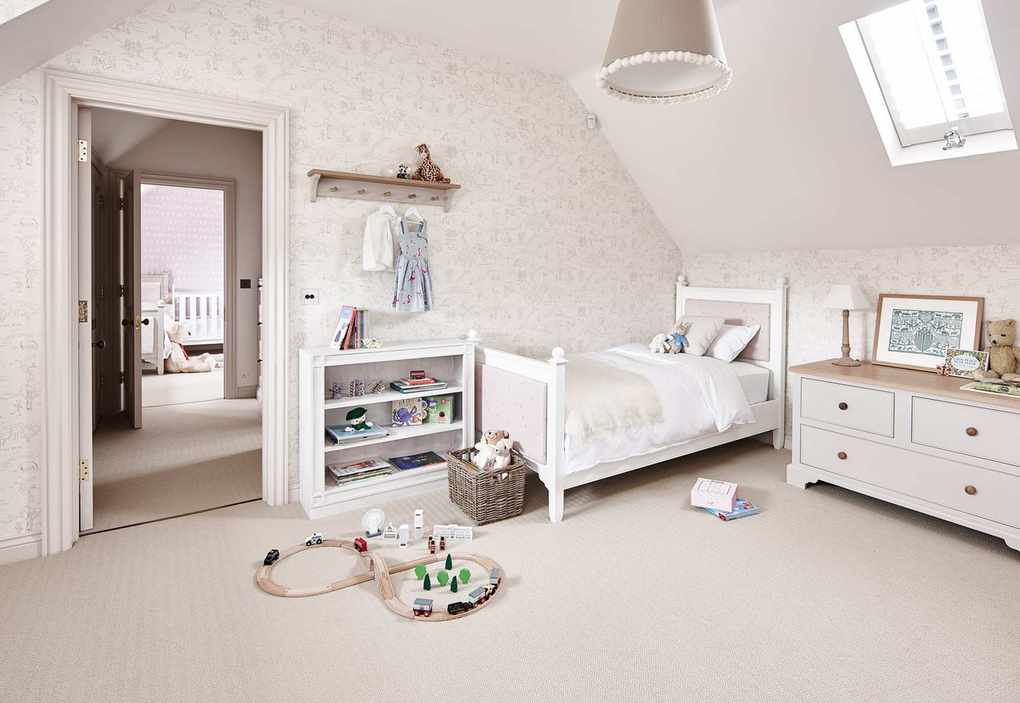
A child's room should complement the overall decor of your home. Start by considering the color palette, materials, and textures used throughout your home, allowing you to create a warm and inviting space.
6. Avoid Trends

When choosing wallpaper or paint for a child's bedroom, opt for subtle designs. Steer clear of overly themed decor that will be hard to change in the future. Instead, consider light patterns that provide a neutral backdrop.
7. Embrace Minimalism
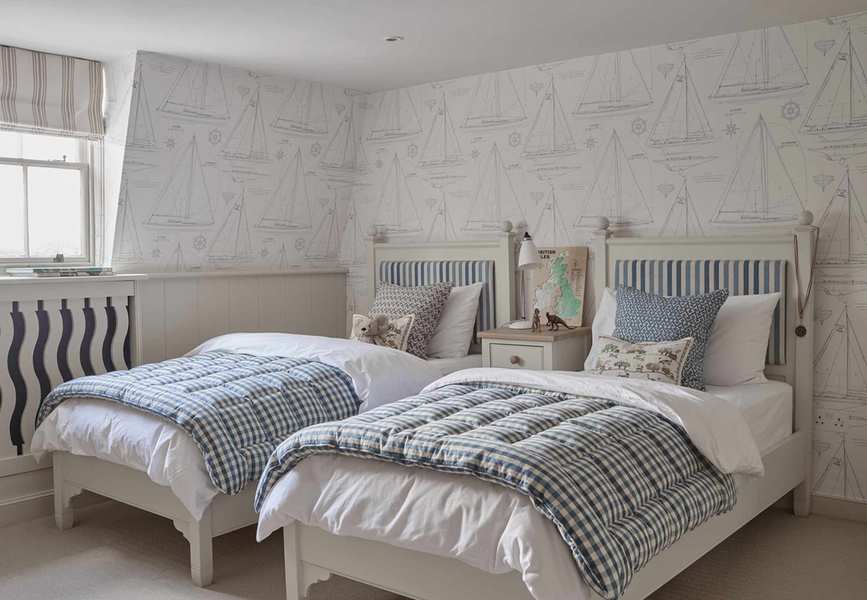
This approach is particularly useful for shared rooms or small spaces. A clutter-free environment promotes relaxation and helps to establish a calming atmosphere for sleep.
8. Refresh Soft Furnishings
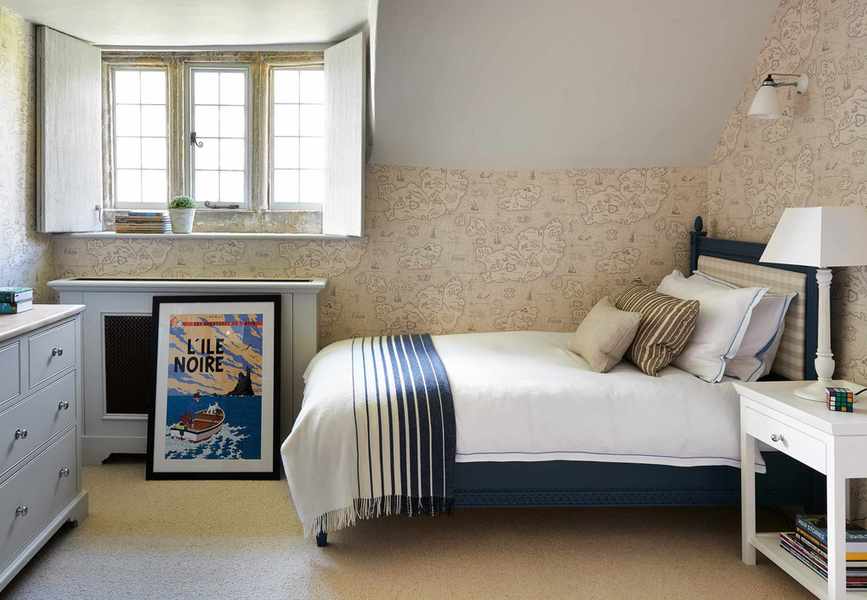
Updating scatter cushions, throws, and bedding can keep the room feeling fresh as your child matures. Artwork can also reflect their changing tastes, from playful pieces for younger kids to more sophisticated options for teens.
9. Include a Study Area
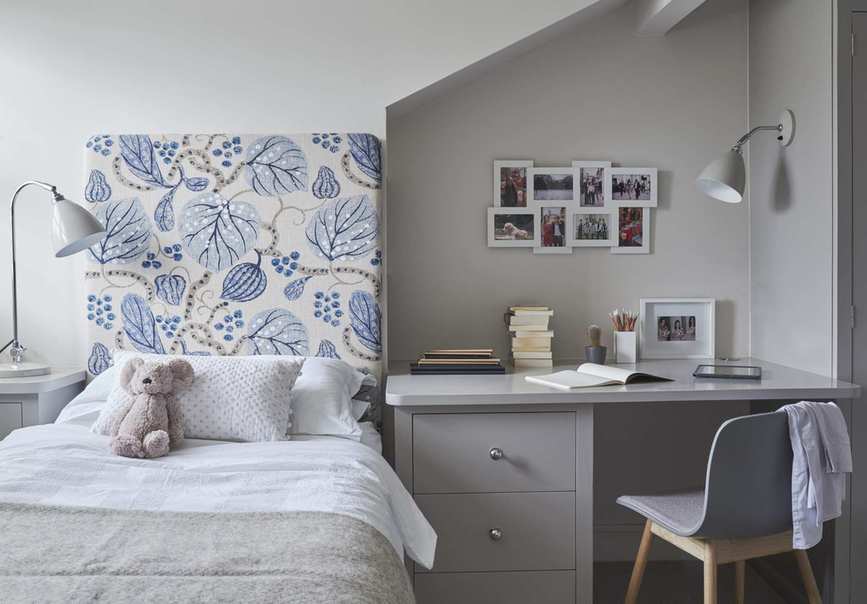
Integrate a desk lamp into the room to encourage independent reading. Consider a reading nook that can later be transformed into a study area. Storage solutions like baskets or small bookshelves can help keep the space organized.
10. Create a Retreat
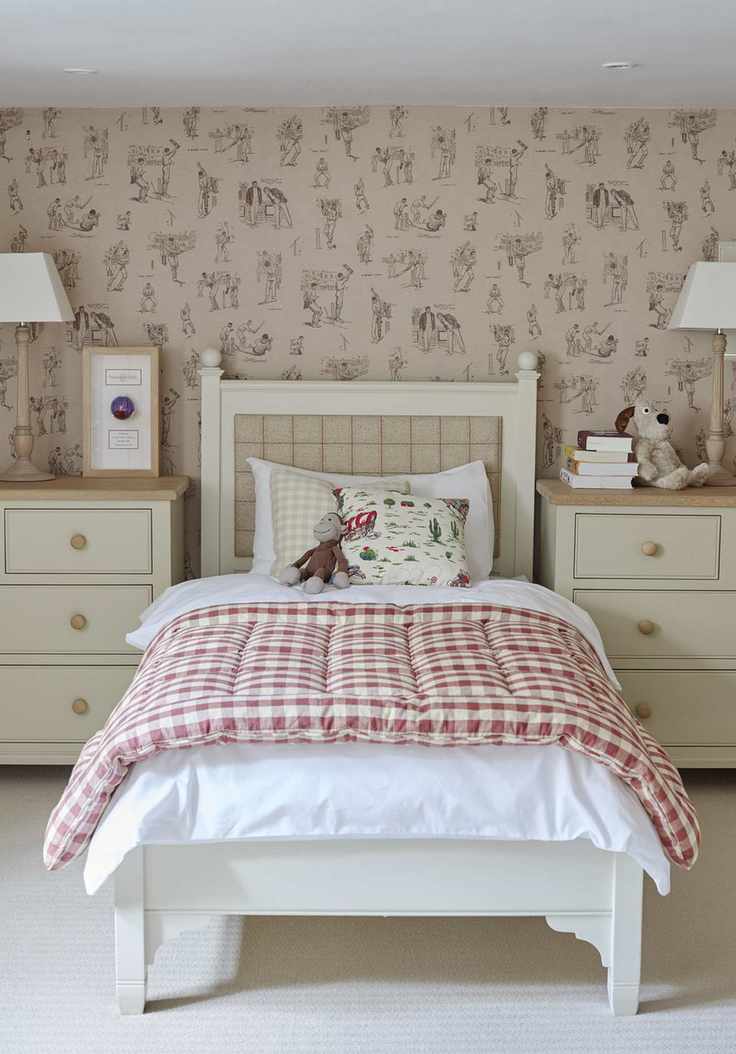
Designing a child's bedroom should feel as calming as your own. Focus on lighting and layered textures, so their room becomes a cozy sanctuary for relaxation.
11. Optimize Floor Space
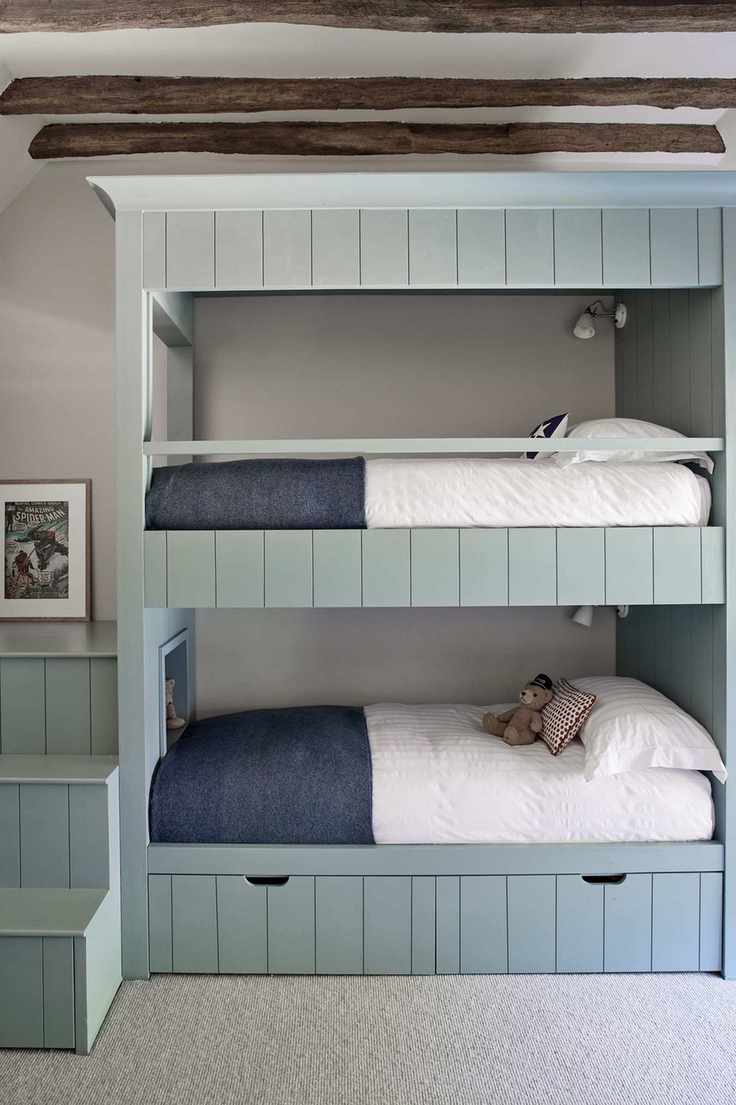
Loft beds are great space savers, especially in smaller rooms. They can also create areas for studying or leisure underneath, maximizing the room's potential.
12. Focus on Storage Solutions

When designing kids' bedrooms, ensure that storage options are adaptable as they grow. Look for adjustable shelving and drawers under beds. Consider using ottomans for storage that are also safe for younger children.
Where Should the Bed Be Placed?
Position the bed on the focal wall, typically opposite the door. This arrangement allows for accessibility from both sides and provides space for storage around it.
How to Make a Kid's Room Cozy?
To create a cozy atmosphere, furnish it with layers like quilts, cushions, and warm rugs. Thoughtful lighting can transform the room into a welcoming retreat—choose warm bulbs for a snug feel.