
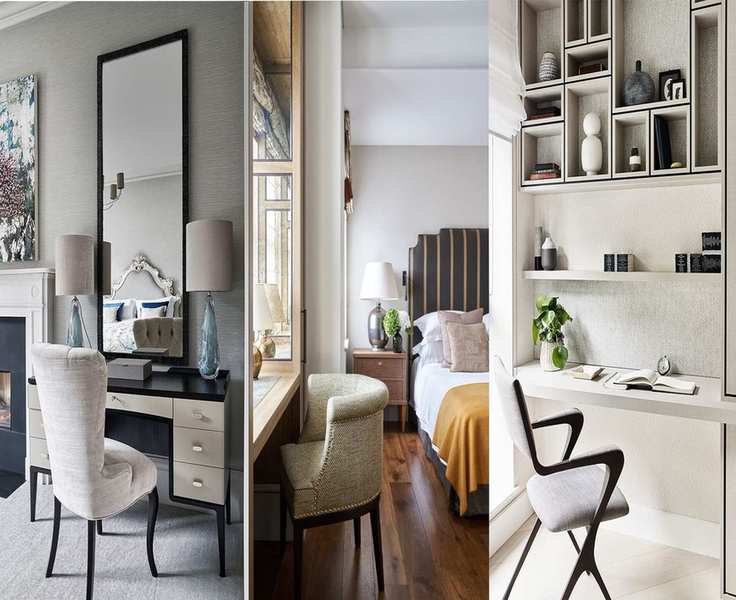
Incorporating a desk into your bedroom layout can maximize functionality, particularly in spaces lacking a designated home office. This trend has surged as remote work becomes more prevalent.
'Today's homes must serve multiple purposes, blending work and leisure,' says a design expert. 'To maintain a healthy work-life balance, a tidy workspace in an overlooked corner is essential.'
Transforming a bedroom into a multi-functional area poses challenges, but with some strategic planning, it's achievable. Whether it's a spacious master suite or a compact teen room, we've compiled a range of inspiring layout ideas that include desks, along with expert tips.
Expert Tips for Arranging Your Bedroom with a Desk
When crafting small bedroom layouts with a desk, consider the room's dimensions and shape first. Before buying any furniture, sketch a floor plan noting the room's measurements, doorways, and windows. This will clarify where to position items and which desks will fit best.
Numerous freestanding desks are available that can be easily repositioned. Alternatively, bespoke built-in solutions can enhance space efficiency.
1. Create Distinct Zones
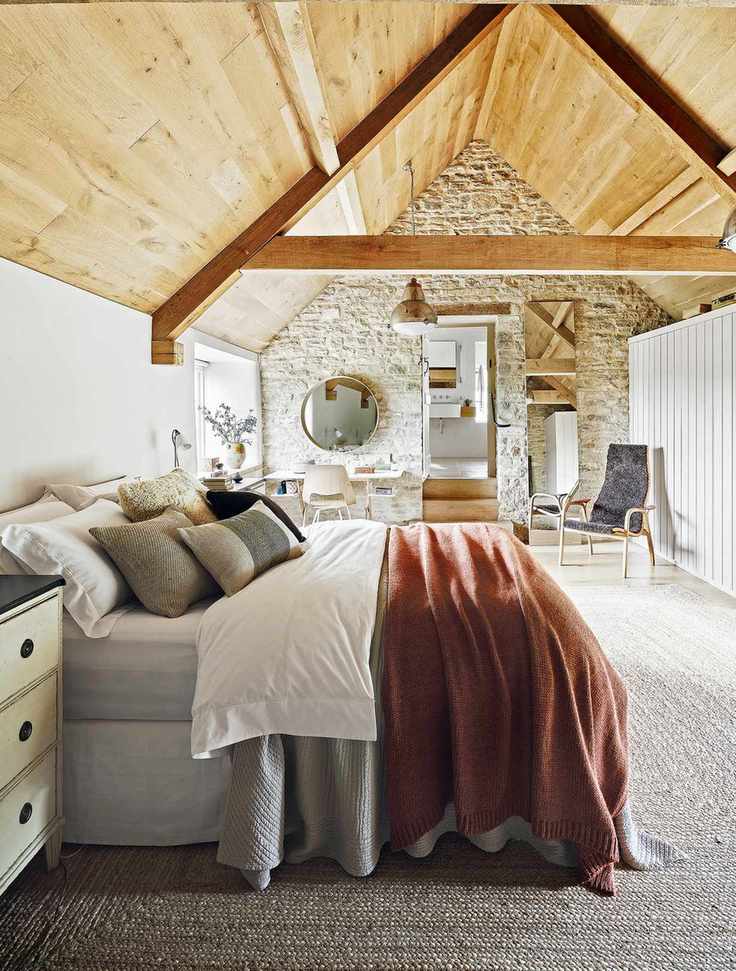
For those using their bedrooms as office spaces during the day, it's critical to place the desk away from the bed to ensure relaxation at the end of the day. In larger bedrooms, orient the desk so you face away from the bed while working, as advised by experts, to help delineate work from rest.
'A bedroom should be a sanctuary, so if you're using it as a workspace, keep the desk distant from the bed to foster separation,' recommends a professional interior designer. 'Consider placing the desk on a different wall from the bed.'
2. Fit a Desk Between Wardrobes
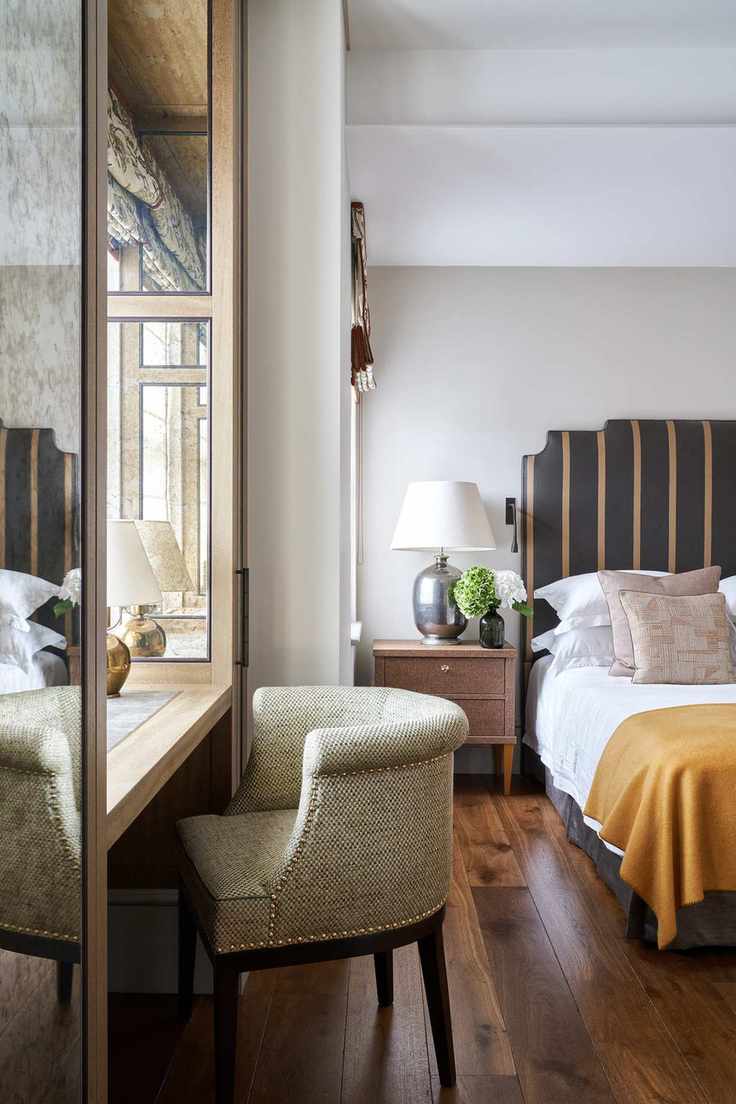
In tight spaces, integrating a desk into custom storage solutions can optimize your area effectively. For a sleek and efficient design, consider installing floor-to-ceiling wardrobes around windows, utilizing the space beneath for a light-filled desk or vanity.
3. Position the Desk by a Window
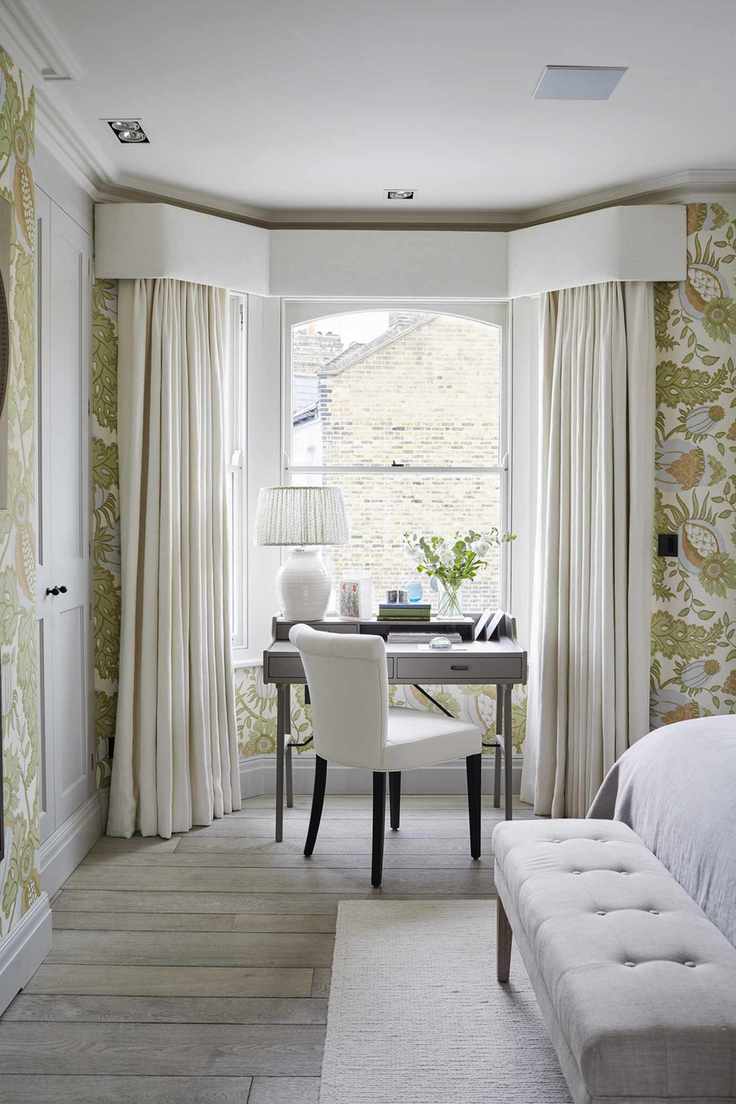
Ample natural light is vital for any workspace. Therefore, when designing your bedroom, aim to place the desk near a window. If possible, take advantage of a bay window for this purpose. Be mindful of window treatments, such as sheer curtains or adjustable blinds, to mitigate glare during bright days.
4. Install a Floating Desk in a Corner
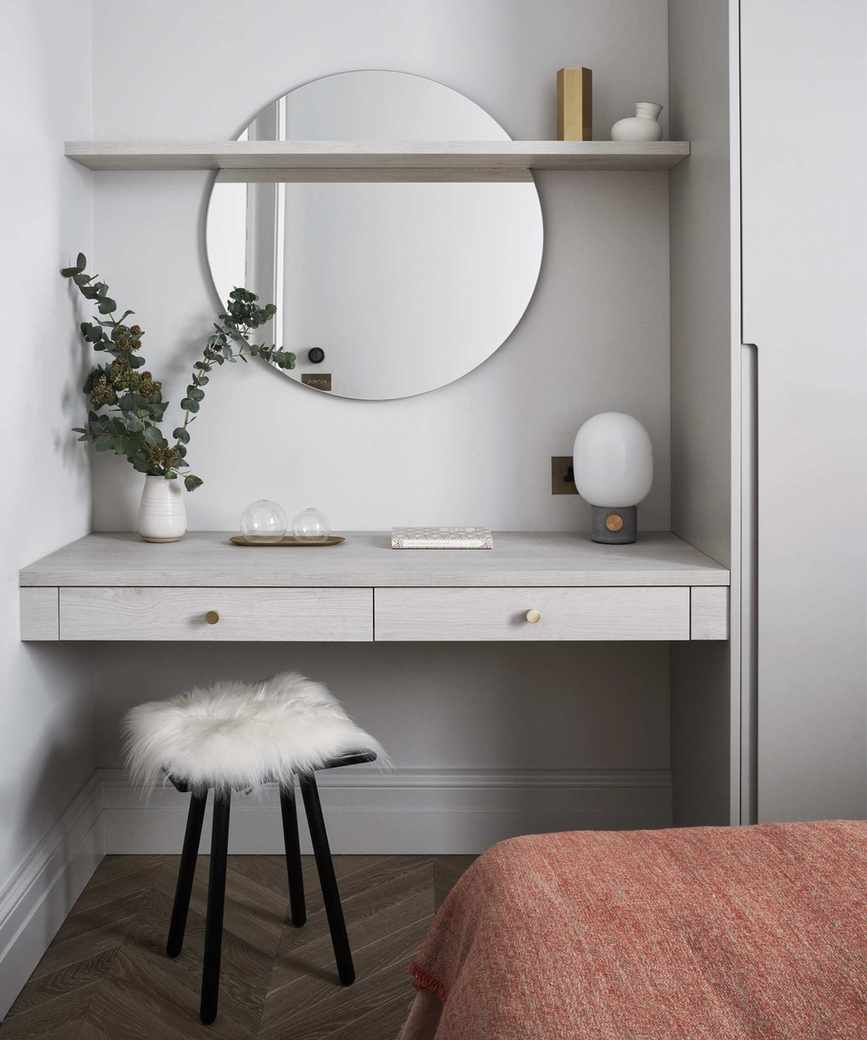
Utilizing a corner for a floating desk can be a smart solution. For a clean look, choose a design that fits snugly with the walls and cabinetry, creating a sense of spaciousness by eliminating bulky legs and allowing for easy storage beneath.
For smaller spaces, consider materials that enhance the illusion of space, such as glass or acrylic desks. These can seamlessly blend into the room while maintaining functionality.
5. Tuck a Desk into an Alcove
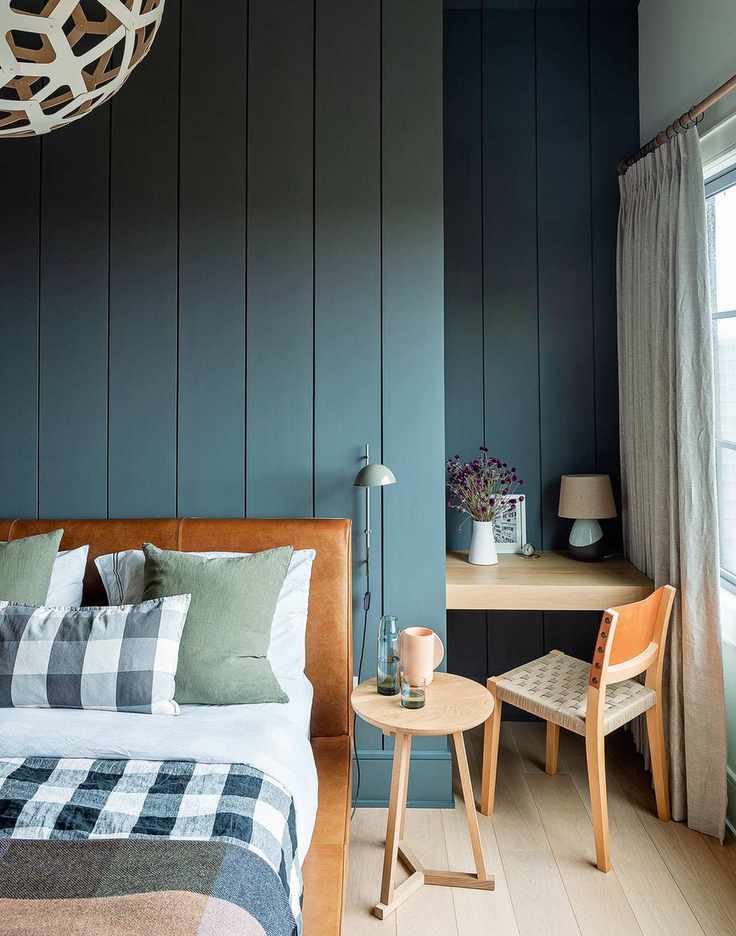
Alcoves are ideal for desk placement. As long as there's enough room to pull out a chair, even the smallest alcove can become a functional workspace. This arrangement keeps the main area tidy and allows the desk to remain discreet when not in use.
For very limited space, consider a drop-down desk that can be folded away when not in use, ensuring functionality without clutter. Additionally, position it near power outlets to avoid running cords across the room.
6. Integrate a Slim Desk into Custom Storage
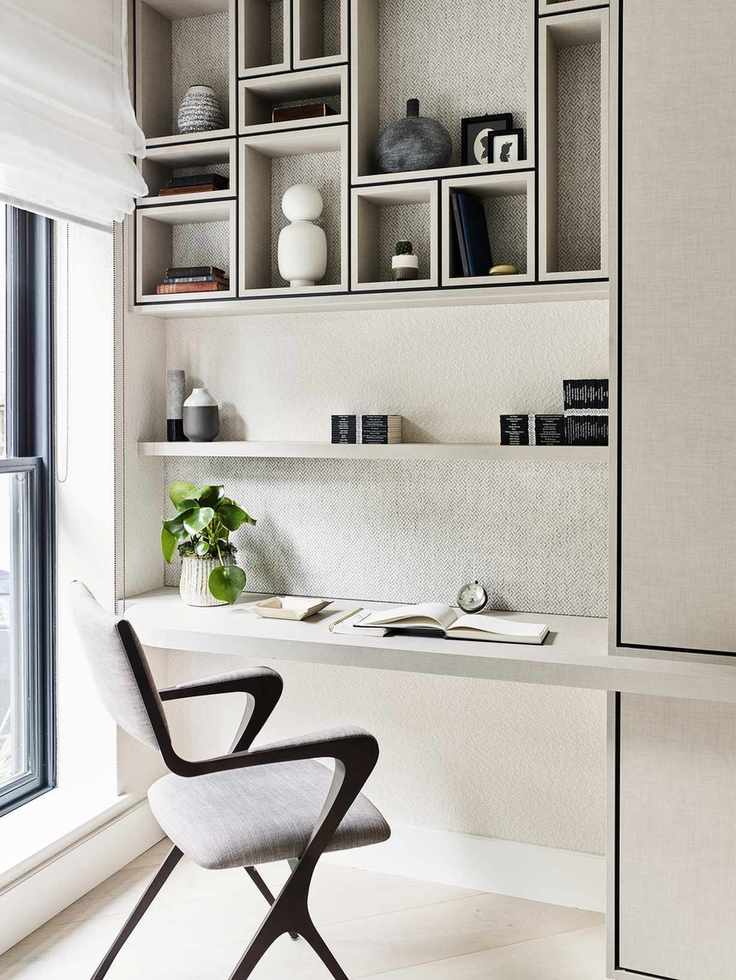
If there's no alcove available, a narrow shelf within existing cabinetry can serve well as a desk. This design allows for ample workspace while maintaining a clean aesthetic. It can be tailored to fit the room's layout without disrupting the view.
7. Conceal a Desk in a Closet
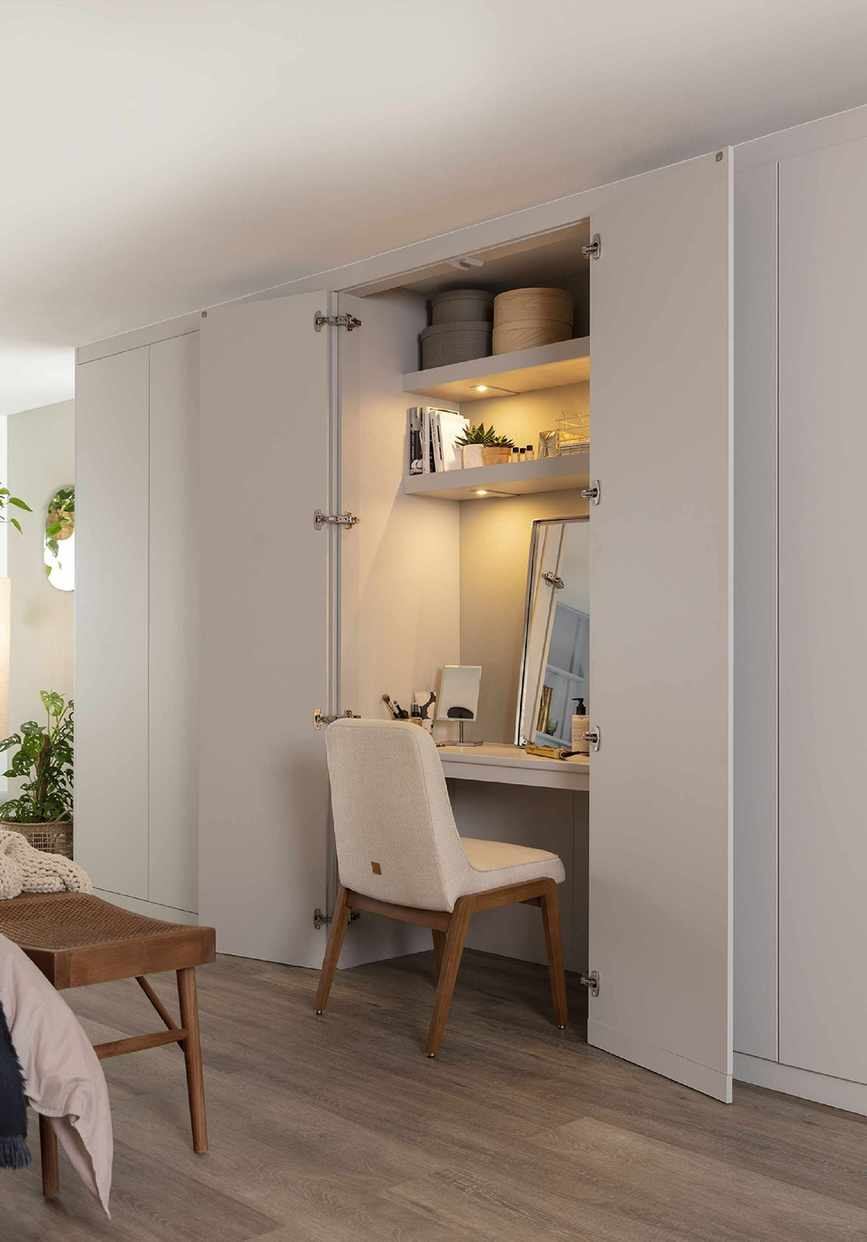
To keep your workspace separate from your relaxation zone, consider a desk that can be hidden within a closet. Many companies offer disguised desks that can slide in and out, allowing for a cohesive design throughout the room.
Opting for a built-in desk that matches your wardrobe can create a unified look while allowing for convenient access to office supplies.
8. Add Charm with a Vintage Desk
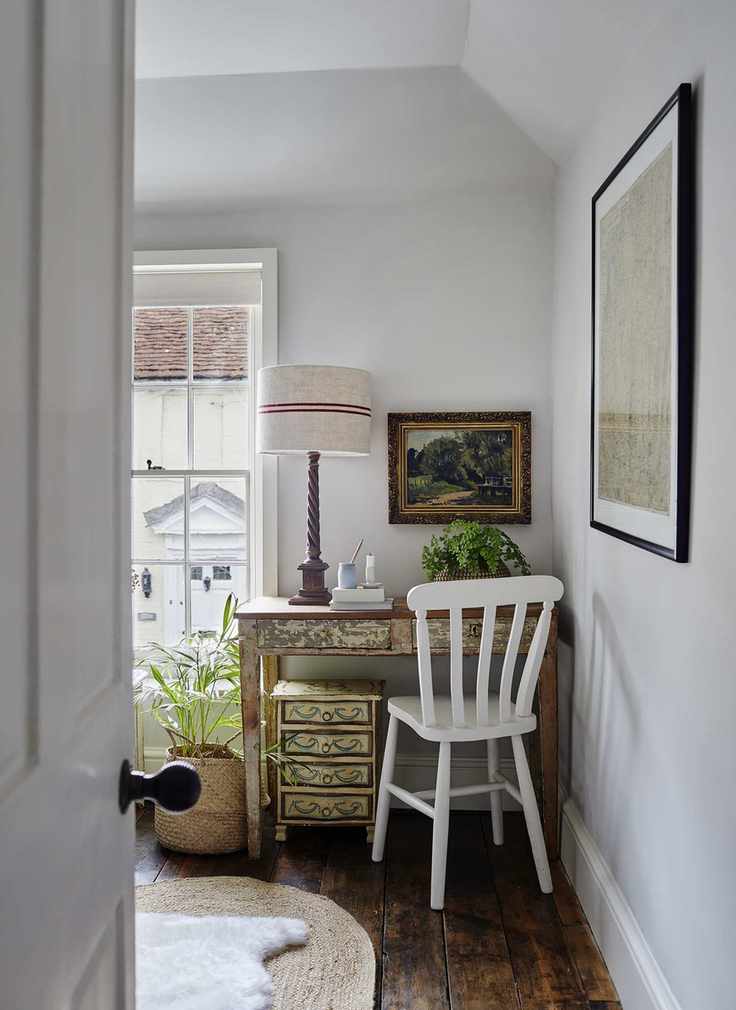
If you love cozy aesthetics, consider sourcing an antique desk at flea markets. Vintage pieces with character can enhance the warmth and style of your space.
9. Use a Freestanding Desk in a Teen Room
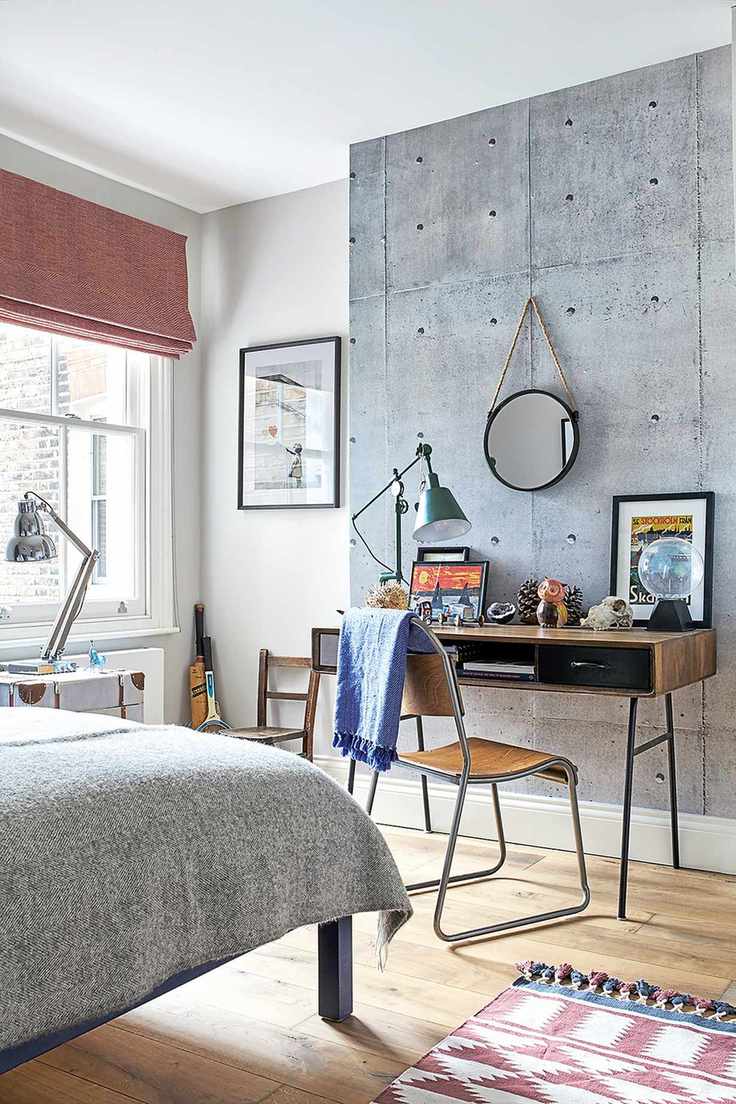
In bustling family homes, providing a quiet study area for kids can be challenging. A desk in their bedroom allows them to focus away from distractions.
When exploring teen bedroom concepts, a freestanding desk offers flexibility in layout, making it easy to adjust as their needs change.
10. Opt for a Desk with Storage
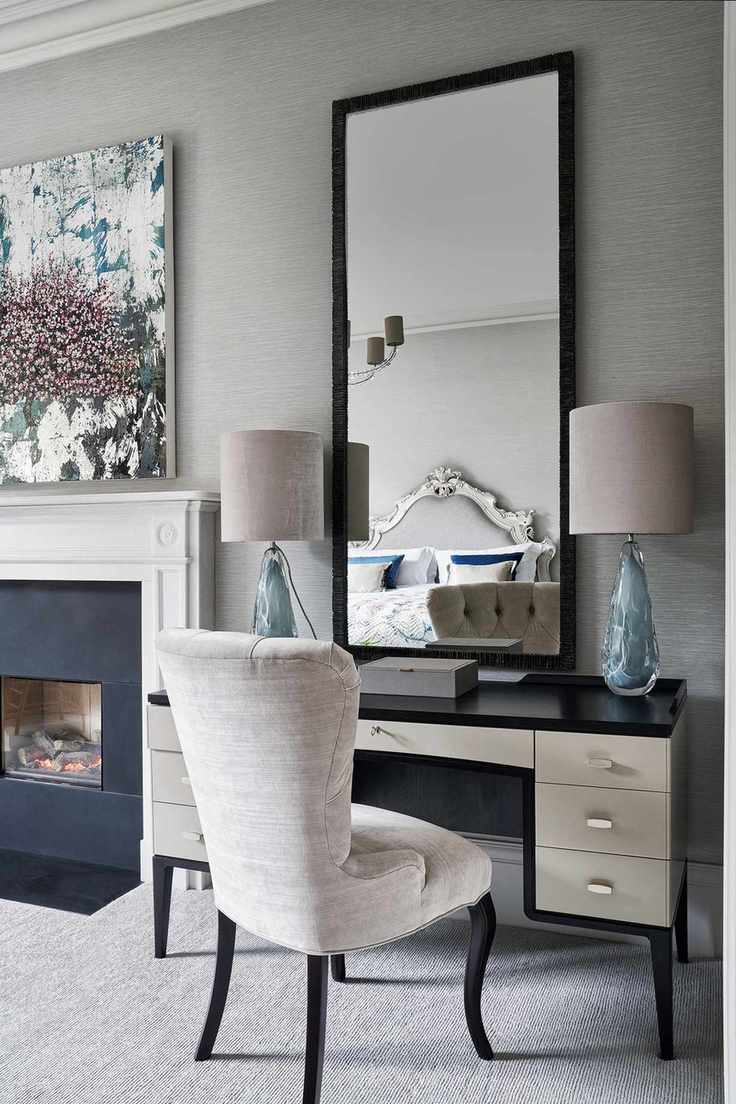
Storage is crucial in any workspace. A desk equipped with drawers allows you to stow away essentials, keeping surfaces clean and organized for relaxation. This desk can double as a dressing table when paired with a mirror.
11. Use a Dressing Table as a Desk
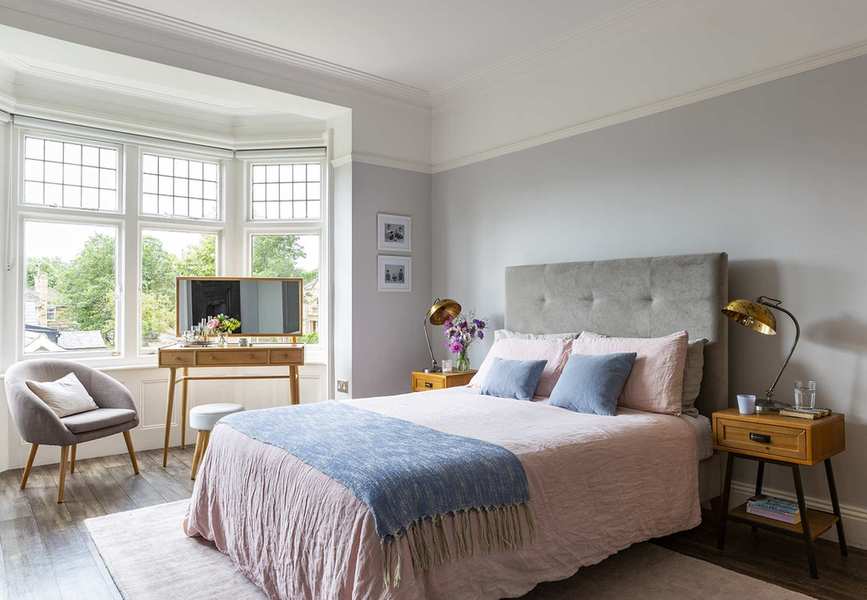
If you only need a simple spot for jotting down notes or lists, a dressing table may suffice. When choosing a style, consider its placement, as this affects the design you select. A freestanding table with an attached mirror is perfect for window placement.
12. Conceal a Desk in a Windowsill
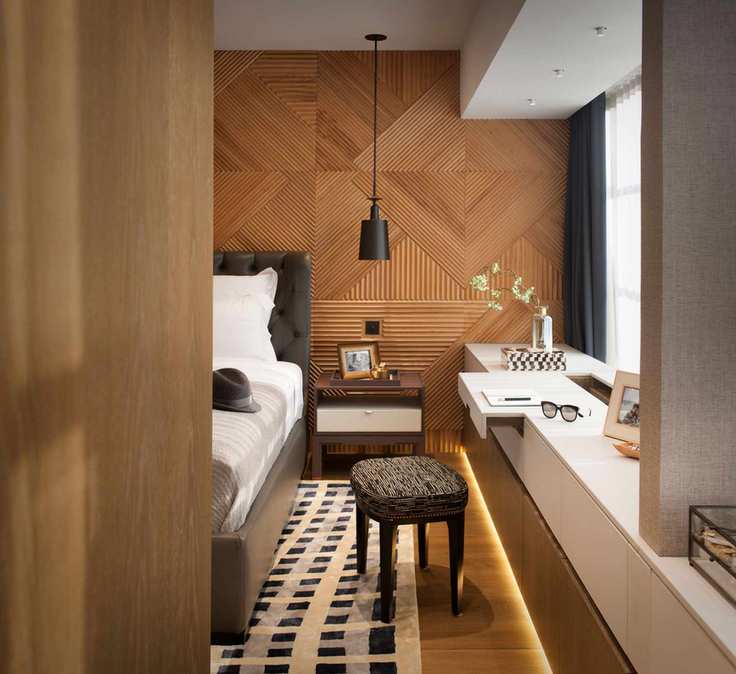
This innovative design from TG Studio utilizes a sliding desk that can be tucked away when not in use, effectively hiding clutter while offering additional storage along the window.
Arranging Your Bedroom with a Desk
Ultimately, the best way to arrange a bedroom with a desk depends on the room's size and layout. There are numerous strategies for integrating a desk.
Incorporating a fitted desk between closets or as part of built-in storage is ideal for maximizing space, especially in smaller rooms. The desk can be left open or concealed behind doors.
'Sliding doors are great for hiding desks when not in use, whether in wardrobes or alcoves,' suggests a design professional. 'This keeps the room tidy and allows for easy transitions from work to relaxation.'
While built-in desks provide a seamless look, freestanding options offer flexibility, enabling easy rearrangement to suit your changing needs.
Separating Bedroom and Office Areas
Creating a clear distinction between workspace and sleep area is essential. If you're adding a desk, ensure it's positioned away from the bed.
'Place them on opposite sides of the room to maintain separation,' advises a designer. 'Opt for foldable desks or sliding doors to easily conceal your workspace at day's end.'
'Many clever storage solutions exist to discreetly hide desks,' a designer notes. 'If those aren't available, consider using a room divider to both separate spaces and enhance the room's decor.'